

 プレビュー
プレビュー
 シェアする
シェアする シェアする
シェアする
 詳細を見る
詳細を見る

 ダウンロード
 似ている作品
 X線調査
X線調査 スライドショー
 統計情報
統計情報Epigrafi e Statue


 詳細を見る
詳細を見る
ジークレー/アートプリント
迅速な制作と多彩な仕上げオプションを備えた、ミュージアムクオリティのジークレーまたはキャンバスプリント。 ( 手描きの絵画を購入 デジタル画像販売へ切り替え)




P118B $10

P118H $10

P118W $10

P438Z $10

P508JH $12

P508YH $12

P805H $10

P805Z $10

P919BZ $10

P919G $10

P919XJ $10

P959ZH $10

P968JZ $12

W106C $8

W218G $10

W218JH $8

W218Y $10

W307PJ $10

W316G $10

W316PJ $8

W316Y $10

W398PJ $8

W4111J $10

W500HY $15

W500JH $15

W692G $12

W849H $8

W940BG $15

W953PJ $8




作品のオリジナル比率に合わせた、当店の規定サイズからお選びください。

特定のフレームやスペースに合わせて、ご自身でサイズを指定することも可能です。選択されたサイズが元の画像の比率と一致しない場合、作品をトリミングするか、鏡面反射または単色での塗りつぶしによって画像を拡張いたします。制作を開始する前に、ご確認用のデジタルモックアップをお送りいたします。
画面上のプレビューには、実際のトリミングや拡張は反映されませんのでご注意ください。最終的な構図を正確に確認できるのは、モックアップのみとなります。
カスタムサイズも承っておりますが、元の比率を維持するためには、あらかじめ用意されたリストからサイズを選択することをお勧めいたします。


 ガラスオプションは、110cm未満のサイズでのみご利用いただけます。

Epigrafi e Statue
ジークレー/アートプリント
複製画のサイズ
-


合計金額
$ 80
Echoes of Antiquity: A Study in Renaissance Form
To gaze upon this preparatory drawing by Jacopo Bellini is to step directly into the vibrant, intellectual crucible of the early Italian Renaissance. It is not merely an image; it is a blueprint of genius—a tangible record of an artist wrestling with the monumental weight and exquisite potential of classical antiquity. Rendered in the delicate interplay of charcoal and ink upon aged paper, the composition presents three distinct sculptural visions: two majestic equestrian figures poised atop grand pedestals, alongside a solitary, standing form. The very air around these sketches seems charged with the ambition of creation, capturing Bellini’s profound dedication to mastering both the human figure and the architectural setting that frames it.
The Mastery of Line and Shadow
Technically, this piece is a masterclass in preparatory drawing. Bellini utilizes line not just to outline, but to construct volume. The charcoal lends a wonderfully tactile, almost dusty texture to the surface, suggesting the grit of the sculptor's workshop, while the sharp precision of the ink defines the architectural vocabulary—the clean lines of the plinths, the graceful curves of implied arches, and the musculature beneath drapery. Observe how light is suggested through meticulous shading; it falls across the imagined bronze or marble surfaces, giving these static drawings a startling sense of three-dimensional presence. This commitment to linear perspective ensures that every element, from the base to the crowning figure, feels anchored in believable space.
Symbolism and the Weight of Empire
The subject matter speaks volumes about the cultural currents of 15th-century Venice. The inclusion of equestrian statues immediately evokes themes of power, authority, and imperial patronage—the enduring legacy of Roman emperors whose forms Bellini so reverently studied. These figures are more than mere decoration; they are symbolic anchors connecting the burgeoning humanism of the Renaissance with the perceived glory of Rome. Furthermore, the accompanying inscriptions, though faded, serve as mnemonic devices, naming and titling these idealized subjects, grounding the artistic fantasy in historical narrative.
A Touch for the Modern Collector
For the discerning collector or designer whose aesthetic appreciates history imbued with intellectual rigor, this drawing offers unparalleled depth. It speaks to a time when art was inseparable from philosophy and engineering. Owning a reproduction of Bellini’s studies is not simply acquiring artwork; it is curating an atmosphere of scholarly elegance. Imagine this piece lending its quiet authority to a study or gallery—a constant, beautiful reminder that the greatest masterpieces begin with the most thoughtful sketch.
アーティストの略歴
ルネサンス遠近法の先駆者、ヴェネツィアの開拓者
ヤコポ・ベッリーニは、ヴェネツィアおよび北イタリアで花開いたルネサンス絵画様式において、極めて重要な役割を果たした人物です。彼は単なる画家ではありませんでした。自然への細やかな観察眼と、それまでのヴェネツィア美術にはほとんど見られなかった「線遠近法」を見事に融合させた、真の革新者だったのです。今日、ベッリーニの手によるオリジナルのキャンバスは数少ないものしか残っていませんが、彼の真の遺産は、主にスケッチブックの中に息づいています。大英博物館やルーヴル美術館に収蔵されているこれらの素描には、広大な風景への深い情熱と、緻密な建築デザインへの執着が刻まれており、彼の芸術的プロセスを紐解く貴重な手がかりとなると同時に、後の時代を象徴する様式美の先駆けを提示しています。
1396年頃にヴェネツィアで生まれたヤコポの形成期は、当時の芸術的伝統に深く浸されたものでした。研究によれば、彼はジェンティーレ・ダ・ファブリアーノの弟子であったと考えられています。ジェンティーレは、前数十年にわたってヴェネツィアにその名を轟かせた名高い画家であり、彼の工房は「ヘントの祭壇画」に代表される、当時最も野心的なフレスコ画を数多く生み出していました。この師弟関係は、ベッリーニの中に細部への深い慈しみ、色彩の調和、そして装飾的な複雑さを愛でる心を間違いなく植え付けました。初期のキャリアの正確な年表については未だ謎が多い部分もありますが、学術的な調査によれば、1411年から1412年にかけてフォリニョにおいて、ジェンティーレ・ダ・ファブリアーノと共にパラッツォ・トリンチを飾る壮大なフレスコ画制作に従事していたことが示唆されています。
ルネサンスの核心を巡る旅
ベッリーニの芸術的な旅路における決定的な転換点は、1423年頃のフィレンツェ訪問でした。この時期は、ブルネレスキ、ドナテッロ、マサッチオといった巨匠たちが、革命的な線遠近法の応用を試み、ヒューマニズムの理想を探求していた、芸術的実験が最も激しかった時代と重なります。フィレンツェにおいて、彼は胎動しつつあった「線遠近法」という科学に出会いました。この発見は、彼の空間と奥行きに対するアプローチを根本から変えることになります。ヴェネツィアのルーツが持つ叙情的で装飾的な優雅さと、フィレンツェの革新者たちがもたらした構造的な厳格さや空間的な明晰さを融合させることで、ベッリーニは独自の視覚言語を築き上げ始めました。この統合によって、彼は中世の平面的で象徴的な平面表現を超え、まるで窓から世界を覗き込むような、より没入感のある描写へと到達したのです。
キャリアが進むにつれ、ベッリーニは、その後何世代にもわたってヴェネツィア美術を支配することとなる芸術家一族の礎を築く中心的人物となりました。彼の功績は単なる個人の才能に留まらず、その革新的な手法を息子であるジェンティーレやジョヴァンニへと継承した、教育的な側面においても極めて重要でした。光、風景、そして遠近法に対する彼の実験の種は、彼らを通じて「ベッリーニ」の名と共に語り継がれる盛期ルネサンスの輝きへと開花していったのです。彼の作品は、過去の装飾的伝統と未来のヒューマニズム的な写実主義を繋ぐ架け橋となり、イタリア美術の進化における欠かすことのできない絆となりました。
遺産と歴史的意義
ヤコポ・ベッリーニの歴史的な重要性は、彼が「変化の触媒」としての役割を果たした点にあります。彼の作品の多くは、インクとペンという親密な媒体の中に留まっていますが、それらの素描はヴェネツィア・ルネサンスの設計図そのものなのです。複雑で重層的な風景や、数学的に整合性の取れた建築物を描き出す彼の能力は、後継者たちがヴェネツィアの潟(ラグーン)の情緒豊かな美しさを探求するための土台を提供しました。ベッリーニを辿ることは、芸術家の眼が奥行きの錯覚を真に掌握し始めたその瞬間を目撃することであり、それは人類が描かれた世界を認識する方法を永遠に変えた出来事でもあったのです。
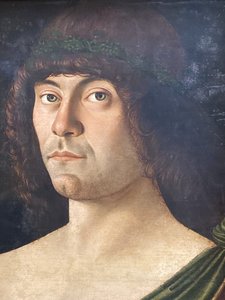
ヤコポ・ベッリーニ
1396 - 1470 , イタリア
基本情報
- Artistic Movement Or Style: ルネサンス
- Artists Or Movements Influenced By This Artist: ['マサッチオ']
- Artists Who Influenced This Artist: ['ジェンティーレ・ダ・ファブリアーノ']
- Date Of Birth: イタリア、ヴェネツィア (1396年)
- Date Of Death: 1470年頃
- Full Name: ヤコポ・ベッリーニ
- Nationality: イタリア人
- Notable Artworks:
- ヴェローナ大聖堂の磔刑図
- 聖母子
- Place Of Birth: ヴェネツィア
関連記事

Bronze Age to Modern Masters: 10 Sculptures That Redefined Art | OriginalUniqueArt
Journey through art history with 10 legendary bronze sculptures – from Michelangelo's David to Rodin’s Thinker. Explore the stories, techniques & timeless beauty of these masterpieces. Find museum-quality reproductions & elevate your home decor on OriginalUniqueArt.com.

Bronze Sculptures That Defined Art History | OriginalUniqueArt
Journey through art history with our Top 10 bronze sculptures! Explore masterpieces by Rodin, Michelangelo & more. Discover stories behind iconic statues and find museum-quality reproductions for your home decor at OriginalUniqueArt.com.

The Enduring Form: Exploring Themes & Techniques in Sculpture Across Historical Periods
Explore the rich history of sculpture from ancient masterpieces to contemporary innovations. Discover key techniques, influential artists & investment potential for discerning art collectors.
ジャコポ・ティンコレット:至高の25選 – ヴェネツィア巨匠のドラマと光の世界 | OriginalUniqueArt
ジャコポ・ティンコレットの至高の25選。ドラマと光の世界を彩るヴェネツィア派巨匠の名画を紐解きます。ルネサンス絵画からバロック絵画まで、OriginalUniqueArtで高品質な複製画やインテリアアートを見つけましょう。傑作コレクションをオンラインで探求してください。

The Enduring Allure of Marble in Art History: From Classical Sculpture to Modern Abstraction
Explore the captivating history of marble sculpture from ancient Greece to modern art. Discover renowned artists like Canova & Michelangelo, carving techniques, and investment insights at OriginalUniqueArt.