
 設置イメージを表示
 シェアする
シェアする シェアする
シェアする
 詳細を見る
詳細を見る ガイドを表示

 ダウンロード
 似ている作品
 X線調査
X線調査 スライドショーを表示
 Q&A
Q&A 統計情報
統計情報Argus, Mercury and Io

- 204.0 x 193.0 cm


 詳細を表示
詳細を表示
ジークレー/アートプリント
スピーディーな制作と多彩な仕上げオプションが魅力の、ミュージアムクオリティなジークレー・キャンバスプリント。 ( 手描き複製画を注文する デジタル画像販売へ切り替え)




P118B ¥10

P118H ¥10

P118W ¥10

P438Z ¥10

P508JH ¥12

P508YH ¥12

P805H ¥10

P805Z ¥10

P919BZ ¥10

P919G ¥10

P919XJ ¥10

P959ZH ¥10

P968JZ ¥12

W106C ¥8

W218G ¥10

W218JH ¥8

W218Y ¥10

W307PJ ¥10

W316G ¥10

W316PJ ¥8

W316Y ¥10

W398PJ ¥8

W4111J ¥10

W500HY ¥15

W500JH ¥15

W692G ¥12

W849H ¥8

W940BG ¥15

W953PJ ¥8




作品のオリジナル比率に合わせた、当店の規定サイズからお選びください。

額縁や壁のスペースに合わせて、ご希望の幅と高さを入力してください。プリントはカットすることは可能ですが、元の画像より大きくすることはできないため、異なる比率のサイズを選択された場合は、画像の一部が欠けることになります。印刷を開始する前に、内容を確認していただくためのデジタルモックアップをお送りいたします。このページに表示されている画像は、実際のカット後の状態を示すものではありません。実際の仕上がりはモックアップにてご確認ください。


 ガラスオプションは、110cm未満のサイズでのみご利用いただけます。

Argus, Mercury and Io
ジークレー/アートプリント
複製画サイズ一覧
-


合計金額
¥ 12810
A Baroque Symphony of Myth and Mastery
In the heart of the Dutch Golden Age, a period defined by opulent patronage and an unwavering pursuit of beauty, Jacob van Campen breathed life into a scene of divine tension and mythological drama. His 1630 masterpiece, Argus, Mercury and Io, is far more than a mere depiction of ancient legend; it is an immersive experience that captures the very essence of the Baroque period. The canvas unfolds a narrative steeped in the complexities of Greek mythology, presenting a tableau where the boundaries between the divine and the mortal blur under a turbulent, stormy sky. As the viewer gazes upon this monumental oil on canvas, they are transported to a world where celestial intervention meets earthly vulnerability.
The painting portrays a dramatic moment involving Mercury, Argus Panoptes—the giant with a hundred eyes—and Io, the wife of Zeus caught in a harrowing predicament. The scene unfolds upon the ground, bathed in an ethereal luminescence that underscores the gravity of their situation. Io, pursued relentlessly by the jealous Hera, seeks refuge beneath the rough bark of a tree trunk, a symbol of resilience amidst adversity. Amidst this tension, Mercury attempts to soothe Io’s suffering with music, representing the power of reason and solace against overwhelming emotion. The inclusion of watchful dogs adds an element of primal instinct, while the presence of sheep and a distant cow grounds the divine drama in a pastoral reality, creating a striking contrast between the eternal and the everyday.
The Precision of Dutch Classicism
Van Campen's style embodies the burgeoning influence of Classical ideals within the broader Baroque aesthetic. Unlike many of his contemporaries who favored flamboyant ornamentation and chaotic movement, Van Campen prioritized clarity, balance, and architectural precision. This approach aligns him with the principles of Dutch Classicism, a movement that sought to marry native textures with the refined Vitruvian principles he encountered during his time in Italy. His technique is nothing short of breathtaking; he meticulously renders a variety of textures—from the smooth, luminous skin of Io to the rugged, tactile bark of the sheltering tree.
The artist demonstrates an unparalleled command of chiaroscuro, using the masterful manipulation of light and shadow to create profound depth. This play of light does more than just define form; it guides the viewer's gaze across the composition, pulling the eye from the central figures toward the periphery of the pastoral landscape. For the discerning collector or interior designer, this technique offers a captivating visual rhythm that can serve as a commanding focal point in any sophisticated space, providing both a sense of movement and a profound stillness.
An Eternal Legacy for the Modern Collector
Beyond its technical brilliance, Argus, Mercury and Io resonates with an emotional depth that transcends centuries. It is a study of protection, fear, and the search for peace amidst chaos. The painting’s ability to evoke such a wide spectrum of human emotion—from the anxiety of pursuit to the tranquility of melodic solace—makes it a timeless piece of storytelling. For those seeking to adorn their homes or galleries with works that inspire contemplation, this reproduction offers a window into the soul of the 17th century.
Owning a high-quality reproduction of such a significant work allows for the integration of historical grandeur into contemporary living. Whether placed in a sunlit study or a formal dining hall, the painting’s rich palette and dramatic narrative provide an unparalleled sense of prestige and intellectual depth. It is not merely a decoration; it is an invitation to engage with the legends of antiquity and the masterful hand of one of the Netherlands' greatest artistic minds.
Q&A
Jacob van Campen作「Argus, Mercury and Io」に似た作品はどこで見つけることができますか?
Jacob van Campen作「Argus, Mercury and Io」に似た作品は、こちらの関連作品ページでご覧いただけます。
Jacob van Campen作「Argus, Mercury and Io」 の主要な色調は何ですか?
Jacob van Campen作「Argus, Mercury and Io」の主要な色調はOchre to Sepiaです。この色調が、パレット全体の基調となるトーンを形作っています。
Jacob van Campen作「Argus, Mercury and Io」 のプリントはどこで購入できますか?
Jacob van Campen作「Argus, Mercury and Io」のプリントをご希望の方は、こちらのファインアートプリントページよりご注文いただけます:コットンキャンバス、またはアーカイブ品質のキャンバスペーパーに施されたファインアートプリント。
作家プロフィール
Jacob van Campen: Life and Legacy
Early Life and Background
Jacob van Campen was born in Haarlem, Netherlands, in 1596. He came from a relatively prosperous background, inheriting the estate of Randenbroek near Amersfoort from his mother. He significantly expanded and embellished this estate, later commissioning Caesar van Everdingen to decorate it. Van Campen never married but had one son, Alexander van Campen.
Artistic Development and Influences
Van Campen was a selective artist, carefully choosing his projects. His artistic development saw him move towards a distinctive style blending architectural precision with Baroque dynamism. He was notably influenced by Paulus Bor, one of the founders of the Bentvueghels – a group of Dutch painters known for their unconventional and often satirical work. This influence is visible in some similarities between Van Campen’s paintings and wall decorations, such as those at Paleis Huis ten Bosch.
Architectural Achievements
Van Campen's primary legacy lies in his architectural contributions. He designed numerous churches, including those at Renswoude and Hooge Zwaluwe, and the Nieuwe Kerk in Haarlem. The Nieuwe Kerk’s design was so significant that Pieter Saenredam created three paintings and eight engravings documenting it. Beyond churches, he also designed gates and towers for prominent Amsterdam landmarks like the Westerkerk and Nieuwe Kerk.
- Mauritshuis: Perhaps his most famous work, this palace in The Hague now houses a renowned collection of Dutch Golden Age paintings.
- Amsterdam's Royal Palace: Van Campen played a key role in the design of this iconic building, originally conceived as Amsterdam’s Town Hall.
Painting and Decorative Work
While primarily known as an architect, Van Campen was also a skilled painter. He created notable still life paintings, often featuring intricate arrangements of objects symbolizing mortality and the passage of time. His wall decorations, particularly at Paleis Huis ten Bosch, demonstrate his ability to integrate painting with architectural space.
- Still Life Themes: Van Campen’s still lifes frequently included books, musical instruments, scientific instruments (like celestial globes), and symbolic objects like skulls and owls.
Historical Significance
Jacob van Campen was a pivotal figure in introducing Classicism to Dutch Baroque design. He bridged the gap between earlier Renaissance influences and the evolving artistic sensibilities of the 17th century. His architectural designs helped shape the urban landscape of the Netherlands, and his work continues to be admired for its elegance, precision, and innovative use of space. He died in 1657 and was buried at Randenbroek, the estate he so carefully cultivated.

Jacob van Campen
1596 - 1657 , Netherlands
プロフィール概要
- Name: Jacob van Campen
- Movement: Dutch Golden Age, Dutch Classicism, Baroque
- Birth Date: 1596
- Death Date: 1657
- Influenced: Pieter Saenredam
- Birth Place: Haarlem, Netherlands
- Nationality: Dutch
- Date Of Birth: 1596
- Date Of Death: 1657
- Influenced By: Paulus Bor
- Notable Works: Mauritshuis, Amsterdam's Royal Palace, Nieuwe Kerk (Haarlem)
- Place Of Birth: Haarlem, Netherlands
関連記事

レンブラント傑作25選:光と影の巨匠、魂を揺さぶる名画の世界 | OriginalUniqueArt
レンブラントの傑作25選。光と影の魔術師が描いた魂を揺さぶる名画の世界へ。美術史に残る自画像、夜警、宗教画…OriginalUniqueArtで高品質なアートプリントやインテリアアートをお楽しみください。コレクションはこちら→

バロック美術を極めた至宝:時代を彩る10大名作の世界
バロック美術の華!カラヴァッジョ、ベルニーニら巨匠が創り上げた10大名作を徹底解剖。ドラマチックな色彩と豪華絢爛の世界観に触れ、至宝のアートプリントで空間を彩ろう。OriginalUniqueArt.comで美術館品質の複製と洗練されたインテリアを見つけましょう!
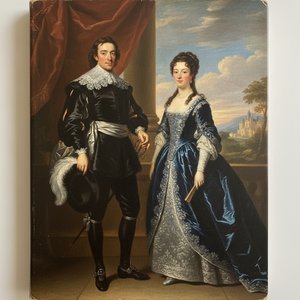
Sir Anthony van Dyck: Courtly Portraiture & the Shaping of Baroque Identity
Explore the life & legacy of Sir Anthony van Dyck, the leading court painter of his era. Discover his innovative portraiture, Baroque masterpieces, and investment potential for discerning collectors. Learn more at OriginalUniqueArt.

Charles-André van Loo: A Study in Rococo Portraiture & the French Court's Artistic Dynamics
Explore the elegant world of Charles-André van Loo, a master of Rococo portraiture at the French court. Discover his life, techniques, and enduring influence on 18th-century art. Hand-painted reproductions available.

Dutch Baroque Masters: 10 Paintings That Shaped an Era | OriginalUniqueArt
Journey through the Golden Age with our guide to the Top 10 Dutch Baroque masterpieces! Explore iconic paintings by Rembrandt, Vermeer & Frans Hals. Find museum-quality art reproductions and elevate your home decor at OriginalUniqueArt.com.