

 設置イメージを確認
 送る
送る シェア
シェア
 詳細情報
詳細情報 ガイドを表示

 画像をダウンロード
 似ている作品
 X線調査
X線調査 スライドショー
 統計情報
統計情報Italian Landscape
 Oil On Canvas
- WallArt
- Romantic Landscape Painting
 1795
1795- Early Modern
 65.0 x 96.0 cm
 エルミタージュ美術館
 続きを読む
続きを読む
ジークレー/アートプリント
スピーディーな制作と多彩な仕上げオプションが魅力の、ミュージアムクオリティなジークレー・キャンバスプリント。 ( 手描きの複製画を注文する デジタル画像販売へ切り替え)




P118B ¥10

P118H ¥10

P118W ¥10

P438Z ¥10

P508JH ¥12

P508YH ¥12

P805H ¥10

P805Z ¥10

P919BZ ¥10

P919G ¥10

P919XJ ¥10

P959ZH ¥10

P968JZ ¥12

W106C ¥8

W218G ¥10

W218JH ¥8

W218Y ¥10

W307PJ ¥10

W316G ¥10

W316PJ ¥8

W316Y ¥10

W398PJ ¥8

W4111J ¥10

W500HY ¥15

W500JH ¥15

W692G ¥12

W849H ¥8

W940BG ¥15

W953PJ ¥8




作品のオリジナル比率に合わせた、当店の規定サイズからお選びください。

額縁や壁のスペースに合わせて、ご希望の幅と高さを入力してください。プリントはカットすることは可能ですが、元の画像より大きくすることはできないため、異なる比率のサイズを選択された場合は、画像の一部が欠けることになります。印刷を開始する前に、内容を確認していただくためのデジタルモックアップをお送りいたします。このページに表示されている画像は、実際のカット後の状態を示すものではありません。実際の仕上がりはモックアップにてご確認ください。


 ガラスオプションは、110cm未満のサイズでのみご利用いただけます。

Italian Landscape
ジークレー/アートプリント
複製画サイズ一覧
-


合計金額
¥ 12596
A Symphony of Light and Tranquility
In the vast tapestry of the Romantic movement, few works capture the ethereal essence of the Italian countryside as profoundly as Jacob Philippe Hackert’s Italian Landscape. Created in 1795, this oil on canvas masterpiece serves as a window into an idealized Arcadia, where the grandeur of nature and the quietude of pastoral life exist in perfect, undisturbed harmony. As one gazes upon the canvas, there is an immediate sense of being transported to a world far removed from the industrializing tensions of the late 18th century. The painting does not merely represent a location; it evokes a feeling of timelessness, inviting the viewer to linger within its sun-drenched valleys and misty mountain peaks.
The composition is a masterclass in balanced tension, guiding the eye through a meticulously layered journey. In the foreground, a tranquil river meanders with a gentle grace, its surface acting as a mirror for the clear blue sky and the lush greenery that lines its banks. The presence of grazing cows adds a touch of pastoral intimacy, grounding the epic scale of the landscape in the humble, rhythmic reality of rural life. As the gaze moves toward the middle ground, rolling hills draped in verdant vegetation lead the viewer upward toward a majestic mountain range. These peaks, partially veiled by an atmospheric haze, command the horizon with an imposing power that speaks to the Romantic fascination with the sublime—the awe-inspiring and sometimes overwhelming beauty of the natural world.
The Mastery of Atmosphere and Technique
Hackert’s technical prowess is most evident in his sophisticated use of sfumato, a technique he refined under the influence of his mentor, Claude Joseph Vernet. By subtly blurring the boundaries between distant mountains and the sky, Hackert creates a palpable sense of depth and atmospheric perspective. This soft, smoky transition prevents the landscape from feeling static; instead, it breathes with moisture and light. The artist’s ability to marry minute, realistic details—such as the individual textures of foliage and the rugged contours of rocks—with this expansive, misty atmosphere is what distinguishes this work as a pinnacle of his era.
The color palette is a deliberate study in serenity, dominated by harmonious shades of emerald, forest green, and deep azure. These cool tones are punctuated by the warm, golden light that seems to filter through the clouds, illuminating the classical architecture nestled among the trees. This interplay of light and shadow does more than define form; it establishes a mood of profound peace. For the discerning collector or interior designer, this painting offers a sophisticated focal point that brings a sense of calm and classical elegance to any space, acting as an anchor of tranquility in a modern environment.
Historical Resonance and Lasting Legacy
To understand the Italian Landscape is to understand the heart of a traveling artist. Hackert, born in Germany but deeply enamored with the Mediterranean spirit, spent much of his career capturing the light of Italy. His work reflects the transition from Neoclassical precision toward the more expressive, emotional observations of the Romantic era. The inclusion of classical architectural elements—columns and structures that hint at a storied past—serves as a poignant reminder of humanity's historical connection to the land. These man-made wonders do not intrude upon the scenery but rather blend seamlessly into the natural topography, suggesting a world where civilization and nature exist in a state of grace.
Owning a reproduction of such a significant work allows one to possess a fragment of art history. It is an invitation to daily contemplation, a piece that rewards repeated viewing with new discoveries of light, shadow, and texture. Whether placed in a grand library or a contemporary living suite, Hackert’s vision of the Italian landscape remains a timeless testament to the enduring power of beauty and the quiet majesty of the earth.
よくあるご質問
「Italian Landscape」はいつ制作されたもので、どの様式(ムーブメント)に属していますか?
ヤコブ・フィリップ・ハッケルト作「Italian Landscape」は1795年に制作されたもので、Romantic Landscape Paintingに属します。
ヤコブ・フィリップ・ハッケルト作「Italian Landscape」の著作権による複製は許可されていますか?
「Italian Landscape」の原画はエルミタージュ美術館に所蔵されており、本作品はパブリックドメイン(著作権消滅)です。
「Italian Landscape」はギフトとしておすすめですか?
贈り物としては、Anniversaryの方へヤコブ・フィリップ・ハッケルト作「Italian Landscape」を贈るのがおすすめです。その他のシーンでも、幅広くお使いいただけます。
アーティストについて
初期の生涯と芸術的基盤
ヤコブ・フィリップ・ハッケルトは、1737年、現在のドイツに位置するブランデンブルク州のプレンツラウに生を享けました。彼の幼少期は芸術に深く浸ったものでした。肖像画家および動物画家であった父フィリップ・ハッケルトが、若きヤコブの創造的な旅路の礎を築いたのです。この家族の影響は叔父にも及び、その指導のもとで彼はさらなる技術を磨きました。1758年にはベルリンの名高いプロイセン芸術アカデミーにて正式な修行を開始し、後に自身のスタイルを決定づけることになる技術的基礎を勤勉に築き上げました。しかし、ハッケルトの初期のキャリアはアトリエの壁の中に留まるものではありませんでした。彼の旅はスウェーデン・ポメラニアを経て最終的にストックホルムへと彼を導きました。そこで受けたアドルフ・フリードリヒ・フォン・オルトホフ男爵からの重要な依頼、すなわち男爵の邸宅のための装飾壁画の制作は、彼の芸術的視野を広げ、多様な美意識に触れる貴重な機会となったのです。これらの形成期は、ハッケントの審美眼を形作り、後の輝かしいキャリアへと彼を導く極めて重要な時期となりました。イタリアでの目覚め:パリ、ローマ、そしてナポリ
1765年から1768年にかけて、スイスの芸術家バルトザール・アントン・ドゥンカーと共にパリへ移住したことは、ハッケルトの人生における決定的な一章となりました。この時期は彼にとって変革の時であり、活気に満ちた芸術的環境に身を投じることとなったのです。彼は風景画や海景画の巨匠クロード・ジョゼフ・ヴェルネルから深い影響を受け、ヴェルネルの劇的な構図や大気の表現を、自身の芽生えつつあったスタイルへと吸収していきました。同時に、ドイツの版画家ヨハン・ゲオルグ・ヴィレの下での研鑽は、彼の精密さと細部へのこだわりをより洗練されたものにしました。そして1768年、ハッケルトは自らの芸術的軌道を決定的に変える旅へと踏み出します。兄ゲオルグと共にイタリアへ渡り、主にローマとナポリを拠点としたのです。この移動は、サー・ウィリアム・ハミルトンをはじめとする多くの依頼人からイタリアの田園風景を描くよう求められる、驚異的な多作時代の幕開けとなりました。彼はイタリアの隅々までを巡り、その美しさを緻密に記録することで、風景画の巨匠としての地位を確立していきました。イタリア半島の光、色彩、そしてその本質的な魅力は彼を虜にし、彼の作品を象徴する決定的な特徴となったのです。パトロン、名声、そして芸術の開花
ハッケルトの芸術的キャリアは、類まれな才能と戦略的なパトロネージュの融合によって、新たな高みへと昇り詰めました。イタリアの崇高な美を捉える彼の能力は、ヨーロッパ中の著名な人物たちの心を捉えて離しませんでした。ロシアの女帝エカチェリーナ2世からの記念碑的な依頼――チェスマの戦いを描いた一連の絵画群――は、彼の国際的な名声を不動のものとしました。さらに、教皇ピウス6世との実りある関係は、彼の技術と多才さを披露する重要な芸術プロジェクトをもたらし、その地位をより強固なものにしました。1786年、ハプリはナポリの両シチリア王フェルディナンド1世の宮廷画家へと任命され、キャリアの頂点に達します。この名誉ある役割は単なる画家の枠を超えたものでした。彼はカポディモンテ美術館における絵画修復研究所の設立に関する助言を託されたほか、ローマからナプリへの高貴なファルネーゼ・コレクションの移送監督も務め、美術史と保存に対する深い造詣を示しました。また、カゼルタやカゼルタ宮殿を描いた著名な作品や、ブルボン王朝の港を描いた連作も生み出しています。興味深いことに、この時期のハッケルトはロシアの秘密情報員としての役割も担い、アンドレイ・ラズモフスキーとの接触を維持していました。これは、彼が活動していた政治情勢がいかに複雑であったかを物語っています。さらに1786年、ナポリを訪れたヨハン・ヴォルフガング・フォン・ゲーテとの間に育まれた親密な交流は、彼の知的な地位をさらに高めることとなりました。様式、遺産、そして歴史的意義
ヤコブ・フィリップ・ハッケルトの芸術様式は、古典的な風景画と、萌芽しつつあったロマン主義的な感性が見事に融合したものです。クロード・ロランの作品から強い影響を受けた彼の構図は、観察された現実と理想化された美学的ビジョンを調和させた、緻密に計算された配置を特徴としています。しかし、ハッケルトが際立っていたのは、植物学的な正確さへの揺るぎない献身と、誰もが識別できる場所の描写への情熱においてでした。彼の絵画は、自然の細部を鮮明に描き出し、しばしば温かな黄金色の光に包まれたイタリアの風景を写実的に表現しています。彼は、都市の景観や風景を地形学的な正確さで緻密に描く「ヴェドゥータ(vedutismo)」というジャンルの、最も偉大な解釈者の一人と称されるにふさわしい存在です。ハッケルトの歴史的意義は、その芸術的貢献のみに留まりません。彼は18世紀後半におけるドイツとイタリアの重要な文化的使節として、芸術的伝統を橋渡しし、文化交流を促進する役割を果たしました。1807年4月28日、フィレンツェ近郊のサン・ピエトロ・ディ・カレッジにて彼はその生涯を閉じましたが、彼が遺した膨大な作品群は、その美しさ、技術的習熟、そして不朽の歴史的重要性を今なお人々に畏敬と称賛を与え続けています。彼の風景画は、単なる景色の再現ではありません。それは、古典的な優雅さとロマン主義的な感情が宿る世界へと通じる窓なのです。
ヤコブ・フィリップ・ハッケルト
1737 - 1807 , ドイツ
アーティスト情報
- Artistic Movement Or Style: 古典主義、ロマン主義
- Artists Or Movements Influenced By This Artist: ヴェドゥータ(景観画)
- Artists Who Influenced This Artist:
- クロード=ジョゼフ・ヴェルネ
- ヨハン・ゲオルク・ヴィレ
- クロード・ロラン
- Date Of Birth: 1737年9月15日
- Date Of Death: 1807年4月28日
- Full Name: ヤコブ・フィリップ・ハッケルト
- Nationality: ドイツ
- Notable Artworks:
- 川のある風景
- カゼルタの景観
- 秋
- チェスマ・サイクル
- Place Of Birth: ドイツ、プレンツラウ
関連記事

Drama and Light: A Definitive Guide to the Italian Baroque Masterpieces and the Revolution of Chiaroscuro
Explore the dramatic world of Italian Baroque art. Discover how masters like Caravaggio used chiaroscuro and tenebrism to revolutionize painting through light, shadow, and profound realism. A definitive guide for history lovers and art collectors.

ジョン・コンスタブルの傑作25選:英国風景画の巨匠が描く自然と光の詩 | OriginalUniqueArt
ジョン・コンスタブルの傑作25選。英国風景画の巨匠が描く自然と光の詩の世界へ。ロマン主義を代表する絵画、デダム・ヴェールやヘイ・ウェインなど、OriginalUniqueArtで高品質なアートプリントをお楽しみください。インテリアに深みと感動を。コレクションはこちら。
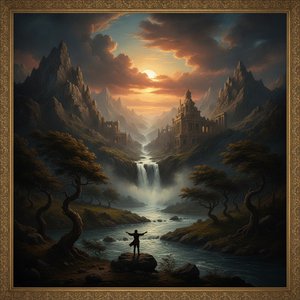
Epic Drama & Dark Vibes: The Ultimate Collector's Guide to Baroque Landscapes
Master the art of drama with our ultimate guide to Baroque landscapes. Discover the power of chiaroscuro, explore legendary masters, and learn how to curate epic, dark-vibe masterpieces for your collection with expert insights from OriginalUniqueArt.

Evocations of Place: A Historical Journey Through Landscape Art
Explore the rich history of landscape art with OriginalUniqueArt. Discover renowned artists, movements like Impressionism & Romanticism, and expert guidance for collecting timeless pieces. Find your perfect serene escape today!

ロマン派ランドスケープ:時代を彩る巨匠の10選|アートとインテリアの世界
ロマン派絵画の時代を彩る10選。巨匠たちの風景が織りなす感動の世界へ。ターナー、ルーベンスなど、名作の裏話と高精細複製でアートをお部屋に。OriginalUniqueArt.comで至福のアート体験を。