

 設置イメージを確認
 送る
送る シェア
シェア
 詳細情報
詳細情報 ガイドを表示

 画像をダウンロード
 似ている作品
 X線調査
X線調査 スライドショー
 統計情報
統計情報The Fall of Man
 Oil On Canvas
- WallArt
- Flemish Baroque
 Early Modern
 185.0 x 221.0 cm
 Szépművészeti Múzeum
 続きを読む
続きを読む
ジークレー/アートプリント
スピーディーな制作と多彩な仕上げオプションが魅力の、ミュージアムクオリティなジークレー・キャンバスプリント。 ( 手描きの複製画を注文する デジタル画像販売へ切り替え)




P118B $10

P118H $10

P118W $10

P438Z $10

P508JH $12

P508YH $12

P805H $10

P805Z $10

P919BZ $10

P919G $10

P919XJ $10

P959ZH $10

P968JZ $12

W106C $8

W218G $10

W218JH $8

W218Y $10

W307PJ $10

W316G $10

W316PJ $8

W316Y $10

W398PJ $8

W4111J $10

W500HY $15

W500JH $15

W692G $12

W849H $8

W940BG $15

W953PJ $8




作品のオリジナル比率に合わせた、当店の規定サイズからお選びください。

特定のフレームやスペースに合わせて、ご自身でサイズを指定することも可能です。選択されたサイズが元の画像の比率と一致しない場合、作品をトリミングするか、鏡面反射または単色での塗りつぶしによって画像を拡張いたします。制作を開始する前に、ご確認用のデジタルモックアップをお送りいたします。
画面上のプレビューには、実際のトリミングや拡張は反映されませんのでご注意ください。最終的な構図を正確に確認できるのは、モックアップのみとなります。
カスタムサイズも承っておりますが、元の比率を維持するためには、あらかじめ用意されたリストからサイズを選択することをお勧めいたします。


 ガラスオプションは、110cm未満のサイズでのみご利用いただけます。

The Fall of Man
ジークレー/アートプリント
複製画サイズ一覧
-


合計金額
$ 80
A Vision of Eden Lost: Exploring Jacob Jordaens’ “The Fall of Man”
Jacob Jordaens’ “The Fall of Man,” completed around 1635, stands as a monumental testament to the Flemish Baroque's fascination with dramatic narrative and meticulous observation of human experience. More than just a retelling of biblical lore, this sprawling canvas delves into profound themes of innocence, transgression, and the enduring consequences of disobedience – offering viewers an immersive journey into both artistic mastery and spiritual contemplation.
Style and Technique: Jordaens’ distinctive style is characterized by its opulent realism. Unlike many artists of his era who favored idealized depictions, he embraced a grounded approach, meticulously rendering textures and details with astonishing accuracy. The painting employs chiaroscuro – the masterful manipulation of light and shadow – to sculpt figures and create an atmosphere of palpable drama. Rubens' influence is undeniable in Jordaens’ compositional choices, particularly the expansive scale and dynamic arrangement of elements within the frame, mirroring Rubens’ own ambitious projects.
Historical Context: Created during a period of fervent religious fervor following the Reformation, “The Fall of Man” reflects the anxieties surrounding moral decay and divine judgment prevalent in 17th-century Europe. It aligns with broader artistic trends exploring biblical narratives through allegory and symbolism – a common practice aimed at conveying complex theological ideas to a largely literate audience.
Symbolism: The painting is replete with symbolic representations that enrich its narrative depth. The central figures of Adam and Eve embody humanity’s inherent goodness before the Fall, contrasted sharply by their nakedness—a visual shorthand for vulnerability and innocence. The serpent represents temptation and deceit, coiled around the tree of knowledge, symbolizing the acquisition of forbidden wisdom. The birds circling overhead serve as reminders of divine providence, while the cow symbolizes fertility and pastoral life – elements interwoven to depict a microcosm of God’s creation.
Emotional Impact: “The Fall of Man” transcends mere storytelling; it evokes a powerful emotional response in the viewer. The artist skillfully captures the anguish of Adam and Eve as they contemplate their transgression, conveying a sense of profound sorrow and regret. Yet, amidst the despair lies an underlying suggestion of hope—a reminder that even after suffering loss, humanity retains its capacity for redemption. Its grandeur and meticulous detail continue to inspire awe and contemplation centuries later.
- Dimensions: 185 x 221 cm
- Medium: Oil on Canvas
- Location: Kunsthistorisches Museum, Vienna
This monumental artwork remains a cornerstone of Baroque art history, captivating audiences with its masterful technique and enduring exploration of fundamental human themes. Reproductions offer an exceptional opportunity to experience the grandeur and emotional resonance of Jordaens’ vision.
アーティストについて
ヤコブ・ヨルダエンスの生涯と背景
1593年、アントワープの裕福な家庭に生まれたヤコブ・ヨルダエンスは、フランドルのバロック絵画を代表する重要な画家の一人として台頭しました。多くの同時代画家がイタリアで修業を積む一方で、ヨルダエンスは故郷フランドルに根ざし、日常生活の喜びと現実を称える独特の力強く土着的なスタイルを確立しました。彼の父は成功したリネン商であり、社会的身分にふさわしい教育を受けさせました。その後、彼は後にピーテル・パウル・ルーベンスも指導したアダム・ファン・ノールの下で芸術の道を歩み始めました。この初期の訓練を通して、ヨルダエンスは精密な技術と構図に対する鋭い理解を身につけましたが、すぐに独自の道を開拓しました。1616年、アントワープのアート界との繋がりを強めるため、ファン・ノールの娘カタリーナと結婚します。農民の祝祭とバロック様式の壮大さ
ヨルダエンスの芸術的アウトプットは非常に多様で、宗教的な物語、神話的な場面、寓意的な構成、そして生命力に満ちた風俗画、さらには肖像画も含まれています。しかし、彼は特に農民の祝祭や酒場のシーンを描いた活気に満ちた作品で知られています。これらの作品は、大衆的なエネルギーと世俗的な喜びを放射しています。*王が飲む*(豆王祭としても知られる)のような絵画は、この特徴的なスタイルを例証しています。賑やかな構成の中に、陽気な宴に興じる力強い人物たちが描かれ、暖かく輝く色彩と劇的なキアロスクーロによって表現されています。これらのシーンは単なるお祝いを描いたものではなく、17世紀社会に蔓延していた節度と抑制の関係を反映した微妙な道徳的含みを含んでいることがよくあります。しかし、ヨルダエンスはより壮大で公式な依頼にも巧みに対応しました。ハーグ近郊のヒュイステンボッシュ宮殿の装飾への関与は、ルーベンスとのコラボレーションを通して、絵画と建築をシームレスに統合した記念碑的な寓意的作品を作り出す能力を示しています。影響と独自の芸術的声
ヨルダエンス自身はイタリアへ渡航することはありませんでしたが、ジャコポ・バッサーノ、パオロ・ヴェロネーゼ、カラヴァッジョといったイタリアの巨匠たちから深い影響を受けました。これらの画家の作品は、他の画家によってフランドルにもたらされた版画や絵画を通してヨルダエンスに伝わりました。カラヴァッジョの影響は、彼のシーンの感情的な強度を高める劇的な光と影の使い方、つまりテネブリズムにおいて特に顕著です。しかし、ヨルダエンスはこれらの影響を単に模倣するのではなく、自身のフランドルの感性と融合させ、他に類を見ない独自のスタイルを作り上げました。彼はルーベンスやファン・ダイクとは異なり、理想化よりも写実性を好み、人間の形を描く際に直接的で洗練されていないアプローチを採用しました。彼の人物はしばしば頑丈で、時にはふっくらとしており、顔は健康と活力に満ちています。この自然主義への献身と、色彩と構図に対する卓越した才能が、彼を同時代画家たちから際立たせ、フランドルのバロック絵画における主要な人物としての地位を確立しました。遺産と永続的な影響
ヨルダエンスは長い間多作なキャリアを通して、多くの弟子を育成しました—1621年から1667年の間に聖ルカ組合によって公式に記録されたのは15名です—彼の芸術的遺産の継続を確実なものとしました。彼の影響は、後に風俗画を描くことを好んだヤン・ステーンなどの後世の画家たちの作品に見ることができます。直接的な画家たちへの影響を超えて、ヨルダエンスの古典にインスパイアされた農民のテーマは、伝統的なヒエラルキーに挑戦し、日常生活の尊厳を称えることでアート界に永続的な影響を与えました。今日でも彼の絵画は、そのエネルギー、活力、そして人間の経験に対する率直な描写によって観客を魅了し続けています。写実性と寓意、官能性と道徳、壮大さと親密さを融合させる彼の能力は、彼をバロック時代の最も魅力的な人物の一人として位置づけています。オンラインで利用可能なデータベースや彼の作品に関する詳細な分析など、豊富なリソースを通して、ヨルダエンスの傑作をもっと知り、バロック時代の豊かな芸術的景観を探求してください。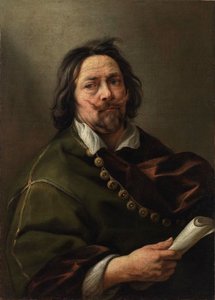
ヤコブ・ヨルダーンス
1593 - 1678 , ベルギー
アーティスト情報
- Artistic Movement Or Style: バロック
- Artists Or Movements Influenced By This Artist: ['ヤン・ステーン']
- Artists Who Influenced This Artist:
- ジャコポ・バスサノ
- パオロ・ヴェロネーゼ
- カラヴァッジョ
- Date Of Birth: 1593年5月19日
- Date Of Death: 1678年
- Full Name: ヤコブ・ヨルダーンス
- Nationality: フランドル人
- Notable Artworks:
- 羊飼いの礼拝
- アルゴスとメルクリウス
- Place Of Birth (City And Country): アントワープ、ベルギー
関連記事

Giclée Prints: Archival Quality & Aesthetic Nuances for the Discerning Collector
Explore the world of giclée prints with OriginalUniqueArt. Learn about archival quality, aesthetic nuances & investment potential. Expert guidance for discerning art collectors seeking museum-quality reproductions and lasting value.

Echoes of Time: Exploring the Enduring Appeal & Historical Context of Vintage Art Prints
Explore the captivating world of vintage art prints! Discover their history, collecting tips & enduring appeal. Expert insights on chromolithography and building a legacy collection with OriginalUniqueArt.
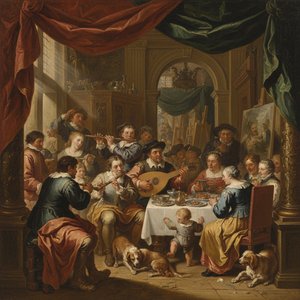
Jacob Jordaens: Baroque Dynamism & Genre Innovation of the Antwerp School
Discover Jacob Jordaens, a leading Flemish Baroque painter renowned for his dynamic compositions & realistic genre scenes. Explore his life, art, and lasting influence with OriginalUniqueArt.

The Visceral Stage: Exploring Dramatic Narratives & Emotional Intensity in Baroque Art
Explore the dramatic world of Baroque art! Discover iconic masters like Caravaggio & Rembrandt, their techniques, and the movement's lasting impact. Expert insights for collectors & enthusiasts at OriginalUniqueArt.

The Enduring Legacy of Fine Art Prints: Technique, History & Aesthetic Impact
Explore the rich history & techniques of fine art prints. Discover investment potential, assess authenticity, and learn how to preserve your collection with expert guidance. Trusted insights for discerning collectors.


