

 設置イメージを確認
 送る
送る シェア
シェア
 詳細情報
詳細情報 ガイドを表示

 画像をダウンロード
 似ている作品
 X線調査
X線調査 スライドショー
 統計情報
統計情報Dublin Evening
 Oil On Canvas
- WallArt
- Expressionism
 1946
1946 23.0 x 36.0 cm
 アシュモリアン美術館
 続きを読む
続きを読む
このページに掲載されている作品は著作権法によって保護されており、当社の許可なく同一の複製物を制作または販売することは法律で禁じられています。この保護は、以下のような国際条約に基づき執行されます。 ベルヌ条約 および、以下の条項に定められたものを含む各国の法律により、 米国著作権法 第17編。
この手法は、著作権で保護された作品の複製や複写を伴わないため、著作権法に完全に準拠しています。これは単なる模倣ではなく、創造的な再解釈です。元の作品からインスピレーションを受けつつも、それとは異なる、全く新しい絵画を生み出すものです。
ジークレー/アートプリント
スピーディーな制作と多彩な仕上げオプションが魅力の、ミュージアムクオリティなジークレー・キャンバスプリント。 ( 手描きの複製画を注文する デジタル画像販売へ切り替え)




P118B ¥10

P118H ¥10

P118W ¥10

P438Z ¥10

P508JH ¥12

P508YH ¥12

P805H ¥10

P805Z ¥10

P919BZ ¥10

P919G ¥10

P919XJ ¥10

P959ZH ¥10

P968JZ ¥12

W106C ¥8

W218G ¥10

W218JH ¥8

W218Y ¥10

W307PJ ¥10

W316G ¥10

W316PJ ¥8

W316Y ¥10

W398PJ ¥8

W4111J ¥10

W500HY ¥15

W500JH ¥15

W692G ¥12

W849H ¥8

W940BG ¥15

W953PJ ¥8




作品のオリジナル比率に合わせた、当店の規定サイズからお選びください。

額縁や壁のスペースに合わせて、ご希望の幅と高さを入力してください。プリントはカットすることは可能ですが、元の画像より大きくすることはできないため、異なる比率のサイズを選択された場合は、画像の一部が欠けることになります。印刷を開始する前に、内容を確認していただくためのデジタルモックアップをお送りいたします。このページに表示されている画像は、実際のカット後の状態を示すものではありません。実際の仕上がりはモックアップにてご確認ください。


 ガラスオプションは、110cm未満のサイズでのみご利用いただけます。

Dublin Evening
ジークレー/アートプリント
複製画サイズ一覧
-


合計金額
¥ 12604
Dublin Evening: A Portrait of Urban Solitude
Jack Butler Yeats’s “Dublin Evening,” painted in 1946, isn't merely a depiction of a street scene; it’s a poignant meditation on the quiet dignity and inherent loneliness of urban life. This oil painting, housed within the Ashmolean Museum in Oxford, captures a fleeting moment along St. Stephen’s Green, Dublin, rendered with Yeats’s signature blend of evocative realism and expressive abstraction. The work immediately draws the viewer into a scene populated by figures seemingly lost in their own thoughts – a cluster of men seated on benches, engaged in an unspoken ritual of observation. They are not grand heroes or dramatic characters; rather, they represent the everyday citizens of Dublin, quietly existing within the heart of the city.
Yeats’s style during this period is particularly compelling. He moved away from a purely illustrative approach, embracing a more gestural and emotionally charged technique. Notice how the paint itself seems to vibrate with energy – thick impasto strokes build up layers of color, creating a palpable sense of texture and movement. The figures are not sharply defined; instead, they’re suggested through loose brushwork and subtle shifts in tone, lending them an almost spectral quality. This deliberate ambiguity invites speculation about their individual stories and inner lives. The muted palette – dominated by blues, greens, and browns – reinforces the painting's melancholic mood, mirroring the subdued light of a late evening.
A Celtic Visionary: Context and Influences
To fully appreciate “Dublin Evening,” it’s crucial to understand Jack Butler Yeats’s broader artistic context. Born in London but deeply rooted in Irish culture, Yeats spent much of his life navigating the complexities of identity as an Anglo-Irish artist. His childhood experiences in Sligo profoundly shaped his work, imbuing it with a deep connection to the landscape and folklore of Ireland. He was heavily influenced by the Romantic movement, particularly its emphasis on emotion and the sublime beauty of nature – qualities he translated into his depictions of the Irish countryside.
However, Yeats’s artistic journey took an unexpected turn in the 1920s, as he embraced Expressionism. This shift is powerfully evident in “Dublin Evening.” He began to experiment with bolder colors, distorted forms, and a more direct approach to conveying emotion. His work became increasingly concerned with capturing the psychological states of his subjects – their anxieties, hopes, and vulnerabilities. The painting’s quiet intensity reflects this evolving artistic sensibility.
Symbolism and Narrative Resonance
The title itself, “Dublin Evening,” is laden with symbolic weight. It evokes a sense of transition, of twilight and reflection. The men on the benches can be interpreted as representatives of Dublin society – perhaps observing the city’s changing fortunes, contemplating their own place within it, or simply seeking solace in shared silence. The act of sitting together, yet remaining largely apart, speaks to the inherent isolation that can exist even amidst human connection.
There's a subtle nod to James Joyce’s “Ulysses,” which was published just a few years later. The painting shares with the novel a focus on the mundane details of everyday life and a sense of searching for meaning within the ordinary. The figures, like Bloom, are caught in a moment of contemplation, grappling with the complexities of existence. Yeats’s masterful use of light and shadow further enhances this narrative resonance, creating an atmosphere of mystery and intrigue.
A Legacy of Quiet Intensity
“Dublin Evening” stands as one of Jack Butler Yeats's most enduring works – a testament to his ability to capture the essence of human experience with remarkable sensitivity and skill. It’s not a painting that shouts for attention; rather, it invites quiet contemplation and rewards repeated viewing. Its understated beauty and profound emotional depth continue to resonate with audiences today, solidifying Yeats’s place as one of Ireland's most important artists.
よくあるご質問
Dublin Eveningは、ジャック・バトラー・イェイツのキャリアにおけるどの時期の作品にあたりますか?
「Dublin Evening」は、ジャック・バトラー・イェイツのMature Periodを象徴する作品です。
「Dublin Evening」に似た作品はありますか?
「Dublin Evening」に似た作品は、作品の似ている作品ページに掲載されています。
「Dublin Evening」において、技法と動きはどのように融合しているのでしょうか?
ジャック・バトラー・イェイツ作「Dublin Evening」は、Oil On Canvasの技法とExpressionismの様式を融合させた作品です。技法(テクニック)は制作手法を、様式(ムーブメント)はその作品のスタイルを表しています。
アーティストについて
アイルランドに深く根ざした生涯:ジャック・バトラー・イェイツの世界
1871年にロンドンで生まれたジャック・バトラー・イェイツは、単なる画家という枠には収まりきらない存在でした。彼は物語の語り手であり、キャンバスの上に詩を綴る詩人であり、そして近代美術の大きな潮流の中で響き渡った、唯一無二のアイルランドの声そのものでした。当初は、高名な詩人である弟のW.B.イェイツの影に隠れがちでしたが、ジャックはアイルランドの風景、人々、そして精神に深く根ざした、彼自身の芸術的アイデンティレンティティを切り拓いていきました。その歩みは、創造性に満ちた家族の中で始まりました。父ジョン・バトラー・イェイツもまた画家であり、幼いジャックに芸術への愛を植え付けました。しかし、彼の芸術的ビジョンを真に形作ったのは、スライゴで過ごした祖父母との幼少期でした。荒々しくも美しいアイルランドの田園風景、世代を超えて語り継がれる伝承、そしてそこに生きる人々の日常――これらは、彼の作品の織りなす布地の中に、永遠のテーマとして組み込まれていくことになります。当初はイラストレーターとしてのキャリアを歩み、『Boy's Own Paper』や『Judy』といった出版物に寄稿し、時にはペンネームを用いて漫画を描くなどして、観察眼と物語的な表現力を磨きました。この初期の経験が、後に彼の描く絵画にダイナミックで、時に演劇的とも言える質感を与えることになります。1894年にメアリー・コッテンハムと結婚し、ウィックロー州に拠点を構えた彼は、1906年頃から徐々にイラストレーションから油彩画へと転向していき、それが彼の芸術的発展における決定的な瞬間となりました。ロマン主義の残響から表現主義の炎へ
イェイツの初期の油彩画への挑戦は、抒情的なロマンティシズムに特徴づけられていました。それはアイルランドの風景画の伝統を彷彿とさせつつも、彼自身の個人的な感性が吹き込まれたものでした。これらの作品は、柔らかな光と穏やかな色彩に包まれた、田舎の静かな情景を描くことが多くありました。しかし、1920年頃、彼のスタイルは劇的な変貌を遂げます。ヨーロッパで勃興していた表現主義運動の影響を受け(彼はこの手法を独自に発展させましたが)、イェイツは写実的な正確さを捨て、剥き出しの感情や主観的な体験を伝えることを優先し始めました。キャンバスには、鮮やかで時に衝撃的な色彩、大胆な筆致、そして歪められた形態が溢れ出しました。この変化は単なる様式の変遷ではありませんでした。それは、政治的な激動と社会の変化に直した国家の不安や、近代生活の複雑さに対する、より深い関わりを反映していたのです。彼はただ「見たもの」を描いたのではありません。彼は「感じたこと」を描いたのです。風に吹かれる野原を駆ける馬、エネルギーに満ちあふれた賑やかなサーカス、喜びと哀愁の両方を体現する旅の役者たち――繰り返されるモチーフの数々は、孤独、苦しみ、強靭さ、そして意味の探求といった、人間存在の普遍的なテーマを探求するための手段となりました。アイルランドの生活の守護者、そしてオリンピックの栄光
イェイツの芸術的ビジョンの核心にあったのは、多面的な輝きを放つアイルランドの生活を描き出すという、揺るぎない献身でした。彼は牧歌的な理想郷や、ロマン主義化されたナショナリズムには関心がありませんでした。むしろ、彼が追い求めたのは、日々の暮らしの生々しい現実――普通の人々が直面する苦難、街角の活気、そして歴史と伝承に深く浸った国家の不屈の精神を捉えることでした。彼の絵画には、この強靭さを体現する人々が描かれています。労働者、音楽家、ギャンブルに興じる者、そして夢追い人たち。彼ら一人ひとりが、共感と心理的な深みを持って描き出されています。故郷へのこの献身は、国際的な舞台でも認められることとなりました。1924年のパリ・オリンピックにおいて、彼の作品『リフィー川のスイミング』(「水泳」として記録)が芸術・文化部門で銀メダルを獲得したのです。この輝かしい功績は、彼をアイルランドを代表する芸術家としてだけでなく、文化大使としての地位をも確固たるものにしました。彼の作品はオークションでもますます高値で取引されるようになり、その芸術的価値と評価の高まりを証明しています。例えば、『メイ州の晴れた日』のような作品は、2011年には100万ユーロを超える価格を記録しました。遺産と永続する影響力
ジャック・バトラー・イェイツは、20世紀のアイルランド美術における巨星として君臨しています。既存のカテゴリーを拒絶し、独自の道を切り拓いた芸術家でした。1916年には王立ハイバーニアン・アカデミーに選出され、アイルランドの芸術界における地位をさらに強固なものにしました。絵画にとどまらず、彼は多作な作家でもありました。『The Careless Flower』や『The Amaranthers』などの小説をはじめ、アビー劇場で上演された戯曲、そして洞察に満ちたエッセイを世に送り出しました。彼の意識の流れ(ストリーム・オブ・コンシャスネス)を用いた執筆スタイルは、ジェイムズ・ジョイスのような文学界の巨匠にさえ影響を与えました。キャリアを通じて、彼は謎めいた人物であり続けました。弟子を取ることも、制作過程を誰かに観察させることも拒み、自らの創造的な世界の親密さを激しく守り抜いたのです。批評家たちは、彼の作品とオーストリアの表現主義者オスカー・ココシュカとの間に共通の感情の強烈さと形態への実験性を見出し、比較を行ってきました。サミュエル・ベケットはイェロを「我々の時代の偉人」の一人と称賛し、ジョン・バージャーは彼を、未来に対する驚くべき感覚を備えた「偉大な画家」と讃えました。彼の遺産は、今なおアーティストたちにインスピレーションを与え続けています。それは、芸術には単に見えるものだけでなく、そこに「感じられるもの」――すなわち人間存在の本質そのものを捉える力があるのだということを、私たちに思い出させてくれるのです。- 誕生: イギリス、ロンドン(1871年)
- 没年: 1957年
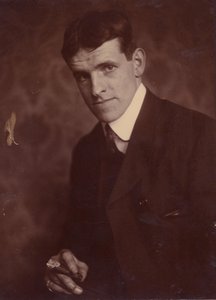
ジャック・バトラー・イェイツ
1871 - 1957 , イギリス
アーティスト情報
- Artistic Movement Or Style: 表現主義
- Artists Or Movements Influenced By This Artist: ['モダニズム']
- Artists Who Influenced This Artist: ['オスカー・ココシュカ']
- Date Of Birth: 1871年
- Date Of Death: 1957年
- Full Name: ジャック・バトラー・イェイツ
- Nationality: アイルランド人
- Notable Artworks:
- リフィー川のスイム
- メイヨーの祭典
- Place Of Birth: イギリス、ロンドン
関連記事

Watercolor Wonders: 10 Masterpieces That Redefined Art History | OriginalUniqueArt
Journey through 10 legendary watercolor masterpieces by Sargent, Turner & Homer! Explore iconic landscapes, portraits & floral art that redefined history. Find museum-quality reproductions and curated decor ideas at OriginalUniqueArt.com.

Ephemeral Visions: Exploring the Artistic Legacy & Contemporary Practice of Watercolor Painting
Explore the captivating world of watercolor painting! Discover its rich history, essential techniques, influential artists & collecting tips. A comprehensive guide for art enthusiasts from OriginalUniqueArt.

Ephemeral Visions: Exploring the History & Emotional Resonance of Watercolor Painting
Explore the captivating history of watercolor painting, from ancient techniques to modern masters like Kandinsky & Blake. Discover essential artists, collecting tips & the emotional power of this luminous medium. Expert insights for art enthusiasts.

Ephemeral Visions: Exploring the Artistic Legacy & Nuances of Watercolor Painting
Explore the captivating world of watercolor painting! Discover its rich history, essential techniques, influential artists & collecting tips from art experts. A comprehensive guide for enthusiasts.

水彩の永続的な魅力:歴史、技法、そして現代の実践
水彩画の歴史、技法、現代の実践を深く探求。巨匠たちの名画から初心者向けテクニックまで解説。OriginalUniqueArt.comでは高品質な複製画やカスタムポートレートをご提供します。アートコンサルテーションも受付中。