設置イメージを確認
 送る
送る シェア
シェア
 詳細情報
詳細情報 ガイドを表示

 画像をダウンロード
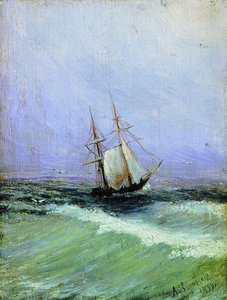
 似ている作品
 X線調査
X線調査 スライドショー
 統計情報
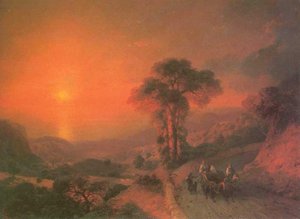
統計情報Oriental scene
 Oil On Canvas
- WallArt
- Romanticism
 1846
1846- 19th Century
 45.0 x 37.0 cm
 続きを読む
続きを読む
ジークレー/アートプリント
スピーディーな制作と多彩な仕上げオプションが魅力の、ミュージアムクオリティなジークレー・キャンバスプリント。 ( 手描きの複製画を注文する デジタル画像販売へ切り替え)




































作品のオリジナル比率に合わせた、当店の規定サイズからお選びください。

額縁や壁のスペースに合わせて、ご希望の幅と高さを入力してください。プリントはカットすることは可能ですが、元の画像より大きくすることはできないため、異なる比率のサイズを選択された場合は、画像の一部が欠けることになります。印刷を開始する前に、内容を確認していただくためのデジタルモックアップをお送りいたします。このページに表示されている画像は、実際のカット後の状態を示すものではありません。実際の仕上がりはモックアップにてご確認ください。


 ガラスオプションは、110cm未満のサイズでのみご利用いただけます。

Oriental scene
ジークレー/アートプリント
複製画サイズ一覧
-


合計金額
¥ 12603
Overview of "Oriental Scene" by Ivan Aivazovsky
This captivating painting, titled “Oriental Scene,” is a remarkable work by the renowned Russian Romantic artist Ivan Aivazovsky, created in 1846. It portrays a vibrant gathering of people set against the backdrop of Middle Eastern architecture, likely depicting a scene from Istanbul or another city within that region. The artwork exemplifies the Romantic style, characterized by its emphasis on emotion, imagination, and dramatic visual elements. It offers a glimpse into a historical moment, capturing the essence of daily life in a culturally rich urban setting.Painting Details & Technique
The painting measures 45 x 37 cm and is executed using oil paints on canvas. Aivazovsky’s masterful technique shines through in his meticulous attention to detail. At least thirteen individuals are depicted, some standing while others relax on benches or other surfaces, each rendered with distinct character. The artist skillfully employs chiaroscuro – the dramatic use of light and shadow – to create depth and volume within the scene. The composition is carefully balanced, drawing the viewer's eye through the arrangement of figures and architectural elements. Aivazovsky’s signature style involves a nuanced application of brushstrokes, creating a sense of texture in the fabrics, stonework, and surrounding environment. The color palette leans towards muted earth tones, punctuated by subtle hints of blue and green, contributing to the painting's overall warmth and intimacy.Artistic Style & Historical Context
Ivan Aivazovsky (1817-1900) was a celebrated master of marine art, though his talent extended beyond seascapes. "Oriental Scene" reflects the broader artistic trends of the 19th century, particularly Orientalism – a style that romanticized and often idealized depictions of Middle Eastern cultures. This movement was fueled by increased European interest in and exploration of the region. Aivazovsky’s ability to capture light and atmosphere was unparalleled; he used these elements not just for visual beauty but also to evoke specific moods and emotions. The painting's creation in 1846 places it within a period of significant political and social change, reflecting both the grandeur of the Russian Empire and its engagement with other cultures.Symbolism & Emotional Impact
Beyond its aesthetic appeal, "Oriental Scene" carries symbolic weight. The gathering of people suggests themes of community, leisure, and cultural exchange. The architecture—the building with a large dome and the receding cityscape featuring minarets—grounds the scene in a specific geographical and historical context. The soft, diffused lighting creates a sense of tranquility and nostalgia, inviting viewers to contemplate a bygone era. Aivazovsky’s work evokes feelings of warmth, curiosity, and perhaps even a touch of melancholy, reflecting the Romantic movement's fascination with emotion and the sublime. The painting serves as a window into a different world, prompting reflection on cultural diversity and the shared human experience.Legacy & Reproductions
Ivan Aivazovsky left behind an impressive legacy, creating approximately 6,000 paintings throughout his career. "Oriental Scene" stands as a testament to his skill and artistry. Today, high-quality handmade oil painting reproductions of this artwork are available, allowing art enthusiasts and collectors to appreciate its beauty in their own homes or spaces. These reproductions faithfully recreate the original's details and color palette, offering an accessible way to experience Aivazovsky’s vision.よくあるご質問
アイヴァゾフスキー作「Oriental scene」は、どの芸術運動、およびどの時代に位置づけられますか?
アイヴァゾフスキー作「Oriental scene」は、作者の19世紀という時代における、Romanticismのムーブメントに位置づけられます。
「Oriental scene」は、アイヴァゾフスキーの制作活動におけるどの時期の作品にあたりますか?
「Oriental scene」は、アイヴァゾフスキーのキャリアにおけるMature Periodに属します。この分類は、作品をアーティストの画業の変遷に関連付けるものです。
「Oriental scene」のガイドはどこにありますか?
アイヴァゾフスキー作「Oriental scene」のガイドページでは、印刷して活用できる2枚構成のファクトシートを提供しています。これには、作品とその詳細情報をまとめたデータテーブル、アーティストの生涯における時代背景を示す年代チャート、同アーティストによる他の作品、測定されたカラーパレット、そしてそのままコピーして使用できる4つの形式の引用文献情報が含まれています。
アーティストについて
Ivan Konstantinovich Aivazovsky (Hovhannes Aivazian): Embodies the Romantic Spirit of the Sea
Ivan Konstantinovich Aivazovsky, born Hovhannes Aivazian in 1817, was more than just a painter; he was inextricably linked to the soul of the Black Sea—a vast expanse that would dominate his artistic vision and propel him to unparalleled fame. His existence seemed to unfold alongside its turbulent currents, mirroring its unpredictable beauty and inherent danger. Born in Feodosia, Crimea – a city he would spend much of his life inhabiting – Aivazovsky possessed an innate connection to the sea that transcended mere observation; it was felt deeply within his artistic sensibility. This formative influence began early on, nurtured by architect Jacob Koch who recognized his prodigious talent and solidified by the rigorous academic training afforded him at Saint Petersburg’s Imperial Academy of Arts. Yet, formal education alone couldn't fully capture the essence of Aivazovsky’s understanding; it was the ceaseless wind whipping across the Black Sea shore and the cries of gulls circling overhead that truly sculpted his artistic spirit.Early Life and Artistic Foundations
Hovhannes Aivazian’s Armenian heritage played a crucial role in shaping his worldview and informing his artistic pursuits. Baptized at St. Sargis Armenian Church in Feodosia, he maintained strong ties to his cultural roots throughout his life—occasionally incorporating Armenian motifs into his expansive oeuvre. From humble beginnings, fueled by unwavering determination and supported by the patronage of influential figures like Czar Nicholas I, Aivazovsky ascended to become one of Russia’s most celebrated artists. His formative years were marked by a fascination with European art movements, particularly Romanticism – an aesthetic that championed emotion, imagination, and the sublime grandeur of nature—influences evident in his stylistic choices and thematic explorations. The Imperial Academy instilled in him meticulous technique and fostered a disciplined approach to artistic creation, equipping him with the tools necessary for achieving mastery over his medium.The Rise of a Naval Painter: Patronage and Artistic Transformation
A pivotal moment arrived when Aivazovsky was appointed official painter of the Russian Navy—a position that granted him unparalleled access to maritime life, naval battles, and firsthand observation. This wasn’t merely an honorific title; it was transformative – providing him with invaluable material for his art and cementing his reputation as a visionary artist. He became intimately acquainted with the daily rhythms of seafaring existence, immersing himself in the sights, sounds, and smells of shipyards and naval maneuvers. These experiences profoundly impacted his artistic perspective, fueling his passion for depicting dramatic scenes of maritime heroism and conveying the raw power of the ocean. The patronage of the Imperial family further bolstered his career, affording him considerable financial stability and allowing him to dedicate himself entirely to his craft.A Master of Romantic Seascapes: Style and Technique
Aivazovsky’s artistic style is instantly recognizable for its dramatic compositions, masterful use of color, and evocative rendering of atmospheric effects—characteristics firmly rooted in the Romantic movement. He excelled at capturing the sublime beauty of nature, particularly the turbulent seascapes that defined his oeuvre. His technique involved painstaking attention to detail, employing thin layers of paint to achieve luminous textures and conveying a palpable sense of dynamism. Like Turner before him, Aivazovsky sought to evoke emotion rather than simply documenting reality—capturing not just what he saw but what he felt when confronted with the immensity and majesty of the ocean. His paintings are characterized by bold brushstrokes, vibrant hues, and dramatic lighting—elements that contribute to their enduring power and beauty. Notable works include *The Ninth Wave*, a harrowing depiction of shipwreck survivors battling colossal waves—a testament to his ability to convey terror and resilience simultaneously. ## Legacy and Enduring Influence Ivan Konstantinovich Aivazovsky remains one of Russia’s most revered artists—a figure whose influence extends far beyond the realm of painting. His prolific output – approximately 6,000 canvases—established him as a titan among his contemporaries and cemented his place in art history. He profoundly impacted subsequent generations of Russian painters, inspiring them to embrace Romantic ideals and explore the expressive potential of landscape painting. Beyond artistic achievement, Aivazovsky’s unwavering dedication to his craft embodies the spirit of perseverance and ambition—a legacy that continues to resonate with audiences worldwide. His paintings are exhibited in museums across continents, captivating viewers with their breathtaking beauty and conveying a timeless message about humanity's relationship with nature. He is remembered not only for his artistic brilliance but also for his patriotic fervor – celebrating Russian naval victories and bolstering national pride. Aivazovsky’s enduring fame testifies to the power of art to transcend time and inspire awe—a testament to the genius of a man who truly understood how to capture the soul of the sea.
アイヴァゾフスキー
1817 - 1900 , ロシア
アーティスト情報
- Artistic Movement Or Style: ロマン主義、海洋美術
- Artists Or Movements Influenced By This Artist: ['ロシア風景画']
- Artists Who Influenced This Artist: ['J.M.W. トゥルナー']
- Date Of Birth: 1817年7月29日
- Date Of Death: 1900年4月2日
- Full Name: Ivan Konstantinovich Aivazovsky
- Nationality: ロシア・アルメニア人
- Notable Artworks:
- 第九の波
- 嵐の中の船
- 海の満月
- Place Of Birth: フェオドシア、ロシア帝国
関連記事
Ivan Aivazovsky: Mastering Light & Emotion in 19th-Century Marine Painting
Explore the captivating world of Ivan Aivazovsky, a master of 19th-century marine painting. Discover his techniques, iconic artworks & lasting legacy in this expert guide.

Beyond Exoticism: Unveiling the Complex Legacy of Orientalist Painting
Explore the fascinating & complex world of Orientalist painting! Discover its history, key artists like Gérôme & Lewis, and Edward Said's influential critique. Uncover nuance beyond stereotypes with OriginalUniqueArt.
The Allure of the Horizon: A Comprehensive Exploration of Seascape Art Through History & Emotion
Explore the captivating world of seascape art! Discover its history, key artists & movements – from Dutch Masters to Impressionism. Expert insights for collectors and enthusiasts at OriginalUniqueArt.

The Alluring Gaze: Orientalism in 19th-Century Art – Representation, Reception & Construction of the 'Orient'
Explore the complex history of Orientalism in 19th-century art. Discover how Western artists depicted the 'Orient,' its cultural impact, and Edward Said's critical analysis. A deep dive for art lovers & historians.

Alfred East: Pioneering Plein Air & Evoking Atmospheric Landscapes
Explore the life & work of Alfred East, a pioneer of British plein air painting. Discover his techniques for capturing atmospheric landscapes, Barbizon influences, and lasting legacy. Learn more at OriginalUniqueArt.