

 設置イメージを確認
 送る
送る シェア
シェア
 詳細情報
詳細情報 ガイドを表示

 画像をダウンロード
 似ている作品
 X線調査
X線調査 スライドショー
 統計情報
統計情報Oaklets
 Oil On Canvas
- WallArt
- Russian Landscape
 1886
1886 37.0 x 62.0 cm
 トレトヤコフ美術館
 続きを読む
続きを読む
ジークレー/アートプリント
スピーディーな制作と多彩な仕上げオプションが魅力の、ミュージアムクオリティなジークレー・キャンバスプリント。 ( 手描きの複製画を注文する デジタル画像販売へ切り替え)




P118B ¥10

P118H ¥10

P118W ¥10

P438Z ¥10

P508JH ¥12

P508YH ¥12

P805H ¥10

P805Z ¥10

P919BZ ¥10

P919G ¥10

P919XJ ¥10

P959ZH ¥10

P968JZ ¥12

W106C ¥8

W218G ¥10

W218JH ¥8

W218Y ¥10

W307PJ ¥10

W316G ¥10

W316PJ ¥8

W316Y ¥10

W398PJ ¥8

W4111J ¥10

W500HY ¥15

W500JH ¥15

W692G ¥12

W849H ¥8

W940BG ¥15

W953PJ ¥8




作品のオリジナル比率に合わせた、当店の規定サイズからお選びください。

額縁や壁のスペースに合わせて、ご希望の幅と高さを入力してください。プリントはカットすることは可能ですが、元の画像より大きくすることはできないため、異なる比率のサイズを選択された場合は、画像の一部が欠けることになります。印刷を開始する前に、内容を確認していただくためのデジタルモックアップをお送りいたします。このページに表示されている画像は、実際のカット後の状態を示すものではありません。実際の仕上がりはモックアップにてご確認ください。


 ガラスオプションは、110cm未満のサイズでのみご利用いただけます。

Oaklets
ジークレー/アートプリント
複製画サイズ一覧
-


合計金額
¥ 12586
The Soul of the Russian Forest: Unveiling Ivan Shishkin’s “Oaklets”
“Oaklets,” painted in 1886 by Ivan Ivanovich Shishkin, isn't merely a landscape; it’s a profound meditation on nature’s enduring strength and the quiet rhythms of rural life. Housed within the esteemed Tretyakov Gallery in Moscow, this oil-on-canvas masterpiece offers a glimpse into the meticulous observation and deeply felt connection that defined Shishkin’s artistic legacy. More than just depicting trees, he captures an atmosphere—a sense of timelessness and serene contemplation rooted firmly in the heart of Russia.
Shishkin's approach was fundamentally analytical. He rejected romanticized notions of nature, instead meticulously studying its forms and textures through countless hours of observation. This dedication to scientific accuracy is evident in the remarkably detailed rendering of each leaf, branch, and furrow on the ancient oaks dominating the scene. His technique—a hallmark of his style—involved layering thin glazes of paint, building up color gradually to achieve a luminous quality and an almost palpable sense of depth. The interplay of light and shadow, particularly during the dappled sunlight filtering through the canopy, is executed with breathtaking precision, creating a dynamic visual experience.
A Symphony of Texture and Light
The painting’s composition draws the eye into a carefully constructed space. A prominent, mature oak tree anchors the foreground, its gnarled branches reaching skyward like ancient arms. Surrounding it are younger oaks, scattered throughout the background, establishing a sense of depth and layering that mimics the natural distribution of trees in a forest. Notice how Shishkin doesn’t simply paint the trees; he renders their textures—the rough bark, the delicate veins of leaves, the subtle variations in color – with an almost tactile quality. The artist masterfully uses broken brushstrokes to suggest movement within the foliage and create a sense of airiness.
Beyond the trees themselves, Shishkin subtly introduces elements of rural life. A small group of horses graze peacefully near the center, while two cows are positioned closer to the right side of the canvas. These animals aren’t merely decorative; they represent a harmonious relationship between humanity and nature—a testament to the sustainable practices that were integral to Russian peasant life. The inclusion of these figures adds a layer of narrative complexity, inviting viewers to contemplate the interconnectedness of all living things.
Symbolism in the Heartwood
The oak tree itself carries profound symbolic weight within Russian folklore and tradition. It’s often associated with strength, resilience, longevity, and wisdom—qualities deeply admired in the Russian character. In “Oaklets,” the ancient oaks stand as silent witnesses to centuries of change, embodying a sense of continuity and permanence. The painting can be interpreted as an ode to the enduring power of nature and its ability to provide solace and inspiration.
Furthermore, Shishkin’s choice of subject matter—a quiet forest scene—reflects a broader shift in Russian art during the late 19th century. Following the emancipation of serfs in 1861, there was a growing interest in depicting the lives and landscapes of ordinary people. Shishkin's work exemplifies this trend, offering a nuanced portrayal of rural Russia that resonated deeply with audiences.
Bringing “Oaklets” Home: A High-Quality Reproduction
Owning a reproduction of “Oaklets” is more than simply acquiring a beautiful image; it’s bringing a piece of Russian art history into your home. Reproductions, meticulously crafted by skilled artists using the same techniques as Shishkin himself, capture the essence of the original painting with remarkable fidelity. The rich colors, intricate details, and evocative atmosphere are faithfully reproduced on high-quality canvas, creating a stunning addition to any interior space.
Consider this artwork not just as decoration, but as a portal—a window into the soul of the Russian forest and the artistic vision of Ivan Shishkin. It’s an investment in beauty, history, and a timeless connection with nature.
よくあるご質問
「Oaklets」の閲覧数はどのくらいですか?
「Oaklets」には、専用の統計情報ページがあります。このページでは、その作品およびアーティストの他の作品の月間訪問者数を、国別・言語別の内訳とともにグラフで表示しています。
「Oaklets」はどの様式に属していますか?
イワン・イヴァノヴィッチ・シシキン作「Oaklets」はRussian Landscapeに属しています。このムーブメントは、本作の様式的な背景を形作るものです。
イワン・イヴァノヴィッチ・シシキン作「Oaklets」の全体的な雰囲気はどのようなものですか?
イワン・イヴァノヴィッチ・シシキン作「Oaklets」は、その情緒においてCalmと表現されます。この分類は、作品を空間やシーンに合わせる際の手助けとなります。
アーティストについて
Ivan Ivanovich Shishkin: The Soul of the Russian Forest
Ivan Ivanovich Shishkin (1832-1898) was a monumental figure in Russian landscape painting, revered for his unparalleled ability to translate the profound beauty and spirit of Russia’s forests into breathtaking canvases. Born in Yelabuga, Vyatka Governorate—a region known for its rich timber resources—Shishkin's formative years instilled within him an unwavering fascination with the natural world, a passion that would propel him to become one of the foremost practitioners of realism and a pivotal contributor to the *Peredvizhniki* movement.Early Years and Academic Foundations
Shishkin’s artistic journey commenced at Kazan Gymnasium, where he honed his intellectual curiosity alongside developing foundational skills in observation and drawing—skills that would prove invaluable during his subsequent studies at Moscow School of Painting, Sculpture and Architecture (1856-1860). However, it was his enrollment at Saint Petersburg Imperial Academy of Arts (1860-1865) that truly cemented his artistic trajectory. Under the tutelage of luminaries like Ilya Repin and Vasily Polenov, Shishkin mastered techniques of tonal painting and compositional arrangement—skills honed with meticulous discipline and fueled by an unwavering desire to capture the essence of visual experience. His diploma work—a monumental depiction of an oak forest—established him as a prodigious talent and secured his place among Russia’s artistic elite.The Wanderers: Embracing Realism Beyond Academia
Shishkin's artistic convictions diverged sharply from the prevailing academic dogma, aligning instead with the ideals championed by the *Peredvizhniki*, or Wanderers. Dissatisfied with the idealized portrayals favored by official art institutions, Shishkin joined forces with fellow artists—Repin, Polenov, Lev Petrovich Tolstoy—to forge a path toward artistic independence and social engagement. This movement prioritized depicting life as it unfolded in rural Russia—often confronting societal injustices and celebrating the dignity of peasant labor—a stance that resonated deeply with Shishkin’s humanist sensibilities. He sought to convey not merely visual splendor but also emotional truthfulness, mirroring the profound connection between humanity and the natural environment.Iconic Landscapes: Capturing Russia's Essence
Shishkin’s artistic output yielded a remarkable corpus of paintings—each imbued with an extraordinary level of detail and expressive power—that have become enshrined in Russian cultural heritage. Morning in a Pine Forest, arguably his most celebrated masterpiece—a collaborative effort with Konstantin Savitsky—captures the ethereal glow of dawn illuminating towering pines—a scene rendered with breathtaking precision and infused with symbolic resonance: the forest embodying Russia’s strength and resilience. Similarly, A Rye Field—executed during Shishkin's prolific period—depicts a vast expanse of golden wheat under an expansive sky—a testament to his masterful command of atmospheric perspective and his ability to convey the grandeur of the Russian plains. Furthermore, Rain in an Oak Forest exemplifies Shishkin’s virtuoso handling of tonal painting—creating a mood of solemn beauty as raindrops cascade upon oak branches—demonstrating his profound understanding of artistic expression.Legacy and Enduring Influence
Ivan Ivanovich Shishkin passed away on March 20, 1898, leaving behind an indelible mark on Russian art history. His unwavering commitment to realism—coupled with his profound empathy for the human condition—established him as a towering figure among his contemporaries and secured his place as one of Russia’s greatest landscape painters. Shishkin's paintings continue to inspire artists worldwide—a testament to his artistic genius and his enduring contribution to the visual arts. His legacy extends beyond the realm of art, informing scientific research into forest ecology and serving as a poignant reminder of humanity’s symbiotic relationship with the natural world. He remains an exemplar of artistic integrity and unwavering devotion to portraying Russia's soul—a painter whose vision continues to captivate audiences across generations.
イワン・イヴァノヴィッチ・シシキン
1832 - 1898 , ロシア
アーティスト情報
- Artistic Movement Or Style: 写実主義、ペレドビズニキ運動
- Artists Who Influenced This Artist: ['コンスタンティン・サヴィツキー']
- Date Of Birth: 1832年1月25日
- Date Of Death: 1898年3月20日
- Full Name: Ivan Ivanovich Shishkin
- Nationality: ロシア
- Notable Artworks: ['朝の松林」、「麦畑」、「雨中のオーク林']
- Place Of Birth: エラブーガ、ヴィャツカ州
関連記事
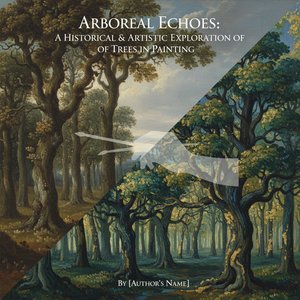
Arboreal Echoes: A Historical & Artistic Exploration of Trees in Painting
Explore the rich history of trees in painting! Discover symbolism, Romantic masterpieces by Caspar David Friedrich & beyond. A curated journey for art enthusiasts.

ロマン派ランドスケープ:時代を彩る巨匠の10選|アートとインテリアの世界
ロマン派絵画の時代を彩る10選。巨匠たちの風景が織りなす感動の世界へ。ターナー、ルーベンスなど、名作の裏話と高精細複製でアートをお部屋に。OriginalUniqueArt.comで至福のアート体験を。

Ivan Bilibin: A Synthesis of Folklore, Modernism & National Identity in Russian Illustration
Explore the enchanting world of Ivan Bilibin, a master Russian illustrator who synthesized folklore, Art Nouveau & national identity. Discover his iconic fairy tale illustrations and legacy with OriginalUniqueArt.
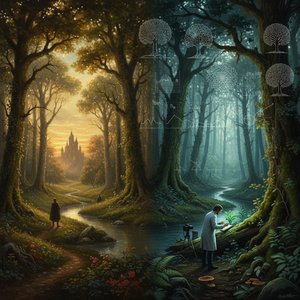
The Enchanted Canopy: Exploring Forests in Art History – From Romantic Idealization to Ecological Consciousness
Explore the rich history of forests in art! Discover Romantic masterpieces by Friedrich & Monet, Symbolist depths, and contemporary visions. Find inspiration & quality reproductions at OriginalUniqueArt.

Arboreal Echoes: A Historical & Artistic Exploration of Trees in Painting
Explore the rich history of trees in painting! Discover symbolism, Romantic masterpieces by Caspar David Friedrich & beyond. A curated journey for art enthusiasts.
