

 設置イメージを確認
 送る
送る シェア
シェア
 詳細情報
詳細情報 ガイドを表示

 画像をダウンロード
 似ている作品
 X線調査
X線調査 スライドショー
 統計情報
統計情報Cairo at Night

 続きを読む
続きを読む
オンラインプレビューをはるかに凌ぐ、高解像度で鮮明なデジタル画像をご購入いただけます。
各ファイルは、社内の専門家が高度なツールと熟練した手作業によるレタッチを駆使し、細心の注意を払って仕上げています。すべての画像において、卓越した鮮明度、正確な色彩再現性、そして繊細なディテールをお約束いたします。
最終ファイルは、プロフェッショナルな編集・印刷環境ですぐにご利用いただけるよう最適化された状態で、72時間以内にメールにてお届けいたします。これは、一流のデザインスタジオ、出版社、ギャラリーから信頼されているものと同等の品質です。
デジタル画像
個人での鑑賞、印刷、クリエイティブなプロジェクトにご利用いただける高解像度ファイルをダウンロードできます。 ( プリント版に切り替え 手描きの複製画を注文する)
デジタル画像のご注文に付随する特典
プロフェッショナルなデジタル配信を、確かな品質で。
OriginalUniqueArt.com を選ぶことは、単に画像を手に入れることではありません。プロの手によって精密に仕上げられ、満足保証が付いた高品質なデジタルアートワークを受け取ることを意味します。ご注文いただいた際に自動的に付随する内容は、以下の通りです:

メールですぐにお届け
ご注文から72時間以内に、高解像度のデジタル画像ファイルをメールでお送りいたします。お手元に届き次第、すぐにご利用いただけます。

AI技術で最適化されたデジタルファイル
お客様の作品は、高度なAI技術と専門家による手作業を組み合わせてプロフェッショナルに最適化されており、細部のディテール、鮮明さ、そして正確な色再現性を最大限に引き出しています。

一生涯無料の再送サービス
ファイルを誤って削除したり、紛失してしまったりしましたか?ご安心ください。いつでも無料で再送いたします。

輸入手数料は、いつでも一切かかりません
関税や手数料、配送料を気にすることなく、お気に入りのアートワークをすぐにお楽しみいただけます。デジタルダウンロードは常に免税です。

正確な色彩の保証
プロ仕様のツールとカラーマネジメント技術を用いることで、デジタル画像が元の色を最大限に忠実に再現することを保証いたします。

100日間満足保証
ご購入いただいたデジタル画像にご満足いただけない場合は、100日以内であれば、理由を問わず修正または100%の返金対応をさせていただきます。

100% 返金保証
ご満足いただけない場合は、デジタルファイルを受け取ってから100日以内であれば、理由を問わず全額返金いたします。

まとめ買い割引
3枚購入で10%OFF、5枚購入で15%OFF、10枚以上のご購入で20%OFF。クリエイティブなプロジェクトやギャラリー、エージェンシーに最適です。
A Nocturnal Vision: Exploring Ivan Fodorovich Choultsé's "Cairo at Night"
Ivan Fedorovich Choultsé’s “Cairo at Night” offers a captivating glimpse into the heart of an ancient city bathed in the ethereal glow of moonlight and starlight. This evocative painting transcends mere representation, inviting viewers to experience the quiet mystery and subtle drama of a desert settlement under the vast expanse of the night sky. The artwork's enduring appeal lies not only in its technical skill but also in its ability to evoke a sense of solitude, journey, and timelessness.
Subject & Style: Realism Meets Impressionistic Mood
The painting depicts a scene within what appears to be an arid or desert landscape, likely representing a village or settlement near Cairo. The composition is dominated by rough-hewn stone buildings, silhouetted palm trees reaching towards the dark sky, and figures clad in white garments moving purposefully toward the viewer. Choultsé’s style blends elements of realism with an impressionistic treatment. While architectural forms are clearly defined through careful use of lines and perspective, the overall effect prioritizes mood and atmosphere over precise detail. The geometric shapes – rectangular buildings, rounded palm trunks, and simplified human figures – contribute to a sense of order within the nocturnal scene. The visible brushwork and textured surfaces suggest an oil painting technique, adding depth and materiality to the image.
Technique & Historical Context: Arctic Influences and Artistic Lineage
“Cairo at Night” showcases Choultsé’s mastery of light and shadow, creating a dramatic nocturnal atmosphere. The strong contrasts highlight key elements while enveloping the scene in an overall sense of mystery. Choultsé's artistic journey was significantly shaped by his mentors, Constantin Jakovlevich Kryzhitsky, Arkhip Ivanovich Kuindzhi, and Alexander Calame. Notably, Choultsé’s travels to Spitzbergen with Kryzhitsky profoundly influenced his landscape painting style, imbuing it with a sensitivity to light and atmosphere reminiscent of Arctic scenes. While this work depicts a distinctly different locale than his arctic landscapes, the same attention to capturing atmospheric effects is evident. The early 20th-century setting reflects a period when artists were increasingly exploring realism while embracing impressionistic techniques to convey emotional depth.
Symbolism & Emotional Impact: Solitude and the Journey
Beyond its visual appeal, “Cairo at Night” carries subtle symbolic weight. The figures moving towards the viewer suggest a sense of journey or pilgrimage, perhaps representing a spiritual quest or a search for something beyond the immediate surroundings. The isolation of the settlement under the vast starry sky evokes feelings of solitude and introspection. The muted color palette and dramatic lighting contribute to an overall mood of quiet contemplation. Viewers are invited to reflect on themes of human resilience, the passage of time, and the enduring beauty of the natural world. This painting isn't just a depiction of a place; it’s an exploration of the human condition within a timeless landscape.
A Timeless Addition: Bringing "Cairo at Night" into Your Space
“Cairo at Night” is more than just a beautiful image; it’s a window into another time and place, offering a moment of quiet reflection. A hand-painted reproduction allows you to experience the artistry and emotional depth of Choultsé's work firsthand, bringing a touch of timeless elegance and captivating atmosphere to any interior space. Whether displayed in a living room, study, or bedroom, this painting is sure to spark conversation and inspire contemplation.
アーティスト・プロフィール
光と北極リアリズムの巨匠
イヴァン・フェドロヴィチ・チョウルセは、ロシア風景画の歴史において類まれなる存在として君臨しています。彼は、光という移ろいゆく儚い性質を、永遠に続く息を呑むような現実へと昇華させる稀有な才能を備えたヴィルトゥオーゾでした。1874年、ドイツ系の家系にサンクトペテルブルクで生まれた彼の若き日は、画家の道とは程遠いものでした。当初、彼は電気工学という厳格な学問の道を歩んでいたのです。しかし、その技術的な基盤の底には、自然界に対する絶え間なく膨らみ続ける情熱が秘められていました。科学的な精密さと芸術的な感性という、この独自の交差点こそが後に彼のスタイルの真骨頂となり、地球の空気感の微細なニュアンスを、まるで写真のような正確さで、それでいて生命力に満ちたものとして捉えることを可能にしたのです。
チョウルセのキャリアの軌道は、彼が30歳の時、初期の風景画の習作を名高いコンスタンチン・ヤコヴレヴィチ・クリジツキーに提示したことで劇的に変化しました。ロシア美術アカデミーの著名なメンバーであったクリジツキーは、この若き才能の中に眠る深い潜在能力を見抜き、若い技術者に正式な芸術訓練を受けるよう促しました。この師弟関係のもと、チョウルセは独学による実験の域を超え、大気遠近法の原理や、アルヒップ・イヴァノヴィチ・クインジのような巨匠たちが提唱した感情的な深みを吸収していきました。彼は単に景色を描写する術を学んだのではなく、影、霧、そして輝きが織りなす繊細な相互作用を通じて、風景の魂そのものを捉える術を身につけたのです。
崇高なるものへの遠征
チョウルセの作品群における決定的な時代は、1910年、北極圏のスピッツベルゲン諸島への変革的な遠征を経て始まりました。師であるクリジツキーと共に旅をしたチョウルセは、北極の荒々しくも畏怖を感じさせる威厳に直面しました。この経験が、北極リアリズムの先駆者としての彼の名声を不動のものとしたのです。ダツキー島やメドヴェジイ島といった島々の、荒涼としていながらも壮大な景色は、彼の主要なミューズとなりました。これらの作品において、画家は驚くべき偉業を成し遂げました。凍てつくような寒さと、氷河風景の水晶のような透明度を極めて緻密に描き出したことで、観る者は北極の空気の清冽さを、あたかも肌で感じることができるほどなのです。
彼の卓越した技量は、北極の凍てつく領域を遥かに超えて広がっていました。チョウルセは、陽光降り注ぐスイス・アルプス、フランス田園地帯の瑞々しい緑、そして遠き異国の情緒豊かな夜の神秘の中に、等しく美を見出すことができる多才な眼を持っていました。光を操る彼の能力――それは、穏やかな川面に反射する夕日の温かな黄金色の輝きであれ、カイロのような古都を包み込む幻想的な銀色の月光であれ――は、地理的に特定の場所を描きながらも、普遍的な感情を呼び起こす作品を生み出すことを可能にしました。この技術的な精緻さは彼に絶大な名声をもたらし、ロシア皇帝の宮廷から愛される存在となり、後にパリやニューヨークの権威あるサロンにおいても称賛を浴強することとなったのです。
光り輝くリアリズムの遺産
イヴァン・チョウルセの歴史的な意義は、厳格なリアリズムと詩的な印象主義の間の溝を埋めたその能力にあります。彼の主題は自然界の確かな現実に根ざしていましたが、その表現には単なる記録を超越した、驚嘆の念が吹き込まれていました。彼の絵画は、探検と発見に満かなった失われた時代への窓であり、時代を超越しながらも、強烈な「現在」を感じさせる風景を捉えています。
チョウルセが残した不朽の影響を振り返る際、その芸術的アイデンティティを支える以下の柱に注目することができるでしょう。
今日においても、チョウルセの作品は、その景色に見出される深い静寂を渇望するコレクターたちから、極めて高い人気を誇っています。彼は今もなお、崇高(サブライム)の巨匠であり続けています。単に世界がどう見えるかを描いたのではなく、光という変容をもたらす手触りによって、世界がどのように感じられたかを描き出した芸術家なのです。
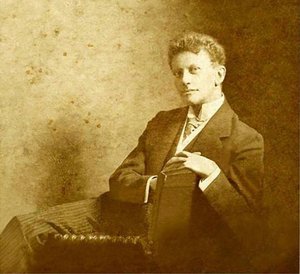
イワン・フェドロヴィチ・チョルテ
1875 - 1932 , ロシア
略歴
- Artistic Movement Or Style: 写実主義的な風景画
- Artists Or Movements Influenced By This Artist: ['帝政ロシア美術']
- Artists Who Influenced This Artist:
- コンスタンチン・クリジツキー
- アルヒプ・クインジ
- アレクサンドル・カラーム
- Date Of Birth: ロシア、サンクトペテルブルク (1875年)
- Date Of Death: 1932年
- Full Name: イヴァン・フェドロヴィチ・チョルツェ
- Nationality: ロシア
- Notable Artworks:
- 夕日と川
- シャモニー、オート=サヴォワの1月
- 夜のカイロ
- Place Of Birth: サンクトペテルブルク