Text size

() ·

A painting made for you, by hand

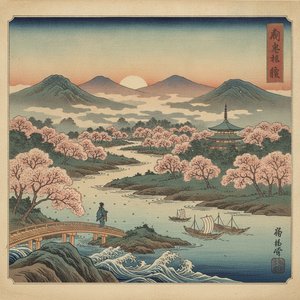
Six Poetic Immortals

手描き油彩複製画

当社のアーティストが、ご希望のサイズと額縁に合わせてキャンバスに手描きで制作する、オーダーメイドの油彩画です。 ( プリント版に切り替え デジタル画像販売へ切り替え)

作品解説

アーティストの略歴

江戸時代の革命的な画家、伊藤若冲(1716-1800)をご紹介します。鮮やかな花鳥画、独自の視点、禅宗の影響で知られ、日本美術を再構築した「奇想」の巨匠として称えられています。

from ·

Chapter 1

How large should it be?

Slide to change the size; the picture on the left shows the frame at its real width. The proportions of the original are kept.

標準サイズ
オーダーメイド
CM
INCH

作品のオリジナル比率に合わせた、当店の規定サイズからお選びください。

横幅
高さ

フレームや壁のスペースに合わせて、ご希望の幅と高さを入力してください。本作品は手描きのため、異なる比率のサイズをご希望の場合、絵画の周囲を少し広げて描くか、あるいは端を少しカットして調整することが可能です。お客様のご要望に合わせます。制作を開始する前に、仕上がりを確認するためのデジタルモックアップをお送りいたします。このページに表示されている画像は完成品の実物ではなく、あくまでモックアップによるイメージです。

Chapter 2

How should it arrive?

Choose the edges of the stretched canvas

Choose your frame

Corner sample of the WhiteWrap canvas edge finish, stretched on 無垢材 bars
White ¥1
Corner sample of the BlurSideWrap canvas edge finish, stretched on 無垢材 bars
Blurside ¥1
Corner sample of the ExtendedWrap canvas edge finish, stretched on 無垢材 bars
Extended ¥1
Corner sample of the P118B picture frame: 成型ポリスチレン, 5 cm wide and 3 cm thick
P118B ¥10
Corner sample of the P118H picture frame: 成型ポリスチレン, 5 cm wide and 3 cm thick
P118H ¥10
Corner sample of the P118W picture frame: 成型ポリスチレン, 5 cm wide and 3 cm thick
P118W ¥10
Corner sample of the P438Z picture frame: 成型ポリスチレン, 5.5 cm wide and 3.5 cm thick
P438Z ¥10
Corner sample of the P508JH picture frame: 成型ポリスチレン, 7 cm wide and 3.5 cm thick
P508JH ¥12
Corner sample of the P508YH picture frame: 成型ポリスチレン, 7 cm wide and 3.5 cm thick
P508YH ¥12
Corner sample of the P805H picture frame: 成型ポリスチレン, 5 cm wide and 3.5 cm thick
P805H ¥10
Corner sample of the P805Z picture frame: 成型ポリスチレン, 5 cm wide and 3.5 cm thick
P805Z ¥10
Corner sample of the P919BZ picture frame: 成型ポリスチレン, 7 cm wide and 3.5 cm thick
P919BZ ¥10
Corner sample of the P919G picture frame: 成型ポリスチレン, 7 cm wide and 3.5 cm thick
P919G ¥10
Corner sample of the P919XJ picture frame: 成型ポリスチレン, 7 cm wide and 3.5 cm thick
P919XJ ¥10
Corner sample of the P959ZH picture frame: 成型ポリスチレン, 5 cm wide and 3 cm thick
P959ZH ¥10
Corner sample of the P968JZ picture frame: 成型ポリスチレン, 6 cm wide and 4 cm thick
P968JZ ¥12
Corner sample of the W106C picture frame: 無垢材, 5 cm wide and 3 cm thick
W106C ¥8
Corner sample of the W218G picture frame: 無垢材, 5 cm wide and 3 cm thick
W218G ¥10
Corner sample of the W218JH picture frame: 無垢材, 5 cm wide and 3 cm thick
W218JH ¥8
Corner sample of the W218Y picture frame: 無垢材, 5 cm wide and 3 cm thick
W218Y ¥10
Corner sample of the W307PJ picture frame: 無垢材, 6 cm wide and 3 cm thick
W307PJ ¥10
Corner sample of the W316G picture frame: 無垢材, 6 cm wide and 3 cm thick
W316G ¥10
Corner sample of the W316PJ picture frame: 無垢材, 6 cm wide and 3 cm thick
W316PJ ¥8
Corner sample of the W316Y picture frame: 無垢材, 6 cm wide and 3 cm thick
W316Y ¥10
Corner sample of the W398PJ picture frame: 無垢材, 5 cm wide and 3 cm thick
W398PJ ¥8
Corner sample of the W4111J picture frame: 無垢材, 6.5 cm wide and 3.5 cm thick
W4111J ¥10
Corner sample of the W500HY picture frame: 無垢材, 7 cm wide and 5 cm thick
W500HY ¥15
Corner sample of the W500JH picture frame: 無垢材, 7 cm wide and 5 cm thick
W500JH ¥15
Corner sample of the W692G picture frame: 無垢材, 8 cm wide and 4 cm thick
W692G ¥12
Corner sample of the W849H picture frame: 無垢材, 5 cm wide and 3 cm thick
W849H ¥8
Corner sample of the W940BG picture frame: 無垢材, 7.5 cm wide and 4.5 cm thick
W940BG ¥15
Corner sample of the W953PJ picture frame: 無垢材, 6 cm wide and 3.5 cm thick
W953PJ ¥8
Corner sample of the H24-GOLD picture frame: ジェッソ仕上げの木彫, 10 cm wide and 6 cm thick
H24-GOLD ¥30
Corner sample of the H24-SILVER picture frame: ジェッソ仕上げの木彫, 10 cm wide and 6 cm thick
H24-SILVER ¥30
Corner sample of the H36-GOLD picture frame: ジェッソ仕上げの木彫, 15 cm wide and 6.5 cm thick
H36-GOLD ¥45
Corner sample of the H36-SILVER picture frame: ジェッソ仕上げの木彫, 15 cm wide and 6.5 cm thick
H36-SILVER ¥45
額縁プレビュー
額装済み

Moulding: . Overall size with the frame: .

Chapter 3

Who paints it, and should anything change?

Examples of what can be changed: Replace face with customer photo; Add pet (e.g., replace cat with dog); Include hidden message in background; Change background landscape or elements.
After order, OriginalUniqueArt.com team will email client for instructions and provide a mockup preview

世界中への配送()は、通常の5週間ではなく、3〜4週間でお届けいたします。(3 11月)。品質には一切妥協いたしません。

Chapter 4

The finishing touches

A nameplate, as in a museum?

刻印入りブロンズプレートの詳細

This elegant plaque features the artist's name and the title of the artwork, finely engraved for a timeless presentation.

It is made from bronze with a refined, elegant finish. The text is precisely laser-engraved for a sharp and permanent result. Measuring 9x2 cm, the plaque is compact yet easy to read. It's built to be durable and scratch-resistant, offering a professional, museum-quality look. Mounting is simple thanks to the included adhesive backing.

透明アクリル銘板の詳細

The plaque includes essential engraved details such as the artist's name, the title of the artwork, the date it was created, the type of media used-like oil on canvas or watercolor-a brief description of the piece, and a QR code that links to the complete artwork information.

It is crafted from clear acrylic, offering a sleek, modern appearance. The text is UV-engraved in black to ensure strong visual contrast. With a size of 10x15 cm, it ensures optimal readability. It comes equipped with two metal hooks for secure wall mounting. The plaque is designed to be weather-resistant, making it suitable for various environments, and it includes interactive features that work seamlessly with smartphone scanning.

黒アクリル製銘板の詳細

This elegant plaque includes engraved information such as the artist's name, the title of the artwork, the date it was created, the type of media used (like oil on canvas or watercolor), a short description of the artwork, and a QR code for quick access to more information.

The plaque itself is made from refined black acrylic with a premium finish. The text is laser-engraved in white for high contrast and readability. Its size is 10x15 cm, designed to be easy to read. It comes with two metal hooks for professional mounting. The design is sleek and fits any interior style. It is also weather-resistant and durable, with built-in digital integration for mobile compatibility.

A protective varnish?

When do you need it?

Chapter 5

Your painting, as you ordered it

Six Poetic Immortals

再現技法

複製画サイズ一覧

-

至高の熟練アーティスト

より細部までこだわった表現、洗練された技術、そして十分な制作時間

-

複製画用フレーム

-

-

いずれかの辺が105 cm(約41インチ)を超えるアートワークまたは複製画の場合、フレームは分解されたキットの状態でお届けいたします。この方法は、輸送中の破損を防ぎ、安全に配送するために採用しております。

組み立てには専門知識が必要です(DIY用製品ではありません)。
本キットは、経験豊富なプロの額装師が、木工用ボンド(別売)、キャンバス用プライヤー、およびボンドの乾燥時に桟を直角に保持するためのクランプを使用して、組み立ておよびキャンバスの張り作業を行う必要があります。不適切な組み立てやキャンバスの張りの不均一は、作品に永久的な損傷を与える恐れがあり、弊社の保証対象外となります。

  • すべての無垢材のパーツが含まれており、組み立てに最適なサイズに正確にカットされています。

  • 付属のネジを使用し、角の接合部には別途木工用ボンドをご用意ください(ボンドは付属しておりません)。ボンドは額装業者様にてご手配をお願いいたします。

  • プロ仕様の道具が必要ですが、キットには含まれていません:キャンバス用ストレッチングプライヤー(テンショナー)、および接着剤が乾燥するまで木枠を直角に固定するためのクランプ。

重要:
コーナーの接合部には木工用ボンドが必要です。また、ボンドが完全に乾くまでクランプでバーを固定しておく必要があり、組み立てたフレームにキャンバスを張るにはキャンバス用ストレッチングプライヤーが必要となります。これらの道具はキットに含まれておりません。このサイズをご注文される前に、経験豊富なプロの額装師(フライマー)の手配をお願いいたします。

キャプション

-

-

保護用ワニス

光沢ワニス(色彩を鮮やかに引き立て、光や湿気から保護します)

-

作品をカスタマイズ

カスタマイズの例:顔をお客様の写真に差し替える、ペットを追加する(例:猫を犬に変更)、背景に隠しメッセージを入れる、背景の風景や要素を変更する。

-

お急ぎ便

世界中への配送()は、通常の5週間ではなく、3〜4週間でお届けいたします。(3 11月)。品質には一切の妥協を許しません。

-

お急ぎ便

世界中への配送()は、5週間ほどでお届けします。(10 11月)。

込み

合計金額

¥ 47312

合計金額 ¥ 47312

ガラスオプションは、110cm未満のサイズでのみご利用いただけます。

Included with every order

  • 世界中へ無料エクスプレス配送
  • 高品質なリネンキャンバス
  • 配送時完全保険付
  • 関税・輸入税の払い戻し保証
  • 真の色彩再現に関する保証
  • 100日間返品保証(製造上の欠陥がある場合のみ)
  • 100% 全額返金保証
  • まとめ買い割引のご案内

A Kyoto Merchant’s Vision: The World of Ito Jakuchū

Ito Jakuchū (1716–1800) stands apart from his contemporaries as a singular voice in Edo period Japanese art—a figure whose artistic trajectory defied convention and cemented his legacy as one of Japan's most original masters. Unlike many artists of his time who adhered to established lineages, Jakuchu’s creative journey was profoundly shaped by his family’s prosperous mercantile background and an unwavering devotion to Zen Buddhist philosophy. His father, Ito Genzaemon, a successful grocer, afforded young Jakuchu the freedom to pursue his burgeoning talent for painting from a formative age—a circumstance that fostered not only artistic skill but also a nuanced understanding of societal shifts and the growing influence of Kyoto’s merchant class—a perspective subtly woven into Jakuchū's distinctive visual language. While familial obligations might have steered others toward business pursuits, Jakuchu’s heart resided in the realm of art, driven by an irresistible impulse to distill life’s essence onto silk and ink.

Six Poetic Immortals: Symbolism and Composition

“Six Poetic Immortals” embodies Jakuchū's revolutionary approach to landscape painting—a genre traditionally dominated by meticulous detail and idealized vistas. Instead of striving for photographic accuracy, Jakuchū sought to capture a fleeting moment of sublime beauty, prioritizing atmosphere and suggestion over precise representation. The six figures seated on chairs are not merely subjects; they serve as conduits for Zen contemplation, embodying the ideals of harmony, balance, and detachment. Each posture conveys a specific meditative state—seated upright with eyes lowered, hands resting in repose—reflecting the core tenets of Zen Buddhism’s emphasis on mindfulness and inner stillness. The placement of the figures within the composition is equally deliberate: they are positioned to create a dynamic interplay between solidity and emptiness, mirroring the Buddhist concept of ‘mu,’ or no-thingness.

Technique and Materiality: Jakuchū's Unique Approach

Jakuchū’s mastery lay not in technical virtuosity but in an uncanny ability to coax extraordinary effects from humble materials—primarily inkstone pigment and paper. He employed a technique known as “yakinaoshi,” or “late-night illumination,” which involved applying ink thinly over moistened paper, allowing it to dry slowly and revealing subtle gradations of color and texture as it oxidized. This process yielded an ethereal luminosity that defied conventional methods, capturing the elusive beauty of twilight landscapes with unparalleled grace. The artist’s meticulous attention to detail—evident in the rendering of folds in drapery and the expressive gestures of the figures—was tempered by a profound awareness of spontaneity and improvisation. Jakuchū famously declared, “I do not strive for perfection; I aim for something like it,” encapsulating his artistic philosophy—a commitment to capturing the spirit of nature rather than replicating its surface appearance.

Historical Context: Edo Period Aesthetics

“Six Poetic Immortals” emerged during Japan’s Edo period (1689–1868)—an era characterized by relative peace and economic prosperity, fostering a flourishing artistic culture. However, unlike earlier periods marked by elaborate court patronage, Edo aesthetics prioritized simplicity and understated elegance—a reaction against the opulent grandeur of feudal Japan. Jakuchū's work aligns perfectly with this trend, reflecting Zen Buddhism’s influence on intellectual and artistic sensibilities—a movement that championed introspection and sought to transcend sensory experience in pursuit of enlightenment. The painting’s serene atmosphere and evocative imagery resonated deeply with audiences attuned to the spiritual values of the time, establishing “Six Poetic Immortals” as a cornerstone of Edo landscape art.

Emotional Impact: Capturing Sublime Beauty

Ultimately, “Six Poetic Immortals” transcends mere visual representation—it aspires to evoke profound emotional responses in the viewer. The painting’s luminous colors and delicate textures convey a sense of tranquility and wonder, transporting the observer to a realm beyond everyday concerns. Jakuchū's masterful manipulation of light and shadow creates an illusion of depth and dimensionality, inviting contemplation on the mysteries of existence. As viewers immerse themselves in this captivating artwork, they are encouraged to embrace the beauty of impermanence—to appreciate the fleeting moments of sublime splendor that punctuate life’s journey—a timeless message conveyed with exquisite artistry by Ito Jakuchū.

Q&A

「Six Poetic Immortals」は、どのような場所や用途での使用がおすすめですか?

伊藤若冲作「Six Poetic Immortals」はAccentに最適で、Living Roomに飾るのが特におすすめです。用途と空間の組み合わせによって、複製画を飾るのにふさわしい場所をご提案します。

「Six Poetic Immortals」をフルスクリーンのスライドショーで鑑賞することはできますか?

「Six Poetic Immortals」のスライドショーは、作品のスライドショーページでご覧いただけます。

「Six Poetic Immortals」にはどのような技法が用いられ、いつ制作されたものですか?

「Six Poetic Immortals」は、1791年にAcrylic On Canvasで制作されました。

More about this painting

設置イメージを表示 ARで試着 プリント版に切り替え デジタル画像販売へ切り替え シェアする

詳細を見る ガイドを表示 お気に入りに追加 ダウンロード 似ている作品 X線調査 スライドショーを表示 Q&A 統計情報

In numbers

  • 1791the year it was painted
  • 29frames to choose from
  • standard sizes, in its own proportions
  • 5weeks to paint and deliver it
伊藤若冲

伊藤若冲

1716 - 1800, 日本

Quick facts about 伊藤若冲

  • Artistic Movement Or Style: 江戸時代の絵画
  • Artists Or Movements Influenced By This Artist: ['浮世絵']
  • Artists Who Influenced This Artist: ['大岡春歩']
  • Date Of Birth: 1716年3月2日
  • Date Of Death: 1800年10月27日
  • Full Name: 伊藤若冲
  • Nationality: 日本人
  • Notable Artworks:
    • 五百羅漢図
    • 寒山拾鉄
    • 蟹と牡丹
    • 豆蔓
    • 二羽の鶴
    • 古松
  • Place Of Birth: 日本、京都

作家プロフィール

京都の商人の眼差し:伊藤若冲の世界

1716年、活気あふれる京都の錦市場に生を受けた伊藤若冲は、日本で最も独創的かつ魅惑的な絵師の一人としてその名を刻みました。確立された絵師の系譜を辿った多くの同時代人とは異なり、若冲の歩みは、裕福な商家という家柄と、禅宗哲学への深い精神的関わりによって、唯一無動なものへと形作られました。父・伊藤源左衛門は成功した米問屋であり、その豊かな暮らしは、若き若冲が幼少期から絵画の才能を育むためのゆとりを与えてくれました。しかし、この商業的な環境こそが、社会の変遷や京都の町衆の台頭に対する鋭い意識を彼に植え付けたのです。その視点は、後に彼の芸術的ヴィジョンへと密かに反映されることになります。家業を継ぐことが期待されながらも、若冲の情熱は別の場所にありました。それは、筆と墨を通じて生命の本質を捉えたいという、抗いがたい衝動でした。23歳で父を亡くした後、若冲は一時的に店を切り盛りしましたが、やがてその役割を弟に託し、ついに芸術の探求へと身を捧げる決意をしたのです。

伝統との対峙:様式と主題

伊藤若冲の画風は、緻密な写実性と遊び心あふれる実験精神が見事に融合した、極めて魅力的なものです。花鳥風月という日本の伝統的な題材に深く根ざしながらも、彼は同時代の絵師たちとは一線を画す革新的な精神を作品に吹き込みました。丸山応挙とともに写実的な描写で名を馳せましたが、若冲の探求は単なる自然の模倣に留まりませんでした。彼の描く世界は、鮮やかな色彩、ダイナミックな構図、そして既成の視点に挑む大胆さによって特徴づけられます。特に鶏は、彼の作品において繰り返されるモチーフとなり、ありふれた家畜から、深い芸術的探求に値する崇高な主題へと昇華されました。彼は単に「目に見えるもの」を描いたのではなく、それぞれの生き物が内包する生命力や個性を掘り起こそうとしたのです。鳥の描写を超えて、若冲の作品にはしばしば禅の精神が反映されています。それは、瞑想的な静寂、無常への慈しみ、そして自然界への畏敬の念です。例えば、名作動植綵絵(豆蔓)は、単なる植物学的な観察図ではなく、成長と衰退、そして万物の相互の繋がりを巡る瞑想そのものと言えるでしょう。とりわけ、多色刷りの極致とも言える「彩色画」は、驚異的な細部へのこだわりと、当時の日本画では稀に見る鮮烈なパレットを見せ、高く評価されています。

禅の影響と芸術的展開

若冲の芸術における禅宗の影響は、否定しようのないものです。彼は京都の相国寺において「講僧」となり、直接的な体験や直感、そして瞑想を通じた悟りの追求を重んじる禅の教えに身を投じました。この精神的な基盤は、彼の芸術的アプローチを深く形作り、世俗的な執着から離れた境地と、主題の本質を捉えようとする揺るぎない集中力を育みました。寺院の所蔵品である中国の名画を学ぶ特別な許可を得て、数世紀にわたる芸術的伝統を吸収しながら、同時に独自の道を切り拓いていったと言われています。当初は花鳥画を専門とする狩野派の絵師、大岡昇崛に師事したかもしれませんが、彼はすぐに従来の修行を超越し、既存のカテゴリーでは分類しがたい特異な様式を確立しました。既成の規範を打ち破ろうとするその姿勢は、辻惟雄による記念碑的な著作『奇想の系譜』で提唱された「奇想の系譜」の流れに連なるものであり、日本美術史における若冲の極めて重要な地位を決定づけました。

遺産と再発見

類まれな才能と献身的な努力にもかかわらず、伊藤若冲は存命中は比較的無名の存在でした。彼の作品が広く認知されるようになったのは20世紀になってからのことであり、それは江戸時代の絵画に対する認識を劇的に変えた辻惟雄の研究成果によるものでした。「奇想の系譜」における重要人物として若冲を称揚したことは、彼の芸術への関心を再燃させ、日本で最も重要かつ革新的な画家の一人としての地位を確立させました。その影響は、木版画のジャンルである浮世絵の発展にも見て取ることができ、日本の芸術文化全体に広範なインパクトを与えました。遠近法や色彩、主題に対する実験的な試みは、後世の芸術家たちが伝統に挑み、新たな創造の可能性を探求するための道筋をつけたのです。1766年に禅僧・大天賢如によって記された伝記は、若共の芸術哲学を知る貴重な手がかりとなります。そこには、彼が意図的に人物画を避けていたことが記されており、その選択こそが、自然界とその美の本質に焦点を当てていたことを物語っています。今日、伊藤若嘱は単なる技術的な卓越性だけでなく、独自のヴィジョンを持つ画家として称えられています。それは、自らの道を切り拓き、比類なき独創性をもって時代の精神を捉えようとした芸術家の、不朽の力の証なのです。

代表作

  • 五百羅漢図:若冲の並外れた技術と献身を示す記念碑的な作品。
  • 寒山拾鉄(寒山と拾鉄): 日本の文化と伝承の本質を捉える能力を示している。
  • 蟹と牡丹:緻密な細部と鮮やかな色彩が融合した、彼の様式を象徴する傑作。
  • 豆蔓(とうまん): 禅の哲学を体現し、複雑なディテールを見せる水墨画の極致。
  • 二羽の鶴:優雅さと精密さをもって鳥を描き出す、彼の芸術的技量の結晶。
  • 古松: 卓越した筆致を示す、力強い作品(101 x 40 cm、絹本)。

アート・クイズ

各質問の正解は1つのみです。

設問 1:
What is the primary artistic style of Ito Jakuchu’s ‘Six Poetic Immortals’?
設問 2:
The painting depicts six figures seated on chairs. What is a notable feature of the composition that distinguishes it from typical Edo-period paintings?
設問 3:
In what historical period was Ito Jakuchu active, and how did his upbringing influence his artistic vision?
設問 4:
What material was primarily used for Ito Jakuchu's painting technique?
設問 5:
The inclusion of a keyboard in the image suggests what broader cultural context?