

 設置イメージを確認
 送る
送る シェア
シェア
 詳細情報
詳細情報 ガイドを表示

 画像をダウンロード
 似ている作品
 X線調査
X線調査 スライドショー
 統計情報
統計情報Five hundred arhats
 Ink
Ink- WallArt
- Contemporary Realism
 1789
1789- Early Modern
 50.0 x 71.0 cm
 国立ギャラリー・オブ・ビクトリア
 続きを読む
続きを読む
ジークレー/アートプリント
スピーディーな制作と多彩な仕上げオプションが魅力の、ミュージアムクオリティなジークレー・キャンバスプリント。 ( 手描きの複製画を注文する デジタル画像販売へ切り替え)




P118B ¥10

P118H ¥10

P118W ¥10

P438Z ¥10

P508JH ¥12

P508YH ¥12

P805H ¥10

P805Z ¥10

P919BZ ¥10

P919G ¥10

P919XJ ¥10

P959ZH ¥10

P968JZ ¥12

W106C ¥8

W218G ¥10

W218JH ¥8

W218Y ¥10

W307PJ ¥10

W316G ¥10

W316PJ ¥8

W316Y ¥10

W398PJ ¥8

W4111J ¥10

W500HY ¥15

W500JH ¥15

W692G ¥12

W849H ¥8

W940BG ¥15

W953PJ ¥8




作品のオリジナル比率に合わせた、当店の規定サイズからお選びください。

額縁や壁のスペースに合わせて、ご希望の幅と高さを入力してください。プリントはカットすることは可能ですが、元の画像より大きくすることはできないため、異なる比率のサイズを選択された場合は、画像の一部が欠けることになります。印刷を開始する前に、内容を確認していただくためのデジタルモックアップをお送りいたします。このページに表示されている画像は、実際のカット後の状態を示すものではありません。実際の仕上がりはモックアップにてご確認ください。


 ガラスオプションは、110cm未満のサイズでのみご利用いただけます。

Five hundred arhats
ジークレー/アートプリント
複製画サイズ一覧
-


合計金額
¥ 12596
A Vision of Zen Serenity: The Spiritual Landscape of Itō Jakuchū
In the quietude of the late 18th century, amidst the vibrant merchant culture of Kyoto, Itō Jakuchū breathed life into a masterpiece that transcends the boundaries of mere ink and silk. His 1789 work, “Five Hundred Arhats,” is not simply a depiction of religious figures; it is an immersive spiritual journey. As one gazes upon this monumental scroll, the viewer is transported to the serene gardens of Sekiho-ji Temple, where the boundaries between the physical world and the divine begin to dissolve. Jakuchū, born into a prosperous family of grocers, utilized his unique position—blending the practical observations of a merchant with the profound contemplations of Zen Buddhism—to create a visual narrative that captures the very essence of enlightenment.
The composition is a breathtaking feat of storytelling, where each arhat, or enlightened disciple, serves as a brushstroke in a larger tapestry of devotion. Through a masterful command of the ink wash technique, Jakuchū orchestrates a scene that feels both intimately detailed and vast in its spiritual scope. The painting invites the eye to wander through a meticulously recreated landscape, where trees, mountains, and architectural elements provide a grounded reality to the celestial assembly. This delicate balance between the tangible and the transcendent is what makes the piece so captivating for the modern observer; it offers a moment of stillness in an otherwise chaotic world.
Mastery of Technique and the Art of Observation
What sets Jakuchū apart from his contemporaries was his refusal to be bound by the rigid stylistic lineages of the Edo period. While he was trained in the Chinese realist style, he possessed an experimental spirit that allowed him to infuse his work with a startling vitality. In “Five Hundred Arhats,” this is evident in the way light and shadow are suggested through subtle gradations of ink, creating a sense of depth and atmosphere that feels remarkably modern. The artist’s ability to render the textures of silk, stone, and foliage with such precision demonstrates a profound engagement with the natural world—a hallmark of his unique artistic voice.
For the collector or interior designer, this piece offers more than just aesthetic beauty; it provides a focal point of profound emotional resonance. The painting’s ability to evoke Zen serenity makes it an ideal centerpiece for spaces dedicated to reflection, study, or sophisticated relaxation. Whether displayed in a contemporary gallery setting or integrated into a classic, curated interior, the "Five Hundred Arhats" brings with it an aura of historical weight and meditative peace. To possess a high-quality reproduction of this work is to invite the timeless wisdom of the Edo period into one's personal environment, fostering a connection to the enduring pursuit of spiritual clarity.
よくあるご質問
伊藤若冲作「Five hundred arhats」をインテリアとしてどのように活用できますか?
「Five hundred arhats」はAccentに最適で、Living Roomへの飾るのがおすすめです。
「Five hundred arhats」にはどのような技法が用いられ、いつ制作されたものですか?
「Five hundred arhats」は、1789年にInkで制作されました。
「Five hundred arhats」にはどのような雰囲気がありますか?
伊藤若冲作「Five hundred arhats」の全体的なムードはSereneです。このムードは、作品が持つ全体的な雰囲気。
アーティストについて
京都の商人の眼差し:伊藤若冲の世界
1716年、活気あふれる京都の錦市場に生を受けた伊藤若冲は、日本で最も独創的かつ魅惑的な絵師の一人としてその名を刻みました。確立された絵師の系譜を辿った多くの同時代人とは異なり、若冲の歩みは、裕福な商家という家柄と、禅宗哲学への深い精神的関わりによって、唯一無動なものへと形作られました。父・伊藤源左衛門は成功した米問屋であり、その豊かな暮らしは、若き若冲が幼少期から絵画の才能を育むためのゆとりを与えてくれました。しかし、この商業的な環境こそが、社会の変遷や京都の町衆の台頭に対する鋭い意識を彼に植え付けたのです。その視点は、後に彼の芸術的ヴィジョンへと密かに反映されることになります。家業を継ぐことが期待されながらも、若冲の情熱は別の場所にありました。それは、筆と墨を通じて生命の本質を捉えたいという、抗いがたい衝動でした。23歳で父を亡くした後、若冲は一時的に店を切り盛りしましたが、やがてその役割を弟に託し、ついに芸術の探求へと身を捧げる決意をしたのです。伝統との対峙:様式と主題
伊藤若冲の画風は、緻密な写実性と遊び心あふれる実験精神が見事に融合した、極めて魅力的なものです。花鳥風月という日本の伝統的な題材に深く根ざしながらも、彼は同時代の絵師たちとは一線を画す革新的な精神を作品に吹き込みました。丸山応挙とともに写実的な描写で名を馳せましたが、若冲の探求は単なる自然の模倣に留まりませんでした。彼の描く世界は、鮮やかな色彩、ダイナミックな構図、そして既成の視点に挑む大胆さによって特徴づけられます。特に鶏は、彼の作品において繰り返されるモチーフとなり、ありふれた家畜から、深い芸術的探求に値する崇高な主題へと昇華されました。彼は単に「目に見えるもの」を描いたのではなく、それぞれの生き物が内包する生命力や個性を掘り起こそうとしたのです。鳥の描写を超えて、若冲の作品にはしばしば禅の精神が反映されています。それは、瞑想的な静寂、無常への慈しみ、そして自然界への畏敬の念です。例えば、名作動植綵絵(豆蔓)は、単なる植物学的な観察図ではなく、成長と衰退、そして万物の相互の繋がりを巡る瞑想そのものと言えるでしょう。とりわけ、多色刷りの極致とも言える「彩色画」は、驚異的な細部へのこだわりと、当時の日本画では稀に見る鮮烈なパレットを見せ、高く評価されています。禅の影響と芸術的展開
若冲の芸術における禅宗の影響は、否定しようのないものです。彼は京都の相国寺において「講僧」となり、直接的な体験や直感、そして瞑想を通じた悟りの追求を重んじる禅の教えに身を投じました。この精神的な基盤は、彼の芸術的アプローチを深く形作り、世俗的な執着から離れた境地と、主題の本質を捉えようとする揺るぎない集中力を育みました。寺院の所蔵品である中国の名画を学ぶ特別な許可を得て、数世紀にわたる芸術的伝統を吸収しながら、同時に独自の道を切り拓いていったと言われています。当初は花鳥画を専門とする狩野派の絵師、大岡昇崛に師事したかもしれませんが、彼はすぐに従来の修行を超越し、既存のカテゴリーでは分類しがたい特異な様式を確立しました。既成の規範を打ち破ろうとするその姿勢は、辻惟雄による記念碑的な著作『奇想の系譜』で提唱された「奇想の系譜」の流れに連なるものであり、日本美術史における若冲の極めて重要な地位を決定づけました。遺産と再発見
類まれな才能と献身的な努力にもかかわらず、伊藤若冲は存命中は比較的無名の存在でした。彼の作品が広く認知されるようになったのは20世紀になってからのことであり、それは江戸時代の絵画に対する認識を劇的に変えた辻惟雄の研究成果によるものでした。「奇想の系譜」における重要人物として若冲を称揚したことは、彼の芸術への関心を再燃させ、日本で最も重要かつ革新的な画家の一人としての地位を確立させました。その影響は、木版画のジャンルである浮世絵の発展にも見て取ることができ、日本の芸術文化全体に広範なインパクトを与えました。遠近法や色彩、主題に対する実験的な試みは、後世の芸術家たちが伝統に挑み、新たな創造の可能性を探求するための道筋をつけたのです。1766年に禅僧・大天賢如によって記された伝記は、若共の芸術哲学を知る貴重な手がかりとなります。そこには、彼が意図的に人物画を避けていたことが記されており、その選択こそが、自然界とその美の本質に焦点を当てていたことを物語っています。今日、伊藤若嘱は単なる技術的な卓越性だけでなく、独自のヴィジョンを持つ画家として称えられています。それは、自らの道を切り拓き、比類なき独創性をもって時代の精神を捉えようとした芸術家の、不朽の力の証なのです。代表作
- 五百羅漢図:若冲の並外れた技術と献身を示す記念碑的な作品。
- 寒山拾鉄(寒山と拾鉄): 日本の文化と伝承の本質を捉える能力を示している。
- 蟹と牡丹:緻密な細部と鮮やかな色彩が融合した、彼の様式を象徴する傑作。
- 豆蔓(とうまん): 禅の哲学を体現し、複雑なディテールを見せる水墨画の極致。
- 二羽の鶴:優雅さと精密さをもって鳥を描き出す、彼の芸術的技量の結晶。
- 古松: 卓越した筆致を示す、力強い作品(101 x 40 cm、絹本)。

伊藤若冲
1716 - 1800 , 日本
アーティスト情報
- Artistic Movement Or Style: 江戸時代の絵画
- Artists Or Movements Influenced By This Artist: ['浮世絵']
- Artists Who Influenced This Artist: ['大岡春歩']
- Date Of Birth: 1716年3月2日
- Date Of Death: 1800年10月27日
- Full Name: 伊藤若冲
- Nationality: 日本人
- Notable Artworks:
- 五百羅漢図
- 寒山拾鉄
- 蟹と牡丹
- 豆蔓
- 二羽の鶴
- 古松
- Place Of Birth: 日本、京都
関連記事
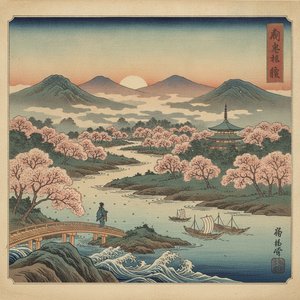
Zen on Canvas: The Timeless Artistry and Spiritual Depth of Japanese Landscape Painting
Explore the profound beauty of Japanese landscape painting. From Hokusai's iconic vistas to Zen-inspired compositions, discover the spiritual depth and historical mastery of Ukiyo-e art in this expert cultural retrospective.
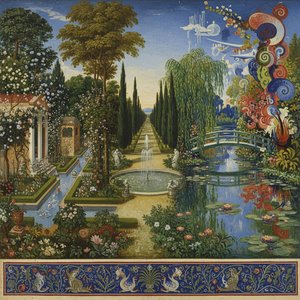
Cultivating Paradise: A Historical & Artistic Exploration of Gardens in Painting
Explore the rich history of gardens in painting! Discover masterpieces from Renaissance to Impressionism & beyond. Learn about symbolism, artists like Monet & Klimt, and find your perfect artwork at OriginalUniqueArt.
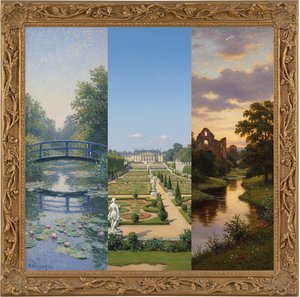
Nature’s Masterpieces: The Timeless Elegance of Gardens and Parks in Fine Art
Embark on a visual journey through the serene beauty of gardens and parks in fine art. Discover how master artists capture nature's tranquility through impressionistic blooms and classical landscapes to bring timeless elegance into your home collection.

Zen & Elegance: How Japanese Artistry Transformed Global Masterpieces
Explore the profound influence of Japanese artistry on global masterpieces. From Ukiyo-e prints to Zen aesthetics, discover how Eastern elegance transformed Western art history in this deep cultural reflection for fine art enthusiasts and collectors.
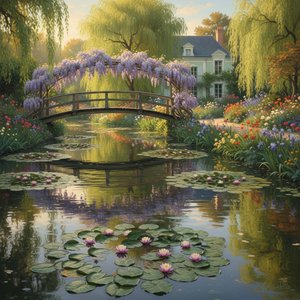
Capturing Giverny: The Enchanting Impressionist Magic of Monet's Gardens
Embark on a visual journey through Claude Monet's Giverny. Discover the enchanting light, vibrant colors, and breathtaking landscapes of his legendary gardens through an expert exploration of Impressionist mastery and timeless beauty.