

 プレビュー
プレビュー
 プリントを購入
 シェアする
シェアする シェアする
シェアする
 詳細を見る
詳細を見る

 ダウンロード
 似ている作品
 X線調査
X線調査 スライドショー
Pumps


 詳細を見る
詳細を見る
オンラインプレビューをはるかに凌ぐ、高解像度で鮮明なデジタル画像をご購入いただけます。
各ファイルは、社内の専門家が高度なツールと熟練した手作業によるレタッチを用いて、細心の注意を払って準備されています。すべての画像において、卓越した鮮明度、正確な色彩再現性、そして繊細なディテールを保証いたします。
最終ファイルは、プロフェッショナルな編集・印刷環境ですぐにご利用いただけるよう最適化された状態で、72時間以内にメールにてお届けいたします。これは、一流のデザインスタジオ、出版社、ギャラリーから信頼されているものと同等の品質です。
デジタル画像のご注文に付随する特典
高品質なデジタル画像配信を、確かな品質で。
OriginalUniqueArt.com を選ぶことは、単に画像を手に入れることではありません。それは、プロの手によって精密に仕上げられ、満足保証が付いた高品質なデジタルアートワークを受け取ることを意味します。ご注文いただいた際に自動的に付随する内容は、以下の通りです:

メールですぐにお届け
ご注文から72時間以内に、高解像度のデジタル画像ファイルがメールでお手元に届きます。すぐにそのままご利用いただけます。

AI技術で最適化されたデジタルファイル
お客様の作品は、高度なAIツールと専門家による手作業の編集を組み合わせてプロフェッショナルに最適化されており、細部のディテール、鮮明さ、そして正確な色再現性を最大限に引き出しています。

一生涯無料の再送サービス
ファイルを誤って削除したり、紛失してしまったりしましたか?ご安心ください。いつでも無料で再送いたします。

輸入手数料は一切かかりません
関税や手数料、配送料を気にすることなく、お気に入りのアートワークをすぐにお楽しみいただけます。デジタルダウンロードは常に免税です。

色彩再現の保証
プロ仕様のツールとカラーマネジメント技術を用いることで、デジタル画像が元の色を最大限に忠実に再現することを保証いたします。

60日間満足保証
ご購入いただいたデジタル画像にご満足いただけない場合は、60日以内であれば、修正または100%の返金(理由を問う必要はありません)をさせていただきます。

100% 返金保証
ご満足いただけない場合は、デジタルファイルを受け取ってから60日以内であれば、理由を問わず全額返金いたします。

まとめ買い割引
3枚購入で10%OFF - 5枚購入で15%OFF - 10枚以上購入で20%OFF。クリエイティブなプロジェクト、ギャラリー、エージェンシーに最適です。
作品の詳細
作家の略歴
Pietro Vannucci: The Quiet Genius of Perugia
Perugia, a city nestled in the heart of Umbria, Italy—a region often overshadowed by its more flamboyant neighbors like Florence and Rome—holds within its ancient walls the story of an artist whose influence resonated far beyond its borders. Pietro Vannucci, known to the world as Perugino, was not a man of dramatic pronouncements or revolutionary techniques; rather, he possessed a remarkable ability to capture serenity, grace, and a profound sense of space – qualities that would profoundly shape the artistic landscape of the High Renaissance. Born around 1450 in Città della Pieve, a small town renowned for its ceramics, Perugino’s early life was steeped in the traditions of Umbrian art, a style characterized by its luminous colors and focus on religious subjects. His apprenticeship within Perugia's artistic workshops provided him with a solid foundation, exposing him to the techniques of his time and fostering a keen eye for detail.Early Influences and Artistic Development
Perugino’s formative years were marked by exposure to several prominent artists, each contributing to his evolving style. He initially worked under Piero della Francesca in Arezzo, absorbing the master's meticulous attention to perspective and his masterful use of light and shadow. This experience instilled in him a deep appreciation for clarity and order—a hallmark of his later work. Subsequently, he served as a pupil of Andrea Verrocchio in Florence, a workshop renowned for its diverse array of talents, including Leonardo da Vinci. Working alongside such luminaries undoubtedly broadened Perugino’s artistic horizons, exposing him to innovative approaches to composition and technique. However, it was in Perugia itself that Perugino truly blossomed, establishing his own workshop and developing a distinctive style—one often described as “Umbrian.” This style prioritized a sense of calm and dignity, eschewing the dramatic gestures and intense emotions favored by some of his contemporaries.The Sistine Chapel and the Rise to Prominence
Perugino’s reputation soared dramatically in 1481 when he was summoned to Rome to contribute to the decoration of the Sistine Chapel. Commissioned alongside Botticelli, Ghirlandaio, and Lippi, Perugino undertook the monumental task of painting the walls of this iconic space. His contribution—the “Charge to St. Peter”—is a masterpiece of compositional balance and serene beauty. The scene depicts Jesus delivering the keys to the kingdom to his apostle, surrounded by the other apostles in an architectural setting that evokes both earthly grandeur and spiritual significance. This work established Perugino as one of the leading artists of his generation, solidifying his position within the Roman artistic elite.A Legacy Shaped by Raphael
Perhaps the most enduring aspect of Perugino’s legacy lies in his profound influence on another artist—Raphael Sanzio. The young Raphael spent several years working in Perugino's workshop, absorbing not only technical skills but also the master’s aesthetic sensibilities. The similarities between their works are striking, particularly in paintings such as “The Marriage of the Virgin,” where Raphael directly emulates Perugino’s compositional techniques and use of light. While Raphael ultimately surpassed his teacher in terms of innovation and expressive power, it is undeniable that Perugino laid the groundwork for Raphael's artistic development. Perugino’s emphasis on clarity, grace, and a harmonious balance of form and color profoundly shaped Raphael’s style, ensuring that Perugino’s influence would continue to resonate through the centuries.Later Years and Enduring Significance
Despite his earlier prominence, Perugino's later years were marked by relative obscurity. He continued to work diligently, producing a wealth of altarpieces and frescoes for churches throughout Umbria and beyond. He died in 1523, succumbing to the plague that ravaged Italy at the time. Yet, it was not until the 19th century—thanks largely to the efforts of art historians like Ruskin—that Perugino’s genius was fully recognized. His paintings were rediscovered and celebrated for their quiet beauty, their masterful use of perspective, and their profound sense of serenity. Today, Perugino is remembered as a pivotal figure in the transition from the Early Renaissance to the High Renaissance, a testament to the enduring power of understated elegance and a master whose legacy continues to inspire artists and captivate viewers alike. His work stands as a reminder that true artistic greatness often resides not in dramatic displays but in the quiet perfection of form and color.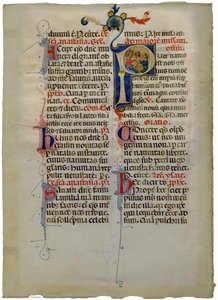
italian (perugia)
Italy
プロフィール概要
- Artistic Movement Or Style: Umbrian Renaissance
- Artists Or Movements Influenced By This Artist:
- Raphael Sanzio
- Renaissance art
- Artists Who Influenced This Artist:
- Piero della Francesca
- Andrea Verrocchio
- Date Of Birth: c. 1450
- Date Of Death: 1523
- Full Name: Pietro Vannucci (Perugino)
- Nationality: Italian
- Notable Artworks:
- Dominican Missal Leaf
- Marriage of the Virgin
- Place Of Birth: Città della Pieve, Italy

