

 プレビュー
プレビュー
 シェアする
シェアする シェアする
シェアする
 詳細を見る
詳細を見る

 ダウンロード
 似ている作品
 X線調査
X線調査 スライドショー
Horse Caparisoned
 Acrylic On Canvas
- WallArt
- Academic Romanticism
 1860
1860 64.0 x 63.0 cm
 ニュー・サウス・ウェールズ州立美術館
 詳細を見る
詳細を見る
ジークレー/アートプリント
迅速な制作と多彩な仕上げオプションを備えた、ミュージアムクオリティのジークレーまたはキャンバスプリント。 ( 手描きの絵画を購入 画像を購入)




P118B $10

P118H $10

P118W $10

P438Z $10

P508JH $12

P508YH $12

P805H $10

P805Z $10

P919BZ $10

P919G $10

P919XJ $10

P959ZH $10

P968JZ $12

W106C $8

W218G $10

W218JH $8

W218Y $10

W307PJ $10

W316G $10

W316PJ $8

W316Y $10

W398PJ $8

W4111J $10

W500HY $15

W500JH $15

W692G $12

W849H $8

W940BG $15

W953PJ $8




作品のオリジナル比率に合わせた、当店の規定サイズからお選びください。

特定のフレームやスペースに合わせて、ご自身でサイズを指定することも可能です。選択されたサイズが元の画像の比率と一致しない場合、作品をトリミングするか、鏡面反射または単色での塗りつぶしによって画像を拡張いたします。制作を開始する前に、ご確認用のデジタルモックアップをお送りいたします。
画面上のプレビューには、実際のトリミングや拡張は反映されませんのでご注意ください。最終的な構図を正確に確認できるのは、モックアップのみとなります。
カスタムサイズも承っておりますが、元の比率を維持するためには、あらかじめ用意されたリストからサイズを選択することをお勧めいたします。


 ガラスオプションは、110cm未満のサイズでのみご利用いただけます。

Horse Caparisoned
ジークレー/アートプリント
複製画のサイズ
-


合計金額
$ 80
作品詳細説明
A Moment of Noble Grace: Isidore Pils’s “Horse Caparisoned”
Isidore Alexandre Augustin Pils's "Horse Caparisoned," painted in 1860, is more than a simple portrait; it’s a carefully constructed tableau brimming with historical resonance and evocative symbolism. This oil-on-canvas work, measuring a modest 64 x 63 cm, captures a pivotal scene – a riderless horse, draped in rich fabrics, following a funeral procession. Pils, a prominent figure within the French academic art world, masterfully blends Romanticism’s emphasis on emotion and grandeur with a keen awareness of contemporary military and societal values.
The painting immediately draws the eye to the magnificent horse itself – a powerful creature rendered with meticulous detail, its musculature taut beneath the flowing folds of a vibrant yellow blanket. This isn't merely decorative; the caparison speaks volumes about status and respect. The rider, partially obscured by the horse’s form, is clad in a striking blue and gold outfit, suggesting nobility or perhaps even military rank – a subtle nod to the era’s fascination with heroic figures and national pride. Pils’s brushwork is remarkably controlled, creating a sense of both movement and stillness; the horse appears poised, ready to continue its solemn journey, while the overall composition exudes an aura of quiet dignity.
The Weight of History: Contextualizing the Scene
To fully appreciate “Horse Caparisoned,” it’s crucial to understand the historical context in which it was created. The mid-19th century witnessed a surge in nationalistic fervor across Europe, fueled by military victories and a desire for stability following decades of upheaval. Pils, deeply influenced by this climate, frequently depicted scenes of war and heroism – subjects that resonated powerfully with the public imagination. The painting’s subject matter directly reflects this trend; the riderless horse is a traditional symbol of mourning and respect, particularly within military circles, signifying the loss of a distinguished officer or soldier.
Furthermore, the inclusion of the riderless horse harkens back to ancient Roman traditions, where similar processions were used to honor fallen heroes. This connection imbues the painting with layers of historical significance, elevating it beyond a simple portrait and transforming it into a meditation on mortality, duty, and remembrance. The choice of a horse as the vehicle for mourning is particularly poignant – representing strength, loyalty, and the enduring spirit of those who have served their nation.
Technique and Artistic Style: A Masterful Blend
Pils’s artistic style is firmly rooted in the academic tradition, yet he demonstrates a remarkable sensitivity to light and color. He employs a rich palette – dominated by warm yellows, deep blues, and shimmering golds – to create a visually arresting image. The use of chiaroscuro (the contrast between light and dark) adds depth and drama, highlighting the horse’s form and emphasizing the solemnity of the occasion. His brushstrokes are generally smooth and blended, contributing to the painting's polished appearance, but he also incorporates subtle textural variations to suggest the weight of the blanket and the texture of the horse’s coat.
Notably, Pils was a student of John Singleton Copley, whose influence is evident in the artist’s meticulous attention to detail and his ability to capture the likenesses of his subjects. However, Pils distinguishes himself through his own unique vision – a willingness to infuse historical scenes with emotional intensity and a sophisticated understanding of symbolism.
Symbolism and Emotional Resonance: A Legacy of Remembrance
Beyond its historical context and artistic merits, “Horse Caparisoned” possesses a profound emotional resonance. The image evokes feelings of sadness, respect, and perhaps even a touch of melancholy. The riderless horse embodies the loss of leadership, the sacrifice of duty, and the enduring power of remembrance. It’s a poignant reminder of the human cost of war and the importance of honoring those who have served their country.
Reproductions of this captivating artwork offer a valuable opportunity to bring its timeless beauty and profound symbolism into any setting. Whether adorning a formal study or a more casual living space, “Horse Caparisoned” serves as a powerful testament to the enduring legacy of Isidore Pils and his masterful ability to capture the essence of human experience.
アーティストの略歴
ジョン・シングルトン・カプリ:ボストンが生んだ肖像画の先駆者
1738年にボストンで生まれたジョン・シングルトン・カプリは、アメリカ美術史における極めて重要な人物です。彼は、誕生したばかりの植民地精神と、確立されたヨーロッパの肖像画伝統との間に架け橋を築いた画家でした。その生涯は絶え間ない移動の連続であり、故郷のマサチューセت州から始まり、最終的にはロンドンでの輝かしいキャリアへと結実しました。しかし、今なお私たちを永遠に魅了してやまないのは、ニューイングランド社会の本質を捉えた彼の初期の作品です。カプリの歩みは、単なる芸術的な進化だけでなく、18世紀後半におけるアメリカとヨーロッパの間の移り変わる力学をも反映しています。彼は、アングロ・アイリッシュのタバコ商人であったリチャード・カプリと、高い社会的地位を持つ女性メアリー・シングルトン・カプリ・ペラムの間に生まれました。この血統は、彼に富と文化的なコネクションの両方をもたらし、その後の芸術的軌道を決定づける重要な要素となったのです。幼少期と芸術的修練
カプリの幼少期は、若くして父を亡くすという出来事によって、家族の運命が大きく揺れ動く経験とともにありました。母の再婚により、一家には有力な政治家であった義父ウィリアム・ペラムが加わりました。こうした家庭環境の変化にもかかわらず、カプリは質の高い教育を受け、名門ボストン・ラテン・スクールに通いました。その後、アメリカに渡ったばかりのスコットランド人画家チャールズ・ベルに師事します。ベルの影響は、カプリの中に古典的な形態と技法への深い敬愛を植え込み、後の肖像画家としての成功の礎を築きました。さらに決定的なのは、当時若き弁護士であり、後にアメリカ合衆国大統領となるジョン・アダムズとの出会いでした。アダムズはキャリアの初期にカプリへ数々の肖像画を依頼しており、これらの依頼は彼にかけがえのない経験を与えると同時に、ボストンのエリート層におけるカプリの名声を確固たるものにしたのです。植民地肖像画家の台頭
カプリは、並外れた技術と感受性を備えた肖像画家として、瞬く間にその名を轟かせました。彼は被写体の外見的な類似性を捉えるだけでなく、その人物の個性、社会的地位、そして内面的な精神までも描き出すという、驚異的な能力を秘めていました。ジョン・アダムズ、サミュエル・アダムズ、ポール・リビア、そしてトーマス・ハッチンソン知事といったボストンの著名人たちの肖像画は、植民地社会を象徴するアイコンとなりました。これらの作品は、緻密な観察と光と影の見事な操りによって、驚くべきリアリズムを体現しています。特にカプリの色彩感覚は特筆すべきものであり、繊細な階調を用いることで、奥行きと情緒的な空気感を見事に創り出しました。彼の肖像画は単なる似顔絵ではなく、当時の社会的・政治的な現実を反映した、入念に構築された物語そのものだったのです。ロンドンへの移住と広がる地平
1774年、さらなる機会を求め、またアメリカで高まる政治的不安に影響を受けたカプリは、ロンドンへと拠点を移しました。この転機は彼のキャリアにおける重大な分岐点となり、より幅広い芸術的影響やパトロンとの出会いをもたらしました。ロンドンにおいて、彼は瞬く間に時代を代表する肖像画家の一人として地位を確立し、イギリスの貴族や王族を含む顧客層を惹きつけました。しかし、カプリの野心は単なる肖察画に留まりませんでした。彼は歴史画にも取り組み、古典神話や聖書の物語を描いた大規模な作品を制作しました。これらの意欲的なプロジェクトは、成功の度合いこそ様々であったものの、新しい様式や技法に挑戦しようとする彼の飽くなき探究心を示しています。後年の歴史画には、初期の肖像画よりも劇的で演劇的な感性が反映されており、彼の芸術的焦点が変化していったことが伺えます。遺産と影響
ジョン・シングルトン・カプリが残した遺産は、複雑でありながら紛れもなく重大なものです。彼は植民地時代のリアリズムとヨーロッパの芸術伝統を繋ぐ重要な架け橋として、アメリカ美術史における最も重要な人物の一人であり続けています。彼のボストン市民の肖像画は、18世紀ニューイングランドの社会的、政治的、そして文化的な風景を知るための貴重な洞察を与えてくれます。後年の歴史画は、肖像画に比べると成功が限定的であると評されることもありますが、それでもなお、芸術家としての彼の多才さを証明しています。カプリの影響は、その卓越した技法と人間性の本質を捉える力からインスピレーションを受け続けた、後世のアメリカ人画家たちの作品の中にも見て取ることができます。リアリズムへの献身と細部を見逃さない鋭い眼差しは、アメリカ肖像画の先駆者としての地位を不動のものとし、彼の芸術が今日に至るまで観る者の心に響き続けることを確かなものにしています。
イジドール・ピルス
1815 - 1875 , フランス
基本情報
- Artistic Movement Or Style: 肖像画
- Artists Or Movements Influenced By This Artist: ['']
- Artists Who Influenced This Artist: ['リチャード・コプリー']
- Date Of Birth: 1738年7月3日
- Date Of Death: 1815年9月9日
- Full Name: ジョン・シングルトン・コプリー
- Nationality: アメリカ
- Notable Artworks:
- ワトソンとサメ
- ジョン・コプリー、第1代リンズハースト男爵
- Place Of Birth: マサチューセッツ州ボストン
関連記事

The Equine Muse: A Historical & Artistic Exploration of Horses in Painting
Explore the captivating history of horses in painting! Discover Renaissance masterpieces, Baroque grandeur & expert insights for collecting equestrian art. Learn about symbolism, techniques & lasting value with OriginalUniqueArt.
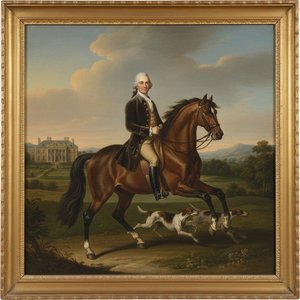
John Francis Sartorius II: Equestrian Elegance & the Rise of British Portraiture
Explore the captivating world of Francis Sartorius II (1734-1804), a leading British painter renowned for his exquisite equestrian portraits and hunting scenes. Discover his life, techniques & enduring legacy.
The Noble Steed on Canvas: A Historical & Artistic Exploration of Horse Painting Across Cultures
Explore the rich history of horse painting! Discover masterpieces from Stubbs to Munnings & learn about symbolism, techniques & artists. Find museum-quality reproductions at OriginalUniqueArt.
The Noble Steed: A Historical and Artistic Exploration of Horses in Fine Art
Explore the rich history of horses in fine art! From ancient depictions to Renaissance masterpieces & beyond, discover iconic artworks and artists. Learn about symbolism, techniques, and find museum-quality reproductions at OriginalUniqueArt.
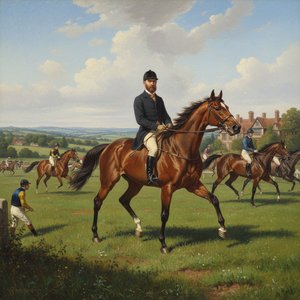
John Frederick Herring Sr.: Equestrian Mastery & the Rise of Sporting Art in Victorian England
Explore the life & work of John Frederick Herring Sr., a leading Victorian equestrian artist. Discover his masterpieces, patronage, techniques & investment potential. Expert insights for collectors.

