Dutch Golden Age
Legacy (Isabel Codrington)
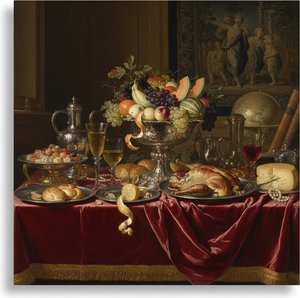
Isabel Codrington (1874–1943)による作品『Legacy』 Dutch Golden Age運動に属しています。

 設置イメージを表示

 手描き油彩画
 シェアする
 シェアする
 解説シート


 ダウンロード
 似ている作品
 X線調査
 スライドショーを表示
 Q&A

 統計情報
Legacyの概要
- 作品名
- Legacy
- 作家
- Isabel Codrington (1874–1943)
- 生年
- Swimbridge, United Kingdom
- 主題
- discarded objects, decline and decay, symbolic waste, dutch still life, mortality theme, emotional depth
Legacyの高解像度画像

Isabel Codrington, Legacy. パブリックドメイン
Legacyに関するよくあるご質問
Isabel Codrington作「Legacy」にはどのような主題が描かれていますか?
「Legacy」に描かれている主題はdiscarded objects, decline and decay, symbolic waste, dutch still life, mortality theme, emotional depth, visual overload, impasto textureです。
Isabel Codrington作「Legacy」の画像は自由に複製できますか?
著作権について、「Legacy」はパブリックドメイン(著作権消滅)です。
「Legacy」の作者は誰ですか?
「Legacy」の作者はIsabel Codringtonとされています。
Isabel Codrington作「Legacy」は、どの芸術流派に属していますか?
Isabel Codrington作「Legacy」に関連する芸術運動はDutch Golden Ageです。この分類により、本作は関連する他の芸術家や作品群の中に位置づけられます。
「Legacy」は、Isabel Codringtonの画業におけるどの時期の作品にあたりますか?
「Legacy」は、Isabel CodringtonのMature Periodを象徴する作品です。
Isabel Codringtonによる「Legacy」はパブリックドメインに含まれますか?また、その理由は何ですか?
「Legacy」の著作権の状態について — パブリックドメイン(著作権消滅) — は、作者の没年である1943に基づいています。
「Legacy」は、Isabel Codringtonのテーマやスタイルとどのように結びついているのでしょうか?
「Legacy」はIsabel CodringtonによるDutch Golden Ageの作品であり、その描かれたテーマにはdutch golden age realism, memento mori symbolism, consumerism critique, vanitas aesthetic", social commentary subtle, codrington's introspective, exploration of decay, reflection on mortalityが含まれます。
「Legacy」は、Isabel Codringtonのこれまでの作風を象徴するものと言えるでしょうか?
Isabel Codringtonの作品に繰り返し現れるテーマにはdutch golden age realism, memento mori symbolism, consumerism critique, vanitas aesthetic", social commentary subtle, codrington's introspective, exploration of decay, reflection on mortalityがありますが、「Legacy」ではdiscarded objects, decline and decay, symbolic waste, dutch still life, mortality theme, emotional depth, visual overload, impasto textureに焦点を当てています。
アーティスト Isabel Codrington について
1874–1943, United Kingdom
Isabel Codrington
A Legacy of Light and Line: The Life of Isabel Codrington In the vibrant, shifting landscape of early twentieth-century London, few artists possessed the quiet, enduring grace of Isabel Codrington. Born in 1874 in the picturesque village of Bydown, near Barnstaple, Devon, her life was an intricate tapestry woven from threads of literary depth and visual splendor. Raised by a father who embraced the theatricality of amateur playwriting and a mother who was herself a painter and writer, Codrington was immersed in a world where the boundaries between the written word and the painted image were perpetually blurred. This dual heritage of storytelling and observation would become the cornerstone of her creative identity, allowing her to infuse her works with a narrative soul that transcended mere representation.
Isabel Codringtonのその他の作品
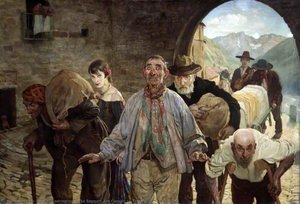 The Beggars Are Coming to Town
 Cantine Franco Britannique, Vitry le François1919
 The Kitchen1927
 Evening1925
Legacyに関するエッセイ
 Abraham Hendricksz van Beyeren: Pioneering Dutch Still Life & the Banquet TraditionExplore the captivating world of Dutch Golden Age still life with Abraham van Beyeren. Discover his innovative techniques, symbolic banquet…
 Mastering Light & Shadow: A Journey Through the Dutch Golden Age's Luminous LegacyEmbark on a cultural journey through the Dutch Golden Age. Explore the masterful interplay of light and shadow in 17th-century masterpieces…
 10 Iconic Masterpieces That Defined Early Netherlandish PaintingJourney through the Northern Renaissance with 10 iconic Early Netherlandish masterpieces. From Jan van Eyck to Rogier van der Weyden, explo…