 設置イメージを表示
 シェアする
シェアする シェアする
シェアする
 詳細を見る
詳細を見る ガイドを表示

 ダウンロード
 似ている作品
 X線調査
X線調査 スライドショーを表示
 Q&A
Q&A 統計情報
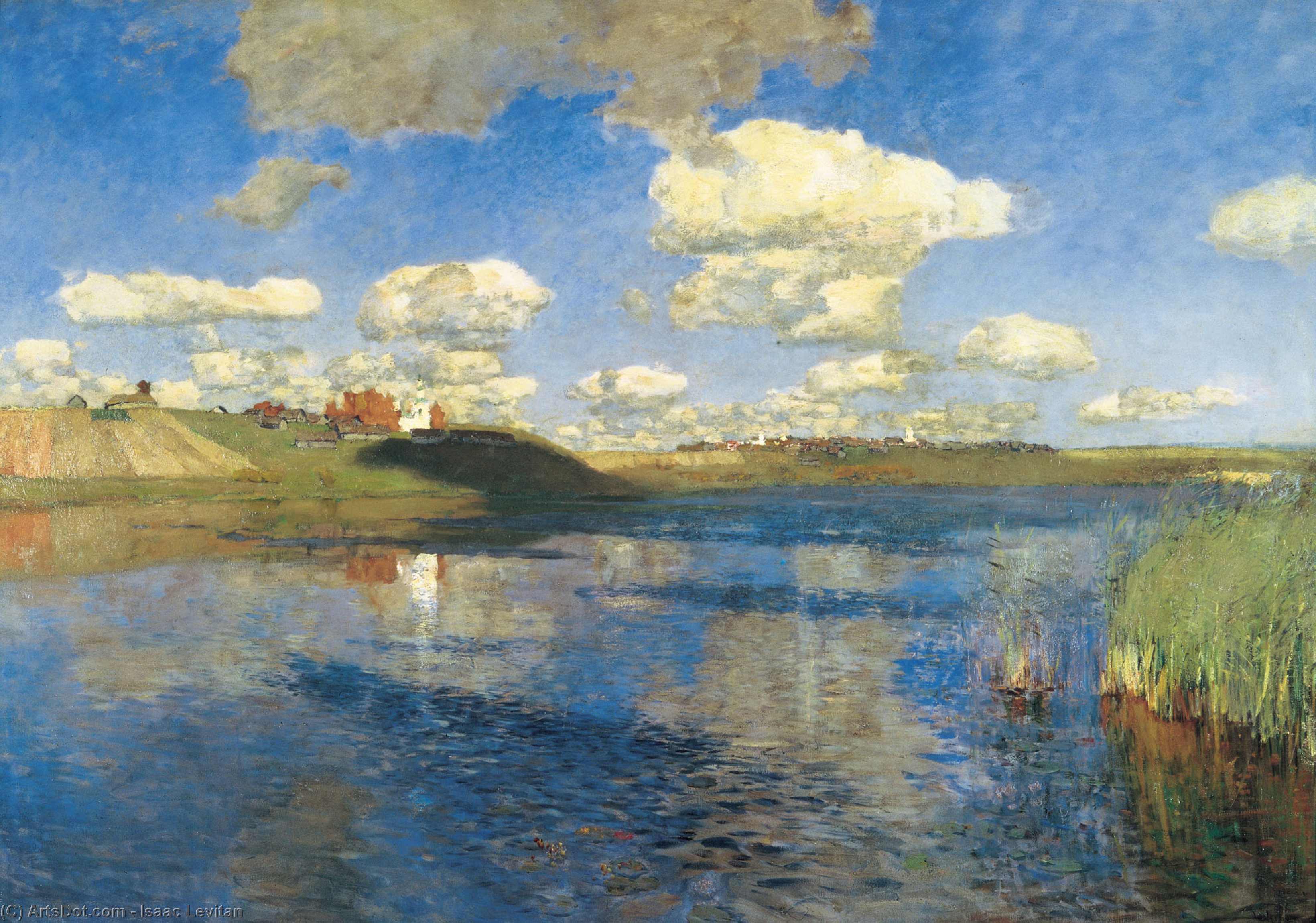
統計情報Lake. Rus.

- 149.0 x 208.0 cm


 詳細を表示
詳細を表示
ウェブ上のプレビューを遥かに凌駕する、印刷に最適なファイルをご提供します。当サイトで販売しているすべてのデジタル画像は、弊社のデータベース内にある高解像度のマスターデータ(通常、幅5,000〜15,000ピクセル)から作成されています。そのため、大判印刷や大胆なクロップ、細部まで緻密な再現も、安心してお楽しみいただけます。
当スタジオから送り出される画像は、すべて丁寧に加工されています。デジタルエキスパートが原画と照らし合わせて色調を精査し、必要に応じて補正を行った上で、プロ仕様のリタッチツールを用いて鮮明さと細部を向上させます。その際、アーティストの筆致やスタイルに忠実であることを常に追求しています。その結果、単なるスキャン画像にフィルターをかけたようなものではなく、まるで本物の絵画を見ているかのような仕上がりを実現しています。
仕上がりをご確認いただいてから完了となります。専門スタッフが、ご確認用の画像を72時間以内にメールでお送りいたします。もしご満足いただけない場合は、修正や改善のご要望を承るほか、品質が基準に満たない場合には返金も可能です。
出版社、デザインスタジオ、ギャラリー、そして印刷所から信頼される品質です。
デジタルアート
個人での鑑賞、印刷、クリエイティブなプロジェクトにご利用いただける高解像度ファイルをダウンロードできます。 ( プリント版に切り替え 手描き複製画を注文する)
デジタル画像のご注文に付随する特典
確かな品質による、プロフェッショナルなデジタル配信
OriginalUniqueArt.com を選ぶことは、単に画像を手に入れることではありません。プロの手によって精密に仕上げられ、満足保証が付いた高品質なデジタルアートワークを受け取ることを意味します。ご注文いただいた際に自動的に付随する内容は、以下の通りです:

メールですぐにお届け
ご注文から72時間以内に、高解像度のデジタル画像ファイルをメールでお送りいたします。お手元に届き次第、すぐにご利用いただけます。

AI技術で最適化されたデジタルファイル
お客様の作品は、高度なAI技術と専門家による手作業を組み合わせてプロフェッショナルに最適化されており、細部のディテール、鮮明さ、そして正確な色再現性を最大限に引き出しています。

生涯無料の再送サービス
ファイルを誤って削除したり、紛失してしまったりしましたか?ご安心ください。いつでも無料で再送いたします。

輸入手数料は、いつでも一切かかりません
関税や手数料、配送料を気にすることなく、お気に入りのアートワークをすぐにお楽しみいただけます。デジタルダウンロードは常に免税です。

正確な色彩の保証
プロ仕様のツールとカラーマネジメント技術を用いることで、デジタル画像が元の色を最大限に忠実に再現することを保証いたします。

100日間満足保証
ご購入いただいたデジタル画像にご満足いただけない場合は、100日以内であれば、理由を問わず修正または100%の返金対応をさせていただきます。

100% 返金保証
ご満足いただけない場合は、デジタルファイルを受け取ってから100日以内であれば、理由を問わず全額返金いたします。

まとめ買い割引
3枚購入で10%OFF、5枚購入で15%OFF、10枚以上のご購入で20%OFF。クリエイティブなプロジェクトやギャラリー、エージェンシーに最適です。
The Luminous Breath of the Russian Landscape
To stand before this depiction of "Lake" is to be enveloped by the very atmosphere of early twentieth-century Russia—a place where nature’s grandeur met the quiet persistence of human life. This painting, executed around 1900, captures a river scene under a vast, mutable sky. It is not merely a record of water and reeds; it is an immersion into a moment of profound, diffused light. The artist has masterfully translated the ephemeral quality of natural illumination onto canvas, inviting the viewer to breathe in the cool, damp air that seems perpetually suspended over the water’s surface.
An Impressionist Vision of Light and Water
The style employed here is a quintessential example of Impressionism, yet filtered through the unique sensibility of Isaak Ilyich Levitan. Observe how the artist eschews sharp outlines for the poetry of broken color. The composition unfolds in horizontal bands—the shimmering water mirroring the heavens above, the distant, softly defined shoreline punctuated by man-made structures, and the foreground anchored by whispering reeds. These elements do not compete; rather, they merge into a unified visual symphony. The technique relies on visible, loose brushstrokes, allowing the texture of the oil paint itself to contribute to the painting's palpable energy. It is through these short, broken strokes that Levitan achieves a sense of movement, making the water appear less like a solid body and more like captured light.
Echoes of Place and Poetic Longing
Understanding the context of Levitan’s life adds layers to this visual experience. Working during a period of immense social and personal upheaval in Russia, his art often carried an undercurrent of deep melancholy mixed with enduring hope. This landscape becomes a sanctuary—a place where the soul can find solace away from the complexities of urban existence or historical constraint. The interplay between the wild natural elements and the distant signs of civilization speaks to a universal human condition: our yearning for both untamed beauty and the comfort of community. It is a meditation on coexistence.
Symbolism of Serenity and Depth
The emotional resonance of this piece is one of profound tranquility. The blues and yellows, dominant in their variations across the canvas, do more than just describe color; they evoke feeling—the cool calm of deep water meeting the warm glow of reflected sunlight. Symbolically, the river itself has always represented the flow of time and life’s journey. Here, that journey is rendered gentle, cyclical, and deeply beautiful. For collectors and designers alike, this artwork offers more than mere decoration; it promises an infusion of serene contemplation into any space it graces.
A Masterclass in Technique for Reproduction
The materials—oil paints on canvas—are handled with a delicate touch that suggests layering thin washes to build luminosity. While the original possesses the unique patina of age, reproductions capturing this work must honor its technical brilliance. The goal is always to replicate not just the image, but the feeling of the artist’s hand at work: the visible texture, the atmospheric depth achieved through perspective, and that signature luminous quality that makes one feel as if the light itself has been trapped forever on the canvas.
Q&A
イサク・イリイチ・レヴィタン作「Lake. Rus.」の手描き複製画はどこで購入できますか?
「Lake. Rus.」は、リネンキャンバスに手描きされた油彩複製画としてお求めいただけます。ご注文は手描き油彩複製画のページにて、お好みのサイズをお選びいただけます。
イサク・イリイチ・レヴィタン作「Lake. Rus.」はパブリックドメインですか?
著作権について、「Lake. Rus.」はパブリックドメイン(著作権消滅)です。
イサク・イリイチ・レヴィタン作「Lake. Rus.」のデジタル画像はどこで購入できますか?
イサク・イリイチ・レヴィタン作「Lake. Rus.」のデジタルイメージは、こちらの高解像度デジタル画像ページにてご購入いただけます:高解像度デジタル画像のダウンロード
作家略歴
Isaak Ilyich Levitan - A Symphony of the Russian Soul
Isaak Ilyich Levitan, a name synonymous with the evocative power of Russian landscape painting, was more than just a chronicler of nature; he was a poet of the land, a translator of its moods into visual form. Born in 1860 in Kibarty (present-day Lithuania) to a Jewish family who later settled in Moscow, Levitan’s life was marked by both profound hardship and an unwavering dedication to his art. The early loss of his mother and father instilled within him a sensitivity that would permeate his canvases with a melancholic beauty—a characteristic that would define his artistic vision throughout his career.Early Life and Artistic Formation
Levitan's formative years were shaped by considerable adversity. Orphaned shortly after birth, he endured homelessness and poverty as a child, experiences which profoundly impacted his worldview and fueled an innate desire to find solace in the natural world. Recognizing his talent early on, he enrolled at the Moscow School of Painting, Sculpture and Architecture in 1873, where he was mentored by Alexei Savrasov—a pivotal encounter that instilled in him Savrasov’s distinctive approach to landscape painting: capturing not merely visual appearance but also the intangible essence of atmosphere and emotion. Savrasov championed Levitan's burgeoning ability to translate feeling into form, guiding him toward a path of artistic exploration rooted in profound observation and emotional honesty. This influence would prove instrumental in shaping Levitan’s signature style—characterized by muted palettes, subtle tonal gradations, and masterful use of light and shadow.The Birth of Mood Landscape: Savrasov's Influence
Savrasov’s teachings solidified Levitan’s conviction that landscape painting could transcend mere representation to become a conduit for spiritual contemplation. Rejecting the prevailing academic conventions of his time—particularly the idealized depictions favored by Neoclassical artists—Savrasov encouraged Levitan to embrace a radically different aesthetic: *mood landscape*. This genre prioritized conveying emotion over topographical accuracy, seeking to evoke feelings of tranquility, solitude, or melancholy through carefully crafted compositions and evocative color harmonies. As Savrasov himself famously remarked, “The artist must not depict what he sees but what he feels.” This ethos resonated deeply with Levitan, informing his artistic practice from its inception and establishing him as a pioneer of this transformative movement within Russian art.A Distinctive Artistic Voice: Exploring Emotion Through Landscape
Levitan swiftly distinguished himself as an artist capable of capturing profound emotion through landscape—a feat that cemented his reputation as one of the foremost practitioners of mood landscape. His canvases pulsated with palpable feeling, reflecting his own inner turmoil and grappling with themes of loss, longing, and mortality. Unlike many of his contemporaries who adhered to rigid stylistic conventions, Levitan cultivated a uniquely expressive style characterized by loose brushstrokes, diffused tonal ranges, and an intuitive grasp of atmospheric effects. Works such as *Autumn Day. Sokolniki* (1879)—painted during his formative years—exemplify this distinctive aesthetic—a testament to Levitan’s ability to distill complex emotions into deceptively simple visual forms. The painting's subdued palette and delicate rendering of light create a sense of wistful nostalgia, hinting at the transience of beauty and the inevitability of change.Major Achievements and Legacy
Levitan’s artistic journey culminated in recognition from the Imperial Academy of Arts—a testament to his growing stature within the Russian art world. He subsequently served as head of the landscape studio at Moscow School of Painting, Sculpture and Architecture, nurturing the talent of aspiring artists and perpetuating Savrasov's legacy of emotional landscape painting. His influence extended far beyond his students, shaping the trajectory of Russian landscape art for decades to come—inspiring generations of painters to explore the expressive potential of nature with unwavering sensitivity and conviction. Levitan’s enduring contribution to Russian culture lies in his ability to transform visual observation into profound artistic contemplation—a feat that continues to captivate audiences today. His paintings remain a poignant reminder of the beauty and melancholy inherent in the human condition, forever enshrined as masterpieces of mood landscape and symbols of Russia's soulful spirit.
イサク・イリイチ・レヴィタン
1860 - 1900 , ロシア
プロフィール概要
- Artistic Movement Or Style: ムードランド風景画、リアリズム
- Artists Who Influenced This Artist: ['アレクセイ・サヴァロフ」「ヴィタリー・ポレノフ」\n }']
- Date Of Birth: August 30, 1860
- Date Of Death: July 22, 1900
- Full Name: Isaak Ilyich Levitan
- Nationality: ロシア語
- Notable Artworks: ['秋の日のソコリンキ」「ウラジミールカ通り」「永遠の休息」「春の洪水」「嵐の日」「ヴェスパーの鐘']
- Place Of Birth: Kibarty, Lithuania