

 プレビュー
プレビュー
 プリントを購入
 シェアする
シェアする シェアする
シェアする
 詳細を見る
詳細を見る

 ダウンロード
 似ている作品
 X線調査
X線調査 スライドショー
The Drummer


 詳細を見る
詳細を見る




P118B $10

P118H $10

P118W $10

P438Z $10

P508JH $12

P508YH $12

P805H $10

P805Z $10

P919BZ $10

P919G $10

P919XJ $10

P959ZH $10

P968JZ $12

W106C $8

W218G $10

W218JH $8

W218Y $10

W307PJ $10

W316G $10

W316PJ $8

W316Y $10

W398PJ $8

W4111J $10

W500HY $15

W500JH $15

W692G $12

W849H $8

W940BG $15

W953PJ $8




作品のオリジナル比率に合わせた、当店の規定サイズからお選びください。

特定のフレームやスペースに合わせて、ご希望のサイズをご入力いただけます。選択されたサイズが元の画像の比率と異なる場合、アートワークをトリミングするか、手描きで要素を追加して絵画を拡張いたします。デジタルモックアップ を制作し、制作開始前にご確認(承認)をいただきます。
画面上のプレビューは、実際のトリミングや拡張を正確に反映しているものではありません。最終的な構図は、モックアップによってのみ正確にご確認いただけます。
カスタムサイズもご利用いただけますが、元の比率を維持するためには、あらかじめ用意されたリストからサイズを選択することをお勧めいたします。
ご注文後、OriginalUniqueArt.com チームより詳細な指示をお送りするとともに、仕上がりイメージ(モックアップ)をご提供いたします。


 ガラスオプションは、110cm未満のサイズでのみご利用いただけます。

The Drummer
複製技法
複製画のサイズ
-


合計金額
$ 300
作品解説
A Portrait of Quiet Intensity: Exploring “The Drummer”
Isaac Lazarus Israëls’s “The Drummer,” painted circa 1885, isn't merely a depiction of a woman holding a drum; it’s a carefully constructed tableau brimming with understated emotion and a subtle commentary on the rhythms of everyday life in late 19th-century Amsterdam. Israëls, a pivotal figure within the Dutch Impressionist movement, masterfully captures a moment suspended between observation and engagement, inviting the viewer to contemplate the woman's gaze and the quiet power held within her posture.
The painting immediately draws attention to its central subject – a young woman seated in a simple wooden chair. Her attire is modest, suggesting a rural or working-class background, yet her presence exudes an unexpected dignity. She cradles a drum, not with flamboyant enthusiasm, but with a deliberate and almost reverent hold. The drum itself, rendered with meticulous detail, hints at its purpose – perhaps a source of entertainment, ritual, or even labor. Her eyes are fixed on something beyond the frame, lost in thought, creating an immediate sense of intimacy and inviting speculation about her inner world.
The Amsterdam Impressionist Palette: Technique and Style
Israëls’s technique is distinctly Impressionistic, characterized by loose brushstrokes, a vibrant yet muted color palette, and a focus on capturing the fleeting effects of light. He employs broken colors – applying paint in small, distinct strokes rather than blending them seamlessly – to create an atmospheric quality that suggests both warmth and shadow. The lighting, diffused and soft, washes over the scene, highlighting the textures of the wooden chair, the woman’s clothing, and the drum's surface. Notice how he uses subtle variations in tone to define form and volume, eschewing sharp outlines in favor of a more suggestive approach.
The composition is carefully balanced, with the woman occupying the central space while two figures – a seated man and a standing one – recede into the background. These secondary elements contribute to the sense of a lived-in scene, hinting at a domestic setting or perhaps a village gathering. The inclusion of the handbag adds another layer of detail, grounding the image in the realities of everyday life.
A Window into Dutch Society and Symbolism
“The Drummer” offers a poignant glimpse into the social fabric of Amsterdam during the late 19th century. Israëls was deeply interested in portraying the lives of ordinary people, particularly those who worked with their hands – farmers, laborers, and craftspeople. The woman’s humble attire and contemplative expression speak to the realities of working-class life, while her quiet strength suggests resilience and dignity. The drum itself carries symbolic weight; it can represent rhythm, tradition, community, or even a connection to ancestral roots.
Furthermore, the painting's composition echoes elements of Dutch genre paintings popular at the time, which often depicted scenes from rural life with a focus on realism and social commentary. Israëls’s work aligns with this tradition while simultaneously injecting it with his own distinctive Impressionistic style. The woman’s gaze, directed towards an unseen point, invites us to consider her thoughts and experiences – perhaps reflecting on the past, contemplating the future, or simply finding solace in the present moment.
Rediscovering Israëls: A Legacy of Observation
Isaac Lazarus Israëls remains a significant figure in Dutch art history. His ability to capture the essence of human experience through subtle observation and masterful technique continues to resonate with viewers today. “The Drummer” stands as a testament to his artistic vision, offering a captivating portrait that transcends its simple subject matter to become a profound meditation on life, memory, and the enduring power of quiet contemplation. Reproductions of this evocative work offer a beautiful way to bring Israëls’s insightful perspective into any space.
アーティストの略歴
アイザック・ラザルス・イスラエルス:アムステルダム印象派に捧げた生涯
- 生誕:オランダ、アムステルダム(1865年2月3日)
- 逝去:オランダ、ハーグ(1934年10月7日)
幼少期と芸術への目覚め
アイザック・ラザルス・イスラエルスは、オランダの芸術界に深く根ざした家系に生を受けました。ハーグ派を代表する画家ジョゼフ・イスラエルスとアレイダ・シャープの息子として育った彼は、その芸術的な血統から、幼い頃より絵画に対する深い審美眼を養っていきました。1880年から188世紀にかけて、彼はハーグ王立芸術アカデミーで学び、そこで生涯の友となるジョージ・ヘンドリック・ブレイターと出会います。この出会いは、彼のその後の芸術的軌道を決定づける重要な出来事となりました。わずか16歳の時、イスラエルスの才能は早くも世に知られることとなります。未完成の状態であったにもかかわらず、作品「ラッパの練習」が芸術家でありコレクターでもあるヘンドリック・ウィレム・メスダに購入されたのです。同年、祖母や家族の友人を描いた肖像画で見せた卓越した技術は、彼の将来を予感させるものでした。
アムステルダム印象派の旗手
イスラエルスの名は、アムステルダム印象派という運動において、その先駆的な存在として刻まれています。表現される内容が様式に反映されるべきだと説き、強烈な技法を通じて感情豊かな主題を描き出すことを提唱した「タハティヘール(80人派)」の思想に触れた彼は、次第にアムステルダムの活気あふれる日常風景を捉えることへと情熱を注ぐようになりました。夏の間は父と共にスフェニンゲンの海岸で過ごし、色彩豊かな海辺の風景を描き出すことも多々ありました。彼の作品には、かつてのオランダの巨匠たちが好んだ伝統的な主題から脱却し、アムステルダムの賑わう街角やカフェ、キャバレーの熱気を写し出そうとする強い意志が込められています。
- 代表作:「植民地兵の輸送」(クローラー・ミュラー美術館)、「コーヒー選別工」(ボイマンス・ファン・ベーニンゲン美術館)、「マタ・ハリの肖像」(クローラー・ミュラー美術館)
旅路と芸術的進化
1904年、イスラエルスの舞台はパリへと移ります。彼はパリにアトリエを構え、この都市特有のモチーフを自身の表現に取り入れ始めました。また、パキーンやドレコールといった名門ファッションハウスでの学びを通じて、自身の関心をファッションの世界へと広げていきました。しかし、第一次世界大戦の勃発により、彼はオランダへの帰還を余儀なくされ、その後は主に肖像画の制作に専念することとなります。戦後、彼はヨーロッパからアジアに至るまで広大な旅へと踏み出しました。インドやオランダ領東インドで過ごした2年間のスケッチと絵画制作の経験は、彼の芸術的視野を劇的に広げ、晩年の作品に新たな主題と深遠な視点をもたらすこととなったのです。
遺産と不朽の名声
アイザック・ラザルス・イスラエルスの遺した膨大な作品群は、鮮やかな色彩、軽やかな筆致、そして日常の機微を捉えた洞察力に満ちた描写によって、今なお高く称賛されています。彼の作品は現在、ファン・ゴッホ美術館やマウリッツハイス美術館をはじめ、世界中の権威ある美術館に収蔵されています。1928年のオリンピックにおいて、作品「赤い騎士」で金メダルを獲得したことは、彼の国際的な評価を象徴する出来事でした。イスラエルスの功績は、単なる芸術的達成にとどまりません。アムステルダム印象派の発展に果たした貢献は極めて大きく、彼は自らの時代における最も重要なオランダ人画家の一人として、その地位を不動のものとしたのです。

アイザック・ラザルス・イスラエルズ
1865 - 1934 , オランダ
基本情報
- Artistic Movement Or Style: アムステルダム印象派
- Artists Who Influenced This Artist: ['エミール・ゾラ']
- Date Of Birth: 1865年2月3日
- Date Of Death: 1934年10月7日
- Full Name: アイザック・ラザルス・イスラエルス
- Nationality: オランダ
- Notable Artworks:
- 植民地兵の輸送
- コーヒー選別工
- マタ・ハリの肖像
- ヒルシュ家のイッピーとゲルティー
- ゴッホのひまわりを前にした貴婦人
- ダンサー、ラ・コケットの太陽
- ムーラン・ド・ラ・ガレットのダンスホール
- ドラマー
- Place Of Birth (City And Country): オランダ、アムステルダム
関連記事

黄金世紀の巨匠たち:バロック絵画が彩る10選|OriginalUniqueArt
オランダ黄金時代の10大傑作を紐解く!レンブラント、フェルメール…バロック絵画の魅力と時代背景を深く探求。OriginalUniqueArtで、至高のアートコレクションと空間演出のヒントを見つけよう。高品質なアートプリントで、お部屋を華やかに。
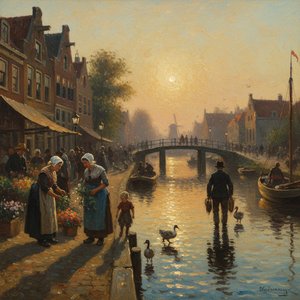
Wilhelmus de Zwart: Capturing Dutch Life Through the Lens of Realism & Impressionism
Explore the captivating world of Wilhelmus de Zwart, a Dutch master bridging Realism & Impressionism. Discover his landscapes, cityscapes, and unique technique – a compelling study for art enthusiasts and collectors.

The Hague School: Realism, Atmosphere & the Dawn of Dutch Impressionism
Explore the Hague School's pivotal role in Dutch art history. Discover realism, atmospheric landscapes & its influence on Impressionism. Learn about key artists like Mauve & Maris with OriginalUniqueArt.
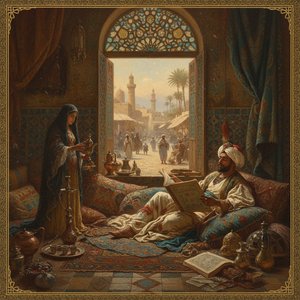
John Frederick Lewis: Orientalism, Detail & Genre Painting in 19th-Century British Art
Explore the captivating Orientalist paintings of John Frederick Lewis! Discover his mastery of detail, genre scenes & influence on 19th-century British art. Learn about his life, techniques & legacy at OriginalUniqueArt.
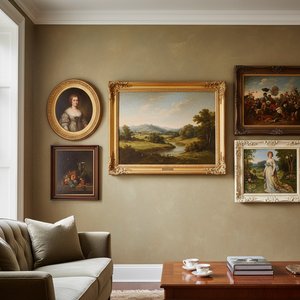
Iconic Art of the 18th & 19th Centuries: Masterpieces for Your Home | OriginalUniqueArt
Journey through 18th & 19th century art! Explore iconic masterpieces by Monet, Van Gogh & more. Discover the stories behind these timeless paintings and find museum-quality reproductions for your home at OriginalUniqueArt.com.

