
 プレビュー
プレビュー
 プリントを購入
 シェアする
シェアする シェアする
シェアする
 詳細を見る
詳細を見る

 ダウンロード
 似ている作品
 X線調査
X線調査 スライドショー
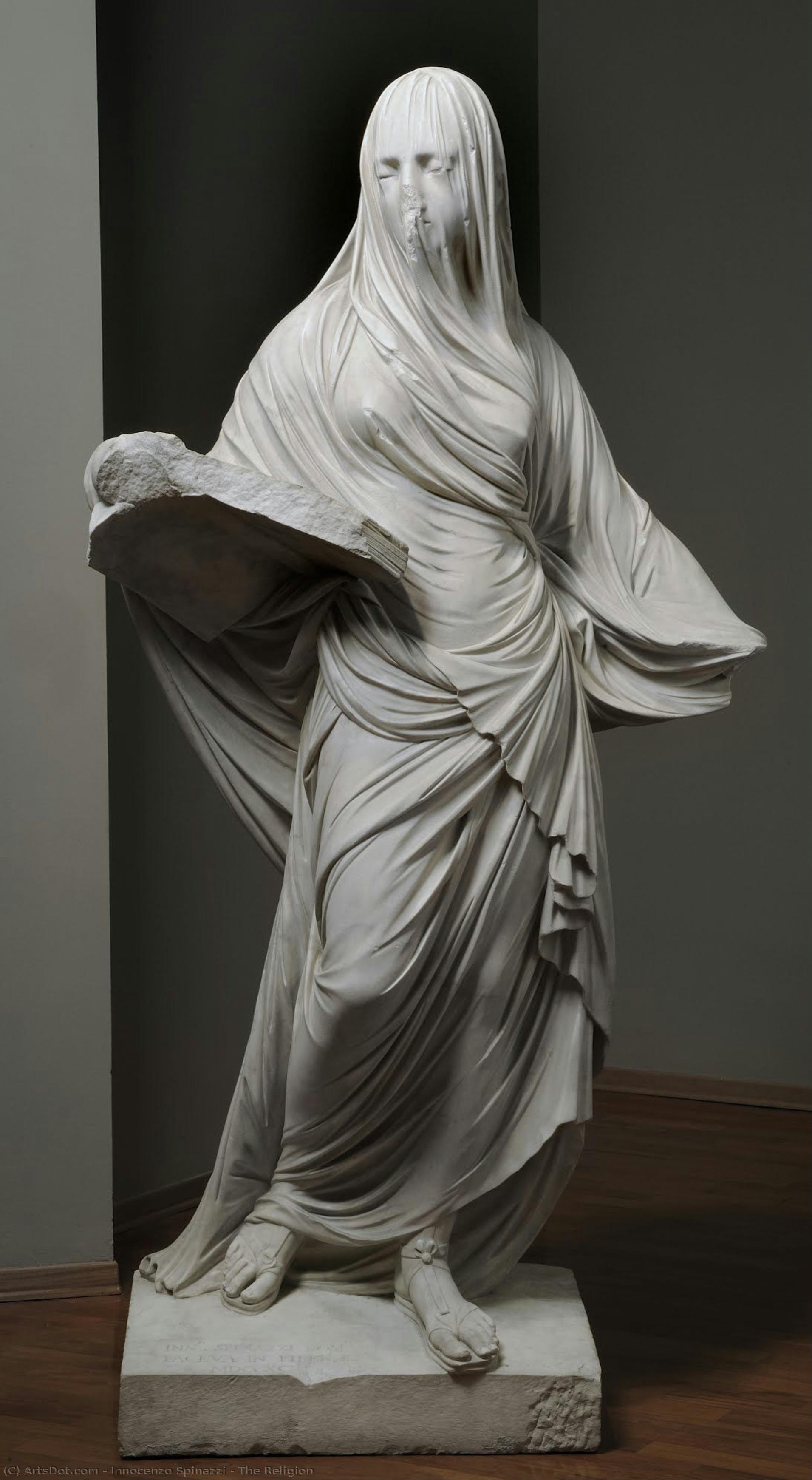
The Religion
 Neoclassicism
 115.0 x 215.0 cm
 Galleria Civica di Arte Moderna e Contemporanea Torino
 詳細を見る
詳細を見る




































作品のオリジナル比率に合わせた、当店の規定サイズからお選びください。

特定のフレームやスペースに合わせて、ご希望のサイズをご入力いただけます。選択されたサイズが元の画像の比率と異なる場合、アートワークをトリミングするか、手描きで要素を追加して絵画を拡張いたします。デジタルモックアップ を制作し、制作開始前にご確認(承認)をいただきます。
画面上のプレビューは、実際のトリミングや拡張を正確に反映しているものではありません。最終的な構図は、モックアップによってのみ正確にご確認いただけます。
カスタムサイズもご利用いただけますが、元の比率を維持するためには、あらかじめ用意されたリストからサイズを選択することをお勧めいたします。
ご注文後、OriginalUniqueArt.com チームより詳細な指示をお送りするとともに、仕上がりイメージ(モックアップ)をご提供いたします。


 ガラスオプションは、110cm未満のサイズでのみご利用いただけます。

The Religion
複製技法
複製画のサイズ
-


合計金額
$ 300
作品解説
アーティストの略歴
Innocenzo Spinazzi: Florentine Rococo and the Legacy of Antiquity
Innocenzo Spinazzi (1726–1798) stands as a towering figure in Florentine Baroque sculpture, embodying the artistic fervor of Enlightenment Italy while simultaneously honoring the traditions of classical antiquity. Born into a family of silversmiths in Rome, Spinazzi’s formative years instilled within him an appreciation for meticulous craftsmanship and refined aesthetics—qualities that would define his entire oeuvre. His training under Giovanni Battista Maini provided him with foundational knowledge of sculptural technique and artistic theory, setting the stage for his remarkable ascent to prominence as Florence's foremost sculptor.- Early Career in Rome: Spinazzi’s initial success stemmed from his monumental statue of St Joseph Calasanctius (1755) commissioned for the nave of St Peter’s Basilica, a project that showcased his mastery of marble carving and demonstrated an understanding of Baroque grandeur. This commission solidified his reputation as a sculptor capable of tackling ambitious undertakings and conveying profound spiritual themes.
- Arrival in Florence & Court Patronage: Recognizing the artistic dynamism of Florence under Leopold II, Spinazzi relocated to the city in 1769, swiftly securing the prestigious position of official court sculptor—a role that afforded him unparalleled access to influential patrons and fueled his creative output.
- Monumental Sculpture: Spinazzi's most celebrated works are undoubtedly his sculptures for Santa Croce—particularly the monumental figures representing jurist Giovanni Lami, Angelo Tavanti and Niccolò Machiavelli. These sculptures embody the humanist spirit of the Enlightenment, reflecting a fascination with classical ideals of beauty and proportion.
- Religious Sculpture: Spinazzi’s artistic vision found its fullest expression in his religious commissions, notably *Faith* (1781) and *Religion* (from the tomb of Varvara Jakovlevna), which drew inspiration from Antonio Corradini's Neapolitan sculptures—a testament to his engagement with contemporary artistic trends.

Innocenzo Spinazzi
1726 - 1798 , Italy
基本情報
- Artistic Movement Or Style: Rococo
- Artists Or Movements Influenced By This Artist: ['Antonio Corradini']
- Artists Who Influenced This Artist:
- Giovanni Battista Maini
- Gian Lorenzo Bernini
- Date Of Birth: Rome, Italy (1726)
- Date Of Death: Florence, Italy (1798)
- Full Name: Innocenzo Spinazzi
- Nationality: Italian
- Notable Artworks:
- Faith
- The Religion
- Place Of Birth: Rome
関連記事

The Enduring Allure of Marble in Art History: From Classical Sculpture to Modern Abstraction
Explore the captivating history of marble sculpture from ancient Greece to modern art. Discover renowned artists like Canova & Michelangelo, carving techniques, and investment insights at OriginalUniqueArt.

Bronze Sculptures That Defined Art History | OriginalUniqueArt
Journey through art history with our Top 10 bronze sculptures! Explore masterpieces by Rodin, Michelangelo & more. Discover stories behind iconic statues and find museum-quality reproductions for your home decor at OriginalUniqueArt.com.
Timeless Elegance: A Complete Guide to the Sublime Beauty and Artistry of Marble Sculpture
Discover the sublime beauty of marble art through an expert exploration of Renaissance and Neoclassical masterpieces. From the delicate textures of Carpeaux to the grandeur of Sansovino, immerse yourself in a guide to timeless elegance and sculptural perfection.

The Enduring Form: Exploring Themes & Techniques in Sculpture Across Historical Periods
Explore the rich history of sculpture from ancient masterpieces to contemporary innovations. Discover key techniques, influential artists & investment potential for discerning art collectors.
The Enduring Form: Sculpture Across History, Technique & Emotional Resonance
Explore the rich history of sculpture with OriginalUniqueArt. Discover key techniques, influential artists & investment potential for discerning collectors. Expert insights into valuing and collecting timeless masterpieces.

