

 設置イメージを確認
 送る
送る シェア
シェア
 詳細情報
詳細情報 ガイドを表示

 画像をダウンロード
 似ている作品
 X線調査
X線調査 スライドショー
 統計情報
統計情報Workers


 続きを読む
続きを読む
このページに掲載されている作品は著作権法によって保護されており、当社の許可なく同一の複製物を制作または販売することは法律で禁じられています。この保護は、以下のような国際条約に基づき執行されます。 ベルヌ条約 および、以下の条項に定められたものを含む各国の法律により、 米国著作権法 第17編。
この手法は、著作権で保護された作品の複製や複写を伴わないため、著作権法に完全に準拠しています。これは単なる模倣ではなく、創造的な再解釈です。元の作品からインスピレーションを受けつつも、それとは異なる、全く新しい絵画を生み出すものです。
ジークレー/アートプリント
スピーディーな制作と多彩な仕上げオプションが魅力の、ミュージアムクオリティなジークレー・キャンバスプリント。 ( 手描きの複製画を注文する デジタル画像販売へ切り替え)




P118B ¥10

P118H ¥10

P118W ¥10

P438Z ¥10

P508JH ¥12

P508YH ¥12

P805H ¥10

P805Z ¥10

P919BZ ¥10

P919G ¥10

P919XJ ¥10

P959ZH ¥10

P968JZ ¥12

W106C ¥8

W218G ¥10

W218JH ¥8

W218Y ¥10

W307PJ ¥10

W316G ¥10

W316PJ ¥8

W316Y ¥10

W398PJ ¥8

W4111J ¥10

W500HY ¥15

W500JH ¥15

W692G ¥12

W849H ¥8

W940BG ¥15

W953PJ ¥8




作品のオリジナル比率に合わせた、当店の規定サイズからお選びください。

額縁や壁のスペースに合わせて、ご希望の幅と高さを入力してください。プリントはカットすることは可能ですが、元の画像より大きくすることはできないため、異なる比率のサイズを選択された場合は、画像の一部が欠けることになります。印刷を開始する前に、内容を確認していただくためのデジタルモックアップをお送りいたします。このページに表示されている画像は、実際のカット後の状態を示すものではありません。実際の仕上がりはモックアップにてご確認ください。


 ガラスオプションは、110cm未満のサイズでのみご利用いただけます。

Workers
ジークレー/アートプリント
複製画サイズ一覧
-


合計金額
¥ 12586
A Haunting Vision of Resilience and Sacrifice
In the profound and somber masterpiece Workers, created in 1975 by the Egyptian visionary Inji Efflatoun, we are confronted with an image that transcends mere depiction to become a visceral experience of human struggle. The painting presents a harrowing scene where several figures hang suspended from ropes against a backdrop of skeletal, bare trees. This is not merely a landscape or a portrait; it is a powerful, thought-provoking tableau that captures the weight of existence and the heavy cost of political and social upheaval. As the eye wanders through the composition, one encounters at least thirteen distinct figures, each positioned at varying heights and depths, creating a rhythmic yet unsettling sense of movement that draws the viewer into the heart of this desolate landscape.
The technique employed by Efflatoun serves to amplify the emotional gravity of the subject matter. Through a style that merges the raw energy of expressionism with a stark, almost skeletal minimalism, she strips away the unnecessary to focus on the essential agony of the scene. The bare branches of the background trees act as silent witnesses, their lack of foliage mirroring the desolation and bleakness of the execution depicted. This use of negative space and stark silhouettes creates a profound sense of depth, making the viewer feel as though they are standing within the very clearing where this tragic event unfolds. For the collector or interior designer, this piece offers a commanding presence, acting as a focal point that demands contemplation and invites deep intellectual engagement.
To understand Workers, one must look into the turbulent life of Inji Efflatoun herself. Her art was inextricably linked to her political convictions and her lived experience within the revolutionary tides of Egypt. Having endured imprisonment under the Nasser regime, Efflatoun’s later works transitioned from a fascination with historical textures to a much rawer, more candid representation of the human condition. The painting serves as a symbolic bridge between the physical labor of the Egyptian peasantry and the political martyrdom of those fighting for justice. The figures hanging from the ropes are not just individuals; they represent the collective struggle, the heavy burden of the working class, and the enduring spirit of resistance even in the face of ultimate sacrifice.
For those seeking to adorn a space with art that possesses true soul and historical weight, this reproduction offers an unparalleled opportunity. It is a piece that does not merely decorate a wall but enriches the atmosphere of a room with its narrative complexity and emotional depth. Whether placed in a curated gallery setting or a sophisticated private study, Workers serves as a poignant reminder of the strength found in unity and the indelible mark left by those who stand for their beliefs. It is an investment in a piece of history that continues to vibrate with the spirit of revolution and the timeless beauty of human resilience.
よくあるご質問
Inji Efflatoun作「Workers」は、どのような主題と情緒を融合させているのでしょうか?
Inji Efflatoun作「Workers」は、workers, execution, political struggle, human condition, social justice, desolation, egyptを描き出し、Dramaticな情緒を湛えています。主題と雰囲気が相まって、作品の物語を形作っています。
「Workers」の中で、最も際立っている色はどれですか?
Inji Efflatoun作「Workers」の主色(メインカラー)はGray (#978e82)です。
「Workers」には、どのような情緒や感情が込められているのでしょうか?
Inji Efflatoun作「Workers」に描かれた情緒はDramaticであり、その感情的なトーンはSomberです。
アーティストについて
A Vision of Resilience: The Life and Art of Inji Efflatoun
In the vibrant and often turbulent landscape of twentieth-century Egyptian art, few figures command as much respect and profound emotional resonance as Inji Efflatoun. A pioneer of modern Egyptian art, her life was a seamless tapestry woven from the threads of creative brilliance and fierce political activism. Born in Cairo, Egypt, into a family with deep intellectual roots, Efflatoun emerged not merely as a painter, but as a leading spokeswoman for the Marxist-progressive-nationalist-feminist movement during the transformative decades of the 1940s and 1950s. Her work serves as a visceral testament to the struggles of her era, capturing the very soul of a nation in flux.
Her artistic journey was deeply informed by her early exposure to diverse social realities. Growing up in Cairo, she navigated environments ranging from the traditional and bourgeois to the radical intellectual circles of the Art and Freedom Group. Under the mentorship of figures like Kamel El Telmissany, she developed a foundation that allowed her to bridge the gap between aesthetic innovation and social commentary. Her canvases often act as windows into everyday Egyptian life, utilizing earthy tones and intricate patterns to evoke a sense of heritage and connection to the land.
The Canvas as Witness: Themes and Technique
Efflatoun’s oeuvre is characterized by its ability to transcend mere depiction, moving into the realm of the symbolic and the haunting. Her technique often merged the raw, energetic spirit of expressionism with a stark, skeletal minimalism. This approach is perhaps most powerfully realized in her later works, where she stripped away the unnecessary to focus on the essential agony of human existence. In masterpieces such as Workers, one encounters a harrowing scene of figures suspended against bare trees—a tableau that captures the heavy cost of political and social upheaval with a rhythmic yet unsettling movement.
Her subject matter frequently turned toward the dignity of labor and the resilience of the common person. In works like The Worker, she employed an impressionistic style and warm tones to capture the essence of rural labor. Yet, this warmth was often juxtaposed against the darker realities of her lived experience. The following elements define much of her visual language:
- Social Realism: A profound commitment to depicting the struggles of the working class and the impact of political shifts on the populace.
- Symbolic Landscapes: The use of skeletal trees, desolate landscapes, and stark silhouettes to mirror internal and national desolation.
- Textural Depth: An exploration of historical textures and the use of negative space to create a sense of profound depth and emotional gravity.
Artistry Amidst Adversity
The most defining period of Efflatoun’s life, and perhaps the most poignant for her artistic development, was her time in prison. Imprisoned by the Nasserite regime between 1959 and 1963 due to her communist ties, she found herself in a position where her art became a tool for documenting the unrenewable. This period of incarceration produced works that are often considered the highlight of her oeuvre, serving as both a documentary record of the oppression faced by political opponents and a secret window into the reality of women’s prisons.
These paintings from her imprisonment possess an extraordinary intensity, shedding light on a hidden reality through a lens of raw honesty. Her ability to transform the trauma of confinement into profound visual testimony solidified her historical significance. She did not merely paint the world she saw; she painted the weight of existence itself, ensuring that the sacrifices and the resilience of the Egyptian people would be etched into the annals of modern art history.

Inji Efflatoun
1924 - 1989 , Egypt
アーティスト情報
- Artistic Movement Or Style: Modern Egyptian art; Expressionism
- Artists Who Influenced This Artist: ['Kamel El Telmissany']
- Full Name: Inji Efflatoun
- Nationality: Egyptian
- Notable Artworks:
- The Worker
- Workers
- Installation View
- Place Of Birth: Cairo, Egypt
- Date Of Birth: 1924
- Date Of Death: 1989
関連記事

ジョン・コンスタブルの傑作25選:英国風景画の巨匠が描く自然と光の詩 | OriginalUniqueArt
ジョン・コンスタブルの傑作25選。英国風景画の巨匠が描く自然と光の詩の世界へ。ロマン主義を代表する絵画、デダム・ヴェールやヘイ・ウェインなど、OriginalUniqueArtで高品質なアートプリントをお楽しみください。インテリアに深みと感動を。コレクションはこちら。

Evocations of Place: A Historical Journey Through Landscape Art
Explore the rich history of landscape art with OriginalUniqueArt. Discover renowned artists, movements like Impressionism & Romanticism, and expert guidance for collecting timeless pieces. Find your perfect serene escape today!

Arboreal Echoes: A Historical & Artistic Exploration of Trees in Painting
Explore the rich history of trees in painting! Discover symbolism, Romantic masterpieces by Caspar David Friedrich & beyond. A curated journey for art enthusiasts.
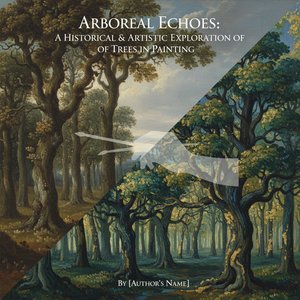
Arboreal Echoes: A Historical & Artistic Exploration of Trees in Painting
Explore the rich history of trees in painting! Discover symbolism, Romantic masterpieces by Caspar David Friedrich & beyond. A curated journey for art enthusiasts.

ロマン派ランドスケープ:時代を彩る巨匠の10選|アートとインテリアの世界
ロマン派絵画の時代を彩る10選。巨匠たちの風景が織りなす感動の世界へ。ターナー、ルーベンスなど、名作の裏話と高精細複製でアートをお部屋に。OriginalUniqueArt.comで至福のアート体験を。