- ホーム

- キャンバスプリント用
- Ingrid Calame
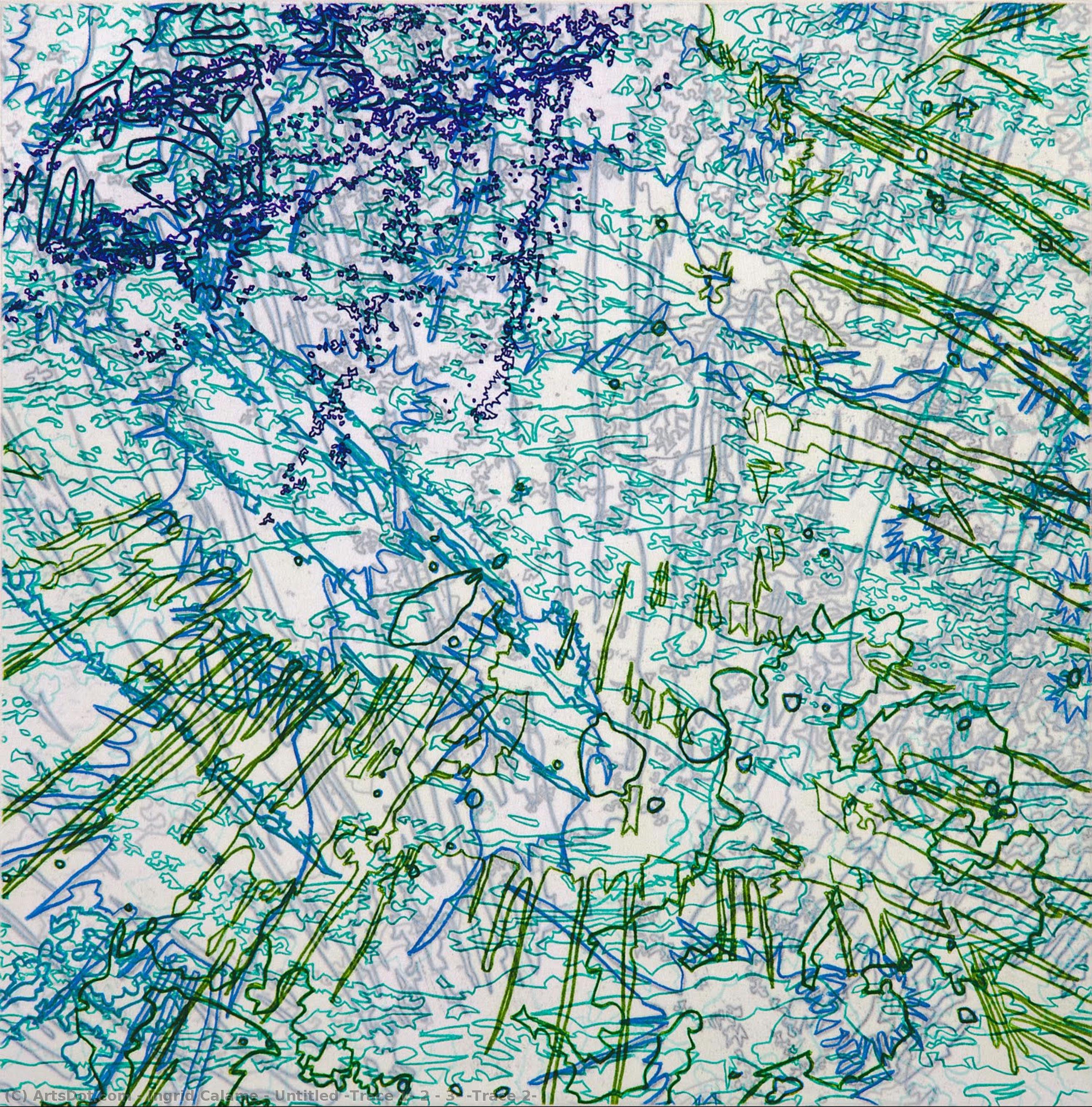
- Untitled (Trace 1, 2 & 3) (Trace 2)
 Preview
 手描き複製画を注文する
 シェアする
シェアする シェアする
シェアする
 詳細を見る
詳細を見る

 ダウンロード
 似ている作品
 X線調査
X線調査 スライドショー
Untitled (Trace 1, 2 & 3) (Trace 2)


 詳細を見る
詳細を見る




P118B $10

P118H $10

P118W $10

P438Z $10

P508JH $12

P508YH $12

P805H $10

P805Z $10

P919BZ $10

P919G $10

P919XJ $10

P959ZH $10

P968JZ $12

W106C $8

W218G $10

W218JH $8

W218Y $10

W307PJ $10

W316G $10

W316PJ $8

W316Y $10

W398PJ $8

W4111J $10

W500HY $15

W500JH $15

W692G $12

W849H $8

W940BG $15

W953PJ $8




作品のオリジナル比率に合わせた、当店の規定サイズからお選びください。

特定のフレームやスペースに合わせて、ご自身でサイズを指定することも可能です。選択されたサイズが元の画像の比率と一致しない場合、作品をトリミングするか、鏡面反射または単色での塗りつぶしによって画像を拡張いたします。制作を開始する前に、ご確認用のデジタルモックアップをお送りいたします。
画面上のプレビューには、実際のトリミングや拡張は反映されませんのでご注意ください。最終的な構図を正確に確認できるのは、モックアップのみとなります。
カスタムサイズも承っておりますが、元の比率を維持するためには、あらかじめ用意されたリストからサイズを選択することをお勧めいたします。


 ガラスオプションは、110cm未満のサイズでのみご利用いただけます。

Untitled (Trace 1, 2 & 3) (Trace 2)
ジークレー/アートプリント
複製画のサイズ
-


合計金額
-
作品詳細説明
The Ephemeral Language of the City
Ingrid Calame’s work invites us into an intimate dialogue with the overlooked textures of modern urban life. This piece, Untitled (Trace 1, 2 & 3) (Trace 2), is not merely a painting; it is a cartography of memory, a vibrant record compiled from the accidental poetry found on city streets. Calame’s unique practice involves physically tracing markings—the grooves, the stains, the spontaneous graffiti—found on various urban surfaces directly onto Mylar. This labor-intensive process imbues every line with the weight of its origin, connecting the grand sweep of metropolitan existence to the delicate gesture of a single passing shoe or spilled liquid. The resulting artwork is a mesmerizing tapestry where the detritus of daily routine is elevated to high art.A Symphony in Overlapping Color and Movement
Visually, the piece explodes with controlled chaos. Against a deep, resonant blue background, Calame layers soft pastels alongside vivid primary colors—greens, purples, yellows, and oranges—that seem to vibrate against one another. The composition is defined by intertwining, overlapping lines that swirl endlessly, suggesting an ongoing, restless movement. It feels as if the viewer has stumbled upon a moment of pure kinetic energy captured on canvas. These markings do not simply exist; they interact, creating new hues where they meet and developing complex visual narratives through their sheer density. The careful interplay between these vibrant marks and the negative space surrounding them is what gives the piece its profound sense of breath and quietude.Technique: Tracing Time Itself
The technical mastery displayed here is remarkable. Calame’s method transforms found ephemera into permanent, luminous art. By tracing directly from real-world textures, she bypasses traditional pictorial representation in favor of a more immediate, almost forensic documentation of surface life. The resulting mixed media quality suggests both the spontaneity of street art and the meticulous care of an archival study. For collectors or designers seeking reproduction, understanding this process is key: owning this piece means acquiring a tangible echo of urban passage, rendered with painstaking devotion to detail.Symbolism and Emotional Resonance
What does it mean to trace what has already been left behind? Symbolically, Calame’s work speaks to the transient nature of existence in densely populated areas. The lines are traces—remnants of human activity that fade but never entirely disappear. They evoke a sense of beautiful melancholy; we are confronted with the beauty inherent in things that are imperfect, temporary, and constantly being overwritten by the next moment. Emotionally, the piece is both exhilarating due to its vibrant energy and deeply calming because it forces us to slow down, to look closely at what we usually walk past without seeing. It invites contemplation on pattern, passage, and persistence.アーティストの略歴
Ingrid Calame: A Life in Traces
Early Life and Education
- Born in 1965 in The Bronx, New York, Ingrid Calame spent her formative years in Westchester County.
- Her parents worked in the fields of physical education and physical therapy, providing a practical backdrop to her developing artistic sensibilities.
- Initially drawn to dance, Calame later shifted her focus to painting, recognizing its potential for expressing her creative vision.
- She earned a Bachelor of Fine Arts from the State University of New York at Purchase and further honed her skills with a Master of Fine Arts degree from the California Institute of the Arts.
Artistic Development and Influences
- Calame’s artistic journey began to take shape after earning her MFA in 1996, marked by an exploration of accidental spills on her studio floor. She re-presented these spontaneous occurrences as deliberate art.
- A pivotal moment came with revelations about her grandmother's death, prompting a deeper investigation into themes of mortality and the traces humans leave behind.
- Her work is influenced by a desire to capture the ephemeral nature of existence and the often-overlooked details of everyday life.
- While not directly tied to a specific movement, Calame’s abstract style aligns with Abstract Expressionism, emphasizing process and emotional resonance.
Key Themes and Techniques
- Calame is renowned for her unique technique of tracing marks found in public spaces – stains, cracks, tire tracks, graffiti – transforming them into complex abstract compositions.
- Her paintings often resemble maps, though she emphasizes that they are not literal representations but rather explorations of “micro-mapping” and the inherent cartographic impulse within us.
- Human detritus serves as a central theme, prompting reflection on our presence in the world and the traces we inevitably leave behind.
- She employs layering techniques, building up tracings to create richly textured and visually compelling surfaces.
Major Achievements and Exhibitions
- Calame’s work has been exhibited internationally, gaining recognition in prestigious institutions such as the Los Angeles Museum of Contemporary Art (LACMA), the Whitney Museum of American Art, and the Museum of Modern Art (MoMA) in New York City.
- She was included in the 2000 Whitney Biennial, a significant platform for contemporary American art.
- Notable exhibitions include site-specific commissions at the Indianapolis Museum of Art (“Ingrid Calame: Traces of the Indianapolis Motor Speedway”) and an artist residency at the Albright-Knox Art Gallery, where she traced marks throughout Buffalo, New York.
Historical Significance and Legacy
- Ingrid Calame’s work challenges traditional notions of representation and abstraction, offering a unique perspective on the relationship between art and everyday life.
- Her exploration of overlooked details and ephemeral traces encourages viewers to reconsider their surroundings and appreciate the beauty in the mundane.
- By transforming accidental marks into deliberate artworks, she raises questions about authorship, intention, and the nature of artistic creation.
- Calame’s influence can be seen in contemporary artists who explore similar themes of site-specificity, abstraction, and the human impact on the environment.

Ingrid Calame
1965 - , United States of America
基本情報
- Birth Date: 1965
- Birth Place: The Bronx, New York City, United States
- Movement:
- Abstract art
- Abstract expressionism
- Name: Ingrid Calame
- Nationality: American
- Notable Works:
- Untitled (Trace 1, 2 & 3)
- Traces of the Indianapolis Motor Speedway
関連記事

Kandinsky's Masterpieces: 25 Paintings That Define Abstract Art | OriginalUniqueArt
Journey through Wassily Kandinsky's 25 most iconic abstract paintings. Explore his revolutionary use of color, form & spiritual expressionism. Find museum-quality Kandinsky reproductions and elevate your home decor with OriginalUniqueArt.com. Discover all masterpieces on OriginalUniqueArt.com!
フェルナン・レジェ傑作25選:機械美と色彩の革新 | OriginalUniqueArt
フェルナン・レジェの傑作25選。機械美と色彩が織りなすキュビズムの世界を紐解きます。OriginalUniqueArtで、フランス絵画の巨匠レジェの作品を高精細プリントで。インテリアアートやギフトにも最適です。全コレクションはこちら: OriginalUniqueArt.com
メトロポリタン美術館の至宝25選:名画とアートが語る歴史と美【OriginalUniqueArt】
メトロポリタン美術館の至宝25選。モネ、ゴッホ、レンブラント…名画に秘められた物語と技法を紐解きます。印象派からルネサンスまで、時代を超えて輝く芸術作品をウォールアートで暮らしに取り入れませんか?OriginalUniqueArt.comで全コレクションをご覧ください。
アンリ・マティスの傑作25選:色彩と情熱の軌跡|OriginalUniqueArt
アンリ・マティスの傑作25選🎨 色彩と情熱が織りなす世界を旅する。フォーヴィスム代表の巨匠、マティスの絵画の魅力と歴史を紐解きます。OriginalUniqueArtで高品質なアートプリントや複製画を見つけ、インテリアに芸術的な輝きを✨ Explore the full collection online

ジェームズ・マクニール・ホイストラー:至高の25選 - 美と調和を求めた芸術家の軌跡 | OriginalUniqueArt
ジェームズ・マクニール・ホイストラーの至高の25選。ノクターン、印象派、美しい色彩に満ちた作品群を紐解きます。OriginalUniqueArtで高品質なアートプリントとインテリアをお楽しみください。名画の世界へ – OriginalUniqueArt.com

