
 プレビュー
プレビュー
 シェアする
シェアする シェアする
シェアする
 詳細を見る
詳細を見る

 ダウンロード
 似ている作品
 X線調査
X線調査 スライドショー
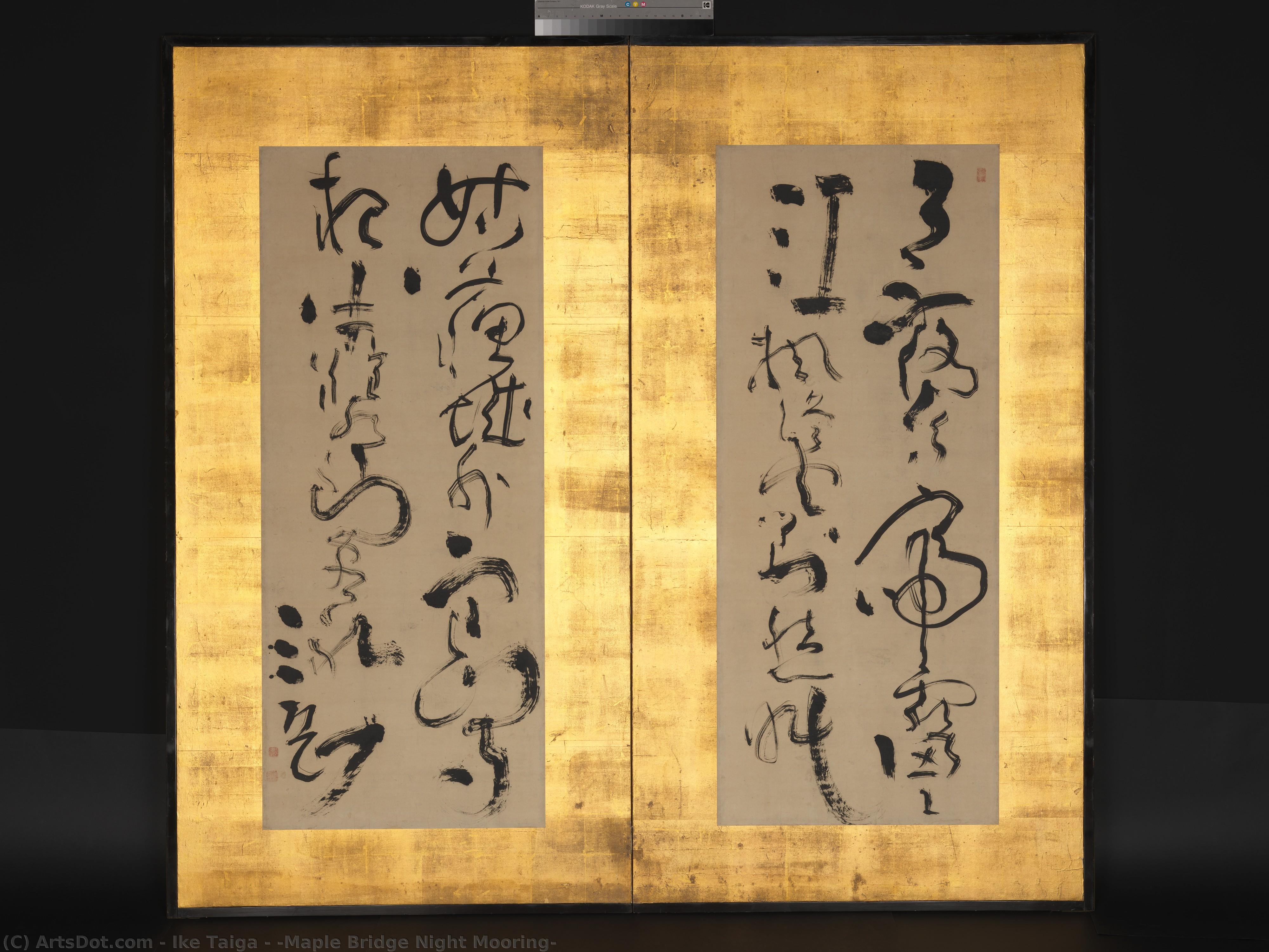
"Maple Bridge Night Mooring"
 1770
1770 135.0 x 56.0 cm
 詳細を見る
詳細を見る
オンラインプレビューをはるかに凌ぐ、高解像度で鮮明なデジタル画像をご購入いただけます。
各ファイルは、社内の専門家が高度なツールと熟練した手作業によるレタッチを用いて、細心の注意を払って準備されています。すべての画像において、卓越した鮮明度、正確な色彩再現性、そして繊細なディテールを保証いたします。
最終ファイルは、プロフェッショナルな編集・印刷環境ですぐにご利用いただけるよう最適化された状態で、72時間以内にメールにてお届けいたします。これは、一流のデザインスタジオ、出版社、ギャラリーから信頼されているものと同等の品質です。
デジタルアート
個人での鑑賞、印刷、クリエイティブなプロジェクト用に、高解像度ファイルをダウンロードできます。 ( プリント版に切り替え 手描き画への切り替え)
デジタル画像のご注文に付随する特典
高品質なデジタル画像配信を、確かな品質で。
OriginalUniqueArt.com を選ぶことは、単に画像を手に入れることではありません。それは、プロの手によって精密に仕上げられ、満足保証が付いた高品質なデジタルアートワークを受け取ることを意味します。ご注文いただいた際に自動的に付随する内容は、以下の通りです:

メールですぐにお届け
ご注文から72時間以内に、高解像度のデジタル画像ファイルがメールでお手元に届きます。すぐにそのままご利用いただけます。

AI技術で最適化されたデジタルファイル
お客様の作品は、高度なAIツールと専門家による手作業の編集を組み合わせてプロフェッショナルに最適化されており、細部のディテール、鮮明さ、そして正確な色再現性を最大限に引き出しています。

一生涯無料の再送サービス
ファイルを誤って削除したり、紛失してしまったりしましたか?ご安心ください。いつでも無料で再送いたします。

輸入手数料は一切かかりません
関税や手数料、配送料を気にすることなく、お気に入りのアートワークをすぐにお楽しみいただけます。デジタルダウンロードは常に免税です。

色彩再現の保証
プロ仕様のツールとカラーマネジメント技術を用いることで、デジタル画像が元の色を最大限に忠実に再現することを保証いたします。

60日間満足保証
ご購入いただいたデジタル画像にご満足いただけない場合は、60日以内であれば、修正または100%の返金(理由を問う必要はありません)をさせていただきます。

100% 返金保証
ご満足いただけない場合は、デジタルファイルを受け取ってから60日以内であれば、理由を問わず全額返金いたします。

まとめ買い割引
3枚購入で10%OFF - 5枚購入で15%OFF - 10枚以上購入で20%OFF。クリエイティブなプロジェクト、ギャラリー、エージェンシーに最適です。
作品の詳細
作家の略歴
Ike no Taiga: Bridging Tradition and Innovation in Edo Period Landscape Painting
Ike no Taiga (1723-1776) stands as a monumental figure within the *bunjinga* tradition—a uniquely Japanese form of literati painting that flourished during the Edo period. More than just an artist, he embodied the spirit of his time, skillfully blending classical Chinese aesthetics with groundbreaking experimental techniques to produce works that continue to resonate with collectors and scholars alike. His life story itself is a testament to perseverance and intellectual curiosity, shaping him into one of the most influential painters of his era. Born into humble circumstances—his father a farmer on the outskirts of Kyoto—Taiga’s early life was marked by hardship. The family moved to Kyoto shortly before his birth, seeking refuge from famine conditions, and his father's employment at the silver mint afforded them modest financial stability. Tragically, he passed away when Taiga was just three years old, leaving his widowed mother to raise him with unwavering devotion. Remarkably, she prioritized his education, securing tutors who instilled in him a profound understanding of both Japanese and Chinese disciplines—a foundation that would prove crucial to his artistic development. By the age of six, he began formal training at Manpuku-ji Zen Temple, fostering connections that would endure throughout his life, grounding him in Buddhist philosophy and shaping his contemplative approach to artmaking. Taiga’s artistic journey commenced professionally at fourteen, establishing a fan painting workshop where he honed his craft alongside fellow artists and collectors. A pivotal encounter with Yanagisawa Kien—a prominent social and artistic patron—introduced him to the vibrant *bunjinga* circle of Kyoto, propelling him toward collaborations that would solidify his reputation as a leading figure in Japanese art. Notably, Taiga’s formative influence stemmed from Yi Fujiu (j: i fukyū), a Chinese painter specializing in landscape depictions who taught Taiga innovative painting methods—documented extensively in *Yi Fujiu Ike no Taiga Sansui Gafu* (1803). This manual became the cornerstone of Taiga's artistic style, reflecting the pervasive impact of Chinese art on Edo period aesthetics.- Key Characteristics: Taiga’s paintings are characterized by a masterful fusion of meticulous observation and expressive brushwork. He meticulously rendered landscapes—often featuring mountains, rivers, and trees—capturing subtle nuances of light and atmosphere with remarkable precision.
- Technique: Unlike many of his contemporaries who adhered strictly to established conventions, Taiga experimented with techniques that pushed the boundaries of *bunjinga*. He employed “finger painting”—a method where pigment is applied directly onto paper using fingertips—creating textured surfaces and conveying a sense of immediacy and spontaneity.
- Notable Works: Among his celebrated compositions are "Landscape with Tower," "Fishing Boat on Reed Covered Bank and Calligraphy," and “Finger Painting of a Landscape,” each exemplifying Taiga’s distinctive style and demonstrating his ability to capture the essence of nature in evocative imagery.

Ike Taiga
1723 - 1776
プロフィール概要
- Artistic Movement Or Style: *Bunjinga* (Literati Painting)
- Artists Or Movements Influenced By This Artist: Yanagisawa Kien
- Artists Who Influenced This Artist: Yi Fujiu
- Date Of Birth: 1723
- Date Of Death: 1776
- Full Name: Ike no Taiga
- Nationality: Japanese
- Notable Artworks:
- Landscape with Tower
- Finger Painting of a Landscape
- Fishing Boat on Reed Covered Bank and Calligraphy
- Place Of Birth: Kyoto, Japan

