
 設置イメージを表示
 シェアする
シェアする シェアする
シェアする
 詳細を見る
詳細を見る ガイドを表示

 ダウンロード
 似ている作品
 X線調査
X線調査 スライドショーを表示
 Q&A
Q&A 統計情報
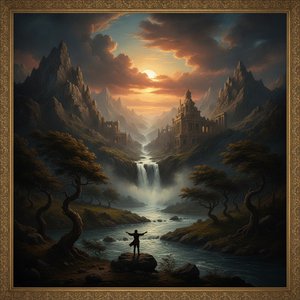
統計情報River Crossing

- 63.0 x 84.0 cm


 詳細を表示
詳細を表示
ジークレー/アートプリント
スピーディーな制作と多彩な仕上げオプションが魅力の、ミュージアムクオリティなジークレー・キャンバスプリント。 ( 手描き複製画を注文する デジタル画像販売へ切り替え)




P118B ¥10

P118H ¥10

P118W ¥10

P438Z ¥10

P508JH ¥12

P508YH ¥12

P805H ¥10

P805Z ¥10

P919BZ ¥10

P919G ¥10

P919XJ ¥10

P959ZH ¥10

P968JZ ¥12

W106C ¥8

W218G ¥10

W218JH ¥8

W218Y ¥10

W307PJ ¥10

W316G ¥10

W316PJ ¥8

W316Y ¥10

W398PJ ¥8

W4111J ¥10

W500HY ¥15

W500JH ¥15

W692G ¥12

W849H ¥8

W940BG ¥15

W953PJ ¥8




作品のオリジナル比率に合わせた、当店の規定サイズからお選びください。

額縁や壁のスペースに合わせて、ご希望の幅と高さを入力してください。プリントはカットすることは可能ですが、元の画像より大きくすることはできないため、異なる比率のサイズを選択された場合は、画像の一部が欠けることになります。印刷を開始する前に、内容を確認していただくためのデジタルモックアップをお送りいたします。このページに表示されている画像は、実際のカット後の状態を示すものではありません。実際の仕上がりはモックアップにてご確認ください。


 ガラスオプションは、110cm未満のサイズでのみご利用いただけます。

River Crossing
ジークレー/アートプリント
複製画サイズ一覧
-


合計金額
¥ 12842
A Singular Vision: Ignacio de Iriarte and His Landscape Masterpieces
Ignacio de Iriarte (1620-1685), a name often overshadowed by the luminaries of his time – Murillo, Zurbarán – nonetheless occupies a crucial position in Spanish Baroque art. Unlike many artists preoccupied with religious commissions or portraiture, Iriarte dedicated himself almost entirely to capturing the untamed grandeur of the Iberian Peninsula’s rural vistas. This unwavering focus resulted in a distinctive artistic style that distinguishes him from his contemporaries and secures his place as “the Spanish Claude Lorraine,” a moniker reflecting his profound admiration for the French landscape painter whose work championed natural beauty and atmospheric perspective.
- Early Influences: Iriarte’s formative years were spent in Azcoitia, Gipuzcoa, where he received a grounding in humanist scholarship alongside artistic training. His apprenticeship with Francisco Herrera the Elder instilled him with foundational principles of disegno – Italian Renaissance drawing techniques – emphasizing careful observation and anatomical accuracy.
- Seville and Artistic Evolution: Moving to Seville in 1642 marked a pivotal moment, propelling Iriarte into the vibrant artistic milieu of the city. Here, he honed his skills further, experimenting with chiaroscuro—the dramatic interplay of light and shadow—a technique perfected by Caravaggio and embraced wholeheartedly by Iriarte.
The Style of Wildness: Defining Iriarte’s Artistic Language
What truly sets Iriarte apart is his stylistic approach. He eschewed the idealized landscapes favored by many artists, opting instead for depictions that convey a palpable sense of ruggedness and immediacy. His canvases pulsate with energy, capturing fleeting moments of weather – storms brewing over distant mountains, sunlit meadows dotted with wildflowers – with breathtaking realism. Unlike Caravaggio’s theatrical lighting, Iriarte employed softer illumination to sculpt the contours of his subjects, creating an atmosphere that is both dramatic and contemplative.
- Atmospheric Perspective: A hallmark of Iriarte's technique is masterful atmospheric perspective—the illusion of depth achieved through subtle gradations of color and tonal value. He skillfully renders distant landscapes with muted hues and hazy outlines, conveying the vastness and majesty of nature.
- Detailed Observation: Iriarte’s paintings are characterized by meticulous detail, reflecting his unwavering commitment to accurate representation. From the texture of bark on ancient trees to the ripples in a turbulent stream, every element is rendered with painstaking precision.
Historical Context and Symbolic Resonance
Iriarte's artistic endeavors unfolded against the backdrop of Spain’s Baroque era—a period marked by fervent religious fervor and opulent patronage. However, Iriarte transcended mere decorative splendor, imbuing his landscapes with profound symbolic significance. The depiction of solitary figures contemplating the sublime beauty of nature speaks to a humanist preoccupation with contemplation and moral reflection – values championed by thinkers like Descartes and Spinoza.
- The Sublime: Iriarte’s canvases embody the concept of “the sublime”—a feeling of awe and terror inspired by encountering overwhelming grandeur. He captures the majesty of mountains, the power of storms, and the immensity of the sky, prompting viewers to confront their own insignificance in the face of nature's forces.
- Religious Undertones: While primarily focused on landscape, Iriarte’s paintings often incorporate subtle religious iconography—references to biblical narratives or depictions of saints—suggesting a desire to elevate the viewer’s spirit and connect him with divine transcendence.
Legacy and Enduring Appeal
Despite his relative obscurity during his lifetime, Ignacio de Iriarte has experienced a resurgence of interest in recent decades. His landscapes continue to captivate audiences worldwide, admired for their breathtaking beauty, technical virtuosity, and profound emotional resonance. Reproductions of his masterpieces adorn homes and galleries across the globe, testament to the enduring power of his vision—a singular dedication to portraying the untamed splendor of Spain’s countryside that secures him a rightful place among the greatest artists of the Baroque.
Q&A
「River Crossing」は、空間にどのようなムードをもたらすでしょうか?
Calmな雰囲気を持つ「River Crossing」は、Living Roomに飾るのがおすすめです。
「River Crossing」は、いつ、どのような素材で制作されましたか?
「River Crossing」は、1665年にOil On Canvasで制作されました。
Ignacio de Iriarte作「River Crossing」の形式には、どのような配置が適していますか?
Landscapeの形状を活かした「River Crossing」の複製画は、Living Roomに飾るのがおすすめです。
関連記事

Cultivating Visions: A Historical Journey Through Rural Landscapes in Art
Explore the rich history of rural landscape painting with OriginalUniqueArt. Discover Impressionist masterpieces, key artists & movements. Find your perfect serene artwork and bring nature's beauty home.

The Golden Age Reforged: Dramatic Realism & Religious Zeal in Spanish Baroque Art
Explore the dramatic world of Spanish Baroque art! Discover masters like Zurbarán & the powerful influence of religious zeal on painting techniques – a guide for collectors and enthusiasts.

ゴヤ傑作25選:スペインの魂を揺さぶる、深遠な芸術の世界 | OriginalUniqueArt
ゴヤ傑作25選:ロマン主義を代表するスペインの巨匠、フランシスコ・デ・ゴヤの世界へ。黒衣の女からマハまで、魂を揺さぶる絵画の物語と技法を紐解きます。OriginalUniqueArtで高品質なアートレプリカを見つけ、インテリアに深みと風格を。今すぐコレクションをご覧ください。

ジョン・コンスタブルの傑作25選:英国風景画の巨匠が描く自然と光の詩 | OriginalUniqueArt
ジョン・コンスタブルの傑作25選。英国風景画の巨匠が描く自然と光の詩の世界へ。ロマン主義を代表する絵画、デダム・ヴェールやヘイ・ウェインなど、OriginalUniqueArtで高品質なアートプリントをお楽しみください。インテリアに深みと感動を。コレクションはこちら。
Epic Drama & Dark Vibes: The Ultimate Collector's Guide to Baroque Landscapes
Master the art of drama with our ultimate guide to Baroque landscapes. Discover the power of chiaroscuro, explore legendary masters, and learn how to curate epic, dark-vibe masterpieces for your collection with expert insights from OriginalUniqueArt.
