
 設置イメージを表示
 シェアする
シェアする シェアする
シェアする
 詳細を見る
詳細を見る ガイドを表示

 ダウンロード
 似ている作品
 X線調査
X線調査 スライドショーを表示
 Q&A
Q&A 統計情報
統計情報The Pont du Gard

- 242.0 x 242.0 cm


 詳細を表示
詳細を表示
ウェブ上のプレビューを遥かに凌駕する、印刷に最適なファイルをご提供します。当サイトで販売しているすべてのデジタル画像は、弊社のデータベース内にある高解像度のマスターデータ(通常、幅5,000〜15,000ピクセル)から作成されています。そのため、大判印刷や大胆なクロップ、細部まで緻密な再現も、安心してお楽しみいただけます。
当スタジオから送り出される画像は、すべて丁寧に加工されています。デジタルエキスパートが原画と照らし合わせて色調を精査し、必要に応じて補正を行った上で、プロ仕様のリタッチツールを用いて鮮明さと細部を向上させます。その際、アーティストの筆致やスタイルに忠実であることを常に追求しています。その結果、単なるスキャン画像にフィルターをかけたようなものではなく、まるで本物の絵画を見ているかのような仕上がりを実現しています。
仕上がりをご確認いただいてから完了となります。専門スタッフが、ご確認用の画像を72時間以内にメールでお送りいたします。もしご満足いただけない場合は、修正や改善のご要望を承るほか、品質が基準に満たない場合には返金も可能です。
出版社、デザインスタジオ、ギャラリー、そして印刷所から信頼される品質です。
デジタルアート
個人での鑑賞、印刷、クリエイティブなプロジェクトにご利用いただける高解像度ファイルをダウンロードできます。 ( プリント版に切り替え 手描き複製画を注文する)
デジタル画像のご注文に付随する特典
確かな品質による、プロフェッショナルなデジタル配信
OriginalUniqueArt.com を選ぶことは、単に画像を手に入れることではありません。プロの手によって精密に仕上げられ、満足保証が付いた高品質なデジタルアートワークを受け取ることを意味します。ご注文いただいた際に自動的に付随する内容は、以下の通りです:

メールですぐにお届け
ご注文から72時間以内に、高解像度のデジタル画像ファイルをメールでお送りいたします。お手元に届き次第、すぐにご利用いただけます。

AI技術で最適化されたデジタルファイル
お客様の作品は、高度なAI技術と専門家による手作業を組み合わせてプロフェッショナルに最適化されており、細部のディテール、鮮明さ、そして正確な色再現性を最大限に引き出しています。

生涯無料の再送サービス
ファイルを誤って削除したり、紛失してしまったりしましたか?ご安心ください。いつでも無料で再送いたします。

輸入手数料は、いつでも一切かかりません
関税や手数料、配送料を気にすることなく、お気に入りのアートワークをすぐにお楽しみいただけます。デジタルダウンロードは常に免税です。

正確な色彩の保証
プロ仕様のツールとカラーマネジメント技術を用いることで、デジタル画像が元の色を最大限に忠実に再現することを保証いたします。

100日間満足保証
ご購入いただいたデジタル画像にご満足いただけない場合は、100日以内であれば、理由を問わず修正または100%の返金対応をさせていただきます。

100% 返金保証
ご満足いただけない場合は、デジタルファイルを受け取ってから100日以内であれば、理由を問わず全額返金いたします。

まとめ買い割引
3枚購入で10%OFF、5枚購入で15%OFF、10枚以上のご購入で20%OFF。クリエイティブなプロジェクトやギャラリー、エージェンシーに最適です。
A Vision of Roman Grandeur
In the soft, diffused light of a fading afternoon, Hubert Robert’s 1787 masterpiece, The Pont du Gard, invites the viewer into a world where history and imagination coalesce. This breathtaking work transcends a mere topographical record of the famous Roman aqueduct; instead, it serves as a profound meditation on the passage of time and the enduring spirit of human achievement. As the eye travels across the canvas, one is immediately struck by the monumental scale of the stone arches, which soar against a hazy, ethereal sky. Robert, a master of the capriccio style, does not simply present a ruin; he crafts a stage where the grandeur of antiquity meets the quiet pulse of contemporary life. The structure itself, a UNESCO World Heritage Site, stands as a silent sentinel of Roman engineering, its weathered stones telling stories of an empire that once commanded the landscape.
The painting is alive with a delicate, rhythmic energy. Below the imposing arches, the river flows with a gentle grace, populated by small figures and boats that provide a vital sense of scale. These tiny, scattered souls—some standing near the water's edge, others navigating the currents in small vessels—act as a poignant reminder of the fleeting nature of human existence when juxtaposed against the permanence of stone. This deliberate contrast creates a captivating tension, drawing the observer into a contemplative state where one might reflect on their own place within the vast tapestry of history.
The Artistry of Atmosphere and Light
Technically, Robert’s brilliance lies in his ability to manipulate light and atmosphere to evoke deep emotion. Moving away from the rigid precision of earlier eras, he employs a technique reminiscent of sfumato, subtly blending tonal variations to soften edges and create a sense of mysterious depth. The color palette is a masterful study in harmony; warm, earthy ochres and sun-drenched stones contrast beautifully with the cool, receding blues and purples of the distant sky. This use of atmospheric perspective does more than create distance; it imbues the scene with a dreamlike, almost spiritual quality, as if the viewer is witnessing a memory rather than a physical location.
For the discerning collector or interior designer, this painting offers an unparalleled opportunity to introduce a sense of timelessness and intellectual depth into a space. The composition is balanced yet dynamic, making it a perfect centerpiece for a room that seeks to inspire quiet reflection or sophisticated conversation. Whether placed in a sunlit gallery or a moody, library-style study, the luminous quality of Robert’s brushwork brings an air of classical elegance and romantic nostalgia to any environment.
A Legacy of Beauty and Decay
Historically, The Pont du Gard emerged during a pivotal moment in French art, capturing the transition from the playful ornamentation of the Rococo to the more austere, thoughtful ideals of Neoclassicism. Robert was uniquely positioned to capture this shift, blending the decorative charm of his era with an emerging fascination for the sublime and the melancholic beauty of ruins. His work anticipates the Romantic movement, prioritizing feeling and imagination over literal documentation. Through this lens, the aqueduct becomes a symbol of both stability and inevitable decay—a testament to the triumph of human ambition and the inescapable cycle of nature.
To possess a high-quality reproduction of this work is to hold a piece of the Enlightenment’s soul. It is an invitation to look beyond the surface of the modern world and reconnect with the monumental echoes of the past. For those who appreciate art that speaks to the heart as much as the eye, Robert’s vision remains an eternal masterpiece of light, shadow, and historical wonder.
Q&A
ユベール・ロベール作「The Pont du Gard」は、どのようにしてRomantic Landscapeをアーティストの母国と結びつけているのでしょうか?
Romantic Landscapeの作品「The Pont du Gard」は、フランス出身のアーティストによって制作されました。
「The Pont du Gard」はどの様式に属していますか?
ユベール・ロベール作「The Pont du Gard」はRomantic Landscapeに属しています。このムーブメントは、本作の様式的な背景を形作るものです。
ユベール・ロベール作「The Pont du Gard」は、明るい色調の作品ですか、それとも暗い色調の作品ですか?
「The Pont du Gard」の全体的な明るさはbrightで、輝度はGentle Luminanceです。
作家略歴
ルネサンスの夢想家:ユベール・ロベールの世界
ユベール・ロベール(1733年生まれ)は、魅惑的な風景画と遺跡へのロマンチックな憧憬を象徴する画家であり、18世紀フランス美術において独特の位置を占めています。パリに生まれた彼は、華麗なロココ様式から新古典主義の夜明け、そして激動のフランス革命へと移り変わる時代の中で生きました。彼は単なる遺跡の記録者ではありませんでした。観察と想像力を融合させ、過去への郷愁と未来への期待を呼び起こすビジョンを創造したのです。彼の芸術的旅は、彫刻家ミシェル=アンジュ・スロッツの下での厳格な訓練から始まりました。スロッツはロベールの才能を見抜きながらも、光、雰囲気、そして形式の繊細な詩を捉えることが彼の真の天職であると直感し、彼を絵画へと導きました。ローマの幻想:芸術的アイデンティティの形成
ロベールの芸術的発展における重要な転換点は、1754年にエティエンヌ=フランソワ・ドゥ・ショワゼルに同行してローマへ長期滞在したことです。彼は歴史と建築的な壮大さに満ちた世界に没頭しました。11年間、古代都市は彼の野外スタジオとなり、崩れかけた神殿、雄大なアーチ、そして生い茂る庭園が彼の想像力を刺激しました。これは単なる見たものを再現する行為ではありませんでした。解釈し、再構築し、メランコリックな美しさで満たすことだったのです。彼はジョヴァンニ・パオロ・パンニニと共に働き、その影響はロベールの初期の *capriccio* 作品に見られます。これらの作品は、古典的な遺跡と現代生活を組み合わせた幻想的な風景画です。しかし、ロベールは模倣を超え、緻密な描写、大気遠近法、そして光と影の微妙なニュアンスに対する深い感受性を特徴とする独自のスタイルを発展させました。彼は単に遺跡を描いていたのではなく、時間そのものを描き出していたのです。儚さの美しさと記憶の永続的な力を捉えていたのです。この時期の彼のスケッチブックは、ヴィラ・デステやカプラローラのローマのランドマークの研究で満たされ、建築的なニュアンスと風景構成に対する鋭い観察眼を示しています。パリでの名声と王室の庇護
1765年にロベールがパリに帰還したことは、彼のキャリアにおける転換点となりました。彼は芸術界内で急速に認められ、「古代および現代のさまざまな建造物で飾られたローマ港」をアカデミー・ロワイヤル・ド・ペーントゥール・エ・スカルプチュールの会員に選出されました。その後のサロンでの展覧会は、遺跡や風光明媚な風景を描いた作品で観客を魅了し、広く賞賛されました。啓蒙主義の著名な人物であるデニ・ディドローは、ロベールの絵画が喚起する壮大さを称賛し、彼が鑑賞者を別の時空へと誘う能力を認めました。この成功により王室からの庇護を受け、装飾プロジェクトの依頼や「国王庭園設計者」、そして後に「国王コレクション管理者」という地位を得ました。彼はイゼルの絵画だけでなく、革新的な庭園デザインや宮殿の内装にも求められるアーティストとなりました。彼の作品は、歴史、考古学、そして風光明媚な風景に魅了されたコレクターを惹きつける *capriccio* 絵画の流行と共鳴しましたが、ロベールはそれを独自の感性で昇華させ、単なる装飾芸術を超越しました。革命、不屈の精神、そして永続的な遺産
フランス革命はロベールにとって前例のない挑戦をもたらしました。多くのアーティストが激動する政治情勢の中で苦労する中、彼は変化の流れに翻弄されました。恐怖政治の時代には投獄され、その経験から一連の監獄生活を描いたスケッチを制作することさえありました。しかし、彼はこの時期を通して精力的に絵画を続け、芸術への揺るぎない献身を示しました。革命後、ロベールは新たに設立されたMuséum Central des Arts(後のルーブル美術館)のキュレーターに任命され、彼の専門知識と文化遺産の保護に対する献身が認められたのです。彼は博物館コレクションの整理とカタログ作成において重要な役割を果たし、フランスの芸術的宝物を次世代のために確保しました。ユベール・ロベールは1808年にパリで亡くなり、畏敬の念と賞賛を呼び起こす並外れた作品群を残しました。彼の遺産は技術的な習熟だけでなく、歴史的な正確さと想像力豊かなビジョンを融合させる比類のない能力にあります。彼はロココ様式と新古典主義様式を結びつけ、歴史への関心と想像力によってロマン主義の側面を予見し、重要な人物としての地位を確立しました。- 主な影響: ジョヴァンニ・パオロ・パンニニ、ピラネージ、ローマの建築的な風景。
- 主要なテーマ: 遺跡、風景、*capriccio* 絵画、歴史的記憶、時間の経過。
- 芸術的スタイル: 緻密な描写、大気遠近法、喚起的な照明、観察と想像力の融合。
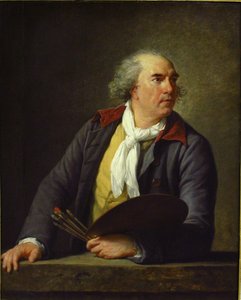
ユベール・ロベール
1733 - 1808 , フランス
プロフィール概要
- Artistic Movement Or Style: ロマン主義、新古典主義
- Artists Or Movements Influenced By This Artist: ['ロマン主義']
- Artists Who Influenced This Artist:
- ジョヴァンニ・パニーニ
- ピラネージ
- Date Of Birth: 1733年5月22日
- Date Of Death: 1808年4月15日
- Full Name: ユベール・ロベール
- Nationality: フランス人
- Notable Artworks (List Of Titles):
- ローマの港
- ガラテアの飛行
- ルーブル美術館
- Place Of Birth (City And Country): フランス、パリ