
 プレビュー
プレビュー
 シェアする
シェアする シェアする
シェアする
 詳細を見る
詳細を見る

 ダウンロード
 似ている作品
 X線調査
X線調査 スライドショー
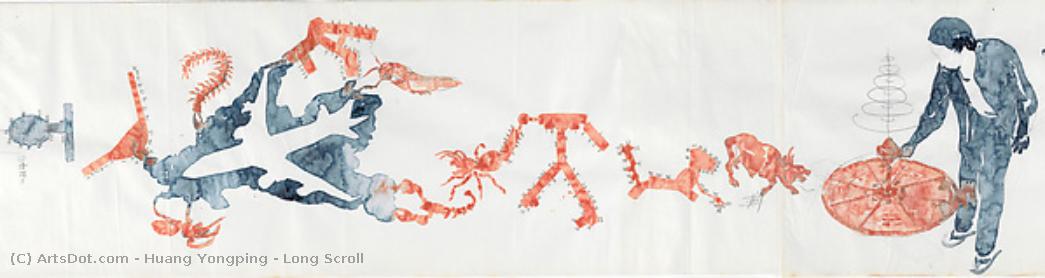
Long Scroll
 Contemporary Dada
 2001
2001 34.0 x 1532.0 cm
 詳細を見る
詳細を見る
オンラインプレビューをはるかに凌ぐ、高解像度で鮮明なデジタル画像をご購入いただけます。
各ファイルは、社内の専門家が高度なツールと熟練した手作業によるレタッチを用いて、細心の注意を払って準備されています。すべての画像において、卓越した鮮明度、正確な色彩再現性、そして繊細なディテールを保証いたします。
最終ファイルは、プロフェッショナルな編集・印刷環境ですぐにご利用いただけるよう最適化された状態で、72時間以内にメールにてお届けいたします。これは、一流のデザインスタジオ、出版社、ギャラリーから信頼されているものと同等の品質です。
デジタルアート
個人での鑑賞、印刷、クリエイティブなプロジェクト用に、高解像度ファイルをダウンロードできます。 ( プリント版に切り替え 手描き画への切り替え)
デジタル画像のご注文に付随する特典
高品質なデジタル画像配信を、確かな品質で。
OriginalUniqueArt.com を選ぶことは、単に画像を手に入れることではありません。それは、プロの手によって精密に仕上げられ、満足保証が付いた高品質なデジタルアートワークを受け取ることを意味します。ご注文いただいた際に自動的に付随する内容は、以下の通りです:

メールですぐにお届け
ご注文から72時間以内に、高解像度のデジタル画像ファイルがメールでお手元に届きます。すぐにそのままご利用いただけます。

AI技術で最適化されたデジタルファイル
お客様の作品は、高度なAIツールと専門家による手作業の編集を組み合わせてプロフェッショナルに最適化されており、細部のディテール、鮮明さ、そして正確な色再現性を最大限に引き出しています。

一生涯無料の再送サービス
ファイルを誤って削除したり、紛失してしまったりしましたか?ご安心ください。いつでも無料で再送いたします。

輸入手数料は一切かかりません
関税や手数料、配送料を気にすることなく、お気に入りのアートワークをすぐにお楽しみいただけます。デジタルダウンロードは常に免税です。

色彩再現の保証
プロ仕様のツールとカラーマネジメント技術を用いることで、デジタル画像が元の色を最大限に忠実に再現することを保証いたします。

60日間満足保証
ご購入いただいたデジタル画像にご満足いただけない場合は、60日以内であれば、修正または100%の返金(理由を問う必要はありません)をさせていただきます。

100% 返金保証
ご満足いただけない場合は、デジタルファイルを受け取ってから60日以内であれば、理由を問わず全額返金いたします。

まとめ買い割引
3枚購入で10%OFF - 5枚購入で15%OFF - 10枚以上購入で20%OFF。クリエイティブなプロジェクト、ギャラリー、エージェンシーに最適です。
作品の詳細
作家の略歴
A Provocateur of Perception: The Life and Art of Huang Yongping
Huang Yongping, a name synonymous with conceptual audacity and philosophical inquiry in contemporary Chinese art, emerged as a pivotal figure challenging established norms and prompting critical reflection on history, culture, and the very nature of artistic creation. Born in Xiamen, Fujian Province, China, in 1954, his journey began amidst the tumultuous final years of Mao Zedong’s rule and unfolded through decades of profound societal transformation. Unlike many artists who followed a traditional academic path, Huang's early exposure to art was largely self-directed, fueled by an insatiable curiosity and a rebellious spirit. He initially studied mechanical engineering at Xiamen University, a background that would later profoundly influence his sculptural installations and his fascination with deconstruction. The Cultural Revolution cast a long shadow over his formative years, instilling in him a deep skepticism towards authority and a desire to dismantle conventional ideologies—themes that permeate his entire oeuvre. His early artistic endeavors were rooted in the avant-garde movement of the 1980s, specifically within the Xiamen Dada group, where he experimented with performance art and installation, often employing provocative imagery and challenging materials. This period was characterized by a rejection of socialist realism and an embrace of Western conceptual art practices, though Huang never simply adopted these ideas wholesale; instead, he filtered them through his own unique cultural lens.Deconstructing History: The Evolution of a Unique Aesthetic
Huang Yongping’s artistic development is marked by a consistent interrogation of power structures and the narratives they construct. He quickly moved beyond purely formal experimentation to create works that directly confronted China's complex history, particularly its relationship with Western imperialism and traditional cultural values. A turning point came in the late 1980s with his large-scale installations, which often involved meticulously recreating historical artifacts or iconic objects—only to then subject them to a process of deliberate destruction or alteration. “The Bridge,” created in 1988, exemplifies this approach. The work consisted of a painstakingly reconstructed replica of a traditional Chinese bridge, built from discarded materials and destined for eventual decay, symbolizing the fragility of cultural heritage and the inevitable passage of time. This act wasn’t merely destructive; it was a symbolic dismantling of idealized notions of history and tradition. His fascination with Western philosophy, particularly Nietzsche and Derrida, further informed his deconstructive practice. He sought to expose the inherent contradictions within systems of thought and representation, questioning the very foundations upon which knowledge is built. This philosophical underpinning led him to explore themes of chaos, randomness, and the limitations of human understanding. He wasn’t interested in offering solutions or definitive answers; rather, he aimed to provoke dialogue and encourage viewers to question their own assumptions about the world around them.Major Achievements and Iconic Works
Throughout his career, Huang Yongping produced a series of groundbreaking works that cemented his reputation as one of China’s most important contemporary artists. “The Theatre of the World” (1993), perhaps his most ambitious project, stands as a testament to his conceptual rigor and theatrical sensibility. This monumental installation comprised a vast landscape populated by hundreds of live animals—snakes, lizards, birds, and insects—interacting with miniature replicas of famous monuments from around the world. The work was presented within a darkened space, creating an unsettling atmosphere that evoked both wonder and anxiety. It served as a powerful metaphor for the interconnectedness of all living things and the precarious balance between civilization and nature. Another significant achievement is his series of “Wash Paintings,” which involved meticulously painting traditional Chinese landscapes onto large sheets of industrial plastic, then crumpling or folding them, disrupting their serene beauty with deliberate acts of distortion. These works challenged the conventional aesthetics of Chinese ink painting while simultaneously acknowledging its enduring power. “Lady from the Southern Dynasties” (1996), a life-sized sculpture of a reclining female figure constructed from metal and found objects, further exemplifies his exploration of cultural identity and gender roles. The work’s fragmented form and unsettling materiality challenged traditional representations of femininity in Chinese art history.Historical Significance and Lasting Legacy
Huang Yongping's impact on contemporary Chinese art is undeniable. He played a crucial role in challenging the dominance of socialist realism and paving the way for a more diverse and experimental artistic landscape. His work resonated with a generation of artists grappling with questions of identity, history, and cultural change in post-Mao China. He was among the first to openly address sensitive political issues and critique the legacy of colonialism, setting a precedent for greater freedom of expression within the art world.- His deconstructive approach influenced countless artists exploring themes of fragmentation, memory, and representation.
- Huang’s willingness to embrace unconventional materials and techniques expanded the boundaries of sculptural practice in China.
- He fostered a critical dialogue about the relationship between art, philosophy, and politics.

プロフィール概要
- Artistic Movement Or Style: Neo-Conceptual Art
- Date Of Death: Living
- Full Name: Huang Yongping
- Nationality: Chinese
- Notable Artworks:
- The Bridge
- Lady from the Southern Sea
- War Machine

