
 プレビュー
プレビュー
 シェアする
シェアする シェアする
シェアする
 詳細を見る
詳細を見る

 ダウンロード
 似ている作品
 X線調査
X線調査 スライドショー
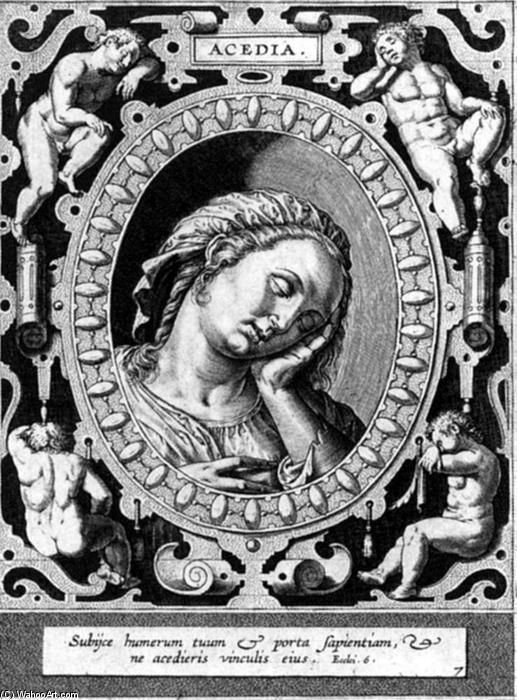
Acedia


 詳細を見る
詳細を見る
オンラインプレビューをはるかに凌ぐ、高解像度で鮮明なデジタル画像をご購入いただけます。
各ファイルは、社内の専門家が高度なツールと熟練した手作業によるレタッチを用いて、細心の注意を払って準備されています。すべての画像において、卓越した鮮明度、正確な色彩再現性、そして繊細なディテールを保証いたします。
最終ファイルは、プロフェッショナルな編集・印刷環境ですぐにご利用いただけるよう最適化された状態で、72時間以内にメールにてお届けいたします。これは、一流のデザインスタジオ、出版社、ギャラリーから信頼されているものと同等の品質です。
デジタルアート
個人での鑑賞、印刷、クリエイティブなプロジェクト用に、高解像度ファイルをダウンロードできます。 ( プリント版に切り替え 手描き画への切り替え)
デジタル画像のご注文に付随する特典
高品質なデジタル画像配信を、確かな品質で。
OriginalUniqueArt.com を選ぶことは、単に画像を手に入れることではありません。それは、プロの手によって精密に仕上げられ、満足保証が付いた高品質なデジタルアートワークを受け取ることを意味します。ご注文いただいた際に自動的に付随する内容は、以下の通りです:

メールですぐにお届け
ご注文から72時間以内に、高解像度のデジタル画像ファイルがメールでお手元に届きます。すぐにそのままご利用いただけます。

AI技術で最適化されたデジタルファイル
お客様の作品は、高度なAIツールと専門家による手作業の編集を組み合わせてプロフェッショナルに最適化されており、細部のディテール、鮮明さ、そして正確な色再現性を最大限に引き出しています。

一生涯無料の再送サービス
ファイルを誤って削除したり、紛失してしまったりしましたか?ご安心ください。いつでも無料で再送いたします。

輸入手数料は一切かかりません
関税や手数料、配送料を気にすることなく、お気に入りのアートワークをすぐにお楽しみいただけます。デジタルダウンロードは常に免税です。

色彩再現の保証
プロ仕様のツールとカラーマネジメント技術を用いることで、デジタル画像が元の色を最大限に忠実に再現することを保証いたします。

60日間満足保証
ご購入いただいたデジタル画像にご満足いただけない場合は、60日以内であれば、修正または100%の返金(理由を問う必要はありません)をさせていただきます。

100% 返金保証
ご満足いただけない場合は、デジタルファイルを受け取ってから60日以内であれば、理由を問わず全額返金いたします。

まとめ買い割引
3枚購入で10%OFF - 5枚購入で15%OFF - 10枚以上購入で20%OFF。クリエイティブなプロジェクト、ギャラリー、エージェンシーに最適です。
作品の詳細
A Study in Slumber: Hieronymus Wierix’s “Acedia”
Hieronymus Wierix's "Acedia," a meticulously rendered engraving from around 1600, isn’t merely a depiction of a sin; it’s a profound meditation on the human condition – a hauntingly beautiful exploration of apathy and the seductive allure of inaction. Created during a period of intense religious upheaval in the Netherlands, this work speaks to the anxieties and moral complexities of its time, offering a timeless reflection on the struggle between spiritual aspiration and worldly comfort.
The image centers upon a female figure, embodying Acedia itself, her posture radiating an almost unbearable languor. She rests her head upon her hand, a gesture simultaneously vulnerable and defiant. Around her swirl symbolic elements designed to amplify the sin’s insidious nature. To her right, a young man gazes into a mirror, lost in self-admiration – a potent representation of vanity, a distraction from the true path. Across from him, a figure pours water upon a stone, an act of futile cleansing, suggesting a desperate but ultimately ineffective attempt to wash away the consequences of idleness. The background is filled with intricate patterns and small putti-like figures, adding layers of complexity and hinting at the spiritual battles waged within the human soul.
The Master’s Technique: Engraving as Revelation
Wierix was a master of the engraving technique, renowned for his ability to achieve astonishing detail and tonal variation through careful manipulation of line. This particular print is a prime example; the image is constructed from thousands of precisely incised lines, creating a surface that appears both smooth and textured simultaneously. The artist’s use of hatching and cross-hatching – layering parallel lines to build up shadow – is particularly noteworthy, lending depth and volume to the figures and background elements. The monochrome palette—a carefully orchestrated range of grays from near black to pale white—heightens the sense of melancholy and emphasizes the stark contrast between light and darkness, mirroring the internal struggle depicted within the scene.
The process itself was demanding, requiring immense patience and skill. The artist would first create a copper plate, meticulously drawing the design with a needle or stylus. Then, using acid, he would incise the lines into the metal surface. Finally, the plate was inked and pressed onto paper, transferring the image in reverse. This painstaking method is evident in every delicate line and subtle shading, underscoring Wierix’s dedication to his craft.
Symbolism and Spiritual Weight
Beyond its immediate visual impact, “Acedia” is rich with symbolic meaning. The central figure represents not just laziness but a deeper spiritual malaise – a detachment from God and a failure to embrace virtue. The mirror symbolizes vanity, a trap that draws the viewer away from introspection and genuine connection. The pouring water signifies an attempt at purification, yet it’s ultimately ineffective against the root cause of the sin: a lack of will. The putti figures, often associated with angels or divine messengers, could represent the constant temptation to stray from the righteous path.
Wierix was deeply influenced by the religious art of the Renaissance and early Baroque periods, particularly the works of Albrecht Dürer, whose meticulous detail and symbolic imagery he greatly admired. This print reflects a similar commitment to conveying moral lessons through carefully constructed visual narratives – a testament to the enduring power of art as a vehicle for spiritual instruction.
A Timeless Reflection: Reproduction and Inspiration
Reproductions of “Acedia” offer a remarkable opportunity to experience the artistry and emotional depth of this iconic engraving. Whether displayed in a private collection or incorporated into an interior design scheme, this image evokes a sense of quiet contemplation and invites viewers to consider their own relationship with virtue, temptation, and the pursuit of meaning. Wierix’s masterful rendering of human emotion and his profound understanding of symbolism continue to resonate today, making “Acedia” a timeless masterpiece that transcends its historical context.
作家の略歴
The Master of the Intricate Line: The Life of Hieronymus Wierix
In the bustling, vibrant heart of sixteenth-century Antwerp, a period defined by both immense artistic flourishing and profound religious upheaval, the name Hieronymus Wierix emerged as a hallmark of technical perfection. Born in 1553 into a lineage of celebrated engravers, Wierich was not merely an artist but a scion of a formidable dynasty. His brothers, Jan and Antoine, were equally vital to the Antwerp printmaking tradition, yet Hieronymus possessed a singular ability to translate complex theological narratives into miniature masterpieces of unparalleled precision. His early training under Jerome Manacker provided him with a rigorous foundation in the classical ideals of the Renaissance, but it was his immersion in the industrious atmosphere of the Plantin Press that truly forged his destiny. Joining the prestigious workshop of Christophe Plantin at the tender age of seventeen, Wierix began a prolific journey that would see him produce hundreds of engravings, each serving as a window into the spiritual and political soul of the Low Countries.
The artistry of Wierix is characterized by an almost hypnotic level of detail, often executed on a remarkably small scale. This intimacy requires the viewer to lean in, discovering a world where every cross-hatch and fine line contributes to a larger, more profound symbolic language. His work serves as a bridge between the meticulous, structured compositions of the Northern Renaissance—reminiscent of the legendary Albrecht Dürer—and the burgeoning emotional drama of the Baroque era. In works such as St Michael Slaying the Dragon, one can witness this transition; the composition possesses the structural integrity of the earlier masters, yet it is infused with a dynamic energy and a sense of divine struggle that anticipates the theatricality of the seventeenth century.
Symbolism, Sin, and the Sacred Narrative
Beyond mere technical virtuosity, Wierix was a master storyteller who utilized the medium of engraving to explore the deepest recesses of the human condition. His prints often functioned as visual sermons, designed to provoke contemplation on morality, virtue, and the eternal struggle between good and evil. This is perhaps most strikingly evident in his allegorical explorations of the Seven Deadly Sins. In his depiction of Acedia, Wierix employs a captivating visual narrative to illustrate the paralyzing nature of sloth and spiritual apathy. Through carefully orchestrated symbolism, he transforms a psychological state into a tangible, haunting image that resonates with both theological depth and artistic grace.
The artist’s repertoire also extended into the profound mysteries of the Christian faith, where he sought to render the divine in a way that was both accessible and awe-inspiring. His Earthly and Heavenly Trinity stands as a testament to his ability to weave complex theological concepts into a cohesive, textured visual experience. In these works, the interplay of light and shadow—achieved through masterful control of the burin—creates a sense of depth that makes the sacred figures appear almost tactile. This capacity to marry the intellectual rigor of humanist thought with the visceral impact of religious devotion allowed his prints to circulate widely across Europe, making him a vital agent in the dissemination of both art and ideology during the Dutch Revolt.
Legacy of an Antwerp Master
The historical significance of Hieronymus Wierix lies not only in the beauty of his individual plates but in his role as a cornerstone of the Flemish printmaking tradition. His career, spanning from the late sixteenth century into the early seventeenth, coincided with some of the most transformative decades in European history. As a member of the Wierix family, he helped establish Antwerp as the preeminent center for the production and distribution of high-quality prints, a legacy that influenced generations of engravers to follow. His ability to navigate the shifting political landscapes of his time—incorporating allegorical and even political themes into his work—demonstrates an artist who was deeply attuned to the pulse of his era.
Today, when we examine the works of Wierix, we see more than just relics of a bygone age; we see the pinnacle of a craft where the hand of the artist and the edge of the tool work in perfect harmony. His contributions can be summarized through several enduring achievements:
- Technical Mastery: The refinement of fine-line engraving techniques that allowed for unprecedented detail on a miniature scale.
- Cultural Influence: A significant role in the global dissemination of religious and humanist ideas through the medium of print.
- Stylistic Synthesis: The successful integration of Renaissance precision with Baroque emotional intensity.
- Dynastic Contribution: Strengthening the prestige of the Antwerp school of engraving through his collaboration with the Plantin Press.

Hieronymus Wierix
1553 - 1619

