

 設置イメージを確認
 送る
送る シェア
シェア
 詳細情報
詳細情報 ガイドを表示

 画像をダウンロード
 似ている作品
 X線調査
X線調査 スライドショー
 統計情報
統計情報LES DEUX RIVAUX


 続きを読む
続きを読む
手描き油彩複製画
当社のアーティストが、お客様のご希望のサイズと額縁に合わせて、キャンバスに手描きで制作する油彩画です。 ( プリント版に切り替え デジタル画像販売へ切り替え)




P118B ¥10

P118H ¥10

P118W ¥10

P438Z ¥10

P508JH ¥12

P508YH ¥12

P805H ¥10

P805Z ¥10

P919BZ ¥10

P919G ¥10

P919XJ ¥10

P959ZH ¥10

P968JZ ¥12

W106C ¥8

W218G ¥10

W218JH ¥8

W218Y ¥10

W307PJ ¥10

W316G ¥10

W316PJ ¥8

W316Y ¥10

W398PJ ¥8

W4111J ¥10

W500HY ¥15

W500JH ¥15

W692G ¥12

W849H ¥8

W940BG ¥15

W953PJ ¥8




作品のオリジナル比率に合わせた、当店の規定サイズからお選びください。

フレームや壁のスペースに合わせて、ご希望の幅と高さを入力してください。本作品は手描きのため、異なる比率のサイズをご希望の場合、絵画の周囲を少し広げて描くか、あるいは端を少しカットして調整することが可能です。お客様のご要望に合わせます。制作を開始する前に、仕上がりを確認するためのデジタルモックアップをお送りいたします。このページに表示されている画像は完成品の実物ではなく、あくまでモックアップによるイメージです。
ご注文後、OriginalUniqueArt.com チームより詳細な指示をお送りするとともに、仕上がりイメージ(モックアップ)をご提供いたします。


 ガラスオプションは、110cm未満のサイズでのみご利用いただけます。

LES DEUX RIVAUX
再現技法
複製画サイズ一覧
-


合計金額
¥ 55109
A Study in Romantic Rivalry: Unveiling “Les Deux Riviaux”
Henry Singleton’s “Les Deux Riviaux,” a captivating oil painting from the late 18th or early 19th century, transcends mere portraiture to become a poignant meditation on romantic tension and unspoken desire. More than just a depiction of three figures, it's a carefully constructed tableau brimming with emotional complexity—a scene frozen in a moment of poised conflict and veiled longing. The painting immediately draws the viewer into its world of muted elegance and subtle drama, inviting contemplation of the relationships between the individuals depicted.
Singleton’s work firmly places itself within the Neoclassical and early Romantic traditions, a period characterized by an interest in both classical ideals of beauty and a burgeoning exploration of subjective experience. The composition—a triangular arrangement centered around the woman—is deliberately balanced, yet subtly unsettling. The figures are rendered with a remarkable degree of realism, reflecting the meticulous attention to detail typical of the era, but imbued with a heightened sense of emotionality. Notice how Singleton masterfully employs light and shadow to sculpt the forms, creating an atmosphere of both intimacy and restrained power.
Decoding the Composition: Figures in Dialogue
At the heart of the painting stands a woman, positioned between two men—a dynamic that immediately establishes the core narrative. The man seated to her right, his hand outstretched as if pleading or offering a token of affection, embodies vulnerability and perhaps desperation. His attire – a richly colored jacket and hat – speaks to his status and adds to the scene’s formality. The second man, standing slightly to the left, observes this interaction with an expression that suggests disappointment, rejection, or perhaps a quiet resignation. This figure's posture and averted gaze hint at a thwarted ambition or unrequited feelings. The woman herself remains enigmatic; her expression is difficult to decipher—is she receptive, wary, or simply observing? Her placement between the two men underscores her pivotal role in this delicate dance of emotions.
Singleton’s use of color plays a crucial role in conveying the painting's mood. The palette is dominated by soft creams, whites, and grays—a restrained elegance that contrasts sharply with the vibrant reds of the men’s jackets and hats. These splashes of color serve as focal points, drawing attention to key elements within the composition and injecting a sense of urgency into the scene. The atmospheric perspective – the subtle blurring of background details – creates a sense of depth and distance, further emphasizing the intimacy of the immediate interaction.
Technique and Historical Context: A Master’s Hand
Examining Singleton's technique reveals a skilled artist deeply invested in his craft. The brushstrokes are visible yet controlled, contributing to the painting’s overall texture and richness. Layering of colors creates depth and form, while careful attention to detail is evident in the rendering of fabrics, facial features, and accessories. Singleton’s work reflects the artistic conventions of the time—a focus on realistic representation combined with a heightened sense of emotional expression. The subject matter itself – romantic rivalry – was a common theme in 18th-century art, often explored through allegorical or mythological narratives.
Further research reveals that Henry Singleton (1766-1839) was an English painter and miniaturist who exhibited at the Royal Academy for decades. His work is now held in major collections across the United Kingdom. The painting’s provenance, as documented by the Musée du Louvre, adds to its historical significance, placing it within a rich artistic lineage. The inclusion of detailed research links this artwork to both Singleton's broader career and contemporary art history.
Bringing “Les Deux Riviaux” into Your Space
“Les Deux Riviaux” is more than just a beautiful painting; it’s a powerful evocation of human emotion. Its themes of romantic tension, unrequited love, and unspoken desires resonate deeply with viewers today. A high-quality reproduction offers an accessible way to bring this captivating artwork into your home or office, adding a touch of elegance, drama, and emotional depth to any space. Consider framing it in a classic style to complement its historical aesthetic, or exploring digital prints for a versatile display option.
よくあるご質問
「LES DEUX RIVAUX」において、コントラストと調和はどのように組み合わさっているのでしょうか?
「LES DEUX RIVAUX」では、Statementな対比とStrong Color Unityな調和が共存しています。
ヘンリー・シングルトン作「LES DEUX RIVAUX」 の色彩は、どの程度調和していますか?
「LES DEUX RIVAUX」の色彩の調和は、Strong Color Unityと表現されます。
ヘンリー・シングルトン作「LES DEUX RIVAUX」は、Neoclassicismにおいてどのような情緒を表現していますか?
Neoclassicismのムーブメントにおいて、「LES DEUX RIVAUX」はMelancholicなトーンで描かれています。
アーティストについて
ミニチュールと肖像画の巨匠が遺したもの
1766年、芸術の息吹が満ち溢れるロンドンの豊かなタペストリーの中に、ヘンリー・シングルトンは生を受けた。彼の人生は、筆とパレットによって彩られる運命にあったと言えるだろう。幼少期の彼は、芸術との深い家族的な繋がりの中で育まれた。乳児期に父を早くに亡くしたシングルトンは、叔父ウィリアム・シングルトンの慈しみ深い指導のもとで成長していく。この師弟関係は、単なる家族としての安定をもたらしただけではない。高名なオジアス・ハンフリーに師事したことで、英国ミニチュール画の輝かしい伝統へと直接つながる系譜を彼に授けたのである。王立アカデミーの公認展示作家である叔父や姉妹たちに囲まれ、芸術が日常の共通言語である環境で育ったシングルトンの才能は、受け継がれた技術と芽生え始めた個人の才覚が有機的に融合し、着実に開花していった。
青年期に入ると、シングルトンは画面のスケールと主題の両面において、驚くべき早熟な支配力を示した。10代後半に王立アカデミー・スクールでの正規教育を開始すると、1784年にはすでに銀メダルを獲得し、恐るべき才能の持ち主としてその名を轟かせた。初期の学術的な評価が頂点に達したのは1788年のことであり、ジョン・ドライデンの詩『アレクサンダーの饗宴』を描いた野心的な作品によって、名誉ある金メダルを手にしたのである。この快挙は、彼がミニチュール画という繊細な枠組みを超え、壮大で流麗な歴史画や聖書画へと挑戦しようとした、キャリアにおける重要な転換点を象徴している。聖書やシェイクスピア、そして当時の歴史から複雑な物語を紡ぎ出す彼の能力は、その時代の主要な機関が求めた大規模なキャンバスにおいても、見る者の視線を釘付けにする力を持っていた。
不朽の存在感を放ち続けた生涯
初期の野心が記念碑的な大作へと向かっていた一方で、シングルトンの職業的な歩みは、競争の激しいロンドンの芸術界において長きにわたって生き残ることを可能にした、驚異的な多才さによって特徴づけられる。彼は王立アカデティブの常連となり、1784年から1839年の間に約300点もの作品を展示した。彼の波乱に満ちたキャリアには、ある切ない皮肉が漂っている。1793年には、40名の会員を描く巨大なグループ肖像画の制作を王立アカデミーから依頼されたものの、彼自身が正式な会員や準会員という地位に昇り詰めることは一度もなかったのである。しかしながら、その存在感は極めて一貫しており、その技術は深く尊敬されていたため、最終的には王立アカデミーにおける最高齢の現役展示作家となった。それは、自らの技法に対して生涯を捧げた揺るぎない献身の証であった。
彼のレパートリーは、技術的な熟練度と同様に多岐にわたり、以下のような異なる様式を網羅していた:
- 肖像画:彼のキャリアの柱であり、人物の個性や社会的地位を捉える卓越した能力によって、英国のエリート層から切望される画家となった。
- ミニチュール:家族の伝統を受け継いだこれらの親密な小品は、彼の精密さと繊細な筆致を見事に示している。
- 歴史画および聖書画:劇的な光の演出と物語の深みを用いて、宗教的・文学的な主題を探求した大規模な構図。
王立アカデミーの枠を超え、シングルトンの影響力は英国協会や英国画家協会にも及び、彼の作品は幅広いコレクターや鑑定家たちの目に触れることとなった。1839年、ロンドンでの生涯を閉じた彼が遺した作品群は、18世紀後半から19世紀初頭にかけての美意識を覗き見るための極めて重要な窓となっている。肖像画や歴史的場面を通じて、シングルトンは同時代の人々の顔だけでなく、古典的な壮大さとミニチュールの親密な美しさが定義した、あの時代の精神そのものを描き出したのである。

ヘンリー・シングルトン
1766 - 1839 , イギリス
アーティスト情報
- Artistic Movement Or Style: ロココ
- Artists Or Movements Influenced By This Artist: ['シェイクスピア']
- Artists Who Influenced This Artist:
- オジーアス・ハンフリー
- ジョセフ・シングルトン
- Date Of Birth: 1766-10-19
- Full Name: ヘンリー・シングルトン
- Nationality: イギリス
- Notable Artworks:
- コシチュシコに自由を授けるパウロ1世
- フランス艦エルキュール74にかけての、アレクサンダー・フード大尉の死
- Place Of Birth: イングランド、ロンドン
関連記事

油彩のキャンバス:技法、歴史、そして現代の実践 - 古典美術愛好家へ
油彩の技法、歴史、巨匠たちの秘密を徹底解説。古典美術愛好家向けに、初期フランドル絵画から現代の実践まで深く掘り下げます。OriginalUniqueArtで高品質な複製画やカスタムオーダーも承ります。

The Enduring Power of Painting: A Historical & Contemporary Exploration of Form and Emotion
Explore the rich history & enduring techniques of oil painting with OriginalUniqueArt. Discover masterpieces, learn about art collecting, and find authentic handmade reproductions crafted by skilled artists.
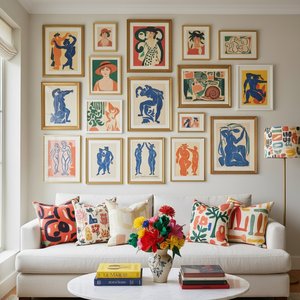
アンリ・マティスの傑作25選:色彩と情熱の軌跡|OriginalUniqueArt
アンリ・マティスの傑作25選🎨 色彩と情熱が織りなす世界を旅する。フォーヴィスム代表の巨匠、マティスの絵画の魅力と歴史を紐解きます。OriginalUniqueArtで高品質なアートプリントや複製画を見つけ、インテリアに芸術的な輝きを✨ Explore the full collection online

The Enduring Legacy of Oil on Canvas: Technique, History & Aesthetic Impact
Explore the rich history & techniques of oil painting – from Renaissance masters to Impressionism. Discover pigments, layering methods, and why this timeless medium endures. Expert insights for artists & art enthusiasts.

Oil on Canvas: A Historical & Technical Exploration of a Timeless Artistic Medium
Explore the rich history & enduring techniques of oil painting on canvas. Discover the science behind its longevity, conservation practices, and contemporary relevance. Expert insights for art enthusiasts.
