

 プレビュー
プレビュー
 シェアする
シェアする シェアする
シェアする
 詳細を見る
詳細を見る

 ダウンロード
 似ている作品
 X線調査
X線調査 スライドショー
Sir John Ligonier

 詳細を見る
詳細を見る
ジークレー/アートプリント
迅速な制作と多彩な仕上げオプションを備えた、ミュージアムクオリティのジークレーまたはキャンバスプリント。 ( 手描きの絵画を購入 画像を購入)




































作品のオリジナル比率に合わせた、当店の規定サイズからお選びください。

特定のフレームやスペースに合わせて、ご自身でサイズを指定することも可能です。選択されたサイズが元の画像の比率と一致しない場合、作品をトリミングするか、鏡面反射または単色での塗りつぶしによって画像を拡張いたします。制作を開始する前に、ご確認用のデジタルモックアップをお送りいたします。
画面上のプレビューには、実際のトリミングや拡張は反映されませんのでご注意ください。最終的な構図を正確に確認できるのは、モックアップのみとなります。
カスタムサイズも承っておりますが、元の比率を維持するためには、あらかじめ用意されたリストからサイズを選択することをお勧めいたします。


 ガラスオプションは、110cm未満のサイズでのみご利用いただけます。

Sir John Ligonier
ジークレー/アートプリント
複製画のサイズ
-


合計金額
$ 80
アーティストの略歴
Henry Robert Morland: A Painter of Domestic Tranquility and Artistic Legacy
Henry Robert Morland (1716 – 1797) stands as a pivotal figure in British art history, primarily recognized for his serene depictions of rural life and his role as the father of George Morland, another celebrated landscape painter. Born in London amidst the burgeoning Enlightenment era, Morland’s artistic journey unfolded against a backdrop of social change and intellectual curiosity—influences that profoundly shaped his distinctive style and enduring appeal.- Early Life & Artistic Training: Morland’s formative years were marked by exposure to the artistic milieu of London, where he apprenticed under John Russell Sr., honing his skills in portraiture and establishing a foundational understanding of classical composition.
A Career Defined by Observation and Detail
Morland's professional life commenced with commissions for portraits—primarily aristocratic families—demonstrating an early aptitude for capturing likenesses with accuracy and sensitivity. However, his artistic ambition extended beyond formal portraiture; he embraced the genre of domestic scenes, meticulously rendering interiors populated by ordinary individuals engaged in everyday activities. This preference for portraying commonplace subjects distinguished him from many of his contemporaries and cemented his reputation as a master of tonal subtlety and atmospheric perspective. He exhibited extensively throughout his career at prestigious venues like the Society of Artists, the Free Society, and notably, the Royal Academy between 1760 and 1791, showcasing approximately 118 works—a testament to his prolific output and artistic acclaim.- Technique & Style: Morland’s technique was characterized by a deliberate restraint, prioritizing tonal gradation and nuanced brushwork over flamboyant ornamentation. He favored crayon as a medium for sketching preliminary studies, achieving remarkable textural effects that anticipated Impressionism decades later.
The Morland Family Legacy: George Morland's Influence
Perhaps Morland’s most significant contribution to British art lies in his son, George Morland (1763 – 1804), who inherited his father’s artistic sensibilities and established himself as one of the era’s foremost landscape painters. Henry Robert Morland actively encouraged George's artistic development, fostering a collaborative spirit that ensured the continuation of their distinctive aesthetic vision—a legacy that continues to inspire artists today.- Notable Achievements & Recognition: Morland achieved considerable success during his lifetime, securing lucrative commissions and establishing himself as a respected member of London’s artistic community. His portrait of King George III stands as an iconic image of the Georgian monarchy—a masterful depiction capturing regal dignity and conveying a sense of stately grandeur.
Beyond Painting: Engraving & Artistic Supply
Morland's entrepreneurial spirit extended beyond artistic creation; he skillfully navigated the commercial landscape, engaging in mezzotint engraving and supplying artists’ materials—including crayons that he personally crafted. This multifaceted approach underscored his commitment to both artistic excellence and practical innovation—a rare combination for an artist of his time. Despite periods of financial instability and eventual bankruptcy, Morland remained a steadfast advocate for artistic pursuits, leaving behind a lasting impact on the visual culture of Britain.Historical Significance & Enduring Appeal
Henry Robert Morland’s oeuvre embodies the spirit of Enlightenment art—a focus on observation, psychological realism, and an appreciation for the beauty of everyday life. His paintings continue to resonate with audiences today due to their tranquil atmosphere, meticulous detail, and understated elegance—qualities that transcend temporal boundaries and solidify his place as a cornerstone of British artistic heritage.
Henry Robert Morland
1716 - 1797 , United Kingdom
基本情報
- Artistic Movement Or Style: Genre Painting
- Artists Or Movements Influenced By This Artist: ['Neoclassical Art']
- Artists Who Influenced This Artist: ['George Henry Morland']
- Date Of Birth: London, United Kingdom (1716)
- Date Of Death: Stephen street, rathbone place, London (1797)
- Full Name: Henry Robert Morland
- Nationality: British
- Notable Artworks:
- Woman Reading By A Paper-bell Shade
- Portrait of Miss Earle
- Sir Eyre Coote
- Place Of Birth: London
関連記事
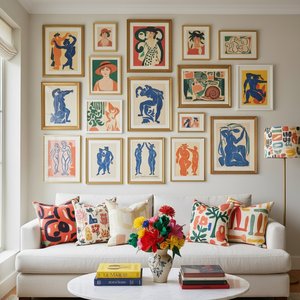
アンリ・マティスの傑作25選:色彩と情熱の軌跡|OriginalUniqueArt
アンリ・マティスの傑作25選🎨 色彩と情熱が織りなす世界を旅する。フォーヴィスム代表の巨匠、マティスの絵画の魅力と歴史を紐解きます。OriginalUniqueArtで高品質なアートプリントや複製画を見つけ、インテリアに芸術的な輝きを✨ Explore the full collection online

Baroque Classicism: The Grandeur of Order and Drama in 17th-Century Art History
Explore the profound elegance of Baroque Classicism. Discover how 17th-century masters synthesized dramatic emotion with classical order through the lens of the Counter-Reformation and the works of legends like Carlo Maratta and Andrea Sacchi.
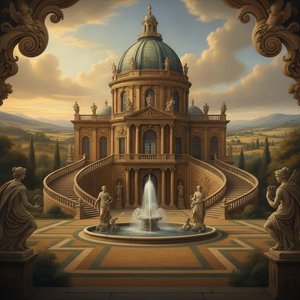
Baroque Classicism: Reconciling Drama & Order in 17th-Century Art
Explore the captivating world of Baroque Classicism! Discover its history, key artists like Caravaggio & Rubens, and defining characteristics. Expert insights & high-quality reproductions at OriginalUniqueArt.
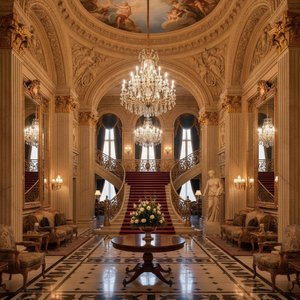
Baroque Classicism: A Professional Guide to Integrating Timeless Grandeur into Luxury Hotel Interiors
Elevate luxury hospitality with Baroque Classicism. Our guide for hotel designers explores integrating grand, classical oil reproductions into professional interiors. Discover efficient bulk procurement, custom sizing, and large-format murals to create timeless, high-impact spaces.

バロックのドラマ:現代のインテリアに壮麗さと情感を取り込む
バロック様式の歴史、絵画、家具の魅力をご紹介。OriginalUniqueArtでは、高品質な油絵複製やカスタムポートレートをご提供し、現代のインテリアに壮麗さと情感を取り入れます。アートコンサルテーションも承ります。

