

 設置イメージを確認
 送る
送る シェア
シェア
 詳細情報
詳細情報 ガイドを表示

 画像をダウンロード
 似ている作品
 X線調査
X線調査 スライドショー
 統計情報
統計情報Salome
 Orientalist Painting
 1870
1870 160.0 x 103.0 cm
 メトロポリタン美術館
 続きを読む
続きを読む
ジークレー/アートプリント
スピーディーな制作と多彩な仕上げオプションが魅力の、ミュージアムクオリティなジークレー・キャンバスプリント。 ( 手描きの複製画を注文する デジタル画像販売へ切り替え)




P118B ¥10

P118H ¥10

P118W ¥10

P438Z ¥10

P508JH ¥12

P508YH ¥12

P805H ¥10

P805Z ¥10

P919BZ ¥10

P919G ¥10

P919XJ ¥10

P959ZH ¥10

P968JZ ¥12

W106C ¥8

W218G ¥10

W218JH ¥8

W218Y ¥10

W307PJ ¥10

W316G ¥10

W316PJ ¥8

W316Y ¥10

W398PJ ¥8

W4111J ¥10

W500HY ¥15

W500JH ¥15

W692G ¥12

W849H ¥8

W940BG ¥15

W953PJ ¥8




作品のオリジナル比率に合わせた、当店の規定サイズからお選びください。

額縁や壁のスペースに合わせて、ご希望の幅と高さを入力してください。プリントはカットすることは可能ですが、元の画像より大きくすることはできないため、異なる比率のサイズを選択された場合は、画像の一部が欠けることになります。印刷を開始する前に、内容を確認していただくためのデジタルモックアップをお送りいたします。このページに表示されている画像は、実際のカット後の状態を示すものではありません。実際の仕上がりはモックアップにてご確認ください。


 ガラスオプションは、110cm未満のサイズでのみご利用いただけます。

Salome
ジークレー/アートプリント
複製画サイズ一覧
-


合計金額
¥ 12582
Henri Regnault’s Salome: A Study in Dramatic Color and Biblical Narrative
The painting “Salomé” by Henri Regnault stands as a testament to the artist's mastery of Romanticism, capturing not merely a biblical scene but also an intense psychological drama rendered with remarkable precision. Completed in 1870, shortly before Regnault’s untimely demise during the Franco-Prussian War, this monumental oil on canvas—measuring 63 x 40 1/2 inches (160 x 102.9 cm)—holds a prominent place within the Metropolitan Museum of Art's European Paintings collection, offering viewers an unparalleled glimpse into the artistic sensibilities of its era.A Vision of Biblical Tragedy Illuminated by Color
Regnault initially conceived of Salome as an African woman, reflecting the prevailing Orientalist fascination with exotic locales and cultures prevalent in French art circles during the Victorian period. However, recognizing the importance of conveying emotion and narrative depth, he undertook a significant revision shortly before his death, enlarging the canvas and transforming it into a portrayal of Herod’s court—specifically depicting Salome dancing for her stepfather after the execution of John the Baptist. This decision underscores Regnault's commitment to artistic innovation and his desire to elevate the painting beyond mere visual representation.Technique and Style: Romantic Drama Embodied
The painting exemplifies the stylistic hallmarks of Romanticism, characterized by expressive brushwork, dramatic chiaroscuro (contrast between light and dark), and a vibrant palette designed to evoke emotion. Regnault skillfully employs oil paint on canvas, layering pigments with meticulous attention to detail—particularly in capturing the textures of Salome’s opulent gown and the intricate folds of her hair. The artist's masterful use of color contributes significantly to the painting's impact, employing warm yellows and reds to illuminate Herod’s throne room and emphasizing Salome’s figure against a darker backdrop. This technique creates a palpable sense of depth and movement, drawing the viewer into the unfolding drama.Symbolism Within the Frame: Gesture, Texture, and Allusion
Beyond its technical brilliance, “Salomé” is laden with symbolic elements that enrich its narrative significance. The dancer’s posture—a deliberate gesture of seductive invitation—represents Salome's desire for Herod’s favor. Furthermore, the inclusion of the platter bearing John the Baptist’s severed head serves as a chilling reminder of the gruesome consequences of ambition and betrayal. Regnault’s meticulous rendering of textures—from the shimmering fabric of Salome’s dress to the rough surface of the carpet beneath her feet—adds another layer of complexity to the composition, grounding the fantastical elements of the biblical tale in tangible reality. The artist subtly alludes to themes of power, desire, and mortality, prompting contemplation on the human condition.A Legacy Enduring Through Reproduction
Today, “Salomé” continues to captivate audiences with its evocative portrayal of biblical drama and its masterful execution. Its enduring appeal is further amplified by high-quality reproductions available through platforms like OriginalUniqueArt.com, allowing enthusiasts worldwide to experience Regnault’s artistic vision without the constraints of physical ownership. These reproductions faithfully capture the painting's luminous colors and dramatic composition, ensuring that Salome’s timeless beauty remains accessible to generations to come.- Artist: Henri Regnault
- Year: 1870
- Medium: Oil on Canvas
- Dimensions: 63 x 40 1/2 in. (160 x 102.9 cm)
- Location: Metropolitan Museum of Art, New York
Further Exploration
For those wishing to delve deeper into Henri Regnault’s artistic oeuvre and the broader context of Romantic painting, we encourage visits to museums housing his works—particularly The Metropolitan Museum of Art—and exploration of scholarly resources available online. Consider examining biographical accounts detailing Regnault's formative years and influences, as well as critical analyses assessing the painting's stylistic innovations and symbolic resonance.よくあるご質問
Henri Regnault作「Salome」の色彩構成はどのように構築されていますか?
「Salome」では、Statementな対比とUnified Paletteな調和が共存しています。
Henri Regnault作「Salome」のどのプリントサイズが、推奨されているお部屋に最適ですか?
Living Roomでは、SalomeはLargeのプリントサイズでの展示をおすすめします。
「Salome」の原画は、どの美術館に収蔵されていますか?
原画の「Salome」はメトロポリタン美術館, New York, United States of Americaにてご覧いただけます。
アーティストについて
A Brilliant Light Extinguished: The Life and Legacy of Henri Regnault
The history of nineteenth-century French art is often told through the lens of enduring movements, yet few figures embody the tragic intersection of immense promise and sudden loss as poignantly as Henri Regnault. Born in Paris in 1843 to the esteemed physicist Henri Victor Regnault, the young artist was raised within an atmosphere of intellectual rigor and scientific curiosity. This foundation of precision would later manifest in his breathtaking command over anatomical detail and light. His journey through the prestigious studios of Antoine Montfort, Louis Lamothe, and the celebrated Alexandre Cabanel provided him with a formidable academic toolkit, yet Regnault was never merely a student of tradition. He possessed an innate restlessness, a desire to push beyond the rigid boundaries of the École des Beaux-Arts to capture the visceral energy of the world around him.
Regnault’s ascent in the Parisian art world was nothing short of meteoric. The turning point of his early career arrived in 1866, when he secured the prestigious Prix de Rome. This triumph, achieved with his monumental work Thetis Bringing Vulcan’s Arms to Achilles, signaled the arrival of a master capable of blending classical grandeur with an unprecedented sense of movement and sculptural depth. While the award traditionally directed winners toward the study of antiquity in Italy, Regnault’s time in Rome and his travels through Spain and North Africa served to broaden his aesthetic horizons far beyond the classical canon. He found himself increasingly drawn to the Hispanophone-Italian school, a style that favored the materiality of life and the evocative power of capturing fleeting, everyday moments.
Mastery of the Dramatic and the Orientalist Vision
As his technique matured, Regnault’s work began to bridge the gap between academic precision and a burgeoning fascination with Orientalism and Spanish realism. He possessed a rare ability to infuse historical and biblical narratives with a contemporary, almost cinematic intensity. Nowhere is this more evident than in his most famous masterpiece, Salomé. Originally conceived as a portrait of an Italian model in Rome, the canvas underwent a dramatic transformation as Regnault expanded its scope, eventually completing it amidst the vibrant atmosphere of Tangier. The resulting painting is a sensory triumph; through disheveled hair, flowing drapery, and a palpable sense of tension, he captures the biblical temptress at the height of her seductive power, leaving viewers breathless with the sheer vitality of the brushwork.
His repertoire was remarkably diverse, reflecting a deep engagement with both the mythic and the mundane. His ability to oscillate between the epic scale of Greek mythology—seen in works like Automedon with the Horses of Achilles—and the intimate, atmospheric studies of Spanish shepherds demonstrates an artist who refused to be pigeonholed. Regnault’s eye was uniquely attuned to the dynamism of urban centers and the rugged beauty of foreign landscapes, seeking to portray humanity not as static figures in a vacuum, but as living beings caught within the swirling currents of their era. His work often featured:
- Anatomical Precision: A profound understanding of the human form, inherited from his classical training.
- Luminous Color Palettes: An ability to use light to create depth and emotional resonance.
- Narrative Tension: The capacity to freeze a moment of high drama, making the mythological feel immediate and real.
A Tragic End and Lasting Significance
The trajectory of Regnault’s life was violently interrupted by the onset of the Franco-Prussian War. In a final, tragic act of devotion to his country, the artist laid down his brushes to take up arms. He fell on the field of battle in January 1871, at the tender age of twenty-seven. His death sent shockwaves through the Parisian art community, marking the loss of a talent that many believed would lead the next generation of French painters into a new era of brilliance.
Despite his short life, Regnault’s impact remains indelible. He stands as a pivotal figure who navigated the delicate transition between the structured traditions of the past and the expressive freedoms of the modern age. His works continue to captivate audiences in institutions such as The Metropolitan Museum of Art, serving as enduring testaments to a spirit that was as much about the pursuit of truth as it was about the pursuit of beauty. In the annals of art history, Henri Regnault remains a luminous star—a painter whose brief, intense flame left behind a glow that continues to illuminate the complexities of 19th-century realism and Orientalism.

Henri Regnault
1843 - 1871 , France
アーティスト情報
- Full Name: Henri Regnault
- Nationality: French
- Date Of Birth: 1843
- Date Of Death: 1871
- Place Of Birth: Paris, France
- Notable Artworks:
- Salomé
- Hassan Et Namouna
- The madrilenian
- Artistic Movement Or Style: Orientalism
- Artists Who Influenced This Artist:
- Jean-Auguste Dominique Ingres
- Gustave Courbet
- Artists Or Movements Influenced By This Artist: ['Spanish School']
関連記事

アンリ・マティスの傑作25選:色彩と情熱の軌跡|OriginalUniqueArt
アンリ・マティスの傑作25選🎨 色彩と情熱が織りなす世界を旅する。フォーヴィスム代表の巨匠、マティスの絵画の魅力と歴史を紐解きます。OriginalUniqueArtで高品質なアートプリントや複製画を見つけ、インテリアに芸術的な輝きを✨ Explore the full collection online
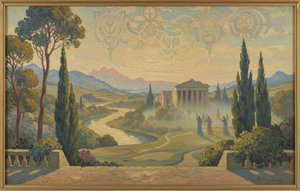
Henri Martin: A Synthesis of Impressionism & Symbolism in the French Landscape Tradition
Explore the captivating world of Henri Martin, a French Post-Impressionist bridging Impressionism & Symbolism. Discover his unique style, influential landscapes, and lasting legacy with OriginalUniqueArt.
The Enduring Legacy of French Art: Movements, Masters & Cultural Impact
Explore the rich history of French art, from the Salon to Impressionism & beyond. Discover iconic masters, key movements, and expert guidance for collecting timeless masterpieces. OriginalUniqueArt.

Impressionism's Masterpieces: 10 Paintings That Defined a Movement | OriginalUniqueArt
Journey through Impressionism's heart with 10 iconic paintings by Monet, Renoir & Degas. Explore light, color & the stories behind these masterpieces. Find museum-quality art reproductions and elevate your home decor on OriginalUniqueArt.com.

ポール・セザンヌ:至高の25選 - 傑作と革新の軌跡 | OriginalUniqueArt
ポール・セザンヌの至高の25選。ポスト印象派を代表する画家、セザンヌの傑作と革新的な技法を紐解きます。OriginalUniqueArtで高品質な複製画やインテリアアートを見つけ、芸術の世界をご自宅に。今すぐコレクションをご覧ください。