

 設置イメージを確認
 送る
送る シェア
シェア
 詳細情報
詳細情報 ガイドを表示

 画像をダウンロード
 似ている作品
 X線調査
X線調査 スライドショー
 統計情報
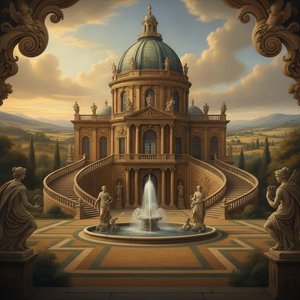
統計情報Classical Landscape with Figures
 Baroque
 71.0 x 112.0 cm
 続きを読む
続きを読む
手描き油彩複製画
当社のアーティストが、お客様のご希望のサイズと額縁に合わせて、キャンバスに手描きで制作する油彩画です。 ( プリント版に切り替え デジタル画像販売へ切り替え)




































作品のオリジナル比率に合わせた、当店の規定サイズからお選びください。

フレームや壁のスペースに合わせて、ご希望の幅と高さを入力してください。本作品は手描きのため、異なる比率のサイズをご希望の場合、絵画の周囲を少し広げて描くか、あるいは端を少しカットして調整することが可能です。お客様のご要望に合わせます。制作を開始する前に、仕上がりを確認するためのデジタルモックアップをお送りいたします。このページに表示されている画像は完成品の実物ではなく、あくまでモックアップによるイメージです。
ご注文後、OriginalUniqueArt.com チームより詳細な指示をお送りするとともに、仕上がりイメージ(モックアップ)をご提供いたします。


 ガラスオプションは、110cm未満のサイズでのみご利用いただけます。

Classical Landscape with Figures
再現技法
複製画サイズ一覧
-


合計金額
¥ 55084
よくあるご質問
Henri Mauperché作「Classical Landscape with Figures」の向き(横長・縦長)はどちらですか?
Henri Mauperché作「Classical Landscape with Figures」はLandscape形式です。この形式は、構図の比率を表しています。
「Classical Landscape with Figures」の色は、どの程度の光を反射しているように見えますか?
「Classical Landscape with Figures」の色調は、Darkの輝度を示しています。
Henri Mauperchéによる「Classical Landscape with Figures」はパブリックドメインに含まれますか?また、その理由は何ですか?
Henri Mauperché作「Classical Landscape with Figures」はパブリックドメイン(著作権消滅)です。著作権の保護期間は、1736年に亡くなった作家の没年から起算されます。
アーティストについて
The Master of the French Landscape: The Life and Legacy of Henri Mauperché
In the golden age of 17th-century French art, few names evoke the serene grandeur of the Baroque era quite like Henri Mauperché. A painter whose brush captured both the rugged textures of the earth and the ethereal light of the heavens, Mauperché emerged as a pivotal figure in the evolution of classical landscape painting. Born in Paris around 1602, his early years were shaped by the vibrant artistic pulse of the French capital, yet it was his journey beyond the borders of France that would truly define his aesthetic vision. His travels to Rome in 1634 served as a transformative pilgrimage, exposing him to the timeless majesty of Italian antiquity and the profound influence of masters like Sébastien Bourdon. This encounter with the Bambochade style—a spirited blend of genre painting and landscape—infused his work with a unique vitality that balanced classical order with a touch of spontaneous charm.
Upon his return to Paris in 1639, Mauperché’s ascent within the royal circles was swift and spectacular. He possessed a rare ability to translate the spiritual and political ambitions of his patrons into visual poetry. His talent earned him the patronage of some of the most formidable figures in French history, including the legendary Cardinal Richelieu and Queen Anne of Austria. One of his most prestigious early commissions involved decorating the guard room and antechamber of the Palais-Cardinal, a task that required not only technical precision but also a profound understanding of how art could dignify a space of power. His work during this period helped establish him as a leading exponent of the classical landscape, a style characterized by its harmonious composition and its ability to evoke a sense of eternal peace.
A Symphony of Light and Devotion
The artistry of Mauperché is perhaps most deeply felt in his mastery of chiaroscuro—the dramatic interplay between shadow and illumination. While he was a skilled engraver, it was on the canvas that he truly explored the emotional depths of his subjects. His landscapes were rarely mere topographical studies; instead, they often served as stages for profound biblical narratives and pastoral allegories. In masterpieces such as “Landscape with Jephthah and his Daughter,” Mauperché utilizes the natural world to mirror human suffering and divine destiny. The rugged terrain and the heavy, atmospheric clouds do not merely surround the figures; they participate in the drama, echoing the anguish of sacrifice and the weight of religious devotion.
His technical development was marked by an incredible versatility, often moving between the structured elegance of classical architecture and the more fluid, capriccio style of imaginary landscapes. This ability to blend the real with the imagined allowed him to create worlds that felt both grounded in reality and elevated by myth. His brushwork, influenced by the meticulous realism learned from his early training, captured the delicate textures of flowing drapery, the weathered surfaces of ancient ruins, and the soft, warm glow of a setting sun. This dedication to detail ensured that even his most austere compositions possessed a tactile, living quality that captivated viewers across Europe.
Historical Significance and Artistic Triumph
The professional achievements of Henri Mauperché were nothing short of extraordinary for a landscape painter of his era. In 1648, he was admitted to the prestigious Académie Royale de Peinture et de Sculpture, and by 1655, he was named a Professor—an honor seldom bestowed upon those specializing in landscapes rather than portraiture or history painting. This elevation signaled a shift in the art world's perception, acknowledging that the landscape could carry as much intellectual and emotional weight as any human figure. Alongside contemporaries like Laurent de La Hyre, Mauperché played a crucial role in popularizing the classical landscape style of Claude Lorrain, helping to shape the visual language of French art for generations to come.
Though many of his grandest decorative works, such as those created for the Hôtel Lambert or the apartments at Fontainebleau, have tragically been lost to time, his surviving canvases remain enduring testaments to his genius. His legacy is found in the way he bridged the gap between the ruggedness of early Baroque expression and the refined elegance of French Classicism. Through his eyes, we see a world where nature is a vessel for the divine, and where every landscape tells a story of faith, beauty, and the eternal passage of time. He remains a cornerstone of the 17th-century canon, a painter who taught the world to find the sublime in the quiet corners of the earth.

Henri Mauperché
1644 - 1736 , France
アーティスト情報
- Full Name: Henri Mauperché
- Nationality: French
- Date Of Birth: 1644
- Date Of Death: 1736
- Place Of Birth: Paris, France
- Notable Artworks: ['Jephthah and daughter']
- Artistic Movement Or Style: Classical landscapes
- Artists Who Influenced This Artist: ['Nicolas Poussin']
- Artists Or Movements Influenced By This Artist: ['Baroque']
関連記事

バロック美術の真髄:光と影、劇的な動性が描き出す17世紀ヨーロッパの情熱
バロック美術の核心である光と影の技法や、カラヴァッジョからハルスに至る巨匠たちの情熱を専門的に解説します。17世紀ヨーロッパが放つ劇的な美の世界を今すぐ体験してください。

Baroque Classicism: The Grandeur of Order and Drama in 17th-Century Art History
Explore the profound elegance of Baroque Classicism. Discover how 17th-century masters synthesized dramatic emotion with classical order through the lens of the Counter-Reformation and the works of legends like Carlo Maratta and Andrea Sacchi.

ロマン派ランドスケープ:時代を彩る巨匠の10選|アートとインテリアの世界
ロマン派絵画の時代を彩る10選。巨匠たちの風景が織りなす感動の世界へ。ターナー、ルーベンスなど、名作の裏話と高精細複製でアートをお部屋に。OriginalUniqueArt.comで至福のアート体験を。
Baroque Classicism: Reconciling Drama & Order in 17th-Century Art
Explore the captivating world of Baroque Classicism! Discover its history, key artists like Caravaggio & Rubens, and defining characteristics. Expert insights & high-quality reproductions at OriginalUniqueArt.

Evocations of Place: A Historical Journey Through Landscape Art
Explore the rich history of landscape art with OriginalUniqueArt. Discover renowned artists, movements like Impressionism & Romanticism, and expert guidance for collecting timeless pieces. Find your perfect serene escape today!