

 プレビュー
プレビュー
 シェアする
シェアする シェアする
シェアする
 詳細を見る
詳細を見る

 ダウンロード
 似ている作品
 X線調査
X線調査 スライドショー
 統計情報
統計情報Music
 Oil On Canvas
- WallArt
- Fauvist Expression
 1910
1910- Modern
 260.0 x 389.0 cm
 詳細を見る
詳細を見る
手描き油彩複製画
当社のアーティストが、お客様のご希望のサイズと額縁に合わせて、キャンバスに手描きで制作する油彩画です。 ( プリント版に切り替え デジタル画像販売へ切り替え)




P118B $10

P118H $10

P118W $10

P438Z $10

P508JH $12

P508YH $12

P805H $10

P805Z $10

P919BZ $10

P919G $10

P919XJ $10

P959ZH $10

P968JZ $12

W106C $8

W218G $10

W218JH $8

W218Y $10

W307PJ $10

W316G $10

W316PJ $8

W316Y $10

W398PJ $8

W4111J $10

W500HY $15

W500JH $15

W692G $12

W849H $8

W940BG $15

W953PJ $8




作品のオリジナル比率に合わせた、当店の規定サイズからお選びください。

特定のフレームやスペースに合わせて、ご希望のサイズをご入力いただけます。選択されたサイズが元の画像の比率と異なる場合、アートワークをトリミングするか、手描きで要素を追加して絵画を拡張いたします。デジタルモックアップ を制作し、制作開始前にご確認(承認)をいただきます。
画面上のプレビューは、実際のトリミングや拡張を正確に反映しているものではありません。最終的な構図は、モックアップによってのみ正確にご確認いただけます。
カスタムサイズもご利用いただけますが、元の比率を維持するためには、あらかじめ用意されたリストからサイズを選択することをお勧めいたします。
ご注文後、OriginalUniqueArt.com チームより詳細な指示をお送りするとともに、仕上がりイメージ(モックアップ)をご提供いたします。


 ガラスオプションは、110cm未満のサイズでのみご利用いただけます。

Music
複製技法
複製画のサイズ
-


合計金額
$ 300
A Symphony of Color: The Audacious Spirit of Matisse’s Music
The canvas breathes with an audacious vibrancy—a testament to Henri Matisse's revolutionary approach to painting and his indelible mark on the art world. Completed in 1910, "Music" stands alongside its famous counterpart, “The Dance,” as a cornerstone of Fauvist art, marking a decisive break from Impressionism’s subtle nuances and ushering in an era where color reigned supreme. The painting is not merely a depiction of sound; it is a visual manifestation of rhythm itself. As the eye wanders across the monumental scale of the work, one is immediately struck by the way Matisse uses intensely saturated hues—dominant reds and deep blues—to defy naturalistic representation. This bold chromaticism was never purely decorative; it was fundamentally expressive, designed to convey emotion directly through color, prioritizing raw feeling over meticulous anatomical observation.
In this masterpiece, the figures are rendered with loose, flowing contours that mirror the fluid energy of a musical composition. A group of musicians is captured in a moment of collective joy, their bodies intertwined with the very atmosphere they create. One can almost hear the vibration of the violin and the steady pulse of the drums through the way Matisse manipulates form. By abandoning traditional perspective and tonal gradations, he achieved a dreamlike state where the boundaries between the performers and their environment begin to dissolve. For the collector or interior designer, this piece offers more than just visual interest; it provides a rhythmic focal point that injects a high-voltage pulse into any space, making it an ideal centerpiece for those seeking to evoke energy and movement within a room.
Historical Resonance and the Fauvist Revolution
The creation of "Music" emerged from a pivotal moment in European art history, born from a dialogue between artist and patron. Commissioned by the visionary Russian collector Sergey Shchukin, the painting was a response to a challenge: to capture the essence of collective joy through a new artistic language. This period saw the rise of the Fauves—the "wild beasts"—who rejected the perceived limitations of Impressionism. Influenced by the emotive power of Symbolist painters like Edvard Munch and Gustav Klimt, Matisse sought to strip away the superficial layers of reality to reach a more primal, spiritual truth. The painting’s historical significance lies in this transition, where the artist moved away from capturing fleeting light toward capturing the permanent, internal vibration of life.
For those looking to adorn a curated collection or a sophisticated modern interior, understanding this context adds profound depth to the work. "Music" is not just a beautiful arrangement of pigment; it is a historical document of a revolution. The way the simplified forms and flattened planes interact creates a sense of timelessness, allowing the artwork to harmonize with both classical settings and ultra-modern minimalist decors. It serves as a bridge between the academic traditions of the past and the experimental freedom of the twentieth century, offering an enduring sense of sophistication and intellectual intrigue.
An Emotional Sanctuary for the Modern Space
Beyond its technical brilliance and historical weight, "Music" possesses a unique emotional resonance that is difficult to replicate. There is a specific kind of sanctuary found within Matisse’s palette—a sense of peace derived from the harmony of contrasting colors. While the reds are fiery and energetic, the blues provide a grounding, rhythmic stability. This balance creates an atmosphere that is simultaneously stimulating and soothing, making it a versatile choice for various interior design applications, from grand galleries to intimate living areas.
To possess a high-quality reproduction of this work is to invite Matisse’s philosophy of "joie de vivre"* into one's personal environment. The painting invites the viewer to participate in the performance, to feel the swell of the melody and the warmth of the sun-drenched figures. It is an invitation to embrace color as a language of the soul. Whether you are an art enthusiast drawn to the technical mastery of the Fauvist movement or a designer seeking to infuse a space with much-needed vitality, "Music" remains an unparalleled source of inspiration and aesthetic triumph.
アーティストの略歴
色彩の魔術師、アンリ・マティス:近代美術への革命
アンリ・マティスは、19世紀末から20世紀にかけて活躍したフランスの画家であり、色彩と線描の卓越した表現力によって、近代美術に多大な影響を与えた芸術家です。1869年12月31日、北フランスのル・カトウ=カンブレーシスの小さな町で生まれました。当初は法律を志望し、パリで法学を学びましたが、1889年の虫垂炎の発病が彼の人生を劇的に変えました。療養中に母親から贈られた絵具セットを手にしたことをきっかけに、芸術への情熱が芽生え、法廷の弁護士になるはずだった彼は、色彩とキャンバスの世界へと足を踏み入れたのです。幼少期をボーアン=アン=ヴェルマンдуаで過ごし、穀物商の両親のもとで育ちましたが、ボヘミアンな芸術家の生活とは一見相容れない存在でした。しかし、その種は既に蒔かれており、療養生活によって育まれ、生涯にわたる芸術への献身へと花開いたのです。アカデミー・ジュリアンやÉcole Nationale des Beaux-Artsでウィリアム=アドルフ・ブルゲーローやギュスターヴ・モローといった巨匠の下で学び、古典的な技法を習得しましたが、初期の作品にはその影響が見られ、独自の個性が確立されるまでには時間がかかりました。fauve(野獣)の誕生:色彩への解放
1896年のベル=イル訪問が転換点となりました。オーストラリア人画家ジョン・ラッセルとの出会いは、彼に印象派の世界と、より重要なことに、フィンセント・ファン・ゴッホの感情を揺さぶるようなキャンバスを紹介しました。この経験は、マティスのそれまでの抑制された色彩感覚を打ち砕き、より大胆で主観的なアプローチへと駆り立てました。地味な色合いから離れ、感情に共鳴する鮮やかな色彩を受け入れ、1905年頃には fauve(野獣)と呼ばれる芸術運動が誕生しました。この名称は当初、批評家によって彼らの作品の鮮烈な色彩に対して用いられた嘲笑的な表現でしたが、やがてマティスを中心とするグループを指す言葉として定着しました。アンドレ・ドランやモーリス・ド・ヴラマンクといった画家たちと共に、マティスは色彩を独立した表現要素として捉え、従来の写実性を無視して感情を直接的に伝えることを追求しました。The Gourds(1905年)に見られるように、赤、緑、黄色の鮮やかな色彩が大胆に用いられ、伝統的な遠近法や模倣を無視した自由な表現が特徴です。装飾性と調和:新たな美の探求
fauve運動の熱狂期を経て、マティスのスタイルは洗練され、装飾性を重視する方向へと変化しました。色彩への愛着を持ちながらも、より平坦化された形態と複雑なパターンを強調し、調和のとれた構成を生み出しました。1917年に南フランスのニースに移住したことで、彼の作品には穏やかさと古典的なバランスが加味されるようになりました。彼は絵画だけでなく、陶芸やテキスタイルなど、様々なメディアを通して芸術的表現の領域を広げました。単に風景を描写するのではなく、鑑賞者を美しさで包み込むような世界を構築しようとしたのです。晩年:制限からの革新—切り絵による創造
晩年は、健康状態の悪化により従来の画法が困難になったため、彼は新たな芸術的表現として切り絵(découpages)に挑戦しました。1947年頃から始まったこの技法は、車椅子生活を送る中で生まれた実用的な解決策でしたが、やがて色彩と形態に関する新しい思考へと発展しました。鮮やかな色彩の大きな紙を切り抜き、有機的な形や人物などをキャンバス上に配置することで、ダイナミックでありながらも一見すると単純な構成を生み出しました。これらのdécoupagesは、単なる代替手段ではなく、色彩、形態、構成に対する新たなアプローチを示すものでした。彼は肉体的な制約にも屈することなく、芸術家としての進化を続けました。切り絵の技法は、彼が絵具では困難だった純粋な形態と色彩を実現することを可能にし、過去のテーマやモチーフを新鮮で革新的な方法で再解釈する手段となりました。近代美術への遺産:色彩の力
1954年11月3日、ニースで死去したアンリ・マティスは、世界中の美術館に彼の作品が収蔵され、今なお多くの芸術家や愛好家に影響を与え続けています。彼は伝統的な表現方法に挑戦し、色彩の表現力を称揚することで、近代美術の流れを大きく変えました。パブロ・ピカソと並び称される最も重要な20世紀の芸術家の一人として、マティスはモダニズムを根本的に形作り、喜び、美しさ、そして色彩の持つ変革的な可能性を祝福する芸術哲学を提唱しました。彼は世界を描写したのではなく、鑑賞者に感情的な体験を促し、光と鮮やかな色彩に満たされた世界への共有を招いたのです。マティスの遺産は、彼の作品を超え、様々な分野のアーティストたちに影響を与え続けており、真の芸術の巨匠としての地位を確固たるものとしています。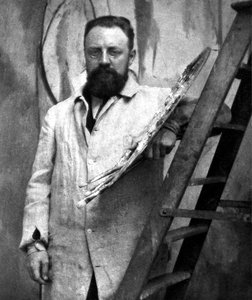
マティス
1869 - 1954 , フランス
基本情報
- フルネーム: アンリ・マティス
- 主な作品:
- 風の歌
- 豪華な静寂
- 踊り
- 出生地: ル・カトウ=カンブレーシス、フランス
- 国籍: フランス人
- 影響を与えたアーティストや運動:
- モダニズム
- 表現主義
- 影響を受けたアーティスト:
- フィンセント・ファン・ゴッホ
- シャルダン
- 没年月日: 1954年11月3日
- 生年月日: 1869年12月31日
- 芸術運動またはスタイル: フォーヴィスム
関連記事
The Allure of Azure: Exploring the Symbolic & Aesthetic Depths of Blue in Art History
Explore the rich history of blue in art! Discover its symbolism, from ancient pigments to modern masterpieces by Kandinsky & Seurat. Uncover the psychological impact and cultural meanings behind this captivating hue.
至福の色彩が彩る:フォーヴィズムを定義づけた10大名作
鮮烈な色彩が時代を席巻!フォーヴィズムを代表する10大名作を徹底解剖。マティスら巨匠の技と情熱に触れ、アートの新たな世界を発見。OriginalUniqueArt.comで至高の美術館級レプリカと洗練されたインテリアアイデアを見つけよう。
アンリ・マティスの傑作25選:色彩と情熱の軌跡|OriginalUniqueArt
アンリ・マティスの傑作25選🎨 色彩と情熱が織りなす世界を旅する。フォーヴィスム代表の巨匠、マティスの絵画の魅力と歴史を紐解きます。OriginalUniqueArtで高品質なアートプリントや複製画を見つけ、インテリアに芸術的な輝きを✨ Explore the full collection online

Slate Blue Masterpieces: 10 Iconic Paintings & Timeless Home Decor Ideas
Immerse yourself in the captivating world of slate blue! Explore 10 iconic paintings by Monet, Van Gogh & Renoir. Discover their stories, techniques & find museum-quality art reproductions for your home at .
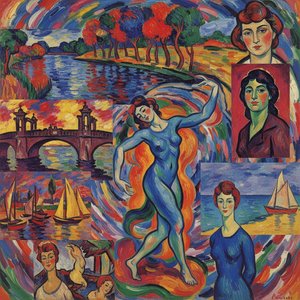
Fauvism's Boldest Visions: 10 Masterpieces That Revolutionized Modern Art | OriginalUniqueArt
Explore 10 Fauvist masterpieces by Matisse, Derain & Vlaminck that ignited Modern Art! Discover bold colors, expressionist landscapes & the history of this revolutionary movement. Find museum-quality prints at OriginalUniqueArt.com.


