

 プレビュー
プレビュー
 シェアする
シェアする シェアする
シェアする
 詳細を見る
詳細を見る

 ダウンロード
 似ている作品
 X線調査
X線調査 スライドショー
バゼルの人物画


 詳細を見る
詳細を見る
ジークレー/アートプリント
迅速な制作と多彩な仕上げオプションを備えた、ミュージアムクオリティのジークレーまたはキャンバスプリント。 ( 手描きの絵画を購入 画像を購入)




P118B $10

P118H $10

P118W $10

P438Z $10

P508JH $12

P508YH $12

P805H $10

P805Z $10

P919BZ $10

P919G $10

P919XJ $10

P959ZH $10

P968JZ $12

W106C $8

W218G $10

W218JH $8

W218Y $10

W307PJ $10

W316G $10

W316PJ $8

W316Y $10

W398PJ $8

W4111J $10

W500HY $15

W500JH $15

W692G $12

W849H $8

W940BG $15

W953PJ $8




作品のオリジナル比率に合わせた、当店の規定サイズからお選びください。

特定のフレームやスペースに合わせて、ご自身でサイズを指定することも可能です。選択されたサイズが元の画像の比率と一致しない場合、作品をトリミングするか、鏡面反射または単色での塗りつぶしによって画像を拡張いたします。制作を開始する前に、ご確認用のデジタルモックアップをお送りいたします。
画面上のプレビューには、実際のトリミングや拡張は反映されませんのでご注意ください。最終的な構図を正確に確認できるのは、モックアップのみとなります。
カスタムサイズも承っておりますが、元の比率を維持するためには、あらかじめ用意されたリストからサイズを選択することをお勧めいたします。


 ガラスオプションは、110cm未満のサイズでのみご利用いただけます。

バゼルの人物画
ジークレー/アートプリント
複製画のサイズ
-


合計金額
$ 80
パリの魂を捉えた絵画:「ポートレート オブ バスラー」
パリの空気は、芸術家の熱情と不安が入り混じった時代でした。印象派は衰え始め、表現主義のような動きが台頭し、人間の内面を率直に表現しようとする試みが行われました。ヘンリー・レバスケはこれらの潮流を受け止め、大胆な筆致と繊細な感情表現を追求した画家の一人です。「ポートレート オブ バスラー」は、その代表作でありましょう。この作品は単なる人物の描写ではありません。それは、都市の喧騒の中で静かに佇む人間の心の奥深さを描き出すことで、芸術家の魂を呼び起こす力を持っています。- スタイルと技法: レバスケの絵画は表現主義の中心に位置します。彼は写真のような正確さを求めるのではなく、大胆で動きのある筆致を用い、その質感を最大限に引き出しています。これは単に絵具を厚く塗る行為ではありません。画家自身の内面にある感情をキャンバスに直接投影しようとする意志が込められているのです。彼の作品は印象派の伝統を踏襲しながらも、より深い心理的な表現を目指しています。
- 歴史的背景: この絵画が制作された1912年は、フランス美術界にとって重要な転換期でした。印象派は徐々に衰え始めましたが、同時に表現主義のような新しい芸術運動が誕生し、社会の不安や変化を反映しようとしました。レバスケはこれらの動きの中で独自のスタイルを見出し、当時の社会情勢を鋭く観察した画家の一人と言えるでしょう。
- インテリアデザインへの応用: 「ポートレート オブ バスラー」のような絵画は、洗練された雰囲気と情緒的な深さを求めるインテリアに最適です。その落ち着いた色彩は現代的なミニマリストスタイルにも調和しつつも、過ぎ去った時代のノスタルジーを呼び起こします。特にリビングや書斎などの空間に飾ると、見る人の心を揺さぶり、特別な感動を与えることができるでしょう。
- コレクターの魅力: レバスケの作品は、芸術的な革新を追求するコレクターにとって特別な価値を持っています。彼は表現主義という芸術運動の中心人物であり、その作品は人間の感情と心理状態を率直に表現しようとする試みです。この絵画は単なる美しい絵画ではありません。それは、人間の心の奥深さを表現することを目指した画家自身の情熱が込められた作品なのです。
アーティストの略歴
A Painter of Joy and Light: The Life and Art of Henri Lebasque
Henri Lebasque, a name perhaps less immediately recognized than some of his Post-Impressionist contemporaries, nevertheless occupies a significant place in the artistic landscape of early 20th-century France. Born in Champigné, Maine-et-Loire, in 1865, Lebasque’s journey toward becoming a celebrated painter was one marked by diligent study, evolving influences, and an unwavering commitment to capturing beauty in everyday life. His early education at the École régionale des beaux-arts d'Angers provided a foundational grounding, but it was his move to Paris in 1886 that truly ignited his artistic development. There, under the tutelage of Léon Bonnat and through assisting Ferdinand Humbert with decorative murals at the Panthéon, he honed his technical skills while immersing himself in the vibrant Parisian art scene. This period proved crucial, bringing him into contact with pivotal figures like Camille Pissarro and Auguste Renoir, whose emphasis on light and color would profoundly shape his aesthetic sensibilities.Early Influences and Artistic Formation
Lebasque’s formative years were steeped in artistic tradition. He initially pursued classical studies at the École supérieure des beaux-arts de Paris, absorbing the lessons of academic painting—a discipline that prioritized meticulous detail and idealized representations. However, it was his encounter with Impressionism – particularly the work of Claude Monet and Pierre-Auguste Renoir – that irrevocably altered his artistic trajectory. The Impressionists’ revolutionary technique of capturing fleeting moments of light and color challenged the conventions of realism, prompting Lebasque to experiment with looser brushstrokes and brighter hues. This exposure instilled in him a fascination for atmospheric perspective and an appreciation for the expressive potential of color—elements that would become integral to his distinctive style.The Embrace of Les Nabis: A Dialogue with Intimacy
Around 1890, Lebasque joined Les Nabis – a group of artists who championed a radically different aesthetic vision. Led by Édouard Vuillard and Pierre Bonnard, the Nabis rejected grand narratives and monumental scale, instead focusing on domestic interiors and intimate portraits—scenes that conveyed profound emotional resonance. This affiliation profoundly impacted Lebasque’s artistic sensibilities, fostering in him a desire to depict human experience with sensitivity and nuance. The Nabis' meticulous attention to detail—particularly their use of muted colors and flattened forms—served as a catalyst for Lebasque’s own stylistic innovations. He meticulously observed the subtleties of light and shadow, striving to capture the essence of his subjects with remarkable accuracy.Chromatic Harmony: Technique and Artistic Vision
Lebasque's artistic technique was characterized by a masterful command of color—a cornerstone of both Impressionism and Chromoluminarism. He employed a layered approach, applying thin washes of pigment over multiple coats to achieve luminous effects that defied conventional representation. Lebasque skillfully utilized complementary color pairings – blues and oranges, reds and greens – to create visual excitement while maintaining an overall sense of balance and harmony. This meticulous attention to color theory—influenced by the theories of Georges Seurat and Paul Signac—allowed him to imbue his canvases with an extraordinary vibrancy and depth. His brushstrokes were deliberate and expressive, conveying emotion through subtle variations in texture and tone.A Legacy of Serenity: Recognition and Artistic Significance
Throughout his prolific career, Lebasque garnered considerable acclaim for his artistic achievements. He participated in numerous Salon exhibitions—including the Salon d’Automne, which he helped establish alongside Henri Matisse—and secured commissions for decorative murals at prestigious venues such as the Champs-Élysées theatre and on transatlantic liners. His paintings are now housed in prominent museums across France and internationally—demonstrating his enduring artistic influence and securing his place among the most celebrated figures of Post-Impressionism. Lebasque’s unwavering commitment to capturing beauty in everyday life—his ability to convey profound emotion through simple compositions—continues to inspire artists and viewers alike, cementing his legacy as a painter of joy and light.
フェルナンド・レジェ
1865 - 1937 , フランス
基本情報
- Artistic Movement Or Style: 印象派の後継者
- Artists Or Movements Influenced By This Artist: ['キュビスム']
- Artists Who Influenced This Artist:
- ピサロー氏
- ルノワール氏
- Date Of Birth: 1865年9月25日
- Date Of Death: 1937年8月7日
- Full Name: Henri Baptiste Lebasque
- Nationality: フランス人
- Notable Artworks: ['マドモアゼル・レベスと彼女の娘たち']
- Place Of Birth: フランス・シャンピニエ
関連記事
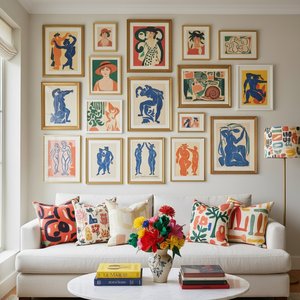
アンリ・マティスの傑作25選:色彩と情熱の軌跡|OriginalUniqueArt
アンリ・マティスの傑作25選🎨 色彩と情熱が織りなす世界を旅する。フォーヴィスム代表の巨匠、マティスの絵画の魅力と歴史を紐解きます。OriginalUniqueArtで高品質なアートプリントや複製画を見つけ、インテリアに芸術的な輝きを✨ Explore the full collection online

Henri Lebasque: A Study in Post-Impressionist Harmony & the Poetics of Everyday Life
Explore the serene Post-Impressionist world of Henri Lebasque. Discover his intimate domestic scenes, vibrant landscapes & connection to the Nabis group. Expert insights for collectors and art enthusiasts.
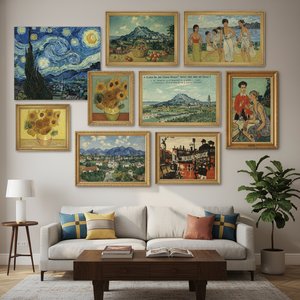
没後印象派を彩る至宝:時代を定義した10大名作
時代を彩る没後印象派の名作10選。ゴッホ、セザンヌら巨匠の傑作を深く掘り下げ、その物語と技法に迫ります。色彩豊かなアートで空間を演出。OriginalUniqueArt.comで至高のアートプリントを見つけませんか?
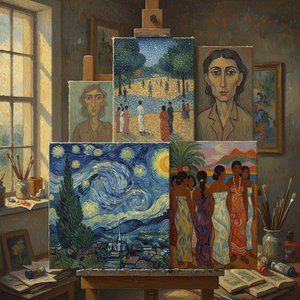
Beyond Impressionism: Exploring the Emotional Depth of Post-Impressionist Painting
Explore the profound emotional depth & innovative techniques of Post-Impressionism with OriginalUniqueArt. Discover Cézanne, Van Gogh, Gauguin & more – and their lasting impact on modern art.

光と色彩の彼方:知的な収集家のための印象派とポスト印象派
印象派とポスト印象派の傑作を深く理解し、知的なコレクションを築くための情報を提供。OriginalUniqueArtでは、高品質な油絵複製やカスタムアートをご用意。専門家が最適な作品選びをお手伝いします。


