

 設置イメージを確認
 送る
送る シェア
シェア
 詳細情報
詳細情報 ガイドを表示

 画像をダウンロード
 似ている作品
 X線調査
X線調査 スライドショー
 統計情報
統計情報Odalisque


 続きを読む
続きを読む
手描き油彩複製画
当社のアーティストが、お客様のご希望のサイズと額縁に合わせて、キャンバスに手描きで制作する油彩画です。 ( プリント版に切り替え デジタル画像販売へ切り替え)




P118B ¥10

P118H ¥10

P118W ¥10

P438Z ¥10

P508JH ¥12

P508YH ¥12

P805H ¥10

P805Z ¥10

P919BZ ¥10

P919G ¥10

P919XJ ¥10

P959ZH ¥10

P968JZ ¥12

W106C ¥8

W218G ¥10

W218JH ¥8

W218Y ¥10

W307PJ ¥10

W316G ¥10

W316PJ ¥8

W316Y ¥10

W398PJ ¥8

W4111J ¥10

W500HY ¥15

W500JH ¥15

W692G ¥12

W849H ¥8

W940BG ¥15

W953PJ ¥8




作品のオリジナル比率に合わせた、当店の規定サイズからお選びください。

フレームや壁のスペースに合わせて、ご希望の幅と高さを入力してください。本作品は手描きのため、異なる比率のサイズをご希望の場合、絵画の周囲を少し広げて描くか、あるいは端を少しカットして調整することが可能です。お客様のご要望に合わせます。制作を開始する前に、仕上がりを確認するためのデジタルモックアップをお送りいたします。このページに表示されている画像は完成品の実物ではなく、あくまでモックアップによるイメージです。
ご注文後、OriginalUniqueArt.com チームより詳細な指示をお送りするとともに、仕上がりイメージ(モックアップ)をご提供いたします。


 ガラスオプションは、110cm未満のサイズでのみご利用いただけます。

Odalisque
再現技法
複製画サイズ一覧
-


合計金額
¥ 47215
A Moment of Intimate Serenity
In the quietude of 1925, Henri Matisse captured a scene of profound personal stillness in his masterpiece, Odalisque. The painting invites the viewer into a private sanctuary, where a solitary woman sits bathed in the soft, diffused light of an unseen window. There is an undeniable sense of vulnerability and grace as she gazes outward, her form partially revealed, lost in a moment of deep introspection. This is not merely a portrait of a figure, but an exploration of the boundary between the internal soul and the external world. The composition, characterized by its delicate balance, places the subject amidst a carefully curated domestic landscape—a room where checkered patterns and lush greenery breathe life into the stillness.
The atmosphere is one of tranquil contemplation, making this piece an extraordinary choice for those looking to infuse a living space with a sense of calm and sophisticated repose. For the discerning collector or interior designer, Odalisque offers more than just visual beauty; it provides an emotional anchor. The way the light interacts with the subject's skin and the surrounding textures creates a rhythmic harmony that can transform a modern room into a gallery of peace.
The Mastery of Color and Form
As a titan of the Fauvist movement, Matisse’s approach to Odalisque showcases his unparalleled ability to use color as a language of emotion. While his earlier works were known for their "wild" and non-naturalistic hues, this period of his career demonstrates a more refined, sculptural mastery of form. The technique relies on fluid draughtsmanship and a sophisticated palette that guides the eye through the room's intricate details—from the rhythmic patterns of the checkered couch to the organic silhouettes of the potted plants. Each element is placed with intentionality, creating a decorative flow that feels both spontaneous and meticulously planned.
The interplay between the structured geometry of the furniture and the soft, organic curves of the human form creates a captivating visual tension. This balance of structure and fluidity is what makes a high-quality reproduction of this work so impactful in home decor; it brings a sophisticated architectural rhythm to any wall. The artist’s ability to simplify complex scenes into essential, expressive shapes ensures that the painting remains timeless, transcending the era of its creation to remain eternally modern.
A Legacy of Decorative Elegance
To possess a piece inspired by Matisse is to hold a fragment of art history's most revolutionary spirit. Odalisque stands as a testament to the artist's lifelong pursuit of "expression through simplicity." The painting does not rely on heavy ornamentation but rather on the evocative power of light, shadow, and space. The presence of the vases and the verdant plants adds layers of texture and life, suggesting a world that is both curated and deeply lived-in.
For those seeking to curate an environment of elegance and intellectual depth, this artwork serves as a perfect centerpiece. It bridges the gap between classical subject matter and modern aesthetic sensibilities. Whether placed in a sunlit study or a grand salon, the Odalisque continues to whisper stories of beauty, solitude, and the enduring power of the human gaze, making it an indispensable treasure for any serious collection of fine art reproductions.
よくあるご質問
Henri Émile Benoît Matisse作「Odalisque」 の基調となる色は何ですか?
Henri Émile Benoît Matisse作「Odalisque」の主色(メインカラー)はDriftwood (#9f7957)です。
注文前にHenri Émile Benoît Matisse作「Odalisque」をプレビューすることはできますか?
「Odalisque」のプレビューページでは、ご注文前に作品をプレビューいただけます。
Henri Émile Benoît Matisse作「Odalisque」の原画はどこで見ることができますか?
Henri Émile Benoît Matisse作「Odalisque」はMuseo del Novecento, ミラノ, イタリアに展示されています。なお、美術館の掲載情報は複製画ではなく、原画に関するものです。
アーティストについて
Early Life and Artistic Beginnings
- Born: December 31, 1869, Le Cateau-Cambrésis, France
- Died: November 3, 1954, Nice, France
- Matisse's early life was marked by a period of illness in his youth which led him to pursue art as a hobby.
- He initially studied law but abandoned it to dedicate himself to painting.
- Early influences included Gustave Moreau and Édouard Manet, whose works he encountered during trips to Paris.
- His initial artistic style leaned towards realism before evolving into more experimental approaches.
The Fauvist Period and Artistic Development
- Matisse became a leading figure in the Fauvist movement around 1905.
- Fauvism, meaning "wild beasts," was characterized by its intense, non-naturalistic use of color.
- Key works from this period include "Woman with a Hat" (1905) and "The Joy of Life" (1906).
- He sought to express emotion through bold colors rather than representational accuracy.
- His approach challenged conventional artistic norms and sparked considerable controversy.
Mature Style and Continued Exploration
- After Fauvism, Matisse developed a more refined and decorative style.
- He explored flattened forms, simplified compositions, and intricate patterns.
- Travels to North Africa (Morocco) significantly influenced his palette and subject matter.
- His works from this period often feature luxurious interiors, portraits of women, and landscapes with vibrant colors.
- Notable paintings include "Moroccan in Green" (1911) and various depictions of dancers.
Later Years: Cut-Outs and Legacy
- In his later years, Matisse faced health challenges that limited his ability to paint traditionally.
- He innovatively developed a technique using cut-out paper collages.
- These "cut-outs" involved cutting shapes from colored paper and arranging them into compositions.
- The Chapelle de la Médiathèque in Nice, France, is a testament to his late work, featuring murals created with this technique.
- Historical Significance: Matisse's contributions to modern art are immense. He profoundly influenced subsequent generations of artists and helped shape the development of abstract expressionism and other movements. His emphasis on color, form, and decorative elements continues to inspire artists today.
Key Influences and Artistic Relationships
- Paul Cézanne: Matisse admired Cézanne's structural approach to painting and his exploration of form.
- Pablo Picasso: A contemporary and rival, Picasso shared a similar drive to revolutionize art. Their artistic dialogues shaped the course of 20th-century art.
- Gertrude Stein & Etta Cone: These American collectors were significant patrons of Matisse's work and played a crucial role in his career.
- Japanese Prints: The simplicity, flat planes, and bold patterns of Japanese prints deeply influenced Matisse’s aesthetic sensibilities.

Henri Émile Benoît Matisse
1869 - 1954 , France
アーティスト情報
- Full Name: Henri Émile Benoît Matisse
- Nationality: French
- Date Of Birth: 1869
- Date Of Death: 1954
- Place Of Birth: Le Cateau-Cambrésis, France
- Notable Artworks:
- Carla Accardi Grigo Bruno
- The Banks of the Marne
- Belle-Île, rochers
- Moroccan in Green
- Artistic Movement Or Style: Fauvism, Post-Impressionism
関連記事
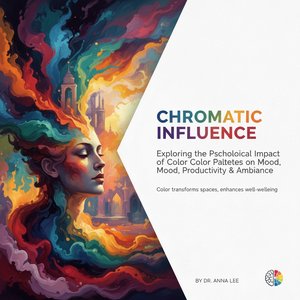
Chromatic Influence: Exploring the Psychological Impact of Color Palettes on Mood, Productivity & Ambiance
Explore the profound impact of color on mood, productivity & ambiance with our expert guide to color psychology for interior design. Discover how strategic palettes transform spaces and enhance well-being.
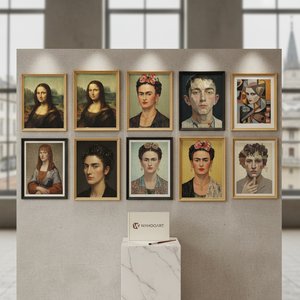
Masterful Portraits: 10 Artworks That Define a Genre | OriginalUniqueArt
Explore 10 iconic portrait paintings – from Mona Lisa to Van Gogh’s self-portraits. Discover the stories behind these masterpieces, artistic techniques & find museum-quality art reproductions for your home at OriginalUniqueArt.com.
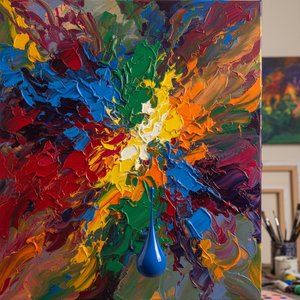
The Resonance of Boldness: Exploring Emotional Impact & Artistic Techniques in Color-Dominant Works
Explore the powerful impact of color in art history! Discover how master artists evoked emotion & built movements through bold palettes. Expert insights for collectors – OriginalUniqueArt.
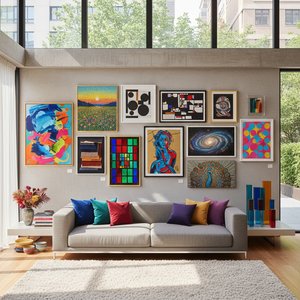
Chromatic Masterpieces: 10 Artworks That Define Color & Inspire Your Home Decor
Explore 10 iconic artworks – from Monet to Matisse – that masterfully use color! Discover the stories behind these vibrant paintings, their techniques & emotional impact. Find museum-quality art reproductions and inspiring decor ideas on OriginalUniqueArt.com.
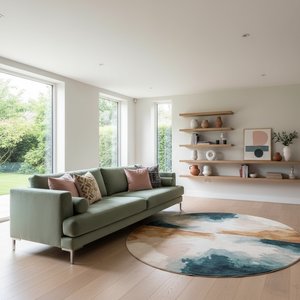
色彩心理学とインテリアデザイン:空間調和を導くパレットの探求
色彩心理学に基づいたインテリアデザインの専門知識を提供。空間調和を導くカラーコーディネート、パーソナルカラーの活用法、最新トレンドまでご紹介。OriginalUniqueArtが快適な居住空間作りをお手伝いします。