

 設置イメージを確認
 送る
送る シェア
シェア
 詳細情報
詳細情報 ガイドを表示

 画像をダウンロード
 似ている作品
 X線調査
X線調査 スライドショー
 統計情報
統計情報Evening Breeze


 続きを読む
続きを読む
ジークレー/アートプリント
スピーディーな制作と多彩な仕上げオプションが魅力の、ミュージアムクオリティなジークレー・キャンバスプリント。 ( 手描きの複製画を注文する デジタル画像販売へ切り替え)




P118B ¥10

P118H ¥10

P118W ¥10

P438Z ¥10

P508JH ¥12

P508YH ¥12

P805H ¥10

P805Z ¥10

P919BZ ¥10

P919G ¥10

P919XJ ¥10

P959ZH ¥10

P968JZ ¥12

W106C ¥8

W218G ¥10

W218JH ¥8

W218Y ¥10

W307PJ ¥10

W316G ¥10

W316PJ ¥8

W316Y ¥10

W398PJ ¥8

W4111J ¥10

W500HY ¥15

W500JH ¥15

W692G ¥12

W849H ¥8

W940BG ¥15

W953PJ ¥8




作品のオリジナル比率に合わせた、当店の規定サイズからお選びください。

額縁や壁のスペースに合わせて、ご希望の幅と高さを入力してください。プリントはカットすることは可能ですが、元の画像より大きくすることはできないため、異なる比率のサイズを選択された場合は、画像の一部が欠けることになります。印刷を開始する前に、内容を確認していただくためのデジタルモックアップをお送りいたします。このページに表示されている画像は、実際のカット後の状態を示すものではありません。実際の仕上がりはモックアップにてご確認ください。


 ガラスオプションは、110cm未満のサイズでのみご利用いただけます。

Evening Breeze
ジークレー/アートプリント
複製画サイズ一覧
-


合計金額
¥ 12596
A Symphony of Light and Color
In the quiet transition between day and night, where the sun’s warmth lingers against the encroaching cool of the dusk, lies the soul of Henri Edmond Cross’s “Evening Breeze.” Completed between 1893 and 1894, this masterpiece serves as a luminous gateway into the heart of Neo-Impressionism. The painting invites the viewer to a tranquil coastal vista, where the air feels heavy with the scent of salt and the soft hum of twilight. It is not merely a landscape; it is an intellectual and emotional exploration of how we perceive light. As the eye wanders across the canvas, one is immediately struck by the ethereal glow that seems to emanate from within the paint itself, capturing that fleeting, magical moment when the world holds its breath before the stars emerge.
The composition is a masterclass in balance and depth, guiding the observer through a series of carefully layered planes. In the immediate foreground, two reclining female figures rest amidst flowering shrubs, their presence lending a sense of profound peace and human connection to the wildness of the coast. As the gaze moves toward the midground, a solitary figure stands near the trees, acting as a bridge between the intimate foreground and the expansive horizon. Beyond them, the sea stretches toward distant, hazy hills, dotted with the tiny, rhythmic silhouettes of sailboats. This arrangement creates a sense of immense space, drawing the viewer into a world that feels both vast and intimately reachable.
The Science of the Dot: Pointillist Mastery
To understand the brilliance of “Evening Breeze,” one must look closer at the revolutionary technique employed by Cross. Moving away from the spontaneous, blended strokes of traditional Impressionism, Cross embraced Pointillism—a method of applying tiny, distinct dots of pure color side-by-side. This was not merely a stylistic choice but a scientific endeavor. By placing contrasting hues next to one another, Cross relied on the viewer's eye to perform "optical mixing." When standing at a distance, the vibrant oranges, yellows, and pinks of the sunset merge with the deep blues and charcoal greys of the sea and cliffs, creating a shimmering, vibrating effect that traditional pigment blending could never achieve.
This granular texture gives the surface of the painting a unique luminosity. The light does not just sit upon the canvas; it seems to dance within the very structure of the color dots. For the collector or interior designer, this technique offers an unparalleled visual richness. A high-quality reproduction of this work brings a dynamic energy into a room, as the interplay of light and color changes subtly depending on the ambient lighting of the space, much like the real evening breeze that inspired its creation.
Symbolism and Emotional Resonance
Beyond its technical prowess, “Evening Breeze” is steeped in symbolic meaning. The palette itself tells a story of resilience. The somber, dark tones of the rocky shoreline and the deep shadows of the cliffs represent the inevitable approach of darkness and the unknown. Yet, these are punctuated by brilliant, defiant splashes of warmth—the fiery oranges and soft pinks of the setting sun. This juxtaposition serves as a metaphor for vitality and beauty persisting even in the face of encroaching shadows, offering a message of hope and enduring grace.
The atmosphere of the painting is one of profound serenity and contemplation. The figures in repose suggest a state of meditative rest, encouraging anyone who views the piece to pause their own frantic pace and embrace a moment of stillness. For those seeking to curate an environment of sophistication and calm, “Evening Breeze” provides more than just decoration; it provides an emotional sanctuary. It is a timeless tribute to the beauty of the natural world and the enduring power of light to transform our perception of reality.
よくあるご質問
アンリ・エドモン・クロス作「Evening Breeze」のコントラストはどの程度ですか?
アンリ・エドモン・クロス作「Evening Breeze」のコントラストレベルはBalancedです。
「Evening Breeze」のプレビューはどこで確認できますか?
アンリ・エドモン・クロス作「Evening Breeze」の複製画をプレビューするには、作品のプレビューページを開いてください。
アンリ・エドモン・クロス作「Evening Breeze」の配色(パレット)はどのように表現されていますか?
「Evening Breeze」の色調は、Earthyなパレットを構成しています。この分類は、主要な色相のグループを表しています。
アーティストについて
光と色彩に彩られた生涯:アンリ・エドモン・クロス
1856年、フランス北部の都市ドゥエーで生まれたアンリ・エドモン・クロスは、その人生と作品を通して、光、色彩、そして調和のとれた存在への探求を追求した画家です。彼の物語は、個人的な状況と前衛的な理想への情熱によって推進された芸術的進化の軌跡を描いています。冒険心旺盛な父とイギリス人の母を持つクロスは幼少期にリールに移り住み、そこで芽生えた才能は、パトロンであるオーギュスト・ソワンス博士によって認められ、名高いカロルス=デュランからのレッスンを受ける機会を得ました。この基礎的な訓練は、彼の中に古典的技法への敬意を植え付けましたが、それは後に革命的な新印象主義の世界に足を踏み入れた際に、見事に覆されることになります。早い段階から、独自の芸術的アイデンティティを確立したいという願望から、「クロス」を名前に採用し、1886年にはユージェーヌ・ドラクロワや同姓の別の画家との混同を避けるため、正式に「アンリ・エドモン・クロス」へと改名しました。この行為は、急速に変化する美術界の中で、独自の芸術的声を見出すというより大きな野望の象徴でした。写実主義から輝きあふれる分割主義へ
クロスの初期の芸術的探求は、肖像画や静物といった写実主義の伝統に根ざいていました。それらは技術的な熟練度を示していましたが、際立った特徴に欠けていました。しかし、1880年代のパリ美術界は新しいアイデアで賑わっており、クロスはジョルジュ・スーラとポール・シニャックが提唱する新印象主義—点描主義—の革新的な原理にますます惹かれるようになりました。この出会いは画期的な転換点となりました。色彩理論への科学的アプローチ、そして光学的な混合を生み出すために小さな区別された筆致(または「点」)を丹念に適用するという考え方は、彼の芸術的感性に深く共鳴しました。同時に、慢性的なリウマチの苦しみから解放されるため、クロスは1883年から南フランスへの移住を開始し、1891年にはサン=クレールに定住することになります。この地域の鮮やかな光と風景は、彼の芸術的ビジョンに不可欠な要素となりました。彼はスーラの点描主義を単に模倣するのではなく、それを発展させました。より大きなモザイクのような筆致を取り入れ、分割された色彩の輝きを保ちながら、より表現的な自由度を獲得しました。この「第二世代」の新印象主義は、大胆な色調強度とダイナミックな構成によって特徴づけられ、彼のシグネチャーとなるスタイルへと昇華していきました。無政府主義的思想とユートピア的ビジョン
技術的な革新に加えて、クロスの作品は、社会や政治に対する強い理想主義—具体的には無政府主義の信念—によって深く影響を受けていました。この信念は露骨なプロパガンダとして表現されることはなく、むしろ、人間と自然が調和して共存する理想的な田園風景を描くことによって現れました。それは、現代都市生活の腐敗や疎外感に対する代替案を提示するものでした。彼の絵画は単なる美的演習ではなく、より公平で平和な世界を提唱する視覚的な声明でした。このイデオロギーの影響は、作品の構成に微妙に織り込まれており、ユートピアへの憧憬を感じさせる雰囲気を醸し出しています。*Before the Storm(嵐の前)*や *The Farm, Evening(夕暮れの農場)*といった作品は単なる自然の描写ではなく、公正な社会を象徴する寓話です—鮮やかな色彩とダイナミックな筆致がエネルギーと楽観主義を喚起し、変革と再生を示唆しています。彼は人間が産業化や社会階層の制約から解放され、周囲の環境とのバランスの中で生きる世界を描こうとしました。近代美術への遺産と影響
アンリ・エドモン・クロスの芸術的旅は、近代美術の流れに大きな影響を与えた重要な作品群を生み出しました。1905年のギャラリー・ドルーでの個展、そして1908年にフェリックス・フェネオンが主催したベルンハイム=ジュヌ・ギャラリーでの回顧展は、彼を新印象主義の主要な人物として確固たる地位に押し上げました。しかし、彼の影響力は新印象主義にとどまりませんでした。自然な外観に従って色彩を適用するのではなく、表現効果のために色彩を使用するという大胆な試み、そして形態を歪める意欲は、フォーヴィスムの過激な実験への道を開きました。アンリ・マティスやアンドレ・デランといった画家たちはクロスの作品に深く感銘を受け、伝統的な制約からの解放と、より芸術的自由への道を認識しました。彼は色彩が現実を表現するためだけでなく、感情を喚起し、純粋な視覚体験を生み出すために使用できることを示しました。1910年にサン=クレールで癌により亡くなりましたが、彼の遺産は今日でもアーティストや美術愛好家に共鳴し続けています。彼の絵画は、色彩、光、形態の変革的な可能性—そして芸術が社会と政治的表現のための手段として持つ永続的な力を証明するものです。主要作品と現代における意義
いくつかの作品はクロスの芸術的ビジョンを特に代表するものとして際立っています:- Before the Storm(嵐の前): 彼の新印象主義の風景の典型的な例であり、劇的な空を描き出し、無政府主義のテーマを示唆しています。
- The Washerwoman(洗濯女): 点描主義と分割主義の習熟度を示し、鮮やかな色彩とダイナミックな構成で日常生活のシーンを描いています。
- The Farm, Evening(夕暮れの農場): 田園生活の穏やかな描写であり、人間と自然が調和して共存するという彼のユートピア的ビジョンを体現しています。

アンリ・エドモン・クロス
1856 - 1910 , 日本
アーティスト情報
- Artistic Movement Or Style: 新印象派
- Artists Or Movements Influenced By This Artist:
- アンリ・マティス
- フォーヴィスム
- Artists Who Influenced This Artist:
- ジョルジュ・スーラ
- ポール・シニャック
- Date Of Birth: 1856年
- Date Of Death: 1910年
- Full Name: アンリ・エドモン・クロス
- Nationality: フランス人
- Notable Artworks (List Of Titles):
- 嵐の前の静けさ
- 洗濯婦
- 夕暮れの農場
- Place Of Birth (City And Country): フランス、ドゥエー
関連記事

ポール・セザンヌ:至高の25選 - 傑作と革新の軌跡 | OriginalUniqueArt
ポール・セザンヌの至高の25選。ポスト印象派を代表する画家、セザンヌの傑作と革新的な技法を紐解きます。OriginalUniqueArtで高品質な複製画やインテリアアートを見つけ、芸術の世界をご自宅に。今すぐコレクションをご覧ください。

Henri Edmond Cross: A Pioneer of Neo-Impressionism & the Divisionist Aesthetic
Explore the life & art of Henri Edmond Cross, a pivotal Neo-Impressionist painter. Discover his innovative divisionist technique, political affiliations, and lasting influence on modern art movements like Fauvism. Learn about key works & legacy.

Evocations of Place: A Historical Journey Through Landscape Art
Explore the rich history of landscape art with OriginalUniqueArt. Discover renowned artists, movements like Impressionism & tonalism, and expert guidance for collecting timeless pieces. Find your perfect serene escape today!

Evocations of Place: A Historical Journey Through Landscape Art
Explore the rich history of landscape art with OriginalUniqueArt. Discover renowned artists, movements like Impressionism & Romanticism, and expert guidance for collecting timeless pieces. Find your perfect serene escape today!
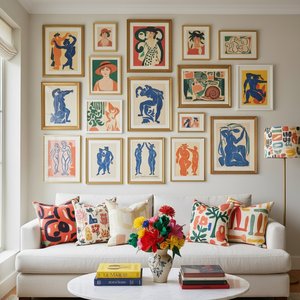
アンリ・マティスの傑作25選:色彩と情熱の軌跡|OriginalUniqueArt
アンリ・マティスの傑作25選🎨 色彩と情熱が織りなす世界を旅する。フォーヴィスム代表の巨匠、マティスの絵画の魅力と歴史を紐解きます。OriginalUniqueArtで高品質なアートプリントや複製画を見つけ、インテリアに芸術的な輝きを✨ Explore the full collection online

