- ホーム

- 油絵の複製画
- heinrich vogeler
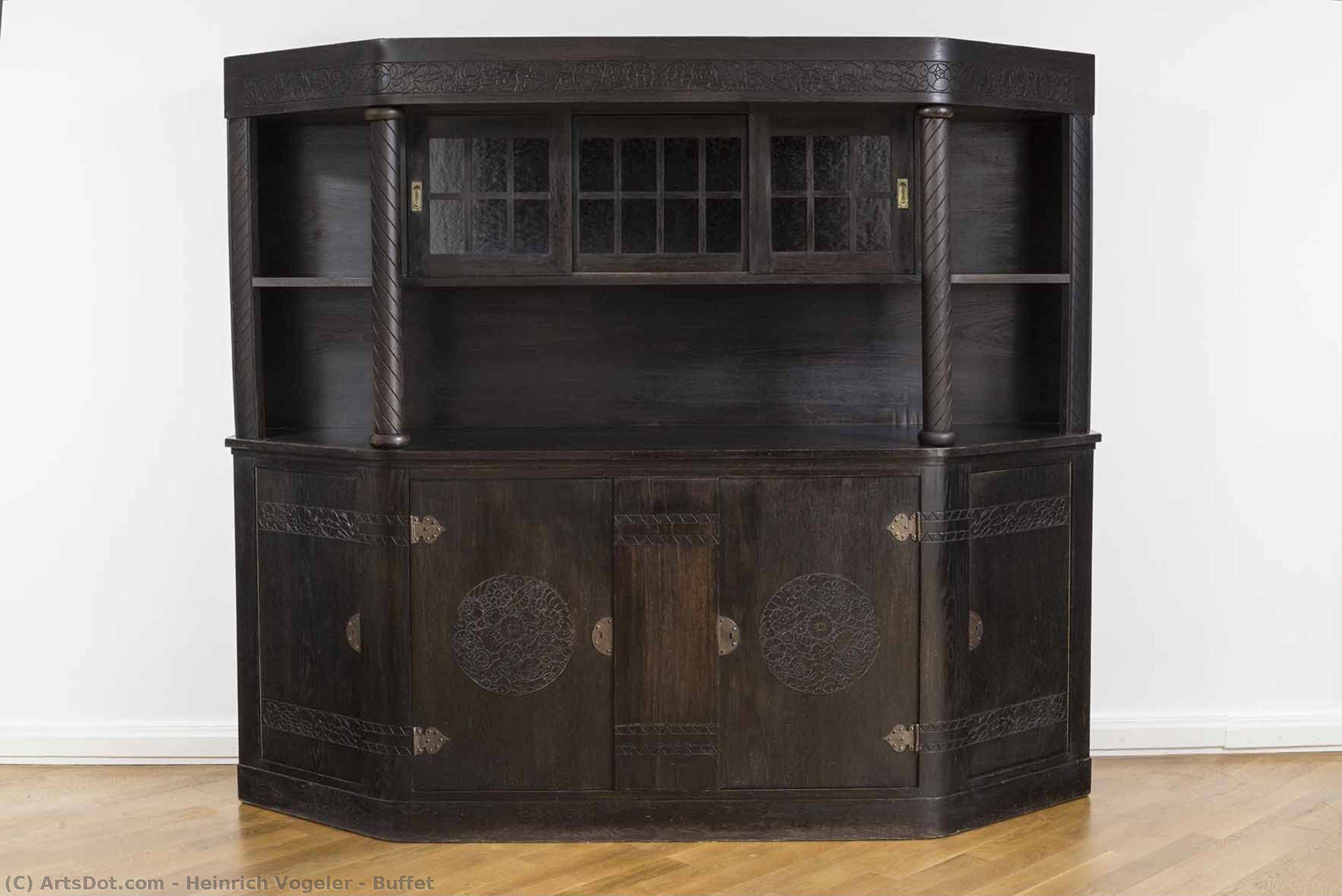
- Buffet
 プレビュー
プレビュー
 シェアする
シェアする シェアする
シェアする
 詳細を見る
詳細を見る

 ダウンロード
 似ている作品
 X線調査
X線調査 スライドショー
Buffet


 詳細を見る
詳細を見る
手描き油彩複製画
当社のアーティストが、お客様のご希望のサイズと額縁に合わせて、キャンバスに手描きで制作する油彩画です。 ( プリント版に切り替え 画像に切り替え)




































作品のオリジナル比率に合わせた、当店の規定サイズからお選びください。

特定のフレームやスペースに合わせて、ご希望のサイズをご入力いただけます。選択されたサイズが元の画像の比率と異なる場合、アートワークをトリミングするか、手描きで要素を追加して絵画を拡張いたします。デジタルモックアップ を制作し、制作開始前にご確認(承認)をいただきます。
画面上のプレビューは、実際のトリミングや拡張を正確に反映しているものではありません。最終的な構図は、モックアップによってのみ正確にご確認いただけます。
カスタムサイズもご利用いただけますが、元の比率を維持するためには、あらかじめ用意されたリストからサイズを選択することをお勧めいたします。
ご注文後、OriginalUniqueArt.com チームより詳細な指示をお送りするとともに、仕上がりイメージ(モックアップ)をご提供いたします。


 ガラスオプションは、110cm未満のサイズでのみご利用いただけます。

Buffet
複製技法
複製画のサイズ
-


合計金額
$ 300
アーティストの略歴
Heinrich Vogeler: Bridging Romantic Idealism and Socialist Engagement
Heinrich Vogeler (1872-1942) stands as a pivotal figure in German art history, embodying the spirit of the Düsseldorf School and profoundly impacted by the burgeoning Worpswede colony. Born in Bremen, his artistic journey unfolded against the backdrop of shifting cultural currents—from early romantic landscapes to later socially conscious paintings reflecting his unwavering commitment to communist ideals—establishing him as an artist deeply attuned to both aesthetic beauty and ethical responsibility. His formative years were marked by rigorous academic training at the Kunstakademie Düsseldorf (1890–95), where he honed his skills alongside contemporaries like Erich Heckel and Wilhelm Wagenfeld, absorbing the stylistic innovations of Impressionism and Post-Impressionism. These influences instilled in Vogeler a sensitivity to light and color that would permeate his subsequent oeuvre. Notably, his visits to Belgium and Italy exposed him to the grandeur of Renaissance art and broadened his artistic horizons. However, it was Worpswede—the idyllic Künstlerkolonie established in 1895—that truly cemented Vogeler’s reputation as a landscape painter and solidified his connection to a vibrant artistic community. He purchased a cottage there named Birkenhof (Low German for birken tree cottage), planting numerous birch trees around it, symbolizing resilience and renewal – motifs that would recur throughout his work. Vogeler's artistic style evolved dramatically over time. Initially characterized by ethereal landscapes imbued with Romantic sentiment—particularly depictions of the Bremen region—his paintings gradually embraced bolder brushstrokes and expressive color palettes reflecting the influence of Fauvist tendencies. He skillfully blended Impressionistic techniques with Symbolist aesthetics, creating images that captured not merely visual beauty but also profound emotional resonance. His book illustrations in Art Nouveau style showcased his mastery of decorative design and demonstrated a keen understanding of contemporary artistic trends. Beyond his artistic accomplishments, Vogeler’s intellectual convictions played an equally significant role in shaping his creative output. Inspired by Maxim Gorky's writings during a trip to Łódź, he developed a deep empathy for the plight of the working class—a sentiment that intensified during observations of Glasgow and Manchester slums. This humanist impulse fueled his artistic exploration of social issues, culminating in powerful depictions of industrial landscapes and portraits reflecting the hardships faced by ordinary people. Following World War I, Vogeler joined the Communist Party of Germany (KPD), actively participating in the Workers’ and Soldiers’ Council of Bremen during the German Revolution of 1918–19. His involvement extended to artistic endeavors aimed at promoting socialist ideals—a commitment that endured throughout his life. Despite facing personal challenges including a divorce from Martha Schröder, Vogeler remained steadfast in his dedication to art and ideology until his death in 1942. He continued to produce paintings reflecting the realities of postwar Germany, demonstrating an unwavering belief in social justice and artistic expression as instruments for fostering human compassion. Heinrich Vogeler’s legacy resides not only in his stunning landscapes but also in his enduring contribution to German art history—a testament to an artist who seamlessly blended aesthetic brilliance with ethical conviction.
heinrich vogeler
1872 - 1942
基本情報
- Artistic Movement Or Style: Düsseldorf School & Worpswede
- Artists Or Movements Influenced By This Artist: ['Social Realism']
- Artists Who Influenced This Artist:
- Maxim Gorky
- Georges Rodenbach
- Date Of Birth: December 12, 1872
- Date Of Death: June 14, 1942
- Full Name: Johann Heinrich Vogeler
- Nationality: German
- Notable Artworks:
- Birkenhof Landscape
- Celtic Landscape
- Place Of Birth: Bremen, Germany
関連記事
Frank Brangwyn: A Life Immersed in Colour, Craft & the Spirit of Modern British Art
Explore the vibrant life & prolific work of Frank Brangwyn, a master of British art. Discover his stunning paintings, designs, and monumental Empire Panels – a celebration of colour, craft, and artistic innovation.

The Roaring Twenties Revisited: Art Deco & Modernist Expressions for the Discerning Collector
Explore the glamour of Art Deco & the innovation of Modernism! Discover key artists, investment potential, and expert guidance for collecting 1920s art. Enhance your space with timeless masterpieces.

Beyond Myth & Madness: Exploring the Visionary Art of Johann Heinrich Füssli
Explore the captivating world of Johann Heinrich Füssli (Henry Fuseli), a master of Romantic art. Discover his iconic 'The Nightmare' and Shakespearean scenes, plus insights for collectors & enthusiasts.
Erté: The Art Deco Visionary Who Defined Modern Glamour
Explore the glamorous world of Erté, the 'Father of Art Deco'. Discover his iconic fashion illustrations, stunning sculptures & enduring legacy. Expert insights for art collectors.
Paul Manship: Reassessing the Master of American Art Deco Sculpture
Explore the captivating world of Paul Manship, a leading figure in American Art Deco sculpture. Discover his iconic works like Prometheus, influence on modernism, and investment potential. Expert insights for collectors.

