プリント版に切り替え
 詳細を表示
詳細を表示







































 いずれかの辺が105 cm(約41インチ)を超えるアートワークまたは複製画の場合、フレームは分解されたキットの状態でお届けいたします。この方法は、輸送中の破損を防ぎ、安全に配送するために採用しております。


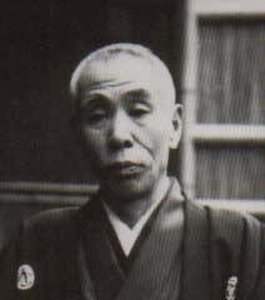
Two black monkeys, depicted in a realistic style, sit in a tree painted in light colors. The composition is a simple one, and the poses of the monkeys and the twisting branches of the tree generate a sense of space. The theme of monkeys in trees, as in this painting of two black monkeys, has a tradition that can be traced back to Chinese painting. Hashimoto Kansetsu was well versed in both classical Chinese literature and Asian painting, for he had been taught the Chinese classics by his father, a Confucian scholar of the Akashi fief, from his childhood and had studied painting under Takeuchi Seiho in Kyoto. He particularly excelled in painting animals, establishing a unique style by depicting Southern themes based on the Shijo school’s manner of sketching from life. Monkeys is a late masterpiece, which shows well the artist’s individuality. The face of the monkey in the foreground is positioned at the center of the picture, and the line from its left foot to its right hand forms a diagonal. The tree, meanwhile, is confined almost entirely to the bottom right of the picture. The monkey’s hand reaches into the air toward the upper left, as if trying to grasp something, and we realize how Hashimoto needed the full size of this picture to give meaning to this space. Through his skillful handling of a composition defined only by monkeys and tree, Hashimoto Kansetsu has achieved a spatial expression of great spiritual depth, which differs in dimension from that achieved by the Western system of perspective that was strongly influencing Japanese style painting at the time. (Writer : Masato Satsuma Source : Selected Masterpieces from The University Art Museum, Tokyo National University of Fine Arts and Music: Grand Opening Exhibition, The University Art Museum, Tokyo National University of Fine Arts and Music, 1999)
Q&A
「Monkeys」はいつ制作されましたか?
「Monkeys」は1933年の作品です。この制作年は、Hashimoto Kansetsuのキャリアおよび当時の時代背景において、本作を位置づけるものです。
Hashimoto Kansetsu作「Monkeys」のコントラストはどの程度ですか?
Hashimoto Kansetsu作「Monkeys」のコントラストレベルはSereneです。
「Monkeys」の作者は誰ですか?
「Monkeys」の作者はHashimoto Kansetsuです。この作品はHashimoto Kansetsuの名でカタログに登録されています。
この絵画の詳細を見る
 設置イメージを表示
 シェアする
シェアする シェアする
シェアする
 詳細を見る
詳細を見る ガイドを表示

 ダウンロード
 似ている作品
 X線調査
X線調査 スライドショーを表示
 Q&A
Q&A 統計情報
統計情報