

 設置イメージを確認
 送る
送る シェア
シェア
 詳細情報
詳細情報 ガイドを表示

 画像をダウンロード
 似ている作品
 X線調査
X線調査 スライドショー
 統計情報
統計情報Maria, das Kind liebkosend
 Oil On Canvas
- WallArt
- Northern Renaissance
 1499
1499 24.0 x 16.0 cm
 Kunsthistorisches Museum
 続きを読む
続きを読む
ジークレー/アートプリント
スピーディーな制作と多彩な仕上げオプションが魅力の、ミュージアムクオリティなジークレー・キャンバスプリント。 ( 手描きの複製画を注文する デジタル画像販売へ切り替え)




P118B ¥10

P118H ¥10

P118W ¥10

P438Z ¥10

P508JH ¥12

P508YH ¥12

P805H ¥10

P805Z ¥10

P919BZ ¥10

P919G ¥10

P919XJ ¥10

P959ZH ¥10

P968JZ ¥12

W106C ¥8

W218G ¥10

W218JH ¥8

W218Y ¥10

W307PJ ¥10

W316G ¥10

W316PJ ¥8

W316Y ¥10

W398PJ ¥8

W4111J ¥10

W500HY ¥15

W500JH ¥15

W692G ¥12

W849H ¥8

W940BG ¥15

W953PJ ¥8




作品のオリジナル比率に合わせた、当店の規定サイズからお選びください。

額縁や壁のスペースに合わせて、ご希望の幅と高さを入力してください。プリントはカットすることは可能ですが、元の画像より大きくすることはできないため、異なる比率のサイズを選択された場合は、画像の一部が欠けることになります。印刷を開始する前に、内容を確認していただくためのデジタルモックアップをお送りいたします。このページに表示されている画像は、実際のカット後の状態を示すものではありません。実際の仕上がりはモックアップにてご確認ください。


 ガラスオプションは、110cm未満のサイズでのみご利用いただけます。

Maria, das Kind liebkosend
ジークレー/アートプリント
複製画サイズ一覧
-


合計金額
¥ 12695
A Tender Embrace: Hans Holbein the Elder’s Maria, das Kind liebkosend
Hans Holbein the Elder's "Maria, das Kind liebkosend," painted in 1499, transcends mere depiction; it embodies the very essence of Renaissance piety and maternal devotion. Housed within the Kunsthistorisches Museum in Vienna, this oil on panel masterpiece—measuring just 24 x 16 cm—commands attention not solely for its diminutive size but for the profound depth of emotion conveyed through masterful technique and symbolic resonance. Holbein’s unwavering commitment to realism distinguishes him from many contemporaries, establishing him as a cornerstone of Northern Renaissance art and securing his place amongst the titans of European painting history.The Artist's Vision: Contextualizing Holbein’s Genius
Born around 1497 in Augsburg, Germany—a correction to earlier attributions placing his origins in Italy—Hans Holbein the Elder emerged as a pivotal figure bridging the late Gothic tradition with the burgeoning innovations of the Northern Renaissance. His life unfolded during a period of immense religious and political upheaval, a context that subtly yet profoundly informed his artistic vision. Unlike many artists who gravitated towards the Italian peninsula for their training, Holbein honed his skills within the German artistic landscape, absorbing influences from masters like Albrecht Dürer while simultaneously developing a uniquely personal style. His early career blossomed in Basel, Switzerland, where he quickly established himself as a sought-after creator of religious imagery, intricate murals adorning public and private spaces, and beautifully detailed book illustrations. This formative experience instilled within him an unparalleled understanding of conveying spiritual narratives with breathtaking precision—a characteristic that would define his oeuvre throughout his prolific artistic life.Technical Mastery: Oil Paint on Panel – A Revelation of Detail
The painting’s remarkable fidelity to reality stems from Holbein's pioneering use of oil paint on panel, a technique that revolutionized art production at the time. Prior to this innovation, tempera—pigments bound in egg yolk—dominated artistic practice, resulting in images characterized by flattened colors and reduced textural nuance. Oil paint, however, allowed for unparalleled luminosity and depth, permitting Holbein to achieve astonishing levels of detail—particularly evident in the rendering of Mary’s drapery and the infant Jesus's face. Careful layering of glazes created a shimmering surface that captured subtle variations in light and shadow, elevating the artwork beyond mere representation into an immersive experience for the viewer. This meticulous approach reflects Holbein’s dedication to capturing not just what was seen but also what was felt—a testament to his artistic genius.Symbolism Woven Into Sacred Narrative
Beyond its technical brilliance lies a rich tapestry of symbolism that speaks volumes about Renaissance beliefs concerning motherhood and divine grace. The crown adorning Mary's head is a deliberate allusion to her role as Queen of Heaven, signifying her exalted status within Christian theology. Furthermore, the intimate gesture—Mary gently embracing Jesus—represents the profound bond between mother and child, embodying compassion, tenderness, and unwavering faith. The inclusion of additional figures in the background—likely representing members of Mary’s family or entourage—adds to the painting's narrative complexity, reinforcing its depiction as a cornerstone of Christian iconography. Each element contributes to an overarching message of maternal love and spiritual contemplation.Emotional Resonance: A Window Into Renaissance Spirituality
“Maria, das Kind liebkosend” continues to captivate audiences centuries after its creation because it succeeds in conveying a palpable sense of serenity and devotion. The warm golden hue permeates the entire composition, fostering an atmosphere of tranquility and illuminating Mary’s serene countenance. Holbein's masterful portrayal captures not only the visual splendor of the scene but also the emotional core of Christian faith—a belief in divine providence and unwavering trust in God’s mercy. It stands as a poignant reminder of the enduring power of art to inspire contemplation and evoke profound feelings of compassion and reverence.- Artist: Hans Holbein the Elder
- Born Year: 1497
- Death Year: 1543
- Birth City: Augsburg
- Birth Country: Italy
よくあるご質問
実物のハンス・ホルバイン(父)作「Maria, das Kind liebkosend」のサイズはどのくらいですか?
ハンス・ホルバイン(父)作「Maria, das Kind liebkosend」の記録されている寸法は24 x 16 cmです。複製画は、同じ比率を維持したまま他のサイズで注文することが可能です。
ハンス・ホルバイン(父)作「Maria, das Kind liebkosend」は、作家の母国に保管されていますか?
いいえ、作品は国外に保管されています。「Maria, das Kind liebkosend」はAustriaに所蔵されていますが、ハンス・ホルバイン(父)の出生地はイタリアです。
「Maria, das Kind liebkosend」の技法は何ですか?
ハンス・ホルバイン(父)作「Maria, das Kind liebkosend」の技法はOil On Canvasです。複製画は、この技法の質感や風合いを再現することを目指しています。
アーティストについて
アウクスブルクの巨匠:ハンス・ホルバイン・ザ・エルダーとルネサンス写実主義の黎明
1497年頃、ドイツの活気あふれる芸術拠点であるアウクスブルクに生まれたハンス・ホルバイン・ザ・エルダー(かつてはイタリア生まれとする説もありましたが、現在はドイツ起源が定説となっています)は、後期ゴシックの伝統と、胎動しつつあった北欧ルネサンスの革新を結びつける極めて重要な役割を果たしました。彼の生涯は、宗教的・政治的な激動の時代の中にあり、その背景は彼の芸術的ヴィジョンに繊細ながらも深い影響を与えました。修行のためにイタリア半島へと向かった多くの画家たちとは異なり、ホルバインはドイツの芸術的風景の中でその腕を磨き、アルブレヒト・デューラーのような巨匠たちの影響を吸収しながら、同時に独自のパーソナルな様式を確立していったのです。初期のキャリアはスイスのバーゼルで花開き、宗教画や公共・私的な空間を彩る緻なった壁画、そして美しく細密な挿絵を描く画家として、瞬く間にその名を馳せました。しかし、彼の遺産を決定づけたのは、単なる外見の模写に留まらず、描かれた人物の魂そのものを捉えた、開花しつつあった肖像画への類まれな才能でした。様式の融合:ゴシックの細密描写とルネサンスの人文主義
ホルバインの芸術的アプローチは、決して急進的な断絶ではなく、むしろ見事な「統合」でした。彼は後期ゴシック期の特徴である緻密なディテールや正確な素描技術を捨て去ることはありませんでした。むしろ、それらにイタリアからヨーロッパ全土へと広がっていた人文主義の理想を吹き込んだのです。レオナルド・ダ・ヴィンチやサンドロ・ボッティチェッリの影響は、直接的な模倣としてではなく、自然主義へのこだわり、心理的な深み、そして洗練された解剖学的理解の採用という形で、彼の作品の中に見て取ることができます。この融合によって、かつてないほどの存在感を放つ、驚くほど生命力に満ちた肖像画が誕生しました。彼は、絹の光沢、ベルベットの重厚感、肌の微細な質感といったテクスチャーを、息を呑むような正確さで描き出す並外れた能力を備えていました。1499年に制作され、現在はウィーンの美術史美術館に収蔵されている聖母子(Maria, das Kind liebköstend)は、この初期の卓越した技量を象徴しています。繊細な筆致と人体への鋭い観察眼によって、感情的な響きに満ちた慈愛に満った描写が実現されています。また、聖ペテロと聖パウロを描いた題材板も、彼の技術的な熟練度だけでなく、構図の中に展開される物語的な感性を証明しています。外見を超えて:人物像と時代背景の捕捉
ホルバインの肖像画は、単なる視覚的な正確さを追求した練習作ではありませんでした。それは、人物の性格や社会的地位を洞察するための深い研究でもあったのです。彼は、衣服や宝飾品、さらには姿勢までもが、その人物のアイデンティティや社会における立ち位置を雄弁に物語ることを理解していました。彼は単に人々が「どのように見えるか」を描いたのではなく、彼らが「何者であるか」――その野心、不安、そして世界における居場所――を描き出そうとしたのです。この心理的な深みを捉える能力こそが、同時代の多くの画家と彼を分かつものでした。キャリアを通じて宗教画も制作しましたが、彼の名声を不動のものとし、永続的な影響力を確かなものにしたのは、この肖像画への集中でした。彼の作品は、大きな変革期にあった人々の生活を貴重な断片として現代に伝えており、歴史家や芸術愛好家に対して、16世紀の複雑な社会構造を覗き見る窓を提供してくれます。不朽の遺産:影響と再発見
より有名な息子であるハンス・ホルバイン・ザ・ユンガーの影に隠れてしまうこともありますが、エルダー(父)が美術史に残した衝撃は否定しようのないものです。ジャンルを融合させた革新的な手法は、細部への細やかな注意と心理的洞察力と相まって、後の世代の肖像画家たちの道を切り拓きました。美術史家のエリス・ウォーターハウスが正当に指摘しているように、息子の描いた肖察画でさえも、父の指導の下での初期修行を通じて培われた基礎的な技術と審美眼に恩恵を受けているのです。今日、OriginalUniqueArt.comのようなプラットフォームを通じて、ホルバインの作品の複製画に触れることができることは、世界中の芸術愛好家が彼の天才性を享受することを可能にしています。
ハンス・ホルバイン(父)
1497 - 1543 , イタリア
アーティスト情報
- Artistic Movement Or Style: 北方のルネサンス
- Artists Or Movements Influenced By This Artist: 北方ルネサンスの芸術家
- Artists Who Influenced This Artist:
- レオナルド・ダ・ヴィンチ
- サンドロ・ボッティチェッリ
- Date Of Birth: 1497年頃
- Date Of Death: 1543年
- Full Name: ハンス・ホルバイン(父)
- Nationality: ドイツ
- Notable Artworks:
- 幼子を愛でるマリア
- 聖ペテロと聖パウロの題名板
- Place Of Birth: ドイツ、アウクスブルク
関連記事
Mastering the Surface: A Historical and Technical Guide to the Art of Oil on Panel Painting
Explore the profound history and technical brilliance of oil on panel painting. From Renaissance masters to modern techniques, discover why this rigid support offers unparalleled precision and permanence for fine art lovers and collectors.
Oil on Panel: A Historical Survey of Technique, Support, and Aesthetic Impact
Explore the rich history of oil on panel painting! Discover Renaissance techniques, support construction, & the enduring legacy of this masterful art form. Expert insights for collectors and enthusiasts.
Oil on Panel: A Historical Survey of Technique, Support & Aesthetic Evolution
Explore the rich history of oil on panel painting! Discover Renaissance techniques, support structures & aesthetic evolution. Expert insights for art collectors and enthusiasts.

Mastering the Surface: The Timeless Elegance and Technical Brilliance of Oil on Panel Painting
Discover the enduring allure of oil on panel painting. Explore the technical mastery, historical significance, and luminous depth that define this prestigious medium, from Renaissance masters to modern fine art reproductions for discerning collectors.
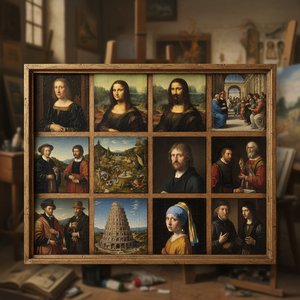
Oil on Panel Masters: 10 Paintings That Revolutionized Art |
Journey through 10 legendary 'Oil on Panel' masterpieces by Van Eyck, Bosch & Bruegel. Explore the stories behind these iconic Renaissance & Baroque paintings and find museum-quality art reproductions to elevate your home decor. Discover all masterpieces on !