
 設置イメージを表示
 シェアする
シェアする シェアする
シェアする
 詳細を見る
詳細を見る ガイドを表示

 ダウンロード
 似ている作品
 X線調査
X線調査 スライドショーを表示
 Q&A
Q&A 統計情報
統計情報Christus before Pilate (detail)


 詳細を表示
詳細を表示
ジークレー/アートプリント
スピーディーな制作と多彩な仕上げオプションが魅力の、ミュージアムクオリティなジークレー・キャンバスプリント。 ( 手描き複製画を注文する デジタル画像販売へ切り替え)




P118B ¥10

P118H ¥10

P118W ¥10

P438Z ¥10

P508JH ¥12

P508YH ¥12

P805H ¥10

P805Z ¥10

P919BZ ¥10

P919G ¥10

P919XJ ¥10

P959ZH ¥10

P968JZ ¥12

W106C ¥8

W218G ¥10

W218JH ¥8

W218Y ¥10

W307PJ ¥10

W316G ¥10

W316PJ ¥8

W316Y ¥10

W398PJ ¥8

W4111J ¥10

W500HY ¥15

W500JH ¥15

W692G ¥12

W849H ¥8

W940BG ¥15

W953PJ ¥8




作品のオリジナル比率に合わせた、当店の規定サイズからお選びください。

額縁や壁のスペースに合わせて、ご希望の幅と高さを入力してください。プリントはカットすることは可能ですが、元の画像より大きくすることはできないため、異なる比率のサイズを選択された場合は、画像の一部が欠けることになります。印刷を開始する前に、内容を確認していただくためのデジタルモックアップをお送りいたします。このページに表示されている画像は、実際のカット後の状態を示すものではありません。実際の仕上がりはモックアップにてご確認ください。


 ガラスオプションは、110cm未満のサイズでのみご利用いただけます。

Christus before Pilate (detail)
ジークレー/アートプリント
複製画サイズ一覧
-


合計金額
¥ 12808
A Divine Encounter in the Northern Renaissance
In the quiet intensity of Hans Multscher’s 1437 masterpiece, Christus before Pilate (detail), we are invited to witness one of the most profound confrontations in human history. This exquisite detail from the Wurzach Altar does not merely depict a biblical event; it captures the very breath held between two worlds: the eternal and the temporal. As Jesus Christ stands before the Roman governor, the canvas vibrates with the tension of a trial that would alter the course of civilization. Multscher, a pioneer of German realism, moves beyond the flat, symbolic gestures of the Gothic era to present a scene where every furrowed brow and heavy fold of fabric tells a story of spiritual weight and earthly consequence.
The artistry of this piece lies in its breathtaking commitment to Northern Renaissance Realism. Utilizing the delicate medium of oil paint on fir wood, Multscher achieved a level of textural nuance that was revolutionary for his time. One can almost feel the heavy, tactile quality of the garments worn by the gathered crowd—the rougher textures of commoners contrasted against the more refined attire of those in positions of authority. This meticulous attention to detail serves a higher purpose than mere decoration; it grounds the divine narrative in a palpable, physical reality, making the miraculous feel disturbingly present and human.
Symbolism and the Language of Light
Every element within this composition is imbued with deep theological significance, designed to guide the viewer toward spiritual contemplation. The central figure of Christ is marked by a subtle yet unmistakable halo, a luminous emblem of his divine nature that pierces through the surrounding earthly chaos. Around him, the faces of the onlookers form a mosaic of human emotion—fear, doubt, skepticism, and apprehension. These expressions serve as a mirror for the viewer's own soul, reflecting the universal struggle to recognize truth amidst the noise of worldly judgment.
The interplay of light and shadow, or chiaroscuro, plays a vital role in directing the narrative flow. Light falls upon Christ with a clarity that suggests an inner radiance, while the deeper shadows enveloping the periphery represent the uncertainty and moral ambiguity of Pilate’s court. For the collector or the interior designer, this painting offers more than just visual beauty; it provides a focal point of profound intellectual and emotional depth. It is a piece that commands attention, inviting long periods of study and reflection, making it an ideal centerpiece for spaces dedicated to thought, heritage, and the appreciation of fine classical art.
A Legacy of Faith and Humanism
To look upon this work is to step into the cultural heart of 15th-century Ulm. Created during a period of intense religious fervor and the burgeoning movement of Northern Humanism, Multscher’s work embodies the era's desire to find the sacred within the natural world. His travels through France and the Netherlands clearly left an indelible mark on his technique, allowing him to bring a sophisticated, international realism to the German landscape. This painting is not just a relic of the past; it is a living testament to the moment when art began to look more closely at the human condition.
Whether displayed in a private gallery or as a sophisticated element of a curated interior, a high-quality reproduction of this detail allows the timeless drama of Multscher’s vision to inhabit modern spaces. It brings with it an atmosphere of historical gravity and artistic excellence, offering anyone who appreciates the masters a window into a period where every brushstroke was an act of devotion.
Q&A
ハンス・ムルトシャー作「Christus before Pilate (detail)」を異なる照明の下で見ることはできますか?
ハンス・ムルトシャー作「Christus before Pilate (detail)」のX線解析ページは、X線写真のような表示を含む、作品画像の11層にわたる光学レイヤーをスライドして閲覧できるインタラクティブ・ビューアです。
国立博物館群所蔵の「Christus before Pilate (detail)」の複製権について教えてください。
「Christus before Pilate (detail)」の原画は国立博物館群に所蔵されており、本作品はパブリックドメイン(著作権消滅)です。
ハンス・ムルトシャー作「Christus before Pilate (detail)」の雰囲気はどのように表現されていますか?
「Christus before Pilate (detail)」は、Dramaticな雰囲気を纏っています。
作家プロフィール
ドイツ・リアリズムの先駆者:ハンス・ムルトシャーの生涯と芸術
1400年頃、現在のレウトキルヒ・イム・アルゴイの一部であるバイエルンの小さな町、ライヒェンホーフェンに生まれたハンス・ムルトシャーは、ドイツにおける後期ゴシック様式から勃興するルネサスンスへの過渡期を繋ぐ、極めて重要な役割を果たした人物です。彼の若年期の詳細については謎に包まれている部分も多いものの、ムルトシャーが旺盛な探究心と芸術的革新を見出す鋭い眼差しを持っていたことは疑いようがありません。彼は単に当時の流行を吸収するだけではなく、自ら新たな影響を求めて旅に出ました。その旅路は、彼の独自の美学を形作る決定的なものとなったのです。おそらくこれらの旅を通じて、彼は北フランスやネーデルラントの芸術拠点に触れ、初期ネーデルラント絵画の特徴である、芽生えつつあったリアリズムと緻密な細部描写を吸収したのでしょう。この様式こそが、後に彼の作品を定義づける重要な要素となりました。1427年、ムルトシャーはドナウ川沿いの繁栄する商業都市ウルムの自由市民となり、ここが彼のキャリアの転換点となります。そこで彼はアデルハイト・キッツィンと結婚し、弟のハインリヒと共に、革新的な彫刻や絵画で瞬く間に名を馳せる工房を設立しました。工房の営みと芸術的発展 ムルトシャーの工房は、単なる制作の場ではありませんでした。そこは芸術的な実験が繰り返される、いわば「るつぼ」だったのです。記録によれば、ハンスは時には16人もの助手を抱える大規模なチームを率いており、旅を通じて吸収した自然主義を、伝統的なゴシック様式の形式へと徐々に融合させていく環境を整えていました。この融合は彼の彫刻作品に顕著に表れています。後期ゴシック特有の引き伸ばされた人物像や様式化された衣襞(いへき)から脱却し、より解剖学的に正確な表現と、深い感情の機微へと向かっていったのです。また、数は少ないものの、彼の絵画も同様に説得力のある変遷を見せています。1437年に着手された「ヴルツァハ祭壇画」は、この進化し続ける様式の証です。元々はヴルツァハの聖ジェームス教会のために計画されたこの野心的なプロジェクトは、当時としては比較的新しい媒体であった油彩画の習熟と、質感、光、影を驚くべき精度で描き出す彼の能力を証明しています。祭壇のパネルに描かれたキリストや聖母マリアの生涯の場面には、それまでの信心深い芸術とは一線を画す、肌に触れるような人間味が吹き込まれています。特筆すべきは、ムルトシャーが宗教的な主題のみに執着したわけではない点です。ウルム市庁舎の東窓を飾る皇帝たちの彫像のように、世俗的な依頼も受けており、その多才さと幅広い顧客層への訴求力を示していました。
主要作品と不朽の遺産
「ヴルツァハ祭壇画」以外にも、ムルトシャーの名をドイツで最も重要な芸術家の一人として確固たるものにした作品は数多く存在します。現在フランクフルトのリービーグハウスに収蔵されている「聖マグダラのマリア」の彫刻は、彫り込まれた形態を通じて深い感情を伝える彼の卓越した手腕を示す、とりわけ痛切な例です。その悲しみに満ちた表情や、髪や衣服の繊細な表現からは、人間心理に対する深い洞察が読み取れます。また、ウルム大聖堂に複製が見られる「悲しみの人」も特筆すべき作品であり、当時の信仰の熱狂を反映した、キリストの受難を描く力強い描写です。これらの作品や市庁舎への貢献は、彫刻と絵画の両面における彼の技術、そして異なる文脈やパトロンに合わせて様式を適応させる能力を物語っています。彼の影は、その生涯を超えて広がりました。彼が築いた工房は、1467年の彼の死後も繁栄を続け、シュヴァーベン地方からその先へと、彼の芸術的理念を広めていったのです。時代を繋ぐ架け橋
ハンス・ムルトシャーの重要性は、単に作品の美しさや技術的な巧みさにあるだけでなく、変化の触媒としての役割にあります。彼は、北ヨーロッパの芸術を変貌させていたリアリズムと自然主義をいち早く受け入れたドイツ人芸術家の一人であり、後のルネサンスの巨匠たちの道を切り拓きました。彼の仕事は、ゴシック期の様式化された慣習から、より人間主義的で観察に基づいたアプローチへの転換点となる、ドイツ美術史における決定的な瞬間を象徴しています。伝統的な形式を完全に捨て去ったわけではなく、作品には依然としてゴシック的な装飾要素が見て取れますが、彼はそれらを新しい技法や美意識と巧みに融合させました。その結果、同時代の人々の心に深く響き、今日でも私たちを魅了し続ける独自の芸術言語を生み出したのです。彼は、芸術的交流の力と、慣習に挑む勇気を持った者たちが残す不朽の遺産の証として、そこに立ち続けています。現代におけるムルトシャーの世界への探求
幸いなことに、ハンス・ムルトシャーの芸術性は数多くの作品として現存しており、私たちはその天才性を直接目にすることができます。ドレスデンのゲメルトガレリー・アルテ・マイスターには、15世紀から18世紀にかけてのヨーロッパ絵画の見事なコレクションが収蔵されており、美術史におけるムルトシャーの位置付けを理解するための広い文脈を提供してくれます。彼の作品の高精度な複製に興味がある方には、OriginalUniqueArtのようなプラットフォームが、オリジナルの傑作のニュアンスを捉えた、細部まで丁寧に手描きされたコピーを提供しています。さらに、WikipediaやWeb Gallery of Artなどのリソースは、貴重な伝記情報や芸術様式の詳細な分析を提供してくれます。これらの資料に触れることで、私たちはハンス・ムルトシャーの生涯と遺産を称え続けることができます。数世紀を経た今もなお、私たちの心を動かし、インスピレーションを与え続けるドイツ・リアリズムの真の先駆者を。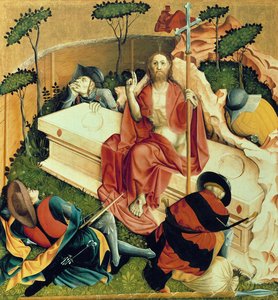
ハンス・ムルトシャー
1400 - 1467 , ドイツ
プロフィール概要
- Artistic Movement Or Style: 後期ゴシック/ルネサンス
- Artists Who Influenced This Artist:
- 北フランス様式
- ネーデルラント様式
- Date Of Birth: 1400年頃
- Date Of Death: 1467年
- Full Name: ハンス・ムルトシャー
- Nationality: ドイツ
- Notable Artworks:
- 聖マグダラのマリア
- 悲しみの人
- 皇帝たちのグループ
- ヴルツァハ祭壇
- Place Of Birth: ドイツ、ライヒェンバッハ
関連記事

Oil on Canvas: A Historical & Technical Exploration of a Timeless Artistic Medium
Explore the rich history & enduring techniques of oil painting on canvas. Discover the science behind its longevity, conservation practices, and contemporary relevance. Expert insights for art enthusiasts.

The Enduring Power of Painting: A Historical & Contemporary Exploration of Form and Emotion
Explore the rich history & enduring techniques of oil painting with OriginalUniqueArt. Discover masterpieces, learn about art collecting, and find authentic handmade reproductions crafted by skilled artists.
The Northern Awakening: Artistic Innovation & Cultural Transformation in the German Renaissance
Explore the artistic innovation of the German Renaissance! Discover Dürer, the Danube School & Reformation art. Learn about techniques, materials & lasting influence. Find museum-quality reproductions at OriginalUniqueArt.
The Northern Renaissance: A Masterclass in Hyper-Realism, Oil Innovation, and Symbolic Depth
Explore the profound mastery of Northern Renaissance art. Discover the technical brilliance of Flemish oil painting, the intricate symbolism of Bosch and Bruegel, and the revolutionary realism that redefined European art history through an expert historical lens.

The Enduring Legacy of Oil on Canvas: Technique, History & Aesthetic Impact
Explore the rich history & techniques of oil painting – from Renaissance masters to Impressionism. Discover pigments, layering methods, and why this timeless medium endures. Expert insights for artists & art enthusiasts.