

 設置イメージを確認
 送る
送る シェア
シェア
 詳細情報
詳細情報 ガイドを表示

 画像をダウンロード
 似ている作品
 X線調査
X線調査 スライドショー
 統計情報
統計情報Christ Carrying the Cross
 Tempera
- Early Netherlandish Painting
 1437
1437 148.0 x 140.0 cm
 国立博物館群
 続きを読む
続きを読む
ジークレー/アートプリント
スピーディーな制作と多彩な仕上げオプションが魅力の、ミュージアムクオリティなジークレー・キャンバスプリント。 ( 手描きの複製画を注文する デジタル画像販売へ切り替え)




P118B $10

P118H $10

P118W $10

P438Z $10

P508JH $12

P508YH $12

P805H $10

P805Z $10

P919BZ $10

P919G $10

P919XJ $10

P959ZH $10

P968JZ $12

W106C $8

W218G $10

W218JH $8

W218Y $10

W307PJ $10

W316G $10

W316PJ $8

W316Y $10

W398PJ $8

W4111J $10

W500HY $15

W500JH $15

W692G $12

W849H $8

W940BG $15

W953PJ $8




作品のオリジナル比率に合わせた、当店の規定サイズからお選びください。

特定のフレームやスペースに合わせて、ご自身でサイズを指定することも可能です。選択されたサイズが元の画像の比率と一致しない場合、作品をトリミングするか、鏡面反射または単色での塗りつぶしによって画像を拡張いたします。制作を開始する前に、ご確認用のデジタルモックアップをお送りいたします。
画面上のプレビューには、実際のトリミングや拡張は反映されませんのでご注意ください。最終的な構図を正確に確認できるのは、モックアップのみとなります。
カスタムサイズも承っておりますが、元の比率を維持するためには、あらかじめ用意されたリストからサイズを選択することをお勧めいたします。


 ガラスオプションは、110cm未満のサイズでのみご利用いただけます。

Christ Carrying the Cross
ジークレー/アートプリント
複製画サイズ一覧
-


合計金額
$ 80
A Window Into Bosch’s Pessimistic Vision: Christ Carrying the Cross
Hieronymus Bosch’s “Christ Carrying the Cross,” housed in Ghent Cathedral, stands as one of his most arresting depictions of Christian iconography—a painting that transcends mere representation to embody a profound meditation on suffering and mortality. Completed around 1510-1535, during Bosch's twilight years, this artwork exemplifies his signature style: grotesque realism infused with moral allegory.
- Style & Technique: Bosch’s meticulous attention to detail—evident in the expressive faces of the onlookers and the unsettling depiction of Christ’s burden—contrasts sharply with idealized Renaissance portraits. The painting utilizes tempera on fir wood, a technique favored by Bosch for its luminosity and durability. Layers of glaze contribute to an ethereal quality, highlighting textures and creating dramatic chiaroscuro effects.
- Historical Context: Painted amidst the burgeoning humanist movement in Europe, “Christ Carrying the Cross” reflects anxieties about faith and morality prevalent during the Reformation era. Bosch’s unflinching portrayal of human folly—represented by the judgmental stares and grotesque expressions of the crowd—served as a critique of societal hypocrisy.
- Symbolism: The painting is replete with symbolic imagery. Christ's agonizing posture symbolizes divine sacrifice, while the multitude of figures surrounding him represent humanity’s complicity in sin. The swords symbolize judgment and divine retribution, emphasizing the inescapable consequences of earthly transgressions. Notably, the shield at the bottom right corner bears a depiction of Saint Jerome—a patron saint of contemplation—suggesting an invitation to introspection.
- Emotional Impact: Bosch deliberately evokes feelings of unease and pity. The artist’s masterful manipulation of color and composition compels viewers to confront uncomfortable truths about human nature and the fragility of existence. “Christ Carrying the Cross” remains a powerful reminder of the enduring themes of suffering, redemption, and moral responsibility.
The Influence of Early Netherlandish Painting
Bosch’s artistic vision was undeniably shaped by the stylistic innovations emerging from Northern Europe during his time—particularly the influence of Early Netherlandish painting. Artists like Rogier van der Weyden and Gerard David pioneered a new approach to depicting religious subjects, prioritizing anatomical accuracy and psychological realism over stylized grandeur.
- Anatomical Precision: Bosch’s depiction of Christ's musculature—a deliberate departure from traditional representations—reflects the meticulous anatomical studies conducted by artists in Leuven and Bruges. These investigations into human anatomy informed a broader trend toward naturalistic observation within the visual arts.
- Psychological Depth: The expressive faces of the onlookers convey profound emotional states—ranging from disdain to compassion—demonstrating Bosch’s commitment to capturing the complexities of human psychology. This emphasis on psychological realism aligns seamlessly with the humanist preoccupation with understanding the inner workings of the human mind.
A Masterpiece of Moral Allegory
"Christ Carrying the Cross" is not merely a visual spectacle; it’s a profound meditation on moral principles—a testament to Bosch's unwavering belief in the importance of confronting uncomfortable truths about human behavior. The artist employs grotesque imagery and caricature to expose societal failings, prompting viewers to contemplate their own ethical responsibilities.
- Moral Critique: Bosch’s deliberate distortion of facial expressions serves as a scathing indictment of moral complacency—challenging audiences to examine their judgments and prejudices. This subversive impulse distinguishes Bosch from many of his contemporaries who sought to uphold idealized notions of virtue.
- Universal Themes: Despite its specific historical context, “Christ Carrying the Cross” speaks to universal themes of suffering, redemption, and divine justice—resonating across cultures and epochs. Bosch’s enduring legacy lies in his ability to provoke contemplation and inspire moral reflection.
Technical Considerations & Restoration Efforts
The painting underwent a significant restoration process in 1956–1957, undertaken by conservators at Ghent Cathedral. During this intervention, experts meticulously cleaned the surface of grime and varnish—revealing the original colors beneath—and stabilized weakened structural elements.
- Glaze Analysis: Detailed analysis of the painting’s glaze layers illuminated the techniques employed by Bosch’s workshop—demonstrating a mastery of layering pigments to achieve luminous effects. Researchers utilized X-ray fluorescence spectroscopy to determine the elemental composition of the glazes, providing invaluable insights into the artist's palette.
- Structural Stabilization: Conservators reinforced the wooden frame and addressed cracks in the panel—ensuring the painting’s preservation for future generations. These efforts underscored the importance of safeguarding cultural heritage and upholding ethical standards of conservation.
Contemporary Interpretations & Artistic Legacy
"Christ Carrying the Cross" continues to inspire artists and scholars alike—serving as a focal point for ongoing debates about Bosch’s artistic intentions and stylistic innovations. Its haunting imagery and moral profundity resonate powerfully with audiences today, prompting reflection on fundamental questions concerning faith, morality, and human existence.
- Influence on Surrealism: Bosch's unsettling vision exerted considerable influence on Surrealist artists—particularly André Breton—who embraced his penchant for dreamlike imagery and grotesque symbolism. Surrealists sought to liberate the subconscious mind from rational constraints—drawing inspiration from Bosch’s exploration of irrational forces.
- Enduring Relevance: Despite its fifteenth-century origins, “Christ Carrying the Cross” retains an enduring relevance—serving as a timeless reminder of humanity's capacity for both compassion and cruelty. Its artistic legacy persists in contemporary art exhibitions and scholarly publications—affirming Bosch’s position as one of the most influential figures in European Renaissance painting.
アーティストについて
ドイツ・リアリズムの先駆者:ハンス・ムルトシャーの生涯と芸術
1400年頃、現在のレウトキルヒ・イム・アルゴイの一部であるバイエルンの小さな町、ライヒェンホーフェンに生まれたハンス・ムルトシャーは、ドイツにおける後期ゴシック様式から勃興するルネサスンスへの過渡期を繋ぐ、極めて重要な役割を果たした人物です。彼の若年期の詳細については謎に包まれている部分も多いものの、ムルトシャーが旺盛な探究心と芸術的革新を見出す鋭い眼差しを持っていたことは疑いようがありません。彼は単に当時の流行を吸収するだけではなく、自ら新たな影響を求めて旅に出ました。その旅路は、彼の独自の美学を形作る決定的なものとなったのです。おそらくこれらの旅を通じて、彼は北フランスやネーデルラントの芸術拠点に触れ、初期ネーデルラント絵画の特徴である、芽生えつつあったリアリズムと緻密な細部描写を吸収したのでしょう。この様式こそが、後に彼の作品を定義づける重要な要素となりました。1427年、ムルトシャーはドナウ川沿いの繁栄する商業都市ウルムの自由市民となり、ここが彼のキャリアの転換点となります。そこで彼はアデルハイト・キッツィンと結婚し、弟のハインリヒと共に、革新的な彫刻や絵画で瞬く間に名を馳せる工房を設立しました。工房の営みと芸術的発展 ムルトシャーの工房は、単なる制作の場ではありませんでした。そこは芸術的な実験が繰り返される、いわば「るつぼ」だったのです。記録によれば、ハンスは時には16人もの助手を抱える大規模なチームを率いており、旅を通じて吸収した自然主義を、伝統的なゴシック様式の形式へと徐々に融合させていく環境を整えていました。この融合は彼の彫刻作品に顕著に表れています。後期ゴシック特有の引き伸ばされた人物像や様式化された衣襞(いへき)から脱却し、より解剖学的に正確な表現と、深い感情の機微へと向かっていったのです。また、数は少ないものの、彼の絵画も同様に説得力のある変遷を見せています。1437年に着手された「ヴルツァハ祭壇画」は、この進化し続ける様式の証です。元々はヴルツァハの聖ジェームス教会のために計画されたこの野心的なプロジェクトは、当時としては比較的新しい媒体であった油彩画の習熟と、質感、光、影を驚くべき精度で描き出す彼の能力を証明しています。祭壇のパネルに描かれたキリストや聖母マリアの生涯の場面には、それまでの信心深い芸術とは一線を画す、肌に触れるような人間味が吹き込まれています。特筆すべきは、ムルトシャーが宗教的な主題のみに執着したわけではない点です。ウルム市庁舎の東窓を飾る皇帝たちの彫像のように、世俗的な依頼も受けており、その多才さと幅広い顧客層への訴求力を示していました。
主要作品と不朽の遺産
「ヴルツァハ祭壇画」以外にも、ムルトシャーの名をドイツで最も重要な芸術家の一人として確固たるものにした作品は数多く存在します。現在フランクフルトのリービーグハウスに収蔵されている「聖マグダラのマリア」の彫刻は、彫り込まれた形態を通じて深い感情を伝える彼の卓越した手腕を示す、とりわけ痛切な例です。その悲しみに満ちた表情や、髪や衣服の繊細な表現からは、人間心理に対する深い洞察が読み取れます。また、ウルム大聖堂に複製が見られる「悲しみの人」も特筆すべき作品であり、当時の信仰の熱狂を反映した、キリストの受難を描く力強い描写です。これらの作品や市庁舎への貢献は、彫刻と絵画の両面における彼の技術、そして異なる文脈やパトロンに合わせて様式を適応させる能力を物語っています。彼の影は、その生涯を超えて広がりました。彼が築いた工房は、1467年の彼の死後も繁栄を続け、シュヴァーベン地方からその先へと、彼の芸術的理念を広めていったのです。時代を繋ぐ架け橋
ハンス・ムルトシャーの重要性は、単に作品の美しさや技術的な巧みさにあるだけでなく、変化の触媒としての役割にあります。彼は、北ヨーロッパの芸術を変貌させていたリアリズムと自然主義をいち早く受け入れたドイツ人芸術家の一人であり、後のルネサンスの巨匠たちの道を切り拓きました。彼の仕事は、ゴシック期の様式化された慣習から、より人間主義的で観察に基づいたアプローチへの転換点となる、ドイツ美術史における決定的な瞬間を象徴しています。伝統的な形式を完全に捨て去ったわけではなく、作品には依然としてゴシック的な装飾要素が見て取れますが、彼はそれらを新しい技法や美意識と巧みに融合させました。その結果、同時代の人々の心に深く響き、今日でも私たちを魅了し続ける独自の芸術言語を生み出したのです。彼は、芸術的交流の力と、慣習に挑む勇気を持った者たちが残す不朽の遺産の証として、そこに立ち続けています。現代におけるムルトシャーの世界への探求
幸いなことに、ハンス・ムルトシャーの芸術性は数多くの作品として現存しており、私たちはその天才性を直接目にすることができます。ドレスデンのゲメルトガレリー・アルテ・マイスターには、15世紀から18世紀にかけてのヨーロッパ絵画の見事なコレクションが収蔵されており、美術史におけるムルトシャーの位置付けを理解するための広い文脈を提供してくれます。彼の作品の高精度な複製に興味がある方には、OriginalUniqueArtのようなプラットフォームが、オリジナルの傑作のニュアンスを捉えた、細部まで丁寧に手描きされたコピーを提供しています。さらに、WikipediaやWeb Gallery of Artなどのリソースは、貴重な伝記情報や芸術様式の詳細な分析を提供してくれます。これらの資料に触れることで、私たちはハンス・ムルトシャーの生涯と遺産を称え続けることができます。数世紀を経た今もなお、私たちの心を動かし、インスピレーションを与え続けるドイツ・リアリズムの真の先駆者を。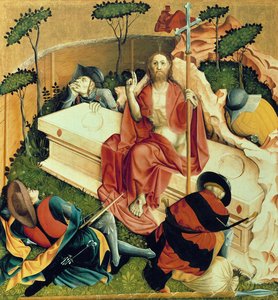
ハンス・ムルトシャー
1400 - 1467 , ドイツ
アーティスト情報
- Artistic Movement Or Style: 後期ゴシック/ルネサンス
- Artists Who Influenced This Artist:
- 北フランス様式
- ネーデルラント様式
- Date Of Birth: 1400年頃
- Date Of Death: 1467年
- Full Name: ハンス・ムルトシャー
- Nationality: ドイツ
- Notable Artworks:
- 聖マグダラのマリア
- 悲しみの人
- 皇帝たちのグループ
- ヴルツァハ祭壇
- Place Of Birth: ドイツ、ライヒェンバッハ
関連記事

The Enduring Legacy of Fine Art Prints: Technique, History & Aesthetic Impact
Explore the rich history & techniques of fine art prints. Discover investment potential, assess authenticity, and learn how to preserve your collection with expert guidance. Trusted insights for discerning collectors.

Echoes of Time: Exploring the Enduring Appeal & Historical Context of Vintage Art Prints
Explore the captivating world of vintage art prints! Discover their history, collecting tips & enduring appeal. Expert insights on chromolithography and building a legacy collection with OriginalUniqueArt.
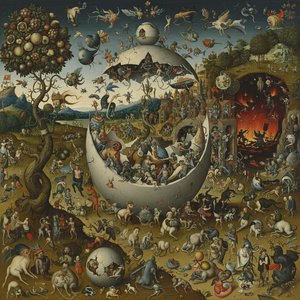
ヒエロニムス・ボッシュ傑作25選:幻想と寓意の世界 | OriginalUniqueArt
ヒエロニムス・ボッシュの傑作25選。中世絵画の幻想的な世界を巡り、寓意と象徴に満ちた作品群を紐解きます。OriginalUniqueArtで高品質な油絵複製やアートプリントをお楽しみください。ボッシュの色彩とテーマをあなたの空間に。今すぐコレクションをご覧ください。

Giclée Prints: Archival Quality & Aesthetic Nuances for the Discerning Collector
Explore the world of giclée prints with OriginalUniqueArt. Learn about archival quality, aesthetic nuances & investment potential. Expert guidance for discerning art collectors seeking museum-quality reproductions and lasting value.
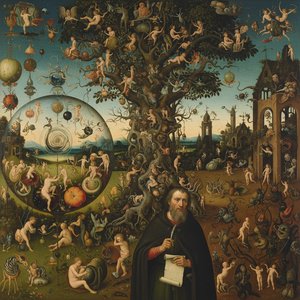
Hieronymus Bosch: Decoding the Visions of a Netherlandish Master
Explore the captivating world of Hieronymus Bosch! Delve into the symbolism, religious context, and artistic innovation of this Netherlandish master with OriginalUniqueArt's expert analysis. Discover his iconic paintings & lasting influence.