

 設置イメージを確認
 送る
送る シェア
シェア
 詳細情報
詳細情報 ガイドを表示

 画像をダウンロード
 似ている作品
 X線調査
X線調査 スライドショー
 統計情報
統計情報The Trinity and Mystic Pietà
 Oil On Panel
- WallArt
- Northern Renaissance
 1512
1512- Renaissance
 112.0 x 89.0 cm
 ナショナル・ギャラリー
 続きを読む
続きを読む
ジークレー/アートプリント
スピーディーな制作と多彩な仕上げオプションが魅力の、ミュージアムクオリティなジークレー・キャンバスプリント。 ( 手描きの複製画を注文する デジタル画像販売へ切り替え)




P118B $10

P118H $10

P118W $10

P438Z $10

P508JH $12

P508YH $12

P805H $10

P805Z $10

P919BZ $10

P919G $10

P919XJ $10

P959ZH $10

P968JZ $12

W106C $8

W218G $10

W218JH $8

W218Y $10

W307PJ $10

W316G $10

W316PJ $8

W316Y $10

W398PJ $8

W4111J $10

W500HY $15

W500JH $15

W692G $12

W849H $8

W940BG $15

W953PJ $8




作品のオリジナル比率に合わせた、当店の規定サイズからお選びください。

特定のフレームやスペースに合わせて、ご自身でサイズを指定することも可能です。選択されたサイズが元の画像の比率と一致しない場合、作品をトリミングするか、鏡面反射または単色での塗りつぶしによって画像を拡張いたします。制作を開始する前に、ご確認用のデジタルモックアップをお送りいたします。
画面上のプレビューには、実際のトリミングや拡張は反映されませんのでご注意ください。最終的な構図を正確に確認できるのは、モックアップのみとなります。
カスタムサイズも承っておりますが、元の比率を維持するためには、あらかじめ用意されたリストからサイズを選択することをお勧めいたします。


 ガラスオプションは、110cm未満のサイズでのみご利用いただけます。

The Trinity and Mystic Pietà
ジークレー/アートプリント
複製画サイズ一覧
-


合計金額
$ 80
A Divine Encounter: The Soul of Hans Baldung’s Masterpiece
In the quiet, contemplative corners of art history, few works command the room with as much spiritual gravity as Hans Baldung Grien’s “The Trinity and Mystic Pietà.” Completed in 1512, this monumental oil-on-oak painting serves as a profound window into the High Renaissance in Bavaria, capturing a moment where the earthly and the divine collide. At its heart, the composition is a masterclass in sacred geometry, utilizing a triangular arrangement to guide the viewer’s eye toward the wounded figure of Christ. As the light breaks through ethereal clouds, we witness God the Father supporting His son, while the Holy Spirit descends in the form of a delicate dove. This is not merely a religious icon; it is an emotional journey that invites the observer into a state of deep, meditative devotion.
The painting’s power lies in its ability to balance the monumental with the intimate. While the central figures represent the cosmic scale of the Christian Trinity, Baldung surrounds them with the raw, human reality of grief. The weeping presence of the Virgin Mary and Saint John the Evangelist provides a poignant emotional anchor, their sorrow mirroring the viewer's own capacity for empathy. For the discerning collector or interior designer, this piece offers more than just visual splendor; it brings a sense of historical weight and narrative depth to any space, acting as a focal point that encourages stillness and reflection.
The Mastery of Mannerist Technique and Light
To gaze upon this work is to witness the technical brilliance of a painter who was not afraid to embrace the unsettling. Baldung Grien, a gifted student of Albrecht Dürer, moved beyond the idealized perfection of his contemporaries to explore the expressive potential of Mannerism. He employs a sophisticated glazing technique, layering translucent pigments over opaque underlayers to create a luminous, almost supernatural glow that seems to emanate from within the figures themselves. This luminosity is heightened by his masterful use of chiaroscuro—the dramatic interplay between deep, velvety shadows and piercing highlights.
Every brushstroke serves a purpose in building the painting's psychological tension. The artist meticulously renders the intricate folds of drapery and the subtle, agonizing expressions on the faces of the mourners, ensuring that the texture of the paint contributes to the overall sense of solemnity. For those seeking a high-quality reproduction, these fine details—the way light catches a tear or the soft sheen of a saint's robe—are what make a hand-painted version so captivating. It is this meticulous attention to detail that allows the artwork to transcend its era, offering a timeless aesthetic that complements both classical and contemporary sophisticated interiors.
A Legacy of Symbolism and Spiritual Depth
Beyond its visual allure, “The Trinity and Mystic Pietà” is an intricate tapestry of theological symbolism. The inclusion of God the Father physically supporting the dead Christ is a rare and striking iconographic choice, evoking the "Mystic Pietà" theme that resonates with themes of sacrifice and eternal love. This arrangement serves as a powerful metaphor for the continuity of life and the strength found in divine providence. The presence of smaller, kneeling figures at the base of the composition suggests a bridge between the celestial realm and the human congregation, making the painting feel accessible and deeply personal.
For the art lover, this work represents the pinnacle of German Renaissance innovation. It captures a period of intense intellectual fervor, where humanist ideals began to intertwine with traditional piety. Owning or displaying a reproduction of such a significant piece is an opportunity to celebrate this historical intersection. Whether placed in a private study, a grand gallery, or a curated living space, Baldung’s masterpiece continues to provoke thought, inspire awe, and serve as a testament to the enduring power of sacred art.
アーティストについて
シュヴァーベンに潜む謎:ハンス・バルドゥング・グリーンの生涯と初期の形成力
バイエルンのなだらかな丘陵地帯に抱かれた自由帝国都市シュヴェービッシュ・グミュントに、1485年頃、一人の芸術家が誕生しました。ハンス・バルドゥング――常に緑色の衣服を好んだことから「ハンス・バルドゥング・グリーン」の名で親しまれた彼は、意外なほど学究的な家系に生まれました。代々続く家業を継ぐ多くのルネサンス期の芸術家とは異なり、バルドゥングは数世代の中で、大学での学問を志さない最初の男性でした。ストラスブール司教区に仕える尊敬を集める法学者であった父ヨハン・バルドゥングは、息子にも同様の道を歩ませることを望んでいました。しかし、若きハンスは筆とビュラン(彫刻刀)を選び、ドイツ・ルネサンスにおいて最も独特で謎めいた人物の一人となる芸術の旅へと踏み出したのです。この決断は、育ちへの拒絶ではなく、むしろ知的好奇心の新たな方向付けでした。その探求心こそが、彼の全作品に貫かれている特質なのです。1500年頃、彼はライン上流地方でストラスボンの画家のもとで修行を始め、さらなる巨匠を求めて研鑽を積むための技術的基礎を築きました。この初期の経験が、後にニュルンベルクで彼を待ち受けていた過酷な芸術的環境に耐えうる、素描力と構図力の礎となったのです。
デューラーの庇護の下で、独自の様式を鍛え上げる
バルドゥングの発展における決定的な瞬間は、1503年、ニュルンベルクでアルブレヒト・デューラーの工房に弟子入りした時に訪れました。この時期は彼にとって極めて重要な形成期となり、デューラーの様式を定義づける緻密な細部、知的な厳格さ、そして革新的な版画技法に触れる機会となりました。二人の間には深い信頼関係が築かれ、師であるデューラーがヴェネツィアへ滞在している間、バルドングは工房の管理を任されるほどでした。初期の作品に見られる正確な素描や北方のリアリズムには、デューラーから受けた深い影響が色濃く反映されています。しかし、バルドングはすぐに独自の芸術的アイデンティティを確立し始めました。彼はルネサンスの巨匠たちの教えを吸収しながらも、そこに表現豊かな色彩、想像力豊かな構図、そして次第に深まりゆく不安をかき立てるような心理的奥行きという、独自のドイツ的な感性を吹き込んだのです。古典的なアプローチをとったデューラーからのこの逸脱こそが、バルドゥングの成熟した様式の象徴となりました。また、デューラーの事務を監督したヴェネツィアでの経験は、勃興するイタリア・ルネサンスの芸術シーンに彼を触れさせ、その色彩感覚や構図の選択に繊細な影響を与えました。彼はイタリアから、同時代の画家たちとは一線を画す、高められた色彩感覚と空間配置への実験的な意欲を携えて帰還したのです。
多彩な媒体の達人:主題と技法
ハンス・バルドゥング・グリーンは、絵画、版画(特に木版画やエングレーヴィング)、素描、タペストリーのデザイン、さらにはステンドグラスに至るまで、驚くべき多才さを備えた芸術家でした。彼の絵画は、しばしば謎めいた寓意や神話の物語に満ちた小規模な作品で構成され、鮮やかなパレットと独特の空間的な曖昧さをもって描かれています。また、肖像画においても卓越した才能を発揮し、パトロンたちの容貌を写実性と心理的な洞察力の両面から捉えました。しかし、今日バルドングが最も広く知られているのは、おそらく彼の木版画においてでしょう。これらの版画は、劇的な構図、緻密な細部、そしてしばしば不気味な主題によって特徴づけられます。彼の作品全体に流れる繰り返されるテーマは、魔術、死、そして超自然的なものへの心酔であり、それは16な世紀のドイツに蔓延していた不安や信仰を反映したものでした。彼が描く魔女たちは特に衝撃的で、単なるステレオタイプな老婆としてではなく、恐怖と魅惑の両方を体現する複雑で、時に人を惹きつける存在として描かれています。例えば、魔法にかけられた花婿は、人間の経験の暗部に対する彼の執着を象徴する、身の毛もよだつほどに情緒的な作品です。木版画におけるバルドゥングの技法は熟練の極みにあり、明暗の強烈なコントラストと緻密な細部を駆使することで、視覚的に目を引き、かつ心理的に不安をかき立てるイメージを生み出したのです。
宗教改革の潮流と不朽の遺産
バルドゥングのキャリアは、プロテスタント宗教改革の台頭によって激しい宗教的・政治的動乱に見舞われた時代の中に展開されました。特定の派閥に公然と加担したわけではありませんが、彼の作品にはドイツの変容する精神的風景がしばしば反映されています。1531年に完成したミュンスター市のための壮大な祭壇画は、その象徴的な出来事であり、図像学や様式的な選択を通じて宗教改革運動への支持を示しています。1545年、バルドングはストラスブールでその生涯を閉じましたが、彼が残した作品群は、今日に至るまで見る者を魅了し、好奇心を刺激し続けています。彼の影は後のドイツ人芸術家たちの作品の中にも見ることができ、ルネサンスの技法、北方の表現主義、そして寓意的な複雑さが見事に融合したその独自のスタイルは、美術史における重要な地位を確固たるものにしています。彼は今なお、私たちに深い思索を促し、人間の本性の暗い側面や目に見えない世界の神秘と向き合うことを突きつける芸術家であり続けています。魔術や死生観といったテーマへの探求は、現代の観客の心にも響き続け、ルネサンスの巨匠たちのなかでも時代を超越した、抗いがたい魅力を持つ人物として君臨しています。
美術館とコレクション
バルドゥングの作品は、ヨーロッパおよび北米の主要な美術館に収蔵されています:
- ドレスデン絵画館(ドイツ): この名高い美術館には15世紀から18世紀にかけてのヨーロッパ絵画の重要なコレクションが収められており、バルドゥングの芸術的環境を理解するための貴重な文脈を提供しています。
- ナショナル・ギャラリー・オブ・アート(ワシントンD.C.): 同館はバルドゥングによる重要な木版画や素描を複数所蔵しており、彼の版画技法や制作プロセスを知る手がかりを与えてくれます。
- ゲッティ・センター(ロサンゼルス): バルドゥングの才能の幅広さを示す作品が展示されています。
- バーゼル美術館(スイス): 多様な時代にわたる豊かなコレクションを誇り、ヨーロッパにおけるルネサンス美術へのより広い理解をもたらしてくれます。
これらの機関は、ハンス・バルドゥング・グリーンの魅惑的な芸術性と、永続する遺産を直接体験するための貴重な機会を提供しています。

ハンス・バルドゥング
1485 - 1545 , ドイツ
アーティスト情報
- Artistic Movement Or Style: ルネサンス、マニエリスム
- Artists Or Movements Influenced By This Artist: 後世のドイツ人芸術家
- Artists Who Influenced This Artist: ['アルブレヒト・デューラー']
- Date Of Birth: 1485年頃
- Date Of Death: 1545年
- Full Name: ハンス・バルドゥング・グリーン
- Nationality: ドイツ
- Notable Artworks:
- 魔法にかけられた花婿
- 死と美の寓意
- Place Of Birth: ドイツ、シュヴェービッシュ・グミュント
関連記事
The Timeless Charm of Oil on Board: Reimagining Texture and Light through the Impressionist Lens
Discover the profound intimacy of oil on panel. Explore how Impressionist masters used rigid supports to capture light, texture, and impasto depth through exquisite, handmade oil reproductions for discerning collectors.
Oil on Panel: A Historical Survey of Technique, Support & Aesthetic Evolution
Explore the rich history of oil on panel painting! Discover Renaissance techniques, support structures & aesthetic evolution. Expert insights for art collectors and enthusiasts.
Hans Baldung Grien: A Renaissance Master of Allegory, Innovation & the Grotesque
Explore the captivating world of Hans Baldung Grien, a Renaissance master renowned for his allegorical paintings, striking woodcuts & unique depictions of mythology and the grotesque. Discover his life, works & legacy with OriginalUniqueArt.
Mastering the Surface: A Historical and Technical Guide to the Art of Oil on Panel Painting
Explore the profound history and technical brilliance of oil on panel painting. From Renaissance masters to modern techniques, discover why this rigid support offers unparalleled precision and permanence for fine art lovers and collectors.
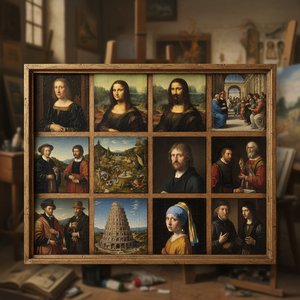
Oil on Panel Masters: 10 Paintings That Revolutionized Art |
Journey through 10 legendary 'Oil on Panel' masterpieces by Van Eyck, Bosch & Bruegel. Explore the stories behind these iconic Renaissance & Baroque paintings and find museum-quality art reproductions to elevate your home decor. Discover all masterpieces on !
