
 プレビュー
プレビュー
 プリントを購入
 シェアする
シェアする シェアする
シェアする
 詳細を見る
詳細を見る

 ダウンロード
 似ている作品
 X線調査
X線調査 スライドショー
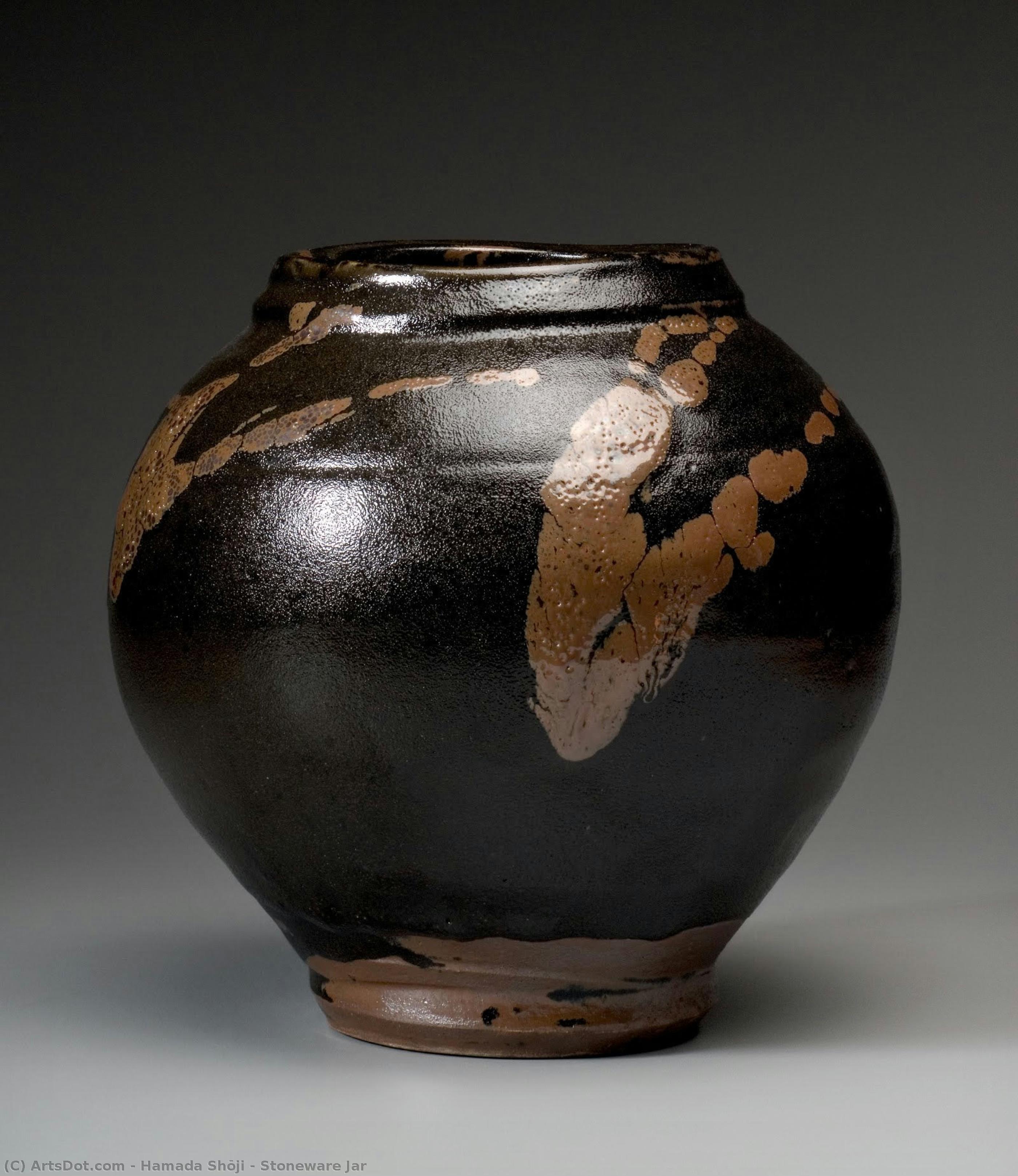
Stoneware Jar


 詳細を見る
詳細を見る
オンラインプレビューをはるかに凌ぐ、高解像度で鮮明なデジタル画像をご購入いただけます。
各ファイルは、社内の専門家が高度なツールと熟練した手作業によるレタッチを用いて、細心の注意を払って準備されています。すべての画像において、卓越した鮮明度、正確な色彩再現性、そして繊細なディテールを保証いたします。
最終ファイルは、プロフェッショナルな編集・印刷環境ですぐにご利用いただけるよう最適化された状態で、72時間以内にメールにてお届けいたします。これは、一流のデザインスタジオ、出版社、ギャラリーから信頼されているものと同等の品質です。
デジタル画像のご注文に付随する特典
高品質なデジタル画像配信を、確かな品質で。
OriginalUniqueArt.com を選ぶことは、単に画像を手に入れることではありません。それは、プロの手によって精密に仕上げられ、満足保証が付いた高品質なデジタルアートワークを受け取ることを意味します。ご注文いただいた際に自動的に付随する内容は、以下の通りです:

メールですぐにお届け
ご注文から72時間以内に、高解像度のデジタル画像ファイルがメールでお手元に届きます。すぐにそのままご利用いただけます。

AI技術で最適化されたデジタルファイル
お客様の作品は、高度なAIツールと専門家による手作業の編集を組み合わせてプロフェッショナルに最適化されており、細部のディテール、鮮明さ、そして正確な色再現性を最大限に引き出しています。

一生涯無料の再送サービス
ファイルを誤って削除したり、紛失してしまったりしましたか?ご安心ください。いつでも無料で再送いたします。

輸入手数料は一切かかりません
関税や手数料、配送料を気にすることなく、お気に入りのアートワークをすぐにお楽しみいただけます。デジタルダウンロードは常に免税です。

色彩再現の保証
プロ仕様のツールとカラーマネジメント技術を用いることで、デジタル画像が元の色を最大限に忠実に再現することを保証いたします。

60日間満足保証
ご購入いただいたデジタル画像にご満足いただけない場合は、60日以内であれば、修正または100%の返金(理由を問う必要はありません)をさせていただきます。

100% 返金保証
ご満足いただけない場合は、デジタルファイルを受け取ってから60日以内であれば、理由を問わず全額返金いたします。

まとめ買い割引
3枚購入で10%OFF - 5枚購入で15%OFF - 10枚以上購入で20%OFF。クリエイティブなプロジェクト、ギャラリー、エージェンシーに最適です。
作品の詳細
A Testament to Simplicity: Exploring Hamada Shōji’s Stoneware Jar
The stoneware jar crafted by Hamada Shōji stands as an emblem of *mingei*, the Japanese folk art movement, and embodies a profound connection to tradition while simultaneously pushing artistic boundaries. Created in 1964, this unassuming vessel transcends mere utilitarian function; it speaks volumes about Shōji’s unwavering commitment to honoring ancestral crafts and distilling beauty into its purest form. Examining its design, technique, and historical significance reveals layers of meaning that resonate deeply with anyone attuned to the spirit of Japanese aesthetics.Form Follows Function: The Essence of Mingei
Shōji Hamada's artistic philosophy centered around *mingei*, a movement born from a desire to recapture the soul of rural Japan before industrialization irrevocably altered its landscape. Rejecting ornate embellishments and prioritizing practicality, *mingei* artists sought inspiration in everyday objects—pots, bowls, textiles—created by anonymous artisans with generations of experience. Hamada’s stoneware jar exemplifies this ethos perfectly; it is deliberately devoid of superfluous decoration, focusing instead on achieving optimal balance between form and function. The bulbous ovoid shape, achieved through masterful throwing techniques, maximizes stability while minimizing material usage – a conscious decision reflecting the values inherent in *mingei*.Technique and Material: Mastering Rustic Elegance
The jar’s grey stoneware is fired to a high temperature, resulting in a dense, matte surface that showcases the natural texture of the clay itself. Shōji Hamada meticulously honed his craft over decades, mastering techniques passed down through generations of potters. The shoulder and mouth portions are separately throned and luted—a painstaking process requiring considerable skill—creating subtle variations in thickness and contour that contribute to the jar’s visual appeal. This deliberate attention to detail underscores Shōji's belief that true artistry lies not in ostentation but in mastering the inherent qualities of the chosen material.Historical Context: Leach Influence and Beyond
Hamada Shōji’s artistic journey was profoundly shaped by Bernard Leach, whose teachings on stoneware clay and meditative craftsmanship instilled in him a deep appreciation for Japanese traditions. Leach championed the revival of indigenous crafts, advocating for techniques rooted in simplicity and responsiveness to nature—principles that directly informed Hamada's creative process. While drawing inspiration from Leach’s methods, Shōji nevertheless forged his own distinctive style, characterized by an innovative approach to form and texture. He wasn’t merely replicating established traditions; he was reimagining them through a lens of personal vision.Symbolism and Emotional Resonance: A Quiet Reflection
More than just a container for food or drink, the stoneware jar embodies a deeper symbolic significance. Its understated elegance speaks to the Japanese concept of *wabi-sabi*, embracing imperfection and accepting the beauty inherent in natural decay. The jar’s rough surface texture reminds us that true beauty resides not in flawless perfection but in acknowledging the passage of time and celebrating the marks left by experience. Holding this piece evokes a feeling of calm contemplation—a connection to the earth, to tradition, and to the enduring power of simple forms to convey profound emotion. It's an invitation to appreciate the quiet grandeur found within unassuming objects crafted with unwavering dedication.作家の略歴
Hamada Shōji: A Pioneer of Mingei and the Soul of Mashiko
Born in Kawasaki, Japan, in 1894, Hamada Shōji’s life was a testament to his unwavering dedication to traditional Japanese crafts. Initially studying at Tokyo Institute of Technology under the guidance of Itaya Hazan, he quickly distinguished himself as a visionary artist deeply influenced by the burgeoning *mingei* (folk art) movement. This fascination with the beauty and functionality of everyday objects created by anonymous artisans would shape not only his artistic practice but also the very landscape of Japanese pottery.
Hamada’s early career was marked by a profound respect for the past, yet he possessed an innate desire to innovate. He spent formative years in Okinawa, immersing himself in the techniques and aesthetics of local ceramic traditions – particularly those employed in creating distinctive tableware. This experience, coupled with his time studying under Bernard Leach in England, provided him with a unique synthesis of Eastern and Western artistic sensibilities. Leach’s emphasis on simplicity, functionality, and direct engagement with materials resonated deeply with Hamada's own values, ultimately leading to the establishment of the Leach Pottery in St Ives alongside his mentor.
The Founding of Mashiko: A Center for Mingei
Returning to Japan in 1924, Hamada made a pivotal decision that would cement his legacy – he chose to establish his workshop and studio in Mashiko, a small, unassuming town nestled in Tochigi Prefecture. At the time, Mashiko was largely unknown as a pottery center, its landscape dotted with abandoned kiln sites. Recognizing the potential of this forgotten region, Hamada embarked on a mission to revive its ceramic heritage, transforming it into a world-renowned hub for *mingei* production.
He meticulously sourced his materials locally – clay from the surrounding hills, glazes derived from natural minerals, and even crafting his own brushes. This commitment to regional authenticity became a defining characteristic of his work and a cornerstone of the Mashiko pottery tradition. Hamada’s influence extended beyond simply producing beautiful ceramics; he actively encouraged local potters, fostering a sense of community and preserving traditional techniques for future generations. In 1955, this dedication was formally recognized when he was designated a “Living National Treasure,” a rare honor bestowed upon individuals who embody the spirit of Japanese craftsmanship.
A Style Defined by Simplicity and Function
Hamada Shōji’s artistic style is instantly recognizable for its profound simplicity and inherent functionality. He eschewed elaborate decoration, preferring instead to focus on the intrinsic beauty of the materials themselves – the texture of the clay, the subtle variations in glaze color, and the tactile quality of each piece. His forms are often understated yet elegant, reflecting a deep understanding of human needs and a respect for the utilitarian purpose of his creations.
His innovative techniques blended traditional Japanese methods with modern approaches. He experimented extensively with glazes, developing unique copper-green, iron, and white combinations that created stunning visual effects. Hamada’s work is characterized by a remarkable sense of balance – between restraint and expression, tradition and innovation. Notable examples include the stoneware jar, now housed in the Nelson-Atkins Museum of Art in Kansas City, and the square dish also found within their collection, both showcasing his exceptional skill and attention to detail.
Legacy and Influence
Hamada Shōji’s impact on Japanese ceramics extends far beyond his own prolific output. He was a key figure in popularizing the *mingei* movement, inspiring countless artists and shaping the course of contemporary studio pottery. His dedication to preserving traditional techniques and promoting regional crafts served as a model for future generations of artisans.
His influence can be seen in the work of other prominent potters, such as Bernard Leach, with whom he maintained a close working relationship, and Kawai Kanjiro, another key figure in the *mingei* movement. Hamada’s legacy continues to resonate today, reminding us of the enduring value of craftsmanship, simplicity, and connection to one's cultural heritage. His work remains a testament to his artistic vision and his profound contribution to the world of ceramics.

hamada shōji
1894 - 1978 , Japan
プロフィール概要
- Artistic Movement Or Style: Mingei pottery, Studio pottery
- Artists Or Movements Influenced By This Artist: ['Bernard Leach']
- Artists Who Influenced This Artist: ['Kawai Kanjirō']
- Date Of Birth: December 9, 1894
- Date Of Death: January 5, 1978
- Full Name: Hamada Shōji
- Nationality: Japanese
- Notable Artworks:
- Stoneware jar
- Square dish
- Place Of Birth: Kawasaki, Japan

