- ホーム

- 油絵の複製画
- hamada shōji
- Square tray with

 Preview
 プリントを購入
 シェアする
シェアする シェアする
シェアする
 詳細を見る
詳細を見る

 ダウンロード
 似ている作品
 X線調査
X線調査 スライドショー
Square tray with


 詳細を見る
詳細を見る




































作品のオリジナル比率に合わせた、当店の規定サイズからお選びください。

特定のフレームやスペースに合わせて、ご希望のサイズをご入力いただけます。選択されたサイズが元の画像の比率と異なる場合、アートワークをトリミングするか、手描きで要素を追加して絵画を拡張いたします。デジタルモックアップ を制作し、制作開始前にご確認(承認)をいただきます。
画面上のプレビューは、実際のトリミングや拡張を正確に反映しているものではありません。最終的な構図は、モックアップによってのみ正確にご確認いただけます。
カスタムサイズもご利用いただけますが、元の比率を維持するためには、あらかじめ用意されたリストからサイズを選択することをお勧めいたします。
ご注文後、OriginalUniqueArt.com チームより詳細な指示をお送りするとともに、仕上がりイメージ(モックアップ)をご提供いたします。


 ガラスオプションは、110cm未満のサイズでのみご利用いただけます。

Square tray with
複製技法
複製画のサイズ
-


合計金額
-
作品解説
The Soul of Simplicity: A Masterpiece of Mingei Tradition
In the quiet intersection of utility and artistry lies this exquisite Square Tray, a profound testament to the vision of Hamada Shōji. Created in 1960, this ceramic piece is far more than a mere vessel; it is an embodiment of the mingei philosophy—the Japanese movement dedicated to finding sublime beauty in the functional objects crafted by anonymous artisans for everyday use. The tray’s form, characterized by straight, upright sides and uniquely angled cuboid feet, draws direct inspiration from the historic Tamba Ware square dishes. This connection to the past allows the piece to act as a bridge between the ancient traditions of Japanese pottery and the mid-century modern aesthetic, making it an essential acquisition for those who appreciate art that breathes with history.
The tactile allure of the tray is immediate, inviting the viewer to contemplate the earthy, grounded nature of its medium. Rendered in deep, warm tones of clay-brown, the surface serves as a canvas for subtle, rhythmic decorations. Two soft yellow motifs dance across the center and periphery, providing a gentle contrast that illuminates the matte texture of the stoneware. These delicate applications of color are not merely decorative; they represent the spontaneous, unpretentious spirit of the Mashiko pottery tradition, where the hand of the maker is felt in every stroke. For the interior designer, this piece offers a sophisticated focal point that brings an organic, wabi-sabi elegance to any contemporary setting.
To possess a reproduction of such a significant work is to invite the meditative calm of the mingei movement into one's personal space. Hamada Shōji’s legacy is defined by this very balance: the ability to elevate the mundane into the monumental through honest technique and a deep respect for natural materials. This square tray, with its sturdy geometry and soulful ornamentation, resonates with an emotional depth that transcends time. It serves as a reminder that true luxury is found not in opulence, but in the quiet, enduring strength of well-crafted objects that honor both the earth from which they came and the hands that shaped them.
アーティストの略歴
Hamada Shōji: A Pioneer of Mingei and the Soul of Mashiko
Born in Kawasaki, Japan, in 1894, Hamada Shōji’s life was a testament to his unwavering dedication to traditional Japanese crafts. Initially studying at Tokyo Institute of Technology under the guidance of Itaya Hazan, he quickly distinguished himself as a visionary artist deeply influenced by the burgeoning *mingei* (folk art) movement. This fascination with the beauty and functionality of everyday objects created by anonymous artisans would shape not only his artistic practice but also the very landscape of Japanese pottery.
Hamada’s early career was marked by a profound respect for the past, yet he possessed an innate desire to innovate. He spent formative years in Okinawa, immersing himself in the techniques and aesthetics of local ceramic traditions – particularly those employed in creating distinctive tableware. This experience, coupled with his time studying under Bernard Leach in England, provided him with a unique synthesis of Eastern and Western artistic sensibilities. Leach’s emphasis on simplicity, functionality, and direct engagement with materials resonated deeply with Hamada's own values, ultimately leading to the establishment of the Leach Pottery in St Ives alongside his mentor.
The Founding of Mashiko: A Center for Mingei
Returning to Japan in 1924, Hamada made a pivotal decision that would cement his legacy – he chose to establish his workshop and studio in Mashiko, a small, unassuming town nestled in Tochigi Prefecture. At the time, Mashiko was largely unknown as a pottery center, its landscape dotted with abandoned kiln sites. Recognizing the potential of this forgotten region, Hamada embarked on a mission to revive its ceramic heritage, transforming it into a world-renowned hub for *mingei* production.
He meticulously sourced his materials locally – clay from the surrounding hills, glazes derived from natural minerals, and even crafting his own brushes. This commitment to regional authenticity became a defining characteristic of his work and a cornerstone of the Mashiko pottery tradition. Hamada’s influence extended beyond simply producing beautiful ceramics; he actively encouraged local potters, fostering a sense of community and preserving traditional techniques for future generations. In 1955, this dedication was formally recognized when he was designated a “Living National Treasure,” a rare honor bestowed upon individuals who embody the spirit of Japanese craftsmanship.
A Style Defined by Simplicity and Function
Hamada Shōji’s artistic style is instantly recognizable for its profound simplicity and inherent functionality. He eschewed elaborate decoration, preferring instead to focus on the intrinsic beauty of the materials themselves – the texture of the clay, the subtle variations in glaze color, and the tactile quality of each piece. His forms are often understated yet elegant, reflecting a deep understanding of human needs and a respect for the utilitarian purpose of his creations.
His innovative techniques blended traditional Japanese methods with modern approaches. He experimented extensively with glazes, developing unique copper-green, iron, and white combinations that created stunning visual effects. Hamada’s work is characterized by a remarkable sense of balance – between restraint and expression, tradition and innovation. Notable examples include the stoneware jar, now housed in the Nelson-Atkins Museum of Art in Kansas City, and the square dish also found within their collection, both showcasing his exceptional skill and attention to detail.
Legacy and Influence
Hamada Shōji’s impact on Japanese ceramics extends far beyond his own prolific output. He was a key figure in popularizing the *mingei* movement, inspiring countless artists and shaping the course of contemporary studio pottery. His dedication to preserving traditional techniques and promoting regional crafts served as a model for future generations of artisans.
His influence can be seen in the work of other prominent potters, such as Bernard Leach, with whom he maintained a close working relationship, and Kawai Kanjiro, another key figure in the *mingei* movement. Hamada’s legacy continues to resonate today, reminding us of the enduring value of craftsmanship, simplicity, and connection to one's cultural heritage. His work remains a testament to his artistic vision and his profound contribution to the world of ceramics.

hamada shōji
1894 - 1978 , Japan
基本情報
- Artistic Movement Or Style: Mingei pottery, Studio pottery
- Artists Or Movements Influenced By This Artist: ['Bernard Leach']
- Artists Who Influenced This Artist: ['Kawai Kanjirō']
- Date Of Birth: December 9, 1894
- Date Of Death: January 5, 1978
- Full Name: Hamada Shōji
- Nationality: Japanese
- Notable Artworks:
- Stoneware jar
- Square dish
- Place Of Birth: Kawasaki, Japan
関連記事

Massimo Vignelli: A Legacy of Modernist Clarity in Graphic Design & Visual Communication
Explore the enduring impact of Massimo Vignelli's modernist design philosophy. Discover his iconic works, key principles, and lasting legacy in graphic design & corporate identity. Learn from a true master.

Golden Hues: 10 Masterpieces Dominated by Chrome Yellow | OriginalUniqueArt
Immerse yourself in golden light! Explore 10 famous paintings dominated by 'Chrome Yellow', from Van Gogh’s Sunflowers to Monet's Haystacks. Discover the stories behind these iconic Impressionist & Post-Impressionist masterpieces and find museum-quality art reproductions at OriginalUniqueArt.com.

Cultivating Serenity: An Exploration of Art's Role in Biophilic Design for Spa and Wellness Environments
Discover how biophilic design transforms spa & wellness spaces into havens of tranquility. Expert insights on natural materials, art, light & ROI for enhanced guest well-being. Learn more!

The Gastronomic Stage: Interior Design as Narrative Framework in the Contemporary Restaurant Experience
Transform your restaurant into an unforgettable experience! Explore expert insights on interior design, art integration & creating immersive dining environments. Elevate your brand and captivate guests.
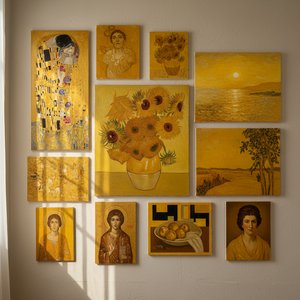
Golden Hues: Top 10 Paintings Dominated by Yellow Ochre |
Explore 10 iconic paintings bathed in golden yellow ochre! From Van Gogh's sunflowers to Monet’s haystacks, discover the stories behind these masterpieces. Find museum-quality art reproductions & elevate your home decor on .

