- ホーム

- キャンバスプリント用
- hamada shōji
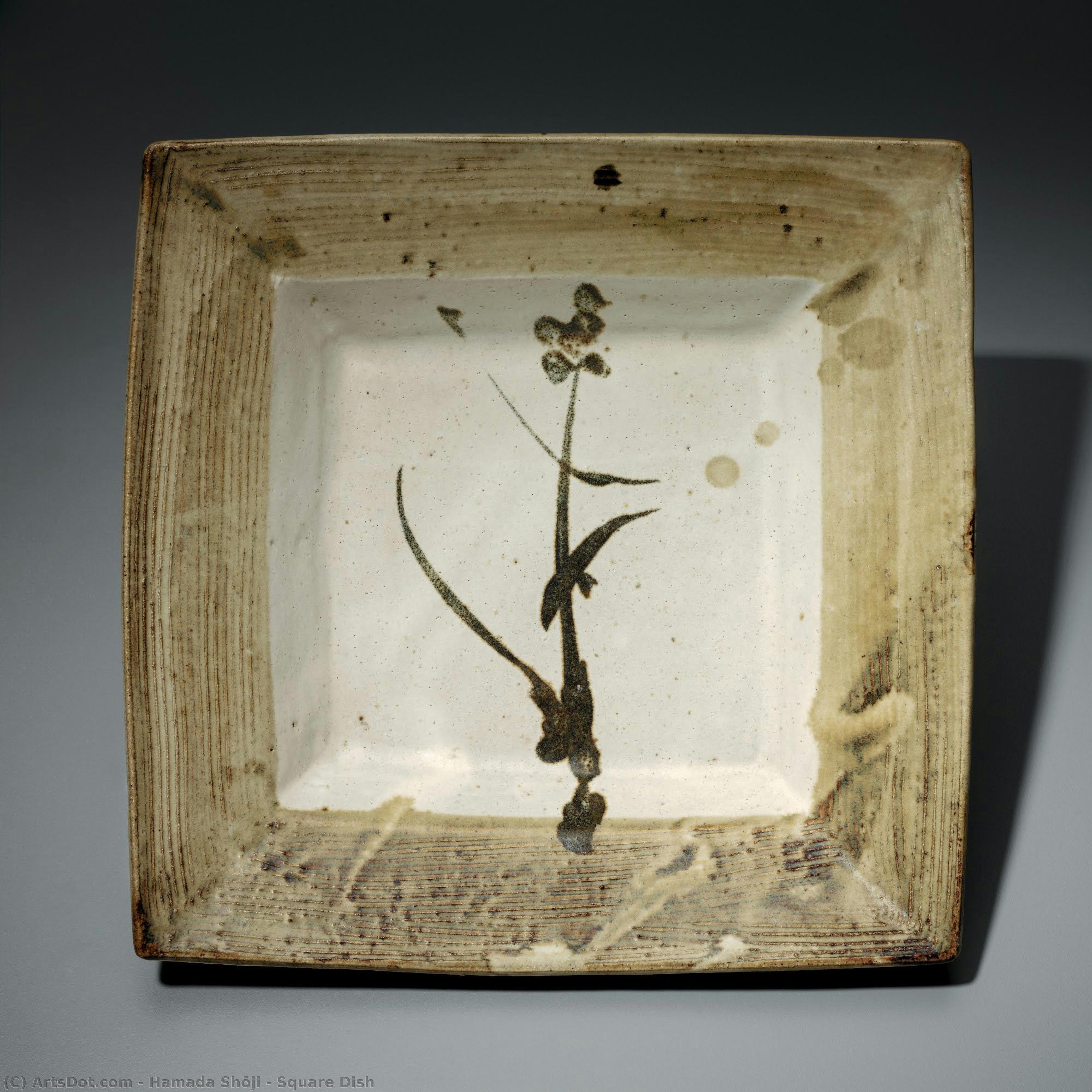
- Square Dish
 手描き複製画を注文する
 シェアする
シェアする シェアする
シェアする
 詳細を見る
詳細を見る

 ダウンロード
 似ている作品
 X線調査
X線調査 スライドショー
Square Dish


 詳細を見る
詳細を見る




P118B $10

P118H $10

P118W $10

P438Z $10

P508JH $12

P508YH $12

P805H $10

P805Z $10

P919BZ $10

P919G $10

P919XJ $10

P959ZH $10

P968JZ $12

W106C $8

W218G $10

W218JH $8

W218Y $10

W307PJ $10

W316G $10

W316PJ $8

W316Y $10

W398PJ $8

W4111J $10

W500HY $15

W500JH $15

W692G $12

W849H $8

W940BG $15

W953PJ $8




作品のオリジナル比率に合わせた、当店の規定サイズからお選びください。

特定のフレームやスペースに合わせて、ご自身でサイズを指定することも可能です。選択されたサイズが元の画像の比率と一致しない場合、作品をトリミングするか、鏡面反射または単色での塗りつぶしによって画像を拡張いたします。制作を開始する前に、ご確認用のデジタルモックアップをお送りいたします。
画面上のプレビューには、実際のトリミングや拡張は反映されませんのでご注意ください。最終的な構図を正確に確認できるのは、モックアップのみとなります。
カスタムサイズも承っておりますが、元の比率を維持するためには、あらかじめ用意されたリストからサイズを選択することをお勧めいたします。


 ガラスオプションは、110cm未満のサイズでのみご利用いただけます。

Square Dish
ジークレー/アートプリント
複製画のサイズ
-


合計金額
-
作品詳細説明
A Fractured Bloom: Hamada Shōji’s ‘Square Dish’ – A Testament to Impermanence
Hamada Shōji’s “Square Dish,” created in 1964, is more than just a ceramic object; it's a poignant meditation on beauty, decay, and the inherent acceptance of change. This unassuming piece, executed with a masterful blend of rustic technique and profound symbolism, embodies the core tenets of the Mingei movement – celebrating the artistry found within everyday objects crafted by anonymous artisans. The dish itself is deceptively simple: a square form, heavily potted in a buff grey clay, molded to a gentle curve and capped with a substantial, everted lip. Yet, it’s the details—the deliberate imperfections, the textured surface—that truly captivate the viewer.
The interior of the lips is adorned with a striking black ink floral design, reminiscent of stylized irises or similar blooms. These delicate blossoms are not rendered with smooth precision but rather with a deliberately uneven application, mirroring the cracks and fissures that run throughout the entire piece. These visible imperfections aren’t flaws; they're integral to the artwork’s narrative. They speak to the passage of time, the vulnerability of materials, and the acceptance of inevitable decay – a central theme in Hamada’s artistic philosophy.
The Soul of Mashiko: Technique and Tradition
Hamada Shōji’s connection to the village of Mashiko was profound. He spent decades there, deeply immersed in the traditions of *bunka-yaki* (cultural pottery), learning from generations of local artisans. “Square Dish” exemplifies this dedication to traditional techniques. The clay is heavily textured through a process of deliberate manipulation – likely involving the use of tools and rough surfaces – creating a tactile surface that invites touch. The glaze, applied with a thick, uneven hand, contributes significantly to the piece’s aged appearance. Notice how it pools in certain areas, creating glossy patches juxtaposed against the matte body, further emphasizing the contrast between smoothness and roughness.
Hamada's approach wasn’t about replicating established forms; rather, he sought to capture the *spirit* of the craft – a spirit rooted in functionality, honesty, and an intimate understanding of materials. The deliberate asymmetry and visible hand-building process are hallmarks of his style, rejecting the sterile perfection often associated with studio pottery.
A Symbol of Impermanence: Context and Meaning
Created during a period of significant social and cultural change in Japan, “Square Dish” resonates with a deeper meaning. The Mingei movement emerged as a reaction against Western-influenced modernism, advocating for the preservation and celebration of traditional folk art. Hamada Shōji saw beauty not just in form but also in function and the stories embedded within objects. The visible cracks and fissures within the dish are particularly evocative, symbolizing the transient nature of life itself – a concept deeply rooted in Buddhist philosophy.
Furthermore, the choice of a square form—a geometric shape often associated with stability—contrasts sharply with the organic, fractured design. This deliberate tension highlights the inherent paradox of existence: the desire for permanence versus the inevitability of change. The piece invites contemplation on themes of loss, renewal, and the acceptance of imperfection.
A Timeless Reflection: Aesthetic Impact and Legacy
“Square Dish” is a powerfully evocative work that transcends its simple form. Its muted color palette, tactile surface, and poignant symbolism create an emotional resonance that lingers long after viewing. It’s not merely a decorative object; it's a miniature meditation on the beauty of imperfection and the acceptance of time’s relentless passage.
Today, reproductions of Hamada Shōji’s “Square Dish” continue to be sought after by collectors and interior designers alike. Its understated elegance and profound message make it a timeless addition to any collection – a reminder that true beauty often resides in the most unexpected places, and that embracing imperfection is an essential part of appreciating life's fleeting moments.
アーティストの略歴
Hamada Shōji: A Pioneer of Mingei and the Soul of Mashiko
Born in Kawasaki, Japan, in 1894, Hamada Shōji’s life was a testament to his unwavering dedication to traditional Japanese crafts. Initially studying at Tokyo Institute of Technology under the guidance of Itaya Hazan, he quickly distinguished himself as a visionary artist deeply influenced by the burgeoning *mingei* (folk art) movement. This fascination with the beauty and functionality of everyday objects created by anonymous artisans would shape not only his artistic practice but also the very landscape of Japanese pottery.
Hamada’s early career was marked by a profound respect for the past, yet he possessed an innate desire to innovate. He spent formative years in Okinawa, immersing himself in the techniques and aesthetics of local ceramic traditions – particularly those employed in creating distinctive tableware. This experience, coupled with his time studying under Bernard Leach in England, provided him with a unique synthesis of Eastern and Western artistic sensibilities. Leach’s emphasis on simplicity, functionality, and direct engagement with materials resonated deeply with Hamada's own values, ultimately leading to the establishment of the Leach Pottery in St Ives alongside his mentor.
The Founding of Mashiko: A Center for Mingei
Returning to Japan in 1924, Hamada made a pivotal decision that would cement his legacy – he chose to establish his workshop and studio in Mashiko, a small, unassuming town nestled in Tochigi Prefecture. At the time, Mashiko was largely unknown as a pottery center, its landscape dotted with abandoned kiln sites. Recognizing the potential of this forgotten region, Hamada embarked on a mission to revive its ceramic heritage, transforming it into a world-renowned hub for *mingei* production.
He meticulously sourced his materials locally – clay from the surrounding hills, glazes derived from natural minerals, and even crafting his own brushes. This commitment to regional authenticity became a defining characteristic of his work and a cornerstone of the Mashiko pottery tradition. Hamada’s influence extended beyond simply producing beautiful ceramics; he actively encouraged local potters, fostering a sense of community and preserving traditional techniques for future generations. In 1955, this dedication was formally recognized when he was designated a “Living National Treasure,” a rare honor bestowed upon individuals who embody the spirit of Japanese craftsmanship.
A Style Defined by Simplicity and Function
Hamada Shōji’s artistic style is instantly recognizable for its profound simplicity and inherent functionality. He eschewed elaborate decoration, preferring instead to focus on the intrinsic beauty of the materials themselves – the texture of the clay, the subtle variations in glaze color, and the tactile quality of each piece. His forms are often understated yet elegant, reflecting a deep understanding of human needs and a respect for the utilitarian purpose of his creations.
His innovative techniques blended traditional Japanese methods with modern approaches. He experimented extensively with glazes, developing unique copper-green, iron, and white combinations that created stunning visual effects. Hamada’s work is characterized by a remarkable sense of balance – between restraint and expression, tradition and innovation. Notable examples include the stoneware jar, now housed in the Nelson-Atkins Museum of Art in Kansas City, and the square dish also found within their collection, both showcasing his exceptional skill and attention to detail.
Legacy and Influence
Hamada Shōji’s impact on Japanese ceramics extends far beyond his own prolific output. He was a key figure in popularizing the *mingei* movement, inspiring countless artists and shaping the course of contemporary studio pottery. His dedication to preserving traditional techniques and promoting regional crafts served as a model for future generations of artisans.
His influence can be seen in the work of other prominent potters, such as Bernard Leach, with whom he maintained a close working relationship, and Kawai Kanjiro, another key figure in the *mingei* movement. Hamada’s legacy continues to resonate today, reminding us of the enduring value of craftsmanship, simplicity, and connection to one's cultural heritage. His work remains a testament to his artistic vision and his profound contribution to the world of ceramics.

hamada shōji
1894 - 1978 , Japan
基本情報
- Artistic Movement Or Style: Mingei pottery, Studio pottery
- Artists Or Movements Influenced By This Artist: ['Bernard Leach']
- Artists Who Influenced This Artist: ['Kawai Kanjirō']
- Date Of Birth: December 9, 1894
- Date Of Death: January 5, 1978
- Full Name: Hamada Shōji
- Nationality: Japanese
- Notable Artworks:
- Stoneware jar
- Square dish
- Place Of Birth: Kawasaki, Japan
関連記事
メトロポリタン美術館の至宝25選:名画とアートが語る歴史と美【OriginalUniqueArt】
メトロポリタン美術館の至宝25選。モネ、ゴッホ、レンブラント…名画に秘められた物語と技法を紐解きます。印象派からルネサンスまで、時代を超えて輝く芸術作品をウォールアートで暮らしに取り入れませんか?OriginalUniqueArt.comで全コレクションをご覧ください。

ジェームズ・マクニール・ホイストラー:至高の25選 - 美と調和を求めた芸術家の軌跡 | OriginalUniqueArt
ジェームズ・マクニール・ホイストラーの至高の25選。ノクターン、印象派、美しい色彩に満ちた作品群を紐解きます。OriginalUniqueArtで高品質なアートプリントとインテリアをお楽しみください。名画の世界へ – OriginalUniqueArt.com

デトロイト美術館の至宝25選:名画とアートが語る街の歴史 | OriginalUniqueArt
デトロイト美術館の至宝25選。ゴッホ、モネ、レンブラント…名画に秘められた物語と感動を紐解きます。印象派から写実主義まで、美術史を彩る傑作を鑑賞。OriginalUniqueArtで高品質な複製画やインテリアアートを見つけましょう。全コレクションはこちら: OriginalUniqueArt.com

葛飾北斎:25の傑作が語る浮世絵の世界 - OriginalUniqueArt
葛飾北斎の25選:『神奈川沖浪裏』や『富嶽三十六景』など、浮世絵の世界を深く探求。木版画の技法と日本美術の美をOriginalUniqueArtで。高品質なアートプリントで空間に感動を。コレクションはこちら。
ナショナル・ギャラリーの至宝25選:名画が語る芸術と歴史 | OriginalUniqueArt
ワシントン美術館の至宝25選。セザンヌ、マティス、ピカソ…名画に秘められた物語と色彩を紐解きます。OriginalUniqueArtで高品質な絵画複製やインテリアアートを見つけ、お部屋に芸術の輝きを。今すぐコレクションをご覧ください!

