

 設置イメージを確認
 送る
送る シェア
シェア
 詳細情報
詳細情報 ガイドを表示

 画像をダウンロード
 似ている作品
 X線調査
X線調査 スライドショー
 統計情報
統計情報Aleppo Room: The Last Supper


 続きを読む
続きを読む
手描き油彩複製画
当社のアーティストが、お客様のご希望のサイズと額縁に合わせて、キャンバスに手描きで制作する油彩画です。 ( プリント版に切り替え デジタル画像販売へ切り替え)




P118B $10

P118H $10

P118W $10

P438Z $10

P508JH $12

P508YH $12

P805H $10

P805Z $10

P919BZ $10

P919G $10

P919XJ $10

P959ZH $10

P968JZ $12

W106C $8

W218G $10

W218JH $8

W218Y $10

W307PJ $10

W316G $10

W316PJ $8

W316Y $10

W398PJ $8

W4111J $10

W500HY $15

W500JH $15

W692G $12

W849H $8

W940BG $15

W953PJ $8




作品のオリジナル比率に合わせた、当店の規定サイズからお選びください。

特定のフレームやスペースに合わせて、ご希望のサイズをご入力いただけます。選択されたサイズが元の画像の比率と異なる場合、アートワークをトリミングするか、手描きで要素を追加して絵画を拡張いたします。デジタルモックアップ を制作し、制作開始前にご確認(承認)をいただきます。
画面上のプレビューは、実際のトリミングや拡張を正確に反映しているものではありません。最終的な構図は、モックアップによってのみ正確にご確認いただけます。
カスタムサイズもご利用いただけますが、元の比率を維持するためには、あらかじめ用意されたリストからサイズを選択することをお勧めいたします。
ご注文後、OriginalUniqueArt.com チームより詳細な指示をお送りするとともに、仕上がりイメージ(モックアップ)をご提供いたします。


 ガラスオプションは、110cm未満のサイズでのみご利用いただけます。

Aleppo Room: The Last Supper
再現技法
複製画サイズ一覧
-


合計金額
$ 325
Aleppo Room: The Last Supper – A Window Into Syrian Domestic Culture
The Aleppo Room stands as one of the most remarkable treasures unearthed from the annals of Syrian art history—a testament to the confluence of Christian and Islamic artistic traditions in the early seventeenth century. More than just a decorative paneling, it offers an unparalleled glimpse into the daily life and spiritual beliefs of a prosperous Armenian merchant family residing within Aleppo’s historic Christian quarter. Its provenance – originating from Isa ibn Butrus's reception room – underscores its significance as a microcosm of Syrian culture during Ottoman rule.- Provenance: The Aleppo Room was acquired in Aleppo by Friedrich Sarre for the Museum of Islamic Art in 1912. Deeds confirm that it originally belonged to House Wakil in Aleppo, where it was photographed *in situ* prior to 1912.
- Artist: Halab Shah ibn Isa – A master craftsman whose workshop produced this exceptional piece, embodying the zenith of Ottoman artistic excellence.
- Date Created: Approximately 1603 - marking a pivotal moment in Syrian art production and reflecting the prevailing stylistic influences of the period.
A Byzantine Echoes Within Islamic Ornamentation
The Aleppo Room’s aesthetic is profoundly shaped by Byzantine illumination—a tradition renowned for its flattened figures, elongated proportions, and lavish ornamentation. This distinctive approach distinguishes itself from more realistic depictions prevalent in other European artistic circles of the time. The artist skillfully employs geometric patterns – concentric circles and stylized arabesques – to create a harmonious visual framework that enhances the grandeur of the central scene. These intricate designs serve not merely as decorative embellishments but also as conduits for conveying spiritual symbolism, reflecting the devout piety characteristic of Ottoman society.The Narrative Tapestry: Biblical Symbolism Meets Persian Tradition
Beyond its formal structure, the Aleppo Room’s imagery is replete with references to both Christian and Islamic narratives. Dominating the composition is a seated woman – likely representing Mary—centered within a circular frame, symbolizing divine grace and maternal compassion. Surrounding her are depictions of biblical figures such as Jesus and Saint George, alongside scenes from Persian book illustration, showcasing the cosmopolitan spirit of Aleppo’s artistic milieu. The inclusion of verses from the Psalms and quotations from Persian poetry underscores the harmonious coexistence of faiths and intellectual pursuits within this vibrant urban environment.Technique: Tesserae of Faith – Craftsmanship and Material Innovation
The paneling's breathtaking beauty stems from its meticulous construction—a testament to the skill of Halab Shah ibn Isa’s workshop. Crafted primarily from glass tesserae, painstakingly arranged within a mortar matrix, the artwork exemplifies Ottoman artistic innovation. The shimmering effect achieved through the layering of colored tiles is not merely decorative; it symbolizes divine radiance and elevates the paneling to an object of profound spiritual contemplation. Careful consideration was given to color palettes—deep blues, greens, reds, and golds—creating an opulent visual experience that reflects the wealth and prestige associated with Aleppo’s merchant elite.Emotional Resonance: A Legacy of Artistic Vision
The Aleppo Room transcends its material form, transporting viewers back to a moment in Syrian history where artistic expression served as a vehicle for conveying faith, piety, and cultural identity. Its enduring appeal lies in its ability to evoke feelings of reverence, contemplation, and admiration—a testament to the visionary artistry of Halab Shah ibn Isa and his contribution to the preservation of Syrian artistic heritage. It remains an unforgettable emblem of Ottoman splendor and a poignant reminder of Aleppo’s rich cultural past.関連記事
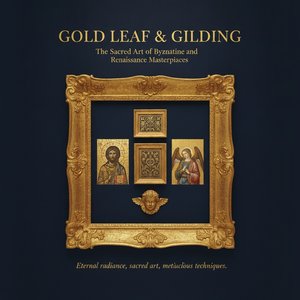
The Sacred Glow: Mastering Gold Leaf and Gilding in Byzantine Art
Explore the divine mastery of Byzantine gold leaf and gilding. Discover how ancient artisans used gold ground and mosaics to create celestial light, a timeless legacy of spiritual splendor and technical excellence in sacred art history.
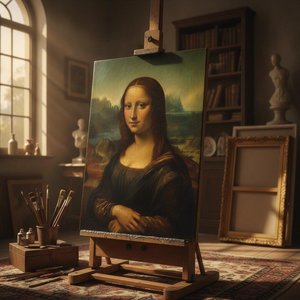
Mastering the Surface: A Historical and Technical Guide to the Art of Oil on Panel Painting
Explore the profound history and technical brilliance of oil on panel painting. From Renaissance masters to modern techniques, discover why this rigid support offers unparalleled precision and permanence for fine art lovers and collectors.
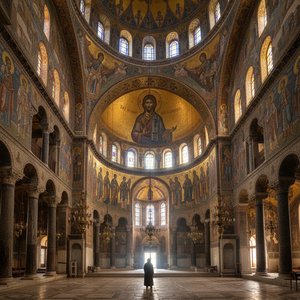
Illuminating Eternity: A Comprehensive Exploration of Byzantine Art's Legacy
Explore the rich history & stunning artistry of the Byzantine Empire! Discover iconic mosaics, profound symbolism, and lasting influence on Western art. A comprehensive guide for history lovers.

Byzantine Art: The Golden Era of Bold Icons, Divine Mosaics, and Imperial Grandeur
Step into the golden era of Byzantine art. Explore the breathtaking power of gold mosaics, sacred iconography, and imperial design that shaped history. Discover how this bold, divine aesthetic continues to inspire modern visual impact and luxury interiors.
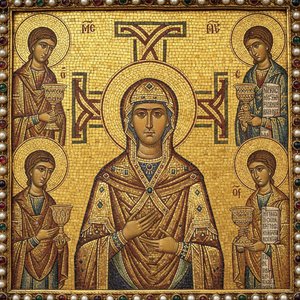
Golden Splendor: A Definitive Guide to the Timeless Majesty of Byzantine Art
Embark on a scholarly journey through the golden era of Byzantine art. Discover the profound symbolism, masterful mosaics, and imperial grandeur that defined an epoch of spiritual and aesthetic splendor in this expert-led guide for art enthusiasts.