
 設置イメージを表示
 シェアする
シェアする シェアする
シェアする
 詳細を見る
詳細を見る ガイドを表示

 ダウンロード
 似ている作品
 X線調査
X線調査 スライドショーを表示
 Q&A
Q&A 統計情報
統計情報Salome at the Prison


 詳細を表示
詳細を表示
ジークレー/アートプリント
スピーディーな制作と多彩な仕上げオプションが魅力の、ミュージアムクオリティなジークレー・キャンバスプリント。 ( 手描き複製画を注文する デジタル画像販売へ切り替え)




P118B ¥10

P118H ¥10

P118W ¥10

P438Z ¥10

P508JH ¥12

P508YH ¥12

P805H ¥10

P805Z ¥10

P919BZ ¥10

P919G ¥10

P919XJ ¥10

P959ZH ¥10

P968JZ ¥12

W106C ¥8

W218G ¥10

W218JH ¥8

W218Y ¥10

W307PJ ¥10

W316G ¥10

W316PJ ¥8

W316Y ¥10

W398PJ ¥8

W4111J ¥10

W500HY ¥15

W500JH ¥15

W692G ¥12

W849H ¥8

W940BG ¥15

W953PJ ¥8




作品のオリジナル比率に合わせた、当店の規定サイズからお選びください。

額縁や壁のスペースに合わせて、ご希望の幅と高さを入力してください。プリントはカットすることは可能ですが、元の画像より大きくすることはできないため、異なる比率のサイズを選択された場合は、画像の一部が欠けることになります。印刷を開始する前に、内容を確認していただくためのデジタルモックアップをお送りいたします。このページに表示されている画像は、実際のカット後の状態を示すものではありません。実際の仕上がりはモックアップにてご確認ください。


 ガラスオプションは、110cm未満のサイズでのみご利用いただけます。

Salome at the Prison
ジークレー/アートプリント
複製画サイズ一覧
-


合計金額
¥ 12795
A Descent into Myth and Memory: Exploring Gustave Moreau’s *Salome at the Prison*
Gustave Moreau's *Salome at the Prison*, a haunting tableau of sorrow, power, and veiled desire, is more than just a depiction of a biblical narrative; it’s a profound meditation on memory, loss, and the enduring weight of history. Painted in 1874, this oil-on-canvas work stands as a cornerstone of the Symbolist movement, revealing Moreau's unique ability to translate inner experience into meticulously rendered visual form. The painting immediately draws the viewer into a twilight realm—a space neither wholly light nor entirely dark—where the boundaries between reality and dream blur, mirroring the complex emotional landscape at its core.
Moreau’s approach diverges dramatically from the prevailing artistic trends of his era. He wasn't interested in simply recreating a scene; he sought to evoke an atmosphere, to suggest a story beyond what is immediately visible. This is achieved through a masterful manipulation of color and composition. The palette is dominated by deep blues, purples, and ochres—colors associated with melancholy, antiquity, and the passage of time. These hues are layered with shimmering gold leaf, adding a luxurious yet unsettling quality to the scene, hinting at both opulence and decay.
The Figure of Salome: A Portrait of Grief and Authority
At the heart of the composition stands Salome, rendered not as a seductive temptress but as a figure consumed by grief. She kneels before a formidable structure—a crumbling castle or perhaps a fortress—its weathered stones suggesting centuries of sorrow and confinement. Her posture is one of profound humility, yet her gaze holds an undeniable strength, a quiet assertion of authority born from enduring pain. The crown she wears isn’t a symbol of triumph but rather a heavy burden, a reminder of the power she wields – the power of memory and the weight of past actions.
Moreau's meticulous attention to detail is evident in every element of the painting. Salome’s hands are clasped tightly around the dagger—a potent symbol of both violence and self-sacrifice—while her garments, draped with an ethereal quality, seem to shimmer with a ghostly light. The surrounding figures – the shadowy men observing from afar, the partially visible figure at the bottom left – contribute to the painting's sense of mystery and intrigue, suggesting a narrative that extends beyond the immediate scene.
Symbolism and the Language of Dreams
As a key figure in Symbolist art, Moreau employed a rich tapestry of symbols to convey deeper meanings. The castle itself represents imprisonment—not just physical confinement but also the constraints of memory and the inescapable grip of the past. The stone wall behind Salome acts as a barrier, separating her from the outside world and emphasizing her isolation. The use of gold leaf, frequently associated with divinity and immortality, paradoxically underscores the painting’s themes of decay and mortality.
Moreau's work is deeply rooted in mythology and religious iconography, drawing inspiration from ancient texts and folklore. *Salome at the Prison* echoes elements of the biblical story of Salome and her dance before Herod, but Moreau transforms this narrative into a poignant exploration of human emotion—a meditation on grief, regret, and the enduring power of the subconscious. He wasn’t simply illustrating a story; he was excavating the emotional core beneath it.
Bringing *Salome at the Prison* to Life: A OriginalUniqueArt Reproduction
OriginalUniqueArt is proud to offer meticulously crafted hand-painted reproductions of Gustave Moreau's *Salome at the Prison*. Our artists, trained in traditional techniques and deeply familiar with Moreau’s distinctive style, painstakingly recreate every detail—from the subtle nuances of color to the intricate textures of the stone and fabric. We use only archival-quality materials to ensure that our reproductions will retain their beauty and vibrancy for generations to come.
- Authentic Detail: Each reproduction captures the richness and complexity of Moreau’s original painting, faithfully reproducing his masterful brushwork and evocative color palette.
- High-Quality Materials: We utilize only museum-grade canvas and archival inks to guarantee long-lasting beauty and preservation.
- Custom Sizes Available: We offer a wide range of sizes to suit your individual needs and décor, from intimate wall pieces to grand statement artworks.
- Hand-Painted Reproduction: Unlike digital prints, our reproductions are created by skilled artists, ensuring an unparalleled level of detail and authenticity.
Whether you’re a seasoned art collector, an interior designer seeking a touch of timeless elegance, or simply someone captivated by the beauty of Symbolist art, a OriginalUniqueArt reproduction of *Salome at the Prison* is a stunning addition to any space—a window into the depths of Moreau's artistic vision and a testament to the enduring power of human emotion.
Q&A
ゴスタヴ・モロー作「Salome at the Prison」の来場者の属性(統計データ)はどこで確認できますか?
ゴスタヴ・モロー作「Salome at the Prison」の閲覧統計ページでは、公開されている閲覧統計をご覧いただけます。この作品の月間閲覧数、アーティストのなかで最も閲覧されている作品との比較、そして訪問者の地域情報などが掲載されています。
「Salome at the Prison」の作者とスタイルは何ですか?
「Salome at the Prison」の背景には、ゴスタヴ・モローとSymbolist Movement運動があります。
「Salome at the Prison」の推奨プリントサイズはどのくらいですか?
ゴスタヴ・モロー作「Salome at the Prison」 の推奨プリントサイズは Medium です。
作家プロフィール
Gustave Moreau (1826 - 1898)
Gustave Moreau, a name synonymous with the ethereal beauty and enigmatic depths of Symbolist painting, emerged from 19th-century Paris as a singular artistic voice. Born in 1826 into a bourgeois family—his father an architect and archivist—Moreau’s early life was steeped in intellectual curiosity and aesthetic sensibility. From a young age, he displayed a remarkable gift for drawing, nurtured through traditional academic training at the École des Beaux-Arts under figures like François-Édouard Picot. However, Moreau's artistic path would diverge sharply from the prevailing Realist and Impressionist currents of his time. He wasn’t interested in capturing fleeting moments or objective reality; instead, he sought to unlock the hidden realms of myth, religion, and the human psyche through a deeply personal and symbolic visual language. His journey was one of inward exploration, translating subjective emotions and spiritual yearnings onto canvas with an obsessive attention to detail and a vibrant, often opulent palette.Early Influences and Artistic Training
Moreau’s artistic development wasn't born in a vacuum. While rejecting the dominant trends of his era, he drew inspiration from diverse sources. The dramatic use of color and exotic subject matter found in the works of Eugène Delacroix ignited a passion for narrative painting imbued with emotional intensity—a fascination that would define much of his oeuvre. He particularly admired Michelangelo’s monumental sculptures and Leonardo da Vinci’s masterful anatomical drawings, recognizing their profound impact on artistic technique and psychological insight. Moreau's formal training at the École des Beaux-Arts solidified these influences, equipping him with the skills necessary to execute ambitious projects and forge a distinctive visual style. However, he quickly distinguished himself from his peers by prioritizing imaginative exploration over mere replication of nature—a decision that would propel him toward the forefront of Symbolist painting.The Italian Journey: Rediscovering Antiquity
Between 1857 and 1859, Moreau embarked on a transformative voyage to Italy—a pilgrimage fueled by an ardent desire to reconnect with the artistic heritage of antiquity and the Renaissance. Guided by his mentor Frédéric de Courcy, he immersed himself in the art of Rome and Florence, meticulously copying Old Master paintings and studying architectural ruins. This experience profoundly shaped his artistic sensibilities, fostering a fascination for Byzantine iconography and inspiring him to synthesize classical and medieval traditions into a wholly original visual language. Moreau’s meticulous observation and unwavering dedication to craft—traits that would characterize his entire career—were honed during this formative period, preparing him for the monumental achievements that lay ahead.Salome Dancing Before Herod: A Symbolist Masterpiece
Moreau's artistic breakthrough arrived in 1864 with *Salome Dancing before Herod*, a painting that instantly established his reputation as a visionary artist and cemented his place among the pioneers of Symbolism. Departing radically from the conventions of academic art, Moreau presented a dramatic depiction of the biblical tale—not as a literal recounting of events, but as an exploration of psychological complexities and symbolic resonances. The composition is strikingly asymmetrical, mirroring the fractured psyche of Salome—a figure embodying sensual desire and moral ambiguity—and reflecting the unsettling interplay between light and shadow. Moreau’s masterful use of color—particularly crimson and gold—creates an atmosphere of opulent grandeur and underscores the painting's spiritual dimension. He employed a technique characterized by painstaking layering of paint, achieving remarkable textural detail and capturing the elusive beauty of the human form with unparalleled precision.Legacy and Influence: Shaping Modern Art
Though initially met with skepticism from some critics, Moreau’s work gained recognition in subsequent decades—particularly after the resurgence of interest in Symbolism during the 1960s and 70s. His influence extended far beyond the confines of his own time, inspiring artists across generations—including Henri Matisse and Georges Rouault—to embrace imaginative exploration and challenge conventional artistic norms. Moreau championed the notion that painting should strive to evoke emotion and convey spiritual truths—a conviction that resonated deeply with the existential anxieties of the 20th century. His unwavering commitment to craft—combined with his profound understanding of mythology and psychology—established him as a pivotal figure in the history of art—a testament to the enduring power of Symbolist painting and its capacity to illuminate the complexities of human experience. Gustave Moreau’s legacy continues to inspire artists today, reminding us that true artistic achievement lies not merely in technical virtuosity but in the ability to capture the essence of the soul and transform vision into tangible form.
ゴスタヴ・モロー
1826 - 1898 , フランス
プロフィール概要
- Artistic Movement Or Style: シンボリズム
- Artists Who Influenced This Artist:
- エウゲニオ・デルラクロワール
- ミケランジェロ
- レオナルド・ダ・ヴィンチ
- Date Of Birth: 1826年4月6日
- Date Of Death: 1898年4月18日
- Full Name: Gustave Moreau
- Nationality: フランス人
- Notable Artworks:
- ソロモンの踊り før ヘロドス
- ユピテルのセメレ
- オレアフス
- 出現
- デスメドナ
- Place Of Birth: パリ、フランス
関連記事

The Enduring Power of Painting: A Historical & Contemporary Exploration of Form and Emotion
Explore the rich history & enduring techniques of oil painting with OriginalUniqueArt. Discover masterpieces, learn about art collecting, and find authentic handmade reproductions crafted by skilled artists.
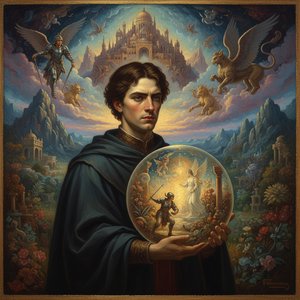
Gustave Moreau: Symbolism's Enigmatic Visionary & Precursors of Modern Fantasy Art
Explore the captivating world of Gustave Moreau, the leading Symbolist painter. Discover his iconic masterpieces, influences, and lasting legacy. Expert analysis for collectors & art enthusiasts.

グスタフ・クリムト傑作25選:華麗なる装飾性と象徴が織りなす世界 | OriginalUniqueArt
グスタフ・クリムトの傑作25選。華麗なる装飾性と象徴が織りなす世界を紐解きます。キス、ポートレートなど、美術史に残る名画の物語と技法をOriginalUniqueArtで。高品質複製画やインテリアアートも豊富に。今すぐコレクションをご覧ください。

The Enduring Legacy of Oil on Canvas: Technique, History & Aesthetic Impact
Explore the rich history & techniques of oil painting – from Renaissance masters to Impressionism. Discover pigments, layering methods, and why this timeless medium endures. Expert insights for artists & art enthusiasts.

Oil on Canvas: A Historical & Technical Exploration of a Timeless Artistic Medium
Explore the rich history & enduring techniques of oil painting on canvas. Discover the science behind its longevity, conservation practices, and contemporary relevance. Expert insights for art enthusiasts.


