

 設置イメージを確認
 送る
送る シェア
シェア
 詳細情報
詳細情報 ガイドを表示

 画像をダウンロード
 似ている作品
 X線調査
X線調査 スライドショー
 Q&A
Q&A 統計情報
統計情報ファエトン


 続きを読む
続きを読む
ジークレー/アートプリント
スピーディーな制作と多彩な仕上げオプションが魅力の、ミュージアムクオリティなジークレー・キャンバスプリント。 ( 手描きの複製画を注文する デジタル画像販売へ切り替え)




P118B ¥10

P118H ¥10

P118W ¥10

P438Z ¥10

P508JH ¥12

P508YH ¥12

P805H ¥10

P805Z ¥10

P919BZ ¥10

P919G ¥10

P919XJ ¥10

P959ZH ¥10

P968JZ ¥12

W106C ¥8

W218G ¥10

W218JH ¥8

W218Y ¥10

W307PJ ¥10

W316G ¥10

W316PJ ¥8

W316Y ¥10

W398PJ ¥8

W4111J ¥10

W500HY ¥15

W500JH ¥15

W692G ¥12

W849H ¥8

W940BG ¥15

W953PJ ¥8




作品のオリジナル比率に合わせた、当店の規定サイズからお選びください。

額縁や壁のスペースに合わせて、ご希望の幅と高さを入力してください。プリントはカットすることは可能ですが、元の画像より大きくすることはできないため、異なる比率のサイズを選択された場合は、画像の一部が欠けることになります。印刷を開始する前に、内容を確認していただくためのデジタルモックアップをお送りいたします。このページに表示されている画像は、実際のカット後の状態を示すものではありません。実際の仕上がりはモックアップにてご確認ください。


 ガラスオプションは、110cm未満のサイズでのみご利用いただけます。

ファエトン
ジークレー/アートプリント
複製画サイズ一覧
-


合計金額
¥ 12633
ファエトン:神話と象徴が奏でる交響曲
1878年に完成したギュスターヴ・モローの『ファエトン』は、象徴主義絵画の息をのむような傑作です。この作品は単なる情景の描写を超え、神話、感情、そして人間の宿命という深淵な領域へと私たちを誘います。現在、パリの権威あるルーヴル美術館に収蔵されているこの油彩画は、ドラマチックで心理的な緊張感に満ちた物語の世界へと鑑賞者を引き込みます。
語り継がれる神話:無謀な野心の情景
この絵画が描き出しているのは、ギリシャ神話のクライマックス、太陽神ヘリオスの息子ファエトンが、父の戦車を駆って空を駆け抜けようとする瞬間です。そこに描かれているのは、勝利の栄光ではなく、混沌とした闘争です。画面中央で、決意と絶望が入り混じった表情を浮かべるファエトンは、抑えきれないエネルギーを放つ二頭の見事な馬を制御しようと必死に抗っています。周囲の人々は畏怖や恐怖、あるいは不吉な予感に震え、頭上では一羽の鳥が、迫りくる災厄を見守るかのように旋回しています。これは単なる神話の挿絵ではありません。それは「傲慢(ヒュブリス)」とその結末を視覚的に探求した物語なのです。
モロー独自の様式:伝統と革新の融合
ギュスターヴ・モロー(1826-1898)は、象徴主義運動における極めて重要な人物でした。彼は写実主義や自然主義を拒絶し、内面世界や主観的な体験の探求に身を投じました。『ファエトン』はその独自のスタイルを象徴しています。細部への緻密なこだわりと、この世のものとは思えない幻想的な空気感の融合です。豊かな色彩、精巧な装飾、そして光と影の劇的なコントラスト(キアロスクーロ)が、この作品の特徴となっています。モローの技法は、アカデミックな正確さと現代的な感性を融合させ、魅惑的でありながらどこか不安をかき立てるような視覚言語を生み出しています。
象徴の解読:重なり合う意味の層
モローは、自らの作品に複雑な象徴性を吹き込むことで知られていました。『ファエトン』において、戦車そのものは権力と支配を象徴していますが、同時に制御不能な野心の危うさをも暗示しています。荒れ狂う馬たちは抑えがたい自然の力を象徴し、周囲の人々は、ファエトンの無謀さが招く結末を目撃する人類の様々な側面として解釈することができます。画面全体の構成は、運命に対する人間の闘いと、死すべき定めの人間が持つ力の限界を描いた寓意となっています。 また、彼の作品に頻繁に登場する女性像は、象徴主義的思想における原型的な表現を体現していることが多いのです。
歴史的背景:象徴主義の台頭
19世紀後半に台頭した象徴主義は、当時の物質主義や科学的合理主義に対する反動として生まれました。芸術家たちは、象徴的なイメージを通じて、主観的な感情、精神的な真実、そして夢のような幻視を表現しようと試みました。モローの作品はこの運動と深く共鳴し、再現的な芸術に代わる新たな選択肢を提示することで、後の抽象主義や表現主義への道筋をつけました。彼はエコール・デ・ボザールの極めて影響力のある教師となり、アンリ・マティスやジョルジュ・ルオーといった巨匠たちの指導者となりました。
感情的な衝撃と審美的な魅力
『ファエトン』は単に視覚的に美しいだけではありません。それは見る者の心に強烈な感情を呼び起こします。作品が放つ荒々しいエネルギー、劇的な光、そして迫りくる破滅の予感は、畏怖と不安が入り混じった独特の空気を作り出しています。
遺産とコレクション
ギュスターヴ・モローの影響は、彼の生涯を遥かに超えて広がっています。彼の作品は1960年代から70年代にかけて再び高い人気を博し、至高の象徴主義画家としての地位を不動のものにしました。今日、この『ファエトン』の複製画、特にOriginalUniqueArt.comによる手描きの油彩キャンバスを所有することは、芸術愛好家にとってこの傑作と繋がり、象徴主義の壮麗さを自らの生活に取り入れる素晴らしい機会となります。パリのギュスターヴ・モロー美術館でさらなる作品に触れたり、Wikipediaなどの資料を通じて彼の生涯と芸術をより深く探求してみてください。
- 様式: 象徴主義
- 技法: 油彩、キャンバス
- 制作年: 1878年
- 所蔵: パリ、ルーヴル美術館
アーティストについて
Gustave Moreau (1826 - 1898)
Gustave Moreau, a name synonymous with the ethereal beauty and enigmatic depths of Symbolist painting, emerged from 19th-century Paris as a singular artistic voice. Born in 1826 into a bourgeois family—his father an architect and archivist—Moreau’s early life was steeped in intellectual curiosity and aesthetic sensibility. From a young age, he displayed a remarkable gift for drawing, nurtured through traditional academic training at the École des Beaux-Arts under figures like François-Édouard Picot. However, Moreau's artistic path would diverge sharply from the prevailing Realist and Impressionist currents of his time. He wasn’t interested in capturing fleeting moments or objective reality; instead, he sought to unlock the hidden realms of myth, religion, and the human psyche through a deeply personal and symbolic visual language. His journey was one of inward exploration, translating subjective emotions and spiritual yearnings onto canvas with an obsessive attention to detail and a vibrant, often opulent palette.Early Influences and Artistic Training
Moreau’s artistic development wasn't born in a vacuum. While rejecting the dominant trends of his era, he drew inspiration from diverse sources. The dramatic use of color and exotic subject matter found in the works of Eugène Delacroix ignited a passion for narrative painting imbued with emotional intensity—a fascination that would define much of his oeuvre. He particularly admired Michelangelo’s monumental sculptures and Leonardo da Vinci’s masterful anatomical drawings, recognizing their profound impact on artistic technique and psychological insight. Moreau's formal training at the École des Beaux-Arts solidified these influences, equipping him with the skills necessary to execute ambitious projects and forge a distinctive visual style. However, he quickly distinguished himself from his peers by prioritizing imaginative exploration over mere replication of nature—a decision that would propel him toward the forefront of Symbolist painting.The Italian Journey: Rediscovering Antiquity
Between 1857 and 1859, Moreau embarked on a transformative voyage to Italy—a pilgrimage fueled by an ardent desire to reconnect with the artistic heritage of antiquity and the Renaissance. Guided by his mentor Frédéric de Courcy, he immersed himself in the art of Rome and Florence, meticulously copying Old Master paintings and studying architectural ruins. This experience profoundly shaped his artistic sensibilities, fostering a fascination for Byzantine iconography and inspiring him to synthesize classical and medieval traditions into a wholly original visual language. Moreau’s meticulous observation and unwavering dedication to craft—traits that would characterize his entire career—were honed during this formative period, preparing him for the monumental achievements that lay ahead.Salome Dancing Before Herod: A Symbolist Masterpiece
Moreau's artistic breakthrough arrived in 1864 with *Salome Dancing before Herod*, a painting that instantly established his reputation as a visionary artist and cemented his place among the pioneers of Symbolism. Departing radically from the conventions of academic art, Moreau presented a dramatic depiction of the biblical tale—not as a literal recounting of events, but as an exploration of psychological complexities and symbolic resonances. The composition is strikingly asymmetrical, mirroring the fractured psyche of Salome—a figure embodying sensual desire and moral ambiguity—and reflecting the unsettling interplay between light and shadow. Moreau’s masterful use of color—particularly crimson and gold—creates an atmosphere of opulent grandeur and underscores the painting's spiritual dimension. He employed a technique characterized by painstaking layering of paint, achieving remarkable textural detail and capturing the elusive beauty of the human form with unparalleled precision.Legacy and Influence: Shaping Modern Art
Though initially met with skepticism from some critics, Moreau’s work gained recognition in subsequent decades—particularly after the resurgence of interest in Symbolism during the 1960s and 70s. His influence extended far beyond the confines of his own time, inspiring artists across generations—including Henri Matisse and Georges Rouault—to embrace imaginative exploration and challenge conventional artistic norms. Moreau championed the notion that painting should strive to evoke emotion and convey spiritual truths—a conviction that resonated deeply with the existential anxieties of the 20th century. His unwavering commitment to craft—combined with his profound understanding of mythology and psychology—established him as a pivotal figure in the history of art—a testament to the enduring power of Symbolist painting and its capacity to illuminate the complexities of human experience. Gustave Moreau’s legacy continues to inspire artists today, reminding us that true artistic achievement lies not merely in technical virtuosity but in the ability to capture the essence of the soul and transform vision into tangible form.
ゴスタヴ・モロー
1826 - 1898 , フランス
アーティスト情報
- Artistic Movement Or Style: シンボリズム
- Artists Who Influenced This Artist:
- エウゲニオ・デルラクロワール
- ミケランジェロ
- レオナルド・ダ・ヴィンチ
- Date Of Birth: 1826年4月6日
- Date Of Death: 1898年4月18日
- Full Name: Gustave Moreau
- Nationality: フランス人
- Notable Artworks:
- ソロモンの踊り før ヘロドス
- ユピテルのセメレ
- オレアフス
- 出現
- デスメドナ
- Place Of Birth: パリ、フランス
関連記事

グスタフ・クリムト傑作25選:華麗なる装飾性と象徴が織りなす世界 | OriginalUniqueArt
グスタフ・クリムトの傑作25選。華麗なる装飾性と象徴が織りなす世界を紐解きます。キス、ポートレートなど、美術史に残る名画の物語と技法をOriginalUniqueArtで。高品質複製画やインテリアアートも豊富に。今すぐコレクションをご覧ください。

The Enduring Legacy of Oil on Canvas: Technique, History & Aesthetic Impact
Explore the rich history & techniques of oil painting – from Renaissance masters to Impressionism. Discover pigments, layering methods, and why this timeless medium endures. Expert insights for artists & art enthusiasts.

Oil on Canvas: A Historical & Technical Exploration of a Timeless Artistic Medium
Explore the rich history & enduring techniques of oil painting on canvas. Discover the science behind its longevity, conservation practices, and contemporary relevance. Expert insights for art enthusiasts.

The Enduring Power of Painting: A Historical & Contemporary Exploration of Form and Emotion
Explore the rich history & enduring techniques of oil painting with OriginalUniqueArt. Discover masterpieces, learn about art collecting, and find authentic handmade reproductions crafted by skilled artists.
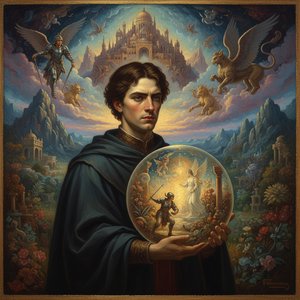
Gustave Moreau: Symbolism's Enigmatic Visionary & Precursors of Modern Fantasy Art
Explore the captivating world of Gustave Moreau, the leading Symbolist painter. Discover his iconic masterpieces, influences, and lasting legacy. Expert analysis for collectors & art enthusiasts.


