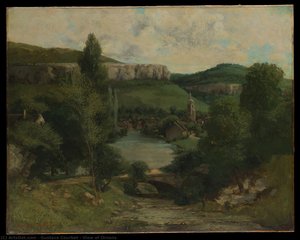
設置イメージを確認
 送る
送る シェア
シェア
 詳細情報
詳細情報 ガイドを表示

 画像をダウンロード
 似ている作品
 X線調査
X線調査 スライドショー
 統計情報
統計情報Going Fishing
 Oil On Canvas
- WallArt
- Realist Painting
 1865
1865- Early Medieval
 89.0 x 116.0 cm
 続きを読む
続きを読む
ジークレー/アートプリント
スピーディーな制作と多彩な仕上げオプションが魅力の、ミュージアムクオリティなジークレー・キャンバスプリント。 ( 手描きの複製画を注文する デジタル画像販売へ切り替え)




P118B ¥10

P118H ¥10

P118W ¥10

P438Z ¥10

P508JH ¥12

P508YH ¥12

P805H ¥10

P805Z ¥10

P919BZ ¥10

P919G ¥10

P919XJ ¥10

P959ZH ¥10

P968JZ ¥12

W106C ¥8

W218G ¥10

W218JH ¥8

W218Y ¥10

W307PJ ¥10

W316G ¥10

W316PJ ¥8

W316Y ¥10

W398PJ ¥8

W4111J ¥10

W500HY ¥15

W500JH ¥15

W692G ¥12

W849H ¥8

W940BG ¥15

W953PJ ¥8




作品のオリジナル比率に合わせた、当店の規定サイズからお選びください。

額縁や壁のスペースに合わせて、ご希望の幅と高さを入力してください。プリントはカットすることは可能ですが、元の画像より大きくすることはできないため、異なる比率のサイズを選択された場合は、画像の一部が欠けることになります。印刷を開始する前に、内容を確認していただくためのデジタルモックアップをお送りいたします。このページに表示されている画像は、実際のカット後の状態を示すものではありません。実際の仕上がりはモックアップにてご確認ください。


 ガラスオプションは、110cm未満のサイズでのみご利用いただけます。

Going Fishing
ジークレー/アートプリント
複製画サイズ一覧
-


合計金額
¥ 12603
A Moment of Tranquility: Gustave Courbet’s “Going Fishing”
Gustave Courbet's "Going Fishing," painted in 1865, isn’t merely a depiction of men casting lines; it’s a profound meditation on the relationship between humanity and nature, rendered with the uncompromising honesty that defined the Realist movement. Measuring 89 x 116 cm, this oil-on-canvas masterpiece transports us to a quiet coastal scene, capturing an ordinary moment imbued with a remarkable sense of serenity and observation. Courbet, a revolutionary figure in 19th-century art, deliberately rejected the romanticized ideals prevalent at the time, choosing instead to portray the world as he saw it – unvarnished, authentic, and deeply rooted in the everyday experiences of his subjects.
The painting unfolds with a deliberate simplicity. A small group of fishermen occupies the foreground, their figures scattered across the beach and rocky shoreline. Their attire—practical and unassuming—suggests a life connected to the rhythms of the sea. A dog, positioned near the right side of the canvas, adds a touch of domesticity to this otherwise rugged landscape. The composition is anchored by the expansive sky, rendered in muted blues and greys that evoke a sense of overcast weather – a subtle detail that contributes significantly to the painting’s overall mood. The water itself is depicted with a restrained palette, reflecting the subdued light and hinting at the vastness beyond.
Realism's Uncompromising Vision
Courbet’s commitment to Realism extended far beyond simply depicting what he saw; it involved a rejection of artistic conventions and a desire to portray subjects truthfully. “Going Fishing” exemplifies this approach through its meticulous attention to detail, particularly in the rendering of the textures – the rough surface of the rocks, the weathered clothing of the fishermen, and the subtle ripples on the water’s surface. The brushstrokes are visible, adding a sense of immediacy and spontaneity to the scene, as if Courbet were capturing this moment directly before his eyes. This deliberate lack of idealization was revolutionary for its time, challenging the established norms of academic painting which prioritized beauty and grandeur over realistic representation.
Interestingly, “Going Fishing” resonates with other works by Courbet from the same period, such as "The Ornans Paper Mill" and "Locks on the Loue," all of which share a similar focus on depicting ordinary working-class life. These paintings demonstrate Courbet’s fascination with the lives of common people and his desire to elevate their experiences within the realm of art. The painting's setting, along the northern coast of France – a region where Courbet spent considerable time observing the sea and its inhabitants – undoubtedly informed this subject matter and contributed to the painting’s authentic atmosphere.
Symbolism and Emotional Resonance
Beyond its straightforward depiction of fishing activity, “Going Fishing” carries a subtle symbolic weight. The act of fishing itself can be interpreted as a metaphor for human endeavor—a patient pursuit of sustenance and connection with nature. The quietness of the scene suggests a moment of respite from the demands of daily life, inviting viewers to contemplate the simple pleasures of existence. Courbet’s masterful use of light and shadow further enhances this emotional impact, creating a sense of depth and atmosphere that draws us into the painting's world.
The painting’s enduring appeal lies in its ability to evoke a feeling of tranquility and connection with nature—qualities that remain profoundly relevant today. It serves as a powerful reminder of the beauty and significance of everyday moments, captured with Courbet’s characteristic honesty and skill. For those seeking a high-quality reproduction of this iconic artwork, OriginalUniqueArt offers meticulously crafted hand-painted reproductions that faithfully capture the essence of Courbet's vision.
Technical Details & Reproduction Quality
The painting is executed in oil on canvas, utilizing a technique that allows for rich color saturation and nuanced tonal variations. The textured surface reflects Courbet’s deliberate brushwork, adding depth and visual interest to the scene. OriginalUniqueArt's hand-painted reproductions meticulously recreate these details, employing traditional oil painting techniques and archival-quality pigments to ensure lasting beauty and authenticity. Each reproduction is a testament to the artist’s original vision, capturing not only the subject matter but also the spirit and atmosphere of “Going Fishing.”
To explore more works by Gustave Courbet or to commission your own hand-painted reproduction, please visit OriginalUniqueArt’s Gustave Courbet page. You can also delve deeper into the artist's life and legacy at the Musée Courbet in Oran, France.
よくあるご質問
拡張現実(AR)を使って、自分の部屋にギュスターヴ・クールベ作「Going Fishing」を配置して見ることはできますか?
「Going Fishing」は、拡張現実(AR)でのプレビューが可能です。対応デバイスで作品のARプレビューページを表示すると、ご自身の空間に作品を配置してご確認いただけます。
「Going Fishing」の作者であるギュスターヴ・クールベには、他に知られている名前はありますか?
ギュスターヴ・クールベは、グスタフ・クールベ, ジャン=デスィレ・グスタヴ・クールベという別名でも知られています。
ギュスターヴ・クールベ作「Going Fishing」の手描き複製画を販売しているのはどこですか?
ギュスターヴ・クールベ作「Going Fishing」の手描き複製画は、こちらの手描き油彩複製画ページからご注文いただけます:リネンキャンバスに手描きされた油彩複製画(受注制作)
アーティストについて
Gustave Courbet: 現実の筆致 – 人生の軌跡と芸術的遺産
フランス東部の小さな村、オルナンで1819年に生まれたギュスターヴ・クールベは、その時代のアート界の確立された規範に対する大胆な反逆者として現れました。彼の物語は単なる絵画やキャンバスの話ではなく、社会的なコメント、政治的な信念、そして彼が見た世界を飾り立てることなく、生々しく、深く現実的に表現するという揺るぎない決意が織り込まれた物語です。比較的裕福なブルジョワ階級の家庭で育ち、母親からの芸術的才能への奨励を受け、それが彼の芸術革命の燃料となりました。1839年にパリのアカデミー・ド・ボザールでの正式な訓練はすぐに学術的な慣習やロマン主義的な理想主義に反発し、彼自身の道を切り開きました。それは想像力よりも観察を優先し、伝統よりも真実を重視する道でした。リアリズムの誕生:芸術的慣習への挑戦
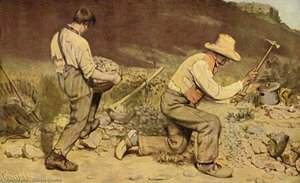
クールベの芸術的発展は、支配的な美学基準に対する意図的な拒絶によって特徴づけられました。彼は神話物語や英雄的寓話に興味がなく、彼の視線は労働に従事し、農村生活を送る普通の人の日常生活に向けられていました。この世界を飾り立てることなく表現するというリアリズムへのコミットメントは、より洗練された理想化された表現に慣れ親しんだ批評家から当初は軽蔑と嘲笑を受けました。初期の作品は風景画や肖像画を探求しましたが、すぐに労働者階級の生活を描いた場面へと移行し、伝統的に歴史的または宗教的な絵画のために予約されていた巨大なスケールで描かれました。この意図的な選択は単なるスタイルではなく、しばしば見過ごされるこれらの主題の本質的な尊厳と重要性を示す声明でした。「石炭採掘者」は1849年に完成しましたが、第二次世界大戦中に悲劇的に破壊され、このアプローチを例証しました。– 疲労と苦難で顔が隠された二人の労働者の鮮明な描写です。「オルナンの埋葬」とともに、この絵画は「ふさわしい」芸術の定義そのものを覆しました。主要作品と芸術的哲学
1850年から51年にサロンに展示された巨大なキャンバス「オルナンの埋葬」は、そのスケールの大きさで、通常は壮大な歴史画のために予約されていたものと、揺るぎないリアリズムの組み合わせにより、観客を衝撃させました。クールベは悼み人を高貴または悲しみに満ちた人物として描くのではなく、彼らを悲しみ、退屈、そして諦めの混合が刻まれた普通の人間として提示しました。この誠実さは革命的でした。彼の芸術的哲学は主題を超えて技法にも及びます。彼は素材そのものを強調する厚い絵の具をキャンバスに塗布する直接的なインパストスタイルを好み、「画家のスタジオ」 (1855) は、彼の芸術的信念と現代社会問題への関与を反映した寓意的な作品であり、彼を挑発的で独立したアーティストとしての地位をさらに確固たるものにしました。 1863年のレフュゼのサロンへの参加は、反逆者としての彼の地位と芸術的自由の擁護者を強化しました。フォンテーヌブローの森の眺め (1855) のような風景画でさえ、ロマンチックな表現を避けて、森の自然の美しさを捉え、リアリズムに浸っていました。遺産と歴史的意義
ギュスターヴ・クールベの影響は、その後の芸術運動において否定できません。彼は17世紀のカラヴァッジョのような初期の巨匠から影響を受け、彼らの劇的なリアリズムと光と影の使用を参考にしましたが、単なる模倣を超えた影響力を行使しました。彼は、伝統的な表現の制約から解放し、世界を見る新しい方法を探求することを奨励することで印象派や後期印象派に深く影響を与えました。彼の社会的なコメントは、彼らの仕事を政治的活動のためのプラットフォームとして使用した後の社会的に関与したアーティストたちの道を開きました。クールベは画家であるだけでなく、芸術的自由と政治的変化の熱心な擁護者であり、1871年のパリ・コミューンのような彼の時代の大混乱した出来事に積極的に参加し、それがスイスへの亡命につながりました。彼は1877年に亡くなり、今日でも聴衆にインスピレーションを与え、挑発する作品を残しました。- リアリズムの先駆者
- 学術的慣習への挑戦
- 印象派と後期印象派に影響
- 芸術的自由の擁護者

ギュスターヴ・クールベ
1819 - 1877 , フランス
アーティスト情報
- フルネーム: ギュスターヴ・クールベ
- 主な作品:
- 石割り
- オルナンの埋葬
- 画室
- 出生地: オルナンの町、フランス
- 国籍: フランス人
- 影響を与えたアーティストまたはムーブメント:
- 印象派
- 後期印象派
- 影響を受けたアーティスト:
- ドラクロワ
- ジェリコー
- カラヴァッジョ
- 死亡年月日: 1877年12月31日
- 生年月日: 1819年6月10日
- 芸術運動またはスタイル: 写実主義
関連記事

ロマン派ランドスケープ:時代を彩る巨匠の10選|アートとインテリアの世界
ロマン派絵画の時代を彩る10選。巨匠たちの風景が織りなす感動の世界へ。ターナー、ルーベンスなど、名作の裏話と高精細複製でアートをお部屋に。OriginalUniqueArt.comで至福のアート体験を。
Evoking Nature's Sublime: A Comprehensive Exploration of 19th-Century Landscape Painting
Explore the captivating world of 19th-century landscape painting! Discover renowned artists like Friedrich & Monet, key movements, and find the perfect artwork to bring nature's serenity into your home. Expert insights at OriginalUniqueArt.
写実主義を定義する至宝:時代を映した10大名作の世界
時代を写し出す写実主義の名作10選。クールベ、ミレーなど巨匠たちの世界と技法を紐解き、至高のアートが空間にもたらす感動を体験してください。OriginalUniqueArt.comで、ミュージアム品質の複製と洗練されたインテリアを見つけましょう。

Romantic Realism's Finest: 10 Masterpieces for Your Home | OriginalUniqueArt
Explore 10 defining masterpieces of Romantic Realism! Discover Courbet, Millet & Daumier's powerful paintings—capturing emotion and social realities. Find museum-quality reproductions for your home at OriginalUniqueArt.com.

Evocations of Place: A Historical Journey Through Landscape Art
Explore the rich history of landscape art with OriginalUniqueArt. Discover renowned artists, movements like Impressionism & Romanticism, and expert guidance for collecting timeless pieces. Find your perfect serene escape today!