
 設置イメージを確認
 送る
送る シェア
シェア
 詳細情報
詳細情報 ガイドを表示

 画像をダウンロード
 似ている作品
 X線調査
X線調査 スライドショー
 Q&A
Q&A 統計情報
統計情報The Piano Lesson


 続きを読む
続きを読む
ジークレー/アートプリント
スピーディーな制作と多彩な仕上げオプションが魅力の、ミュージアムクオリティなジークレー・キャンバスプリント。 ( 手描きの複製画を注文する デジタル画像販売へ切り替え)




P118B ¥10

P118H ¥10

P118W ¥10

P438Z ¥10

P508JH ¥12

P508YH ¥12

P805H ¥10

P805Z ¥10

P919BZ ¥10

P919G ¥10

P919XJ ¥10

P959ZH ¥10

P968JZ ¥12

W106C ¥8

W218G ¥10

W218JH ¥8

W218Y ¥10

W307PJ ¥10

W316G ¥10

W316PJ ¥8

W316Y ¥10

W398PJ ¥8

W4111J ¥10

W500HY ¥15

W500JH ¥15

W692G ¥12

W849H ¥8

W940BG ¥15

W953PJ ¥8




作品のオリジナル比率に合わせた、当店の規定サイズからお選びください。

額縁や壁のスペースに合わせて、ご希望の幅と高さを入力してください。プリントはカットすることは可能ですが、元の画像より大きくすることはできないため、異なる比率のサイズを選択された場合は、画像の一部が欠けることになります。印刷を開始する前に、内容を確認していただくためのデジタルモックアップをお送りいたします。このページに表示されている画像は、実際のカット後の状態を示すものではありません。実際の仕上がりはモックアップにてご確認ください。


 ガラスオプションは、110cm未満のサイズでのみご利用いただけます。

The Piano Lesson
ジークレー/アートプリント
複製画サイズ一覧
-


合計金額
¥ 12626
The Piano Lesson: A Snapshot of Parisian Modernity
Gustave Caillebotte’s “The Piano Lesson,” painted in 1881, stands as a quintessential example of Impressionism—a movement that sought to capture the fleeting beauty of everyday life and the transformative effects of industrialization on French society. More than just a depiction of two women seated at a piano, it's an emblem of a burgeoning intellectual landscape grappling with questions of tradition versus progress.
Caillebotte’s artistic vision was profoundly shaped by his exposure to photography, which encouraged him to experiment with innovative compositional strategies and perspectives. Unlike academic painters who prioritized idealized representations, Caillebotte embraced realism—albeit filtered through an Impressionistic lens—to portray scenes from the bourgeois world of Paris during Belle Époque. The muted palette—dominated by earthy tones—reflects this preoccupation with capturing atmospheric conditions rather than striving for dramatic visual impact.
Composition and Technique: Embracing Light and Texture
- The painting’s central focus is undeniably the piano itself, positioned prominently in the room. Caillebotte skillfully utilizes chiaroscuro—the interplay of light and shadow—to sculpt the piano’s form and create a sense of depth. Notice how the light illuminates the pianist's hands as they delicately touch the keys.
- Caillebotte’s brushstrokes are loose, broken, and blended, characteristic of Impressionist technique. These marks convey not only the visual appearance of surfaces but also their tactile qualities—the warmth of the wood, the softness of the fabric draped over the piano bench.
Symbolism Within Domestic Tranquility
Beyond its technical prowess, “The Piano Lesson” resonates with symbolic significance. The piano represents both musical artistry and familial heritage – a connection to tradition amidst the rapid changes sweeping through Paris. The presence of the vase and potted plant adds visual interest and subtly reinforces themes of domestic harmony and natural beauty—values that contrasted sharply with the grime and noise of the industrial city.
The inclusion of books suggests intellectual pursuits and contemplation, hinting at a deeper exploration of ideas beyond mere sensory experience. It’s as if Caillebotte invites us to consider not just what we see but also what lies beneath—the unspoken narratives that shape our lives.
Emotional Resonance: A Moment Frozen in Time
"The Piano Lesson" transcends its formal elements to evoke a feeling of quiet contemplation and understated elegance. The scene captures a fleeting moment of connection between two women, conveying warmth, intimacy, and perhaps even melancholy—a poignant reminder that beauty can be found in the simplest gestures and surroundings. It remains an enduring testament to Caillebotte’s ability to transform ordinary domestic life into a profound artistic statement.
This artwork is particularly appealing for interior designers seeking to infuse their spaces with warmth, sophistication, and a subtle nod to artistic heritage. Reproductions of “The Piano Lesson” can serve as striking focal points in living rooms or bedrooms—bringing the spirit of Impressionism and Parisian culture into modern homes.
よくあるご質問
「The Piano Lesson」にはどのような感情が込められていますか?
ギュスターヴ・カイユボット作「The Piano Lesson」に記録された情緒的なトーンはReflectiveです。これは、作品が表現している感情を要約したものです。
ギュスターヴ・カイユボット作「The Piano Lesson」のコントラストはどの程度ですか?
「The Piano Lesson」の明暗のコントラストはStatementと記録されています。コントラストとは、明るい部分と暗い部分がどの程度強く異なっているかを表す指標です。
「The Piano Lesson」はいつ制作されたもので、どの様式(ムーブメント)に属していますか?
「The Piano Lesson」は、Impressionist Paintingの作品として1881年に制作されました。制作年と様式は、美術史におけるこの作品の位置付けを明確にするものです。
アーティストについて
新時代のパリ人:ギュスターヴ・カイユボットの生涯と芸術
1848年、パリの裕福な家庭に生を受けたギュスターヴ・カイユボットは、変わりゆく自らの街の劇的な変貌を捉えるべく、比類なき立場に置かれた芸術家でした。父マルシャル・カイユボットは、成功したテキスタイル事業を継承し、裁判官を務める人物であり、ギュスターヴに経済的な安定と、勃興する近代世界を観察するための絶好の視点を与えました。当初、彼は法学の道に進み、1868年と1870年には法学士号を取得していますが、彼の真の天職は芸術の世界にありました。レオン・ボナールのもとで本格的な修行を開始し、絵画に没頭する一方で、当時登場したばかりのメディアである写真にも深い関心を寄せました。この写真技術への初期の接触――フレーミング、遠近法、そして一瞬の光景を切り取る手法――は、彼の独特なスタイルの象徴となりました。カイユボットは単に変化を記録していたのではありません。彼は、その変化が提示する新たな美学的可能性に対して、能動的に向き合っていたのです。印象派の光を纏った写実主義
カイユボットの芸術的歩みは、厳格なアカデミズムの伝統とは一線を画していましたが、同時に、多くの印象派の仲間たちが追求した純粋に光学的な探求を完全に取り入れたわけでもありませんでした。彼はエドガー・ドガやジュゼッペ・デ・ニッティスといった画家たちと親交を結び、近代生活への情熱を共有しながらも、緻密な写実主義というレンズを通してその世界にアプローチしました。1875年のサロンで発表された初期の傑作床磨きをする人々(Les Raboteurs de Parquet)は、大胆かつ型破りな画家としての彼の名声を瞬時に確立しました。木製の床を丹念に削る三人の労働者を描いたこの作品は、見る者を驚かせるほどの剥き出しの誠実さで描かれ、一部の人々を魅了しました。単に、高尚な芸術のキャンバスには滅多に登場しない「労働者階級」という主題を選んだことだけでなく、切り取られたような、時に衝撃を与えるほど直接的な構図、そして感傷的な美化を排した姿勢こそが重要だったのです。現代生活を飾ることなく描き出すこの決意は、鉄橋のような作品にも引き継がれ、急速に変貌を遂げるパリの工業化された風景を見事に捉えました。しかし、カイユボットもまた印象派の影響から逃れることはできませんでした。彼のパレットは次第に明るさを増し、筆致を分割させ、大気の効果を実験的に用いるようになります。それは、雪の屋根(View of Rooftops (Snow))に見られるような、雪に覆われたパリの屋根の素晴らしい情景に顕著に表れています。パトロンとして、そして先駆者として:芸術界を切り拓く
自らの創作活動にとどまらず、カイユボットは印象派運動を支える上で極めて重要な役割を果たしました。彼の経済的な自立は、彼を重要なパトロンへと変えました。モネ、ルノワール、ピサロ、セザンヌ、ドガといった画家たちの作品が、当時の公式なサロンから拒絶されていた時代に、彼は積極的にそれらを購入したのです。彼は単なるコレクターではありませんでした。従来の芸術規範に抗う印象派の展覧会を自ら組織し、資金を提供することで、これらの画家たちを積極的に擁護したのです。この革新を育む献身は、自身のコレクションにも及びました。1894年に彼が亡くなった際、そのコレクションはフランス国家に遺贈されました。当初はこの遺贈に対して抵抗もありましたが、最終的にはオルセー美術館の誇る印象派コレクションの礎となりました。カイユバーットの独自の視点は、その構図にも現れています。1880年に描かれた上から見た大通り(Boulevard vu d’en haut)などの作品は、高所からの視点とダイナミックなトリミングを用い、20世紀の写真的な遠近法を予見させるような、驚くほどモダンな感性を示しています。日本美術の影響や自身の写真実験から得られたであろうこの革新的な構図のアプローチは、彼を真の先駆者として際立たせています。遺産と再発見:蘇る近代の巨匠
彼の死後、数十年にわたりカイユボットの作品は、より有名な印象派の巨匠たちの影に隠れ、比較的目立たない存在でした。しかし、20世紀後半になり、学術的な研究や大規模な展覧会に後押しされ、彼の芸術に対する包括的な再評価が始まりました。この再発見によって明らかになったのは、卓越した技術、知的な深み、そして先見的な洞察力を備えた芸術家の姿でした。カイユボットの絵画は、単なる近代生活の描写ではありません。それは、都市生活の複雑さ、変化する社会情勢、そして芸術と現実との進化し続ける関係についての深い瞑想なのです。写実主義と印象派の手法をシームレスに融合させる能力、革新的な構図、そして周囲の世界を描き出そうとする揺るぎない信念は、彼を19世紀美術における極めて重要な人物として確立させました。今日、カイユボットの作品は、その独自の視点、見事な技法、そして時代を超えた普遍性によって称賛されています。それは、新しい時代の精神を捉えようと果敢に挑んだ芸術家の、不滅の証なのです。代表作
- 床磨きをする人々(Les Raboteurs de Parquet) (1875): カイユボットの写実主義と型破りな構図を示す画期的な作品。
- 雪の屋根(View of Rooftops (Snow)) (1878): 写真や日本美術の影響を受けた、高所からの視点と大気の効果を駆使した作品。
- 上から見た大通り(Boulevard vu d’en haut) (1880): ダイナミックな遠近法を用いた、驚くほどモダンな構図。
- 雨の日のパリ街(Paris Street; Rainy Day) (1877): おそらく彼の最も有名な作品であり、パリの賑やかなエネルギーを独特かつ情緒的な手法で捉えている。
- ベジークのゲーム(The Bezique Game) (1881): パリの余暇を描いた、魅惑的な印象派の絵画。

ギュスターヴ・カイユボット
1848 - 1894 , フランス
アーティスト情報
- Artistic Movement Or Style: 写実主義、印象派
- Artists Or Movements Influenced By This Artist: 印象派
- Artists Who Influenced This Artist:
- エドガー・ドガ
- ジュゼッペ・デ・ニティス
- Date Of Birth: 1848年8月19日
- Date Of Death: 1894年2月21日
- Full Name: ギュスターヴ・カイユボット
- Nationality: フランス人
- Notable Artworks (List Of Titles):
- 「床削り職人たち」
- 「雪の屋根裏部屋」、「大通りの眺め」
- Place Of Birth (City And Country): パリ、フランス
関連記事
印象派を定義する至宝:時代を超えた10傑 – 美術、画家、そして洗練された空間演出
印象派を代表する10傑の世界へ。モネ、ルノワールら巨匠の技と色彩が織りなす至高の名作を紐解きます。美術、インテリアに新たなインスピレーションを。OriginalUniqueArt.comで、博物館品質のアート複製と洗練された空間演出を見つけましょう。

グスタフ・クリムト傑作25選:華麗なる装飾性と象徴が織りなす世界 | OriginalUniqueArt
グスタフ・クリムトの傑作25選。華麗なる装飾性と象徴が織りなす世界を紐解きます。キス、ポートレートなど、美術史に残る名画の物語と技法をOriginalUniqueArtで。高品質複製画やインテリアアートも豊富に。今すぐコレクションをご覧ください。

Impressionism's Masterpieces: 10 Paintings That Defined a Movement | OriginalUniqueArt
Journey through Impressionism's heart with 10 iconic paintings by Monet, Renoir & Degas. Explore light, color & the stories behind these masterpieces. Find museum-quality art reproductions and elevate your home decor on OriginalUniqueArt.com.

光と色彩の彼方:知的な収集家のための印象派とポスト印象派
印象派とポスト印象派の傑作を深く理解し、知的なコレクションを築くための情報を提供。OriginalUniqueArtでは、高品質な油絵複製やカスタムアートをご用意。専門家が最適な作品選びをお手伝いします。
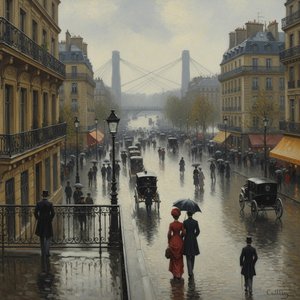
Gustave Caillebotte: Bridging Realism & Modernity in Parisian Life
Explore the life & art of Gustave Caillebotte, a pivotal figure bridging Realism & Impressionism. Discover his iconic Parisian scenes and lasting legacy with OriginalUniqueArt.


