

 設置イメージを確認
 送る
送る シェア
シェア
 詳細情報
詳細情報 ガイドを表示

 画像をダウンロード
 似ている作品
 X線調査
X線調査 スライドショー
 統計情報
統計情報Nativity
 Acrylic On Canvas
- WallArt
- Italo-Byzantine
 1270
1270 36.0 x 48.0 cm
 ルーブル美術館
 続きを読む
続きを読む
ジークレー/アートプリント
スピーディーな制作と多彩な仕上げオプションが魅力の、ミュージアムクオリティなジークレー・キャンバスプリント。 ( 手描きの複製画を注文する デジタル画像販売へ切り替え)




P118B ¥10

P118H ¥10

P118W ¥10

P438Z ¥10

P508JH ¥12

P508YH ¥12

P805H ¥10

P805Z ¥10

P919BZ ¥10

P919G ¥10

P919XJ ¥10

P959ZH ¥10

P968JZ ¥12

W106C ¥8

W218G ¥10

W218JH ¥8

W218Y ¥10

W307PJ ¥10

W316G ¥10

W316PJ ¥8

W316Y ¥10

W398PJ ¥8

W4111J ¥10

W500HY ¥15

W500JH ¥15

W692G ¥12

W849H ¥8

W940BG ¥15

W953PJ ¥8




作品のオリジナル比率に合わせた、当店の規定サイズからお選びください。

額縁や壁のスペースに合わせて、ご希望の幅と高さを入力してください。プリントはカットすることは可能ですが、元の画像より大きくすることはできないため、異なる比率のサイズを選択された場合は、画像の一部が欠けることになります。印刷を開始する前に、内容を確認していただくためのデジタルモックアップをお送りいたします。このページに表示されている画像は、実際のカット後の状態を示すものではありません。実際の仕上がりはモックアップにてご確認ください。


 ガラスオプションは、110cm未満のサイズでのみご利用いただけます。

Nativity
ジークレー/アートプリント
複製画サイズ一覧
-


合計金額
¥ 12596
A Window into the Medieval Soul: The Nativity by Guido da Siena
Guido da Siena’s “Nativity,” painted around 1270 in Siena, Italy, isn't merely a depiction of a biblical scene; it’s a profound meditation on faith, humility, and the enduring mystery of divine birth. This panel painting, part of a larger polyptych now dispersed across collections, offers a rare glimpse into the artistic sensibilities of a pivotal figure in Sienese art – a master deeply influenced by Byzantine traditions yet forging his own distinctive voice.

(Image: Guido da Siena, Nativity, 1270s)
Byzantine Echoes and Sienese Innovation
The painting immediately draws the eye with its rich palette – deep blues, vibrant reds, and shimmering golds dominate the composition. These colors, characteristic of Byzantine art, were imported into Siena through trade routes, profoundly influencing local artists. However, Guido doesn’t simply replicate Byzantine styles; he skillfully adapts them to his own vision. The figures are rendered with a certain solemnity and grace, reminiscent of Eastern iconography, yet possess a subtle Sienese expressiveness – particularly in the faces of Mary and the infant Jesus.
The composition itself is carefully orchestrated. Mary, presented as a youthful figure draped in flowing robes, lies within a simple bed, her gaze fixed on her child. Angels, rendered with delicate wings and serene expressions, surround them, bestowing blessings. The scene unfolds against the backdrop of a stylized mountainous landscape – a common motif in medieval art that suggests both earthly limitations and the promise of divine realms. Notice how Guido uses light to draw attention to key elements; the soft glow illuminating Mary and Jesus contrasts with the darker shadows enveloping the surrounding figures, creating a sense of intimacy and reverence.
A Master’s Hand: Technique and Materials
Guido da Siena was renowned for his mastery of tempera paint on wood panels. This technique, favored during the 13th century, allowed for luminous colors and fine detail. The use of gold leaf – visible in the halos surrounding the figures – further enhances the painting’s splendor and symbolizes divine grace. The meticulous application of paint is evident in the intricate folds of Mary's robes, the delicate feathers on the angels’ wings, and the subtle modeling of the faces. Close examination reveals a remarkable level of skill and patience—a testament to Guido’s dedication as an artist.
Historical Context: Siena and the Polyptych
To fully appreciate “Nativity,” it's crucial to understand its place within a larger artistic context. It was part of a polyptych – a series of panels depicting scenes from the life of Christ – commissioned by the Sienese community. The polyptych served as a focal point for religious devotion in churches and private homes, reflecting the city’s civic pride and artistic ambition. The fact that this particular panel was later dismembered highlights the turbulent history of art collecting and the dispersal of valuable works during times of conflict. Despite its fragmented state, “Nativity” remains a powerful symbol of Sienese faith and artistry.
A Timeless Message: Emotional Resonance
Beyond its technical brilliance, "Nativity" resonates with viewers on an emotional level. The scene evokes feelings of peace, humility, and wonder—a reminder of the profound mystery at the heart of the Christian narrative. Guido da Siena’s masterpiece is not just a historical artifact; it's a timeless expression of faith, beauty, and the enduring power of art to inspire contemplation and uplift the soul.
よくあるご質問
グイド・ダ・シエナは何歳の時に「Nativity」を制作しましたか?
1270年に「Nativity」が制作された際、1230年生まれのグイド・ダ・シエナは40歳でした。
「Nativity」にはどのような色が使われていますか?
グイド・ダ・シエナ作「Nativity」は、Earthyなカラーパレットを使用しています。この配色が、作品全体の色彩的特徴を象徴しています。
「Nativity」のプリントは、どのような用途でのご利用がおすすめですか?
グイド・ダ・シエナ作「Nativity」の複製画は、Statementに最適です。作品の主題、情緒、そして色彩に基づいたおすすめの活用方法です。
アーティストについて
ヴィラール・ド・オネクール:建築家のスケッチブックとルネサンスデザインの黎明
謎に包まれた人物、ヴィラール・ド・オネクールは、13世紀フランスにおいて最も重要でありながら、同時に最も不可解な芸術家の一人としてその名を刻んでいます。当時、芸術的な活気に満ちていたピカルディ地方に1230年頃に生まれたヴィラールの遺産は、そのほとんどが、現在パリのフランス国立図書館に収蔵されている驚くべき「スケッチブック」、すなわちアルバムの中に息づいています。建築計画や機械装置から、人物や動物の描写に至るまで、息を呑むほど多岐にわたる主題を網羅した約250点の図面とデザインを含むこの緻密な写本は、真に革新的な芸術家でありエンジニアであった彼の精神世界を、比類なき解像度で私たちに見せてくれます。彼の生涯については、その多くが未だ記録に残されておらず、それがヨーロッパ美術史におけるこの極めて重要な人物の魅力をより一層深めているのです。 現存するスケッチブックからは、古代の知識と当時の実践的な技法の両方に深く没頭していた一人の男の姿が浮かび上がります。ヴィラールは単なる職人ではなく、幾何学、比率、そして建設技術に対する洗礼された理解を備えていたと考えられています。それらは古典古代に根ざしながらも、彼が生きた時代に合わせて巧みに適応された原理でした。この写本は、芸術的な描写とともに詳細な指示書を組み込んだ、魅力的な影響の融合体であり、建築家や職人を導くための実用的なマニュアルとしての役割を果たしていたことを示唆しています。初期の研究では、ヴィラールは単なる建築家として捉えられがちでしたが、近年の学説ではより多面的な役割が示唆されています。彼は熟練したエンジニアであり、おそらくは宗教施設のために聖遺物を調達する任務を負った代理人でもあったのかもしれません。そして、その芸術的才能を用いて知識を記録し、広めたのです。「多くの日々」を過ごしたとされるハンガリーの図面が含まれていることは、彼の旅路における外交的、あるいは行政的な任務の可能性を暗示しています。 このスケッチブック自体が、一つの驚くべき工芸品です。羊皮紙のシートが、ヴィラール自身か、あるいは後の書記官の手によって、やや無造作に綴じ合わされたその姿は、編纂の過程を物語っています。その内容は驚くほど多様であり、天高くそびえるゴシック様式の聖堂のデザインから、水時計の魅力的な設計を含む複雑な機械装置、さらには人体解剖や動物形態の詳細な研究に至るまで、あらゆる分野において彼が等しく卓越した才能を発揮していたことを示しています。図面からは鋭い観察眼と、後の数世紀において極めて重要となる透視図法の習熟が見て取れます。特筆すべきは、ヴィラールが多くの図面を「生から(al vif)」描いたと主張している点です。これは当時の芸術実践としては極めて珍しいことであり、彼がいかに周囲の世界を直接的に観察し、関わり合っていたかを示す興味深い証左といえるでしょう。建築的影響とゴシック様式
ヴィラールの作品は、13世紀のヨーロッパを変貌させていた勃興期のゴシック建築運動と密接に結びついています。スケッチブックには、ラオン大聖堂の西正面の塔や、ランス大聖堂の放射状の礼拝堂、主身廊などの重要な大聖堂の詳細な図面が含まれています。これらの構造物は、ゴシックデザインの特徴である、天へと伸びる高さ、複雑な装飾、そして革新的な構造的解決策を象徴するものです。これらの図面は単なる模写ではありません。尖頭アーチ、肋材(ろくざい)付きのヴォールト、フライング・バットレス(飛梁)、そしてステンドグラスといった、壮大な建築物を支える原理に対する深い理解を示しており、それらの革新を記録し再現しようとするヴィラールの情熱が反映されています。特に建築要素を描写する際の細部への執着は、ゴシック建築の美しさと複雑さに対する彼の深い敬愛の念を露わにしています。建築を超えて:機械設計と芸術的技法
建築図面がヴィラールの仕事の中で最も有名な側面であることは疑いようもありませんが、このスケッチブックには、彼の発明精神とエンジニアとしての技術の証である、機械装置の豊かなデザインも収められています。水時計、滑車、レバー、その他の独創的な仕掛けの計画図は、力学に対する実用的な理解と、日常生活を向上させようとする切実な願いを物語っています。さらに、スケッチブックは人物や動物の習作で満たされており、解剖学への精通と、写実的な形態を描き出す能力を示しています。彼はまた、装飾的なパターンやモザイク、その他の芸術的な装飾技法に関する詳細な指示も記しており、それはヨーロッパ全土の職人や工匠にとって極めて貴重なリソースとなりました。歴史的意義と遺産
ヴィラール・ド・オネクールの遺産は、壮大な記念碑や名高い傑作の中にあるのではなく、むしろこの驚くべきスケッチブックの中に存在しています。それは、13世紀フランスの知的・芸術的世界への比類なき洞察を与える唯一無二の文書なのです。彼は、中世の職人技とルネサンスの革新との架け橋となった極めて重要な人物を象徴しています。建築技術、機械設計、そして芸術的実践に関する彼の緻密な記録は、後世の何世代にもわたる職人やエンジニアにとって貴重な指針となりました。このスケッチブック自体、初期の写本挿絵の最も重要な現存例の一つと見なされており、当時の他の作品では滅多に見られないレベルの技術的スキルと芸術的な洗練を証明しています。ヴィラールの影響は、彼のデザインや技法からインスピレーションを得た後の時代の芸術家や建築家たちを通じて辿ることができ、ゴシック建築の継続的な発展と、ヨーロッパ全土へのルネサンス思想の普及に貢献しました。彼の仕事は、革新というものが、しばしば壮大な宣言や革命的な理論からではなく、自らの技術を丹念に記録し続けた熟練した職人たちの静かな献身から生まれるものであることを、私たちに思い出させてくれるのです。さらなる資料

グイド・ダ・シエナ
1230 - 1290 , イタリア
アーティスト情報
- Artistic Movement Or Style: 中世の建築・デザイン
- Artists Or Movements Influenced By This Artist: ['ゴシック建築']
- Artists Who Influenced This Artist:
- 古代の幾何学
- 中世の技法
- Date Of Birth: 1230年
- Date Of Death: 1290年
- Full Name: ヴィラール・ド・オンクール
- Nationality: フランス
- Notable Artworks:
- 建築設計
- 機械装置
- Place Of Birth: フランス、ピカルディ
関連記事
Leonardo da Vinci: A Renaissance Master’s Synthesis of Art, Science & Human Observation – Reinterpreted for the Collector
Explore Leonardo da Vinci’s timeless masterpieces with OriginalUniqueArt. Discover insights into his art, science, and legacy – trusted expertise for discerning collectors seeking authentic reproductions & investment opportunities.
High Medieval Art: 10 Masterpieces That Shaped an Era | OriginalUniqueArt
Journey through High Medieval Art! Explore 10 iconic masterpieces – from Giotto's frescoes to stunning Gothic cathedrals. Discover the stories behind these timeless paintings, sculptures & illuminated manuscripts. Find museum-quality art reproductions at OriginalUniqueArt.com.
Illuminating Faith & Power: A Journey Through Medieval Art (c. 500 – c. 1500)
Explore the rich history of Medieval Art (c. 500 – c. 1500) with OriginalUniqueArt. Discover Byzantine mosaics, Gothic cathedrals & Renaissance masterpieces. Expert insights & museum-quality reproductions.
レオナルド・ダ・ヴィンチ:至高の25選 - 芸術、科学、そして不朽の名作の世界
レオナルド・ダ・ヴィンチの至宝25選。モナリザ、最後の晩餐…ルネサンス美術を代表する名画の世界へ。芸術史、技法、そして感動の物語を紐解き、お部屋に飾る高級複製画で特別な空間を。OriginalUniqueArt.comで全コレクションをご覧ください。
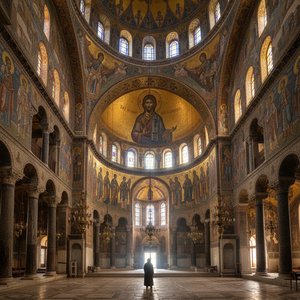
Illuminating Eternity: A Comprehensive Exploration of Byzantine Art's Legacy
Explore the rich history & stunning artistry of the Byzantine Empire! Discover iconic mosaics, profound symbolism, and lasting influence on Western art. A comprehensive guide for history lovers.