

 設置イメージを確認
 送る
送る シェア
シェア
 詳細情報
詳細情報 ガイドを表示

 画像をダウンロード
 似ている作品
 X線調査
X線調査 スライドショー
 統計情報
統計情報Susanna and the Elders
 Acrylic On Canvas
- WallArt
- Baroque Painting
 133.0 x 181.0 cm
 Palazzo della Pilotta
 続きを読む
続きを読む
手描き油彩複製画
当社のアーティストが、お客様のご希望のサイズと額縁に合わせて、キャンバスに手描きで制作する油彩画です。 ( プリント版に切り替え デジタル画像販売へ切り替え)




P118B ¥10

P118H ¥10

P118W ¥10

P438Z ¥10

P508JH ¥12

P508YH ¥12

P805H ¥10

P805Z ¥10

P919BZ ¥10

P919G ¥10

P919XJ ¥10

P959ZH ¥10

P968JZ ¥12

W106C ¥8

W218G ¥10

W218JH ¥8

W218Y ¥10

W307PJ ¥10

W316G ¥10

W316PJ ¥8

W316Y ¥10

W398PJ ¥8

W4111J ¥10

W500HY ¥15

W500JH ¥15

W692G ¥12

W849H ¥8

W940BG ¥15

W953PJ ¥8




作品のオリジナル比率に合わせた、当店の規定サイズからお選びください。

特定のフレームやスペースに合わせて、ご希望のサイズをご入力いただけます。選択されたサイズが元の画像の比率と異なる場合、アートワークをトリミングするか、手描きで要素を追加して絵画を拡張いたします。デジタルモックアップ を制作し、制作開始前にご確認(承認)をいただきます。
画面上のプレビューは、実際のトリミングや拡張を正確に反映しているものではありません。最終的な構図は、モックアップによってのみ正確にご確認いただけます。
カスタムサイズもご利用いただけますが、元の比率を維持するためには、あらかじめ用意されたリストからサイズを選択することをお勧めいたします。
ご注文後、OriginalUniqueArt.com チームより詳細な指示をお送りするとともに、仕上がりイメージ(モックアップ)をご提供いたします。


 ガラスオプションは、110cm未満のサイズでのみご利用いただけます。

Susanna and the Elders
再現技法
複製画サイズ一覧
-


合計金額
¥ 46074
The Dramatic Narrative of Susanna and the Elders
Guercino’s “Susanna and the Elders,” painted around 1650, isn't merely a biblical scene; it’s a visceral exploration of virtue under duress, a masterful demonstration of Baroque drama, and a testament to the artist’s profound understanding of human psychology. The painting depicts a pivotal moment from the Book of Daniel – Susanna, a young woman renowned for her innocence and beauty, is falsely accused by two lecherous elders who have been captivated by her modest bathing habits. The composition immediately plunges the viewer into a world of heightened emotion: Susanna, rendered in a luminous white gown, sits poised on a simple stone ledge, her gaze directed heavenward with an expression of serene dignity and quiet apprehension. The stark contrast between her purity and the shadowed figures looming above her creates an immediate tension, hinting at the impending threat to her reputation and life.
- The Story’s Roots: The narrative itself is a potent allegory – Susanna represents chastity and virtue, while the elders embody lust and deceit. The story's enduring appeal lies in its exploration of moral temptation and the vulnerability of innocence against manipulative forces.
- Baroque Drama: Guercino was a master of dramatic lighting and composition, techniques central to the Baroque style. Notice how he uses chiaroscuro – the sharp contrast between light and dark – to sculpt Susanna’s form and emphasize her isolation within the scene. The deep shadows enveloping the elders heighten their sinister presence, while the soft glow illuminating Susanna underscores her virtue.
A Study in Technique: Guercino's Distinctive Style
Guercino’s artistic approach is immediately recognizable – a blend of meticulous detail and expressive dynamism. He was known for his incredibly detailed drawings, which informed his painting style, resulting in figures with remarkably realistic musculature and drapery. Observe the intricate folds of Susanna's gown, rendered with painstaking precision, as well as the subtle textures of the stone ledge beneath her. The artist’s use of color is equally noteworthy; he employs a palette dominated by muted earth tones – ochres, browns, and grays – punctuated by flashes of white for Susanna’s dress and the vibrant reds of the elders' robes. This restrained palette amplifies the emotional impact of the scene, creating a sense of solemnity and gravity.
Key Characteristics:- Detailed Draftsmanship: Guercino was renowned for his preparatory drawings, which demonstrate an extraordinary command of line and form.
- Chiaroscuro Mastery: His skillful manipulation of light and shadow creates a dramatic and emotionally charged atmosphere.
- Expressive Figures: The figures are not merely representations but embodiments of their emotions – Susanna’s serenity, the elders' lustful intent.
Symbolism and Interpretation
Beyond the straightforward narrative, “Susanna and the Elders” is rich in symbolic meaning. The setting itself—a simple stone ledge overlooking a tranquil pool—suggests vulnerability and exposure. The presence of the two elders, shrouded in shadow, represents the forces of temptation that threaten to corrupt innocence. Notably, the scene draws upon the Apocrypha – biblical texts not included in the Hebrew Bible – adding layers of complexity to its interpretation. The inclusion of the skull, a memento mori (reminder of death), subtly underscores the precariousness of Susanna’s situation and the ultimate triumph of virtue over mortality. The phrase “Et in Arcadia ego” (“Also in Paradise I am”) reinforces this theme, reminding us that even in idyllic settings, death is ever-present.
A Timeless Masterpiece: Guercino's Enduring Legacy
“Susanna and the Elders” remains a profoundly moving work of art, captivating viewers with its dramatic intensity, technical brilliance, and enduring moral themes. Guercino’s ability to convey complex emotions through carefully rendered figures and evocative lighting is truly remarkable. Reproductions of this painting continue to inspire admiration for its artistic merit and its poignant exploration of human nature. It stands as a powerful testament to the artist's skill and his profound understanding of the human condition, ensuring its place as a cornerstone of Baroque art.
よくあるご質問
グエルチーノ作「Susanna and the Elders」は、よく知られた作品ですか?
グエルチーノ作「Susanna and the Elders」 の人気度は Recognized です。この分類は、その作品がどの程度広く知られているかを表しています。
「Susanna and the Elders」は、どのアーティストの作品とされていますか?
「Susanna and the Elders」を手がけたアーティストはグエルチーノです。この作品はグエルチーノの名でカタログに登録されています。
グエルチーノ作「Susanna and the Elders」 の推奨プリントサイズを教えてください。
「Susanna and the Elders」は、Largeのプリントサイズでの印刷をおすすめします。他のサイズについても、同じ比率でご利用いただけます。
グエルチーノ作「Susanna and the Elders」は、どのような空間に飾るのがおすすめですか?
グエルチーノ作「Susanna and the Elders」 は、Living Room に飾るのがおすすめです。作品の主題、色彩、そして雰囲気に合わせたご提案です。
グエルチーノ作「Susanna and the Elders」の手描き複製画はどこで購入できますか?
グエルチーノ作「Susanna and the Elders」の手描きによる複製画は、このページにてご注文いただけます:リネンキャンバスに手描きされた油彩複製画(受注制作)
「Susanna and the Elders」は、作者の母国に保管されていますか?
はい、作品は作家の母国に保管されています。。作者はイタリアで生まれましたが、作品の真作はイタリアに所蔵されています。
「Susanna and the Elders」のファインアートプリントは販売されていますか?
グエルチーノ作「Susanna and the Elders」のプリントをご希望の方は、このページよりご注文いただけます:コットンキャンバスまたはアーカイブ品質のキャンバスペーパーに施されたファインアートプリント。
アーティストについて
生い立ちと初期の才能:影の中の光
ジョヴァンニ・フランチェスコ・バルビエリ、通称イル・グエルチーノ(“近視の人”)は、その異名が彼の身体的特徴に由来する一方で、バロック絵画を劇的に変貌させた芸術的ヴィジョンを象徴するものとなりました。1591年、フェラーラとボローニャの間に位置する小さな町チェントで生まれたグエルチーノの道のりは、厳格なアカデミーではなく、自己発見と初期のルドヴィコ・カラッチとの師事から始まりました。この形成期は、激しい感情性、劇的なキアロスクーロ(明暗法)、そして現実主義と理想主義の両方への深い関わりが同義語となるスタイルを築く基礎となりました。多くの同時代画家が古典的完璧さを追求したのに対し、グエルチーノの芸術は17世紀イタリアの激動する精神的気候を反映し、生々しい人間的なエネルギーに満ちていました。彼の初期の人生は、従来の訓練を凌駕する自然な才能によって特徴づけられ、彼は単なる模倣ではなく、生まれつき光と影への理解力によって照らされた独自の道を切り開きました。カラヴァッジョ主義から古典的優雅さへ:変化するパレット
グエルチーノの芸術的発展は直線的なものではなく、むしろ様々な影響と様式的探求との魅力的な対話でした。彼の初期作品は、革命的な自然主義者カラヴァッジョに深く負債を負っており、鮮明なコントラストと衝撃を与え魅了した生々しい現実主義を受け入れていました。『アムノンとタマル』はその初期の時代を示す好例であり、率直さと心理的深さをもって描かれた聖書の物語です。しかし、グエルチーノはカラヴァッジョ主義の中に留まることに満足しませんでした。1630年代に、芸術的好奇心と分別のあるパトロンからの要求によって彼のスタイルに重要な変化が起こりました。彼はパレットを柔らかくし始め、厳しいテネブリズム(暗闇の表現)からより明るくバランスのとれたアプローチへと移行しました。この移行は単なる様式的気まぐれではなく、古典的理想へのより深い関わりと、感情的に力強いだけでなく、美学的に洗練された作品を創造したいという願望を反映していました。『プロディガルの帰還』はそのような時期の証であり、より大きな空間的な深みと調和のとれた構成を受け入れました。聖書の物語と感情的な共鳴
キャリアを通じて、グエルチーノは常にインスピレーションの源として聖書の物語に目を向けました。しかし、彼は単にこれらの物語を説明したのではなく、深い人間ドラマと感情的な共鳴を吹き込みました。彼の人物は理想化された聖人ではなく、信仰、疑念、後悔、贖罪に取り組む欠陥のある個人です。『聖アロイジオ・ゴンザーガの召命』はその好例であり、息を呑むような技術と感受性をもって描かれた宗教的な目覚めです。グエルチーノが被写体の内面を描き出す能力は彼を同時代画家から際立たせました。彼は真の信心深さは外面的な献身の表現ではなく、信仰に捧げられた人生を定義する内的闘争と犠牲についてであることを理解していました。この心理的深さ、彼の光と影の巧みな使用と相まって、視覚的に見事であるだけでなく感情的に説得力のある絵画を生み出しました。彼は困難または不安な瞬間を描くことをためらわず、それらが人間の状態を理解するために不可欠であると信じていました。永続的な遺産:影響と再発見
グエルチーノの影響は彼の生涯を超えて広がりました。光と影の劇的な使用と強力な感情を引き出す能力は、ヨーロッパ全土の世代の芸術家にインスピレーションを与えました。18世紀と19世紀には彼の評判がやや衰退しましたが、美術史家サー・デニス・マホンのたゆまぬ努力のおかげで20世紀に彼の作品への新たな評価が生まれました。マホンの細心の研究と情熱的な擁護は、グエルチーノをバロック時代の巨匠の仲間入りに戻すのに役立ちました。今日、彼の絵画はフェラーラのピナコテカ・ナツィオナーレからワシントンD.C.の国立美術館まで、世界中の権威ある博物館で祝われ、彼の永続的な芸術的才能の証となっています。- 博物館とコレクション:グエルチーノの作品は、フェラーラのピナコテカ・ナツィオナーレ、ジェノヴァのパラッツォ・ブリニョーレ=サーレ、ローマのガッレリア・スパーダなどの機関のホールを飾っています。
- キアロスクーロの名手:彼の光と影の劇的な使用は、彼のスタイルの定義の特徴であり続けています。
- 聖書の語り部:彼は比類のない感情的な深みと心理的洞察力をもって聖書の物語に命を吹き込みました。

グエルチーノ
1591 - 1666 , イタリア
アーティスト情報
- Artistic Movement Or Style: バロック
- Artists Or Movements Influenced By This Artist: ['バロック絵画']
- Artists Who Influenced This Artist: ['ルードヴィコ・カラッチ']
- Date Of Birth: 1591年2月8日
- Date Of Death: 1666年12月22日
- Full Name: ジョヴァンニ・フランチェスコ・バルビエリ
- Nationality: イタリア人
- Notable Artworks (List Of Titles):
- アムノンとタマル
- 浪子息子の帰還
- 聖アロジオの召命
- Place Of Birth (City And Country): イタリア、チェント
関連記事

The Visceral Stage: Exploring Dramatic Narratives & Emotional Intensity in Baroque Art
Explore the dramatic world of Baroque art! Discover iconic masters like Caravaggio & Rembrandt, their techniques, and the movement's lasting impact. Expert insights for collectors & enthusiasts at OriginalUniqueArt.

バロック美術を極めた至宝:時代を彩る10大名作の世界
バロック美術の華!カラヴァッジョ、ベルニーニら巨匠が創り上げた10大名作を徹底解剖。ドラマチックな色彩と豪華絢爛の世界観に触れ、至宝のアートプリントで空間を彩ろう。OriginalUniqueArt.comで美術館品質の複製と洗練されたインテリアを見つけましょう!
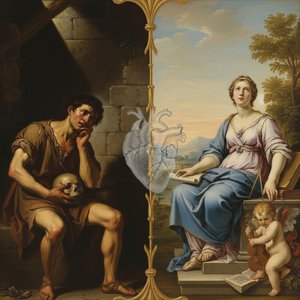
Guercino: A Baroque Master Between Caravaggism & Classicism – Exploring Innovation & Emotional Depth
Explore the captivating world of Guercino, a Baroque master bridging Caravaggism & Classicism. Discover his dramatic chiaroscuro, emotional depth, and lasting influence on art history with OriginalUniqueArt.

The Dramatic Flourish: Exploring the Baroque Movement's Enduring Legacy in Art History
Explore the dramatic world of Baroque art! Discover iconic artists like Caravaggio & Rubens, defining techniques, and its lasting impact on art history. Expert insights for collectors & enthusiasts at OriginalUniqueArt.

バロックのドラマ:現代のインテリアに壮麗さと情感を取り込む
バロック様式の歴史、絵画、家具の魅力をご紹介。OriginalUniqueArtでは、高品質な油絵複製やカスタムポートレートをご提供し、現代のインテリアに壮麗さと情感を取り入れます。アートコンサルテーションも承ります。