
 プレビュー
プレビュー
 プリントを購入
 シェアする
シェアする シェアする
シェアする
 詳細を見る
詳細を見る

 ダウンロード
 似ている作品
 X線調査
X線調査 スライドショー
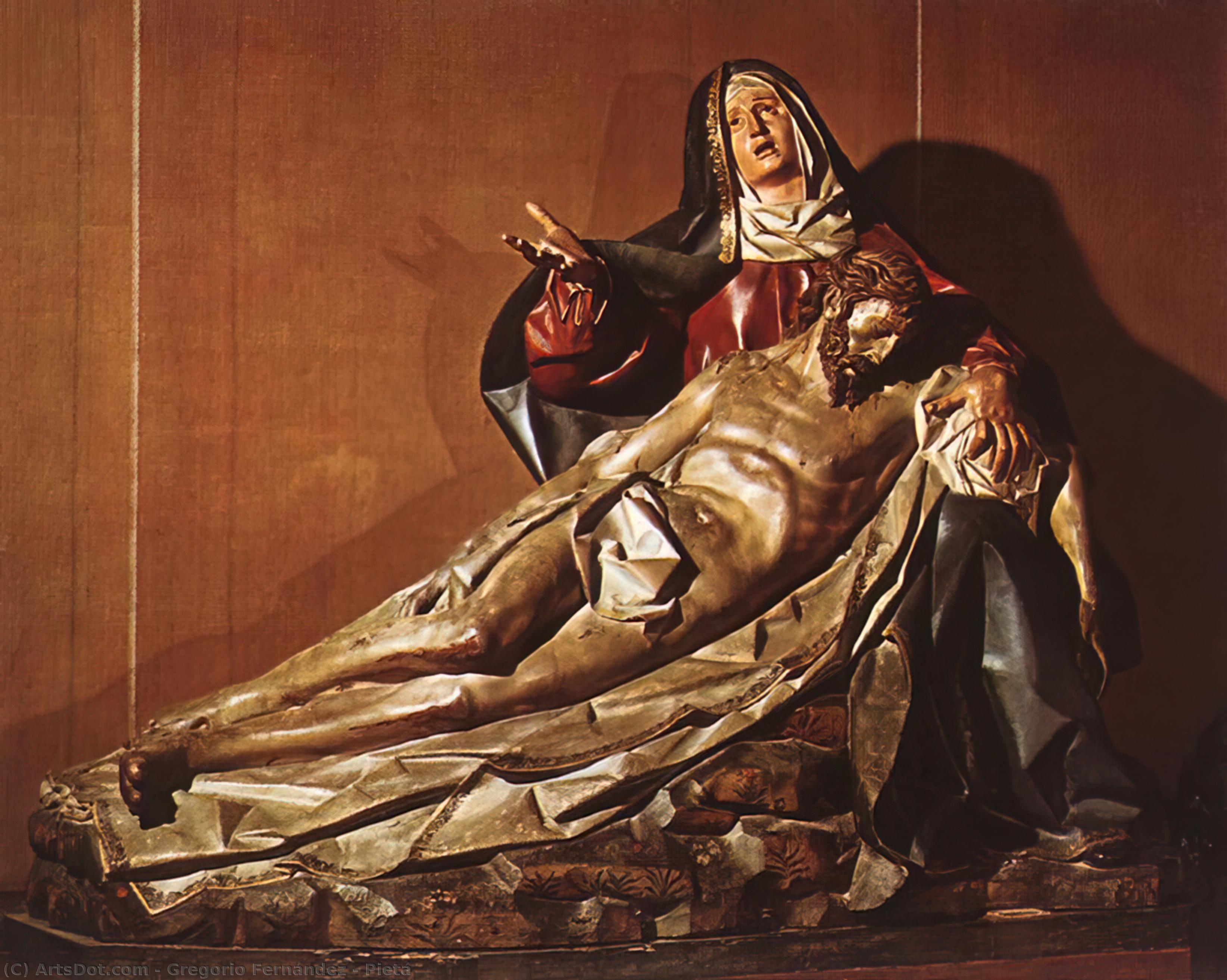
Pietá


 詳細を見る
詳細を見る




































作品のオリジナル比率に合わせた、当店の規定サイズからお選びください。

特定のフレームやスペースに合わせて、ご希望のサイズをご入力いただけます。選択されたサイズが元の画像の比率と異なる場合、アートワークをトリミングするか、手描きで要素を追加して絵画を拡張いたします。デジタルモックアップ を制作し、制作開始前にご確認(承認)をいただきます。
画面上のプレビューは、実際のトリミングや拡張を正確に反映しているものではありません。最終的な構図は、モックアップによってのみ正確にご確認いただけます。
カスタムサイズもご利用いただけますが、元の比率を維持するためには、あらかじめ用意されたリストからサイズを選択することをお勧めいたします。
ご注文後、OriginalUniqueArt.com チームより詳細な指示をお送りするとともに、仕上がりイメージ(モックアップ)をご提供いたします。


 ガラスオプションは、110cm未満のサイズでのみご利用いただけます。

Pietá
複製技法
複製画のサイズ
-


合計金額
$ 325
アーティストの略歴
Gregorio Fernández: A Castilian Master of Baroque Emotion
Gregorio Fernández, a name often whispered in the halls of Spanish art history, stands as a pivotal figure in the development of Castilian sculpture during the 17th century. Born in Sarria, Galicia, around 1576 and passing away in Valladolid in 1636, he wasn’t merely a sculptor; he was a master of conveying profound human experience through stone – a skill honed by rigorous training and an unparalleled understanding of anatomy, emotion, and the dramatic power of religious narrative. His legacy isn't defined by grand monuments or revolutionary techniques, but rather by the intensely personal and deeply moving quality of his figures, which continue to resonate with viewers centuries later.
Fernández’s early life remains somewhat shrouded in mystery, though it’s believed he received his initial training within the workshop of Francisco del Rincón in Valladolid. This formative period exposed him to the prevailing artistic currents of the time – a synthesis of classical ideals and the burgeoning dynamism of the Baroque. Crucially, he was immersed in a tradition of *pintura al relieve*, or painted sculpture, a technique that would become his hallmark. Unlike many sculptors who relied solely on monochrome materials, Fernández collaborated closely with painters like Diego Valentín Díaz, layering polychrome pigments onto his wooden figures to achieve an astonishing level of realism and emotional depth. This blending of disciplines—sculpture and painting—allowed him to create works that were not simply representations of religious subjects but powerful embodiments of human feeling.
The Language of the Body
Fernández’s sculptures are immediately recognizable for their remarkable anatomical accuracy, a testament to his deep understanding of the human form. He didn't merely copy; he dissected and rebuilt, capturing not just the outward appearance of muscles and bones but also the subtle tension and vulnerability beneath the surface. His figures possess an almost palpable physicality – you can feel the weight of Christ’s body slumped on the column in ‘Christ at the Column,’ or the desperate plea etched onto St. Martin's face as he distributes his wealth. This commitment to realism is balanced by a deliberate restraint in gesture and expression; Fernández rarely resorts to overt drama, instead favoring subtle cues – a downward glance, a clenched fist, a slight tilt of the head – that convey a universe of emotion.
The drapery in his works is particularly noteworthy. Rather than flowing, billowing robes, Fernández’s garments are often described as “cardboard-like,” constructed from sharp, rigid folds that create a dramatic contrast with the flesh beneath. This stylistic choice serves to heighten the sense of drama and emphasize the figures' vulnerability against the backdrop of their suffering or spiritual trials. The interplay of light and shadow is meticulously rendered, contributing significantly to the sculptures’ emotional impact.
Themes and Major Works
Fernández’s oeuvre is dominated by religious subjects – scenes from the life of Christ, depictions of saints, and representations of biblical narratives. He was a prolific creator of *pasos procesionales*, elaborate floats used in Holy Week processions, which were central to Spanish religious life. These monumental sculptures, often depicting key moments in the Passion, demanded a high degree of technical skill and dramatic storytelling. ‘Christ at the Column’ (1614-1616), with its poignant depiction of Christ's suffering, is arguably his most famous work, showcasing his mastery of anatomical detail and emotional expression. ‘St Martin’ (1606) exemplifies his ability to imbue a seemingly simple scene – a beggar receiving alms – with profound spiritual significance.
Other notable works include the Pietà (1616-1619), a deeply moving depiction of Mary cradling the dead Christ, and numerous altarpieces for churches throughout Valladolid and beyond. His “Descent from the Cross” (1623-1632) is another powerful example of his ability to convey both physical and emotional pain. The ‘Camino del Calvario’ (Spanish for “the way to Calvary”), a series of sculptures depicting scenes along Christ's path to crucifixion, further cemented his reputation as a master storyteller.
Legacy and Influence
Despite not producing a large number of disciples, Gregorio Fernández left an indelible mark on the development of Spanish Baroque sculpture. His meticulous attention to detail, combined with his profound understanding of human emotion, established a new standard for realism and expressive power. His influence can be seen in the work of subsequent sculptors, particularly those who continued to practice *pintura al relieve*. The Convent of Santa Catalina in Valladolid, where many of his works reside, serves as a testament to his enduring legacy – a place where visitors can still experience the emotional intensity and spiritual depth of these remarkable sculptures.
Furthermore, Fernández’s work continues to be studied by art historians and scholars who recognize him as one of the most important figures in Castilian Baroque art. His ability to capture the essence of human suffering and faith has ensured his place among the great masters of Spanish sculpture.

gregorio fernández
1576 - 1636
基本情報
- Artistic Movement Or Style: Baroque (Castilian)
- Artists Or Movements Influenced By This Artist:
- Juan de Juni
- Baroque art
- Artists Who Influenced This Artist:
- Alonso Berruguete
- Juan de Juni
- Pompeyo Leoni
- Juan de Arfe
- Date Of Birth: April 1576
- Date Of Death: Jan. 22, 1636
- Full Name: Gregorio Fernández
- Nationality: Spanish
- Notable Artworks:
- Christ at the Column
- St Martin
- Pietà
- Camino del Calvario
- Place Of Birth: Sarria, Galicia
関連記事

The Dramatic Flourish: Exploring the Baroque Movement's Enduring Legacy in Art History
Explore the dramatic world of Baroque art! Discover iconic artists like Caravaggio & Rubens, defining techniques, and its lasting impact on art history. Expert insights for collectors & enthusiasts at OriginalUniqueArt.

The Visceral Stage: Exploring Dramatic Narratives & Emotional Intensity in Baroque Art
Explore the dramatic world of Baroque art! Discover iconic masters like Caravaggio & Rembrandt, their techniques, and the movement's lasting impact. Expert insights for collectors & enthusiasts at OriginalUniqueArt.

バロック美術を極めた至宝:時代を彩る10大名作の世界
バロック美術の華!カラヴァッジョ、ベルニーニら巨匠が創り上げた10大名作を徹底解剖。ドラマチックな色彩と豪華絢爛の世界観に触れ、至宝のアートプリントで空間を彩ろう。OriginalUniqueArt.comで美術館品質の複製と洗練されたインテリアを見つけましょう!

Baroque Classicism: The Grandeur of Order and Drama in 17th-Century Art History
Explore the profound elegance of Baroque Classicism. Discover how 17th-century masters synthesized dramatic emotion with classical order through the lens of the Counter-Reformation and the works of legends like Carlo Maratta and Andrea Sacchi.

バロックのドラマ:現代のインテリアに壮麗さと情感を取り込む
バロック様式の歴史、絵画、家具の魅力をご紹介。OriginalUniqueArtでは、高品質な油絵複製やカスタムポートレートをご提供し、現代のインテリアに壮麗さと情感を取り入れます。アートコンサルテーションも承ります。

