送る
送る シェア
シェア
 詳細情報
詳細情報 ガイドを表示

 画像をダウンロード
 似ている作品
 スライドショー
 統計情報
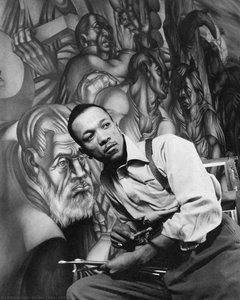
統計情報Red Jackson
 Gelatin Silver Print
- Photo
- Contemporary Realism
 19th Century
 26.0 x 32.0 cm
 ジョージ・イーストマン博物館
 続きを読む
続きを読む
このページに掲載されている作品は著作権法によって保護されており、当社の許可なく同一の複製物を制作または販売することは法律で禁じられています。この保護は、以下のような国際条約に基づき執行されます。 ベルヌ条約 および、以下の条項に定められたものを含む各国の法律により、 米国著作権法 第17編。
この手法は、著作権で保護された作品の複製や複写を伴わないため、著作権法に完全に準拠しています。これは単なる模倣ではなく、創造的な再解釈です。元の作品からインスピレーションを受けつつも、それとは異なる、全く新しい絵画を生み出すものです。
ジークレー/アートプリント
スピーディーな制作と多彩な仕上げオプションが魅力の、ミュージアムクオリティなジークレー・キャンバスプリント。 ( 手描きの複製画を注文する デジタル画像販売へ切り替え)




































作品のオリジナル比率に合わせた、当店の規定サイズからお選びください。

額縁や壁のスペースに合わせて、ご希望の幅と高さを入力してください。プリントはカットすることは可能ですが、元の画像より大きくすることはできないため、異なる比率のサイズを選択された場合は、画像の一部が欠けることになります。印刷を開始する前に、内容を確認していただくためのデジタルモックアップをお送りいたします。このページに表示されている画像は、実際のカット後の状態を示すものではありません。実際の仕上がりはモックアップにてご確認ください。


 ガラスオプションは、110cm未満のサイズでのみご利用いただけます。

Red Jackson
ジークレー/アートプリント
複製画サイズ一覧
-


合計金額
¥ 12591
Red Jackson: A Portrait of Quiet Observation
Gordon Parks’ “Red Jackson, Harlem, New York,” captured in 1948, stands as an enduring emblem of documentary photography and the profound ability to convey emotion through seemingly simple visual elements. Published initially in Life magazine during a pivotal moment in American history—the burgeoning Civil Rights Movement—this photograph transcends mere representation; it invites contemplation on themes of isolation, resilience, and the subtle complexities of human experience.
Parks’ masterful composition utilizes a close-up perspective, focusing intently on Red Jackson's face as he gazes out from behind a window. The deliberate framing emphasizes his solitude against the backdrop of an urban cityscape glimpsed through the glass—a visual metaphor for both separation and yearning for connection. Parks skillfully employs dramatic lighting, casting deep shadows that sculpt Jackson’s features and heighten the photograph’s melancholic mood.
Technical Considerations: Silver Gelatin Print
The image is executed as a silver gelatin print, a technique rooted in traditional photographic practices. Parks meticulously controlled exposure and development processes to achieve a high contrast ratio—a deliberate choice that amplifies the visual impact of the photograph and underscores its emotional resonance. The grainy texture inherent in the print adds depth and materiality to the artwork, grounding it in the physicality of the medium.
Parks’ meticulous attention to detail extends beyond technical execution; he carefully considered the placement of elements within the frame—the window itself serving as a crucial compositional device—to create a balanced yet emotionally charged image. The diagonal lines formed by the window panes contribute dynamism and visual interest, subtly guiding the viewer's gaze.
Symbolism and Emotional Resonance
“Red Jackson” operates on multiple symbolic levels. The window represents confinement and introspection, mirroring Jackson’s contemplative posture and expression—a silent witness to the world outside. Simultaneously, it symbolizes a desire for escape or transcendence, hinting at the broader aspirations of individuals confronting adversity. Parks' deliberate use of black and white reinforces the photograph’s solemn tone, stripping away distracting color palettes to concentrate on conveying raw emotion.
The photograph’s enduring power lies in its ability to capture a fleeting moment of human vulnerability—a quiet observation that speaks volumes about resilience and dignity. It serves as a poignant reminder of Parks' commitment to documenting marginalized communities with compassion and artistic integrity, cementing his legacy as one of the most influential photographers of the 20th century.
Historical Context: Life Magazine and The Civil Rights Movement
Published in Life magazine during the height of the Civil Rights Movement, “Red Jackson” reflects the urgent need for visual narratives that illuminate the realities faced by African Americans striving for equality. Parks’ work challenged prevailing stereotypes and fostered empathy for individuals grappling with systemic injustice—a contribution that continues to resonate today.
The photograph's impact extended beyond journalistic reporting; it became a cultural touchstone, sparking dialogue about identity, representation, and the transformative potential of art to inspire social change. Gordon Parks’ “Red Jackson” remains an unforgettable testament to his artistic vision and enduring influence on American culture.
よくあるご質問
「Red Jackson」はどのような作品ですか?
カタログ内では、ゴードン・パークス作「Red Jackson」はPhotoとして分類されています。このカテゴリーを活用することで、類似の作品を探すことができます。
「Red Jackson」全体の明るさはどの程度ですか?
全体として、「Red Jackson」の明るさはdeep_shadowと記録されています。知覚的な明るさとは、作品がどの程度明るく、あるいは暗く感じられるかを表すものです。
「Red Jackson」の技法とスタイルについて教えてください。
「Red Jackson」は、Contemporary Realism様式によるGelatin Silver Printで制作されています。
アーティストについて
生い立ちとキャリア
ゴードン・ロジャー・アレクサンダー・ブキャナン・パークスは、アメリカのフォトグラファー、ミュージシャン、作家、そして映画監督として、その多才な才能を遺しました。1912年11月30日、カンザス州フォートスコットにて、サラ(旧姓ロス)とジャクソン・パークスの15人の子供たちの末っ子として誕生しました。パークスの幼少期は、故郷で身をもって経験した人種隔離政策という厳しい現実によって形作られました。独学で芸術の道を切り拓いたパークスは、写真家としてのキャリアをスタートさせ、やがて『LIFE』誌や『VOGUE』誌に勤務する最初のアフリカ系アメリカ人となりました。1940年代、連邦政府のプロジェクトの一環として撮影された、困窮するアメリカ人たちの象徴的な写真は、彼の卓越した技術と献身的な姿勢を物語る、歴史に残る傑作です。
主な作品と功績
- シャフ (1971年):パークスが監督を務め、社会現象を巻き起こした映画。
- ラーニング・ツリー (1969年):パークスの監督デビュー作であり、自伝的な要素を持つ作品。
- ア・チョイス・オブ・ウェポンズ (1985年):彼の卓越した執筆能力を示す回想録。
- 『LIFE』誌に掲載されたフォトエッセイ:これらを通じて、パークスは著名なフォトジャーナリストとしての地位を不動のものにしました。
美術館とコレクション
- メルビン・ホームズ・コレクション:パークスの膨大な作品群を収蔵しています。 [https://www.hollesartgallery.com/gordonparks](https://www.hollesartgallery.com/gordonparks)
- MoMA(ニューヨーク近代美術館):パークスの写真の素晴らしいコレクションを誇っています。 [https://www.moma.org/artists/8083](https://www.moma.org/artists/8083)
受賞とレガシー
- NAACPイメージ賞 (2003年)
- PGAオスカー・ミショー賞 (1993年)
- ナショナル・メダル・オブ・アーツ (1988年)
- スピンガード・メダル (1972年)
ゴードン・パークスの遺したレガシーは、その圧倒的な作品群の枠を超え、次世代のアフリカ系アメリカ人アーティストたちの道を切り拓きました。フォトジャーナリズム、映画制作、そして音楽への彼の貢献は、今なお多くの芸術家たちにインスピレーションを与え続けています。
OriginalUniqueArt.com の厳選作品
- エマージング・マン(ゼラチン・シルバー・プリント):パークスの技術の高さを示す、力強い一枚。 [https://OriginalUniqueArt.com/d3xgfc-gordon-parks-emerging-man](https://OriginalUniqueArt.com/d3xgfc-gordon-parks-emerging-man)
- ルーシー・ジョンソン夫人の肖像(ゼラチン・シルバー・プリント):パークスの物語る力を際立たせる、心を揺さぶるポートレート。 [https://OriginalUniqueArt.com/d4dblu-gordon-parks-portrait-of-mrs-lucy-johnson](https://OriginalUniqueArt.com/d4dblu-gordon-parks-portrait-of-mrs-lucy-johnson)

ゴードン・パークス
1912 - 2006 , アメリカ合衆国
アーティスト情報
- Artistic Movement Or Style: フォトジャーナリズム、社会写実主義
- Artists Or Movements Influenced By This Artist: 後世のアフリカ系アメリカ人アーティスト
- Date Of Birth: 1912年11月30日
- Date Of Death: 2006年3月7日
- Full Name: ゴードン・ロジャー・アレクサンダー・ブキャナン・パークス
- Nationality: アメリカ
- Notable Artworks:
- シャフト
- ラーニング・ツリー
- エマージング・マン
- ハーレム・ギャング・ウォーズ
- ナイト・ランブル
- Place Of Birth: アメリカ合衆国、フォートスコット
関連記事
Witnessing History: Documentary Photography as an Art Movement
Explore the powerful history of documentary photography – from its origins to contemporary masters like Gordon Parks. Discover how this art form shapes our understanding of society and witness pivotal moments in time.

Gordon Parks: A Poetic Lens on American Life – Photography, Social Justice & Storytelling
Explore the profound work of Gordon Parks, a groundbreaking photographer who documented American life with unparalleled empathy and artistry. Discover his iconic images & lasting impact on social justice through Life magazine & beyond.

Monochrome Visions: Exploring the Aesthetic & Historical Significance of Black & White Photography
Explore the rich history & artistic power of black and white photography. From early techniques to iconic masters like Ansel Adams, discover why monochrome continues to captivate art lovers today. Expert insights for collectors.

Beyond the Lens: Photography's Enduring Influence on Modern & Contemporary Art
Explore photography's pivotal role in shaping modern & contemporary art. Discover key movements, influential artists like Stieglitz, and expert collecting advice from OriginalUniqueArt.
Witnessing History Through Lens & Light: Documentary Photography's Enduring Legacy
Explore the powerful history of documentary photography – from its origins to contemporary masters like Gordon Parks & W. Eugene Smith. Discover how this art form shapes our understanding of society and witness pivotal moments in time.