

 設置イメージを確認
 送る
送る シェア
シェア
 詳細情報
詳細情報 ガイドを表示

 画像をダウンロード
 似ている作品
 X線調査
X線調査 スライドショー
 統計情報
統計情報The Flight into Egypt
 Oil On Panel
- Baroque
 1595
1595 47.0 x 34.0 cm
 ボ르게ーゼ美術館
 続きを読む
続きを読む
手描き油彩複製画
当社のアーティストが、お客様のご希望のサイズと額縁に合わせて、キャンバスに手描きで制作する油彩画です。 ( プリント版に切り替え デジタル画像販売へ切り替え)




P118B ¥10

P118H ¥10

P118W ¥10

P438Z ¥10

P508JH ¥12

P508YH ¥12

P805H ¥10

P805Z ¥10

P919BZ ¥10

P919G ¥10

P919XJ ¥10

P959ZH ¥10

P968JZ ¥12

W106C ¥8

W218G ¥10

W218JH ¥8

W218Y ¥10

W307PJ ¥10

W316G ¥10

W316PJ ¥8

W316Y ¥10

W398PJ ¥8

W4111J ¥10

W500HY ¥15

W500JH ¥15

W692G ¥12

W849H ¥8

W940BG ¥15

W953PJ ¥8




作品のオリジナル比率に合わせた、当店の規定サイズからお選びください。

特定のフレームやスペースに合わせて、ご希望のサイズをご入力いただけます。選択されたサイズが元の画像の比率と異なる場合、アートワークをトリミングするか、手描きで要素を追加して絵画を拡張いたします。デジタルモックアップ を制作し、制作開始前にご確認(承認)をいただきます。
画面上のプレビューは、実際のトリミングや拡張を正確に反映しているものではありません。最終的な構図は、モックアップによってのみ正確にご確認いただけます。
カスタムサイズもご利用いただけますが、元の比率を維持するためには、あらかじめ用意されたリストからサイズを選択することをお勧めいたします。
ご注文後、OriginalUniqueArt.com チームより詳細な指示をお送りするとともに、仕上がりイメージ(モックアップ)をご提供いたします。


 ガラスオプションは、110cm未満のサイズでのみご利用いただけます。

The Flight into Egypt
再現技法
複製画サイズ一覧
-


合計金額
¥ 47978
The Flight into Egypt by Giuseppe Cesari – A Baroque Narrative of Faith and Refuge
Giuseppe Cesari’s “The Flight into Egypt,” completed in 1595, is more than just a biblical scene; it's a meticulously crafted tableau brimming with symbolic depth and the palpable drama characteristic of the late Mannerist and early Baroque periods. Housed within the Galleria Borghese in Rome, this oil-on-panel work offers a rare glimpse into the artistic sensibilities of a master often overshadowed by his more celebrated contemporaries, yet undeniably possessing a profound understanding of light, composition, and emotional resonance.
The painting immediately draws the viewer into a world of heightened realism and carefully orchestrated movement. Cesari’s masterful use of chiaroscuro – the dramatic interplay of light and shadow – dominates the scene, lending it an almost theatrical quality. The figures are bathed in a warm, golden glow emanating from an unseen source, while the surrounding landscape is plunged into relative darkness, creating a powerful sense of depth and emphasizing the urgency of their flight. Notice how the artist subtly employs atmospheric perspective; distant trees recede into a hazy blue, further enhancing the illusion of space and conveying the vastness of the journey.
At the heart of the composition lies Mary, seated on a humble donkey, her posture radiating both vulnerability and unwavering faith. She cradles the infant Jesus with an expression of serene devotion, his face tilted upwards as if receiving guidance from above. Joseph, depicted as a strong and protective figure, guides their way, his hand outstretched to ensure their safety. The figures are not idealized; they possess a tangible humanity – Mary’s slightly furrowed brow, Joseph's weary but determined gaze – which imbues the scene with an immediate sense of connection. The detail in their clothing—Mary’s vibrant red dress contrasting sharply with the muted tones of the landscape—adds to the visual richness and reinforces the narrative’s central theme of refuge and protection.
A Mannerist Foundation, a Baroque Expression
Cesari's work firmly resides within the Mannerist tradition, a transitional period between the High Renaissance and the Baroque. While retaining elements of classical balance and proportion, Mannerism embraced exaggeration, stylized forms, and an intense emotionality – qualities that would be further amplified in the Baroque era. The elongated figures, the dramatic lighting, and the heightened sense of movement all reflect these influences. However, Cesari’s style is distinct from the more overtly theatrical works of artists like Bronzino or Parmigianino; there's a quiet dignity and emotional restraint that sets his work apart.
The painting’s landscape, painted with meticulous detail, isn’t merely a backdrop but an integral part of the narrative. It’s a stylized representation of the countryside, incorporating elements like a temple – likely referencing the Temple of the Sibyl at Tivoli, a frequent motif in Italian art – which symbolizes prophecy and divine guidance. The inclusion of a small bird soaring overhead adds to the sense of movement and urgency, suggesting that their journey is fraught with peril.
Symbolism and Narrative Resonance
“The Flight into Egypt” is rich in symbolic meaning. The flight itself represents not only Mary and Joseph’s escape from Herod's murderous intent but also a deeper allegory of the Holy Family’s rejection of worldly power and their embrace of spiritual truth. The donkey, a humble animal, symbolizes humility and service – qualities essential to the Christian narrative. The infant Jesus, bathed in light, embodies divine grace and salvation.
The painting's enduring appeal lies in its ability to evoke a profound sense of empathy and wonder. It’s a timeless depiction of faith, family, and the struggle for survival—themes that resonate deeply with viewers across cultures and generations. The scene captures a moment of intense vulnerability and unwavering hope, reminding us of the power of love and devotion in the face of adversity.
A Masterpiece for the Collector
Reproductions of “The Flight into Egypt” by Giuseppe Cesari offer an exceptional opportunity to bring this captivating artwork into your home or office. OriginalUniqueArt’s hand-painted reproductions faithfully capture the original's intricate details, vibrant colors, and dramatic lighting, ensuring that you own a piece of art history. Whether displayed in a grand salon or a cozy study, this painting will undoubtedly serve as a source of inspiration and contemplation for years to come.
For more information about Cesari’s life and work, and to explore other stunning reproductions available at OriginalUniqueArt.com, please visit the links provided below:
- The Flight into Egypt
- The Rest on the Flight into Egypt
- The Rest on the Flight into Egypt (Detail)
- Giuseppe Cesari
Explore further with these additional resources:
アーティストについて
ジュゼッペ・チェザーリ:マニエリスムの壮麗を極めた巨匠
1568年頃にアルピーノで生まれ、1640年にローマでその生涯を閉じたジュゼッペ・チェザーリは、イタリア美術史という豊かな織物の中に、魅惑的でありながらどこか謎めいた存在として刻まれています。盛期ルネサンスやバロック期の巨匠たちのような熱狂的な称賛を常に浴びてきたわけではありませんが、彼のキャリアは、芸術様式とパトロネージュ(保護)が劇的な転換期を迎えた極めて重要な時代を駆け抜け、その変遷の目撃者として、また当事者として活動しました。彼の物語は、野心と卓越した技術、そしてローマという輝かしい芸術界の中で、永劫に残るレガシーを確立しようともがき続けた、執念にも似た闘いの記録でもあります。彼は、ルネサンスの古典的理想と、後のバロック時代を定義することになる劇的な革新を繋ぐ架け橋として、マニエリスム期における極めて重要な役割を果たしたのです。 チェザーリの幼少期については、今なおいくらかの神秘に包まれていますが、ローマとナポリの間に位置する小さな町アルピーノに生まれたことは広く知られています。画家であった父ジュゼッペもまた、若き日の彼に芸術的技法の基礎を授けました。しかし、彼の運命を真に決定づけたのは、ローマへの移住でした。教皇庁のパトロネージュの中心地であり、イタリア全土、さらには国外からも芸術家が集まる磁石のような都市ローマは、比類なきチャンスと、同時に熾烈な競争をもたらしました。彼は当初、バチカンのフレスコ画で知られるベネデット・チェザーニに師事し、その後、高名な建築家カルロ・マデルノとの関わりを持つに至ります。この繋がりは決定的な意味を持ち、彼に重要な依頼の扉を開き、ローマの芸術界における有力者たちへと彼を導くこととなったのです。宮廷画家の台頭
チェザーリのキャリアが真の飛躍を遂げたのは、教皇クレメンス8世(1592-1605)の治世においてでした。彼は瞬く間に需要の高い画家としての地位を確立し、名声と富をもたらす権威ある依頼を次々と獲得していきました。彼の最も輝かしい功績は、間違いなくサン・ピエトロ大聖堂の装飾への参画にあります。1603年から1612年にかけて、彼は大聖堂のドームを彩る壮大なモザイク画の設計を託されました。これは、彼の技術的卓越性と芸術的野心を世に知らしめる記念碑的な事業でした。キリストの生涯や聖母マリアの場面を描いたこれらのモザイクは、マニエリスム様式のモザイク芸術における最高傑作の一つと見なされています。サン・ピエトロ大聖堂のみならず、チェザーリはローマ中の宮殿、教会、私邸のフレスコ画など、数多くの依頼を受けていました。彼は極めて多作な芸術家であり、その膨大な作品群には、彼の多彩な技能と様式へのこだわりが色濃く反映されています。影響と遺産
チェザーリの芸術的発展は、当時のローマに蔓延していた多様な様式に触れたことによって、疑いようもなく形作られました。彼はラファエロやミケランジェロといった盛期ルネサンスの巨匠たちから影響を吸収しながら、同時にマニエリスム特有のエキセントリックな傾向とも深く関わっていました。また、当時の指導的な建築家であったカルロ・マデルノとの結びつきは、彼の芸術的視野をさらに広げ、革新的な建築概念やデザイン原理に彼を触れさせました。これほどの成功を収めながらも、チェザーリの遺産にはどこか曖昧さが残っています。生前は広く親しまれたものの、その作品は技術的には熟練しているが、独創性や深い感情的奥行きに欠ける、と見なされることも少なくありません。しかし、サン・ピエトロ大聖堂の装飾における彼の貢献は、キリスト教世界で最も象徴的な建造物の一つにおいて、彼の名が永遠に刻まれ続けることを約束しています。忘れ去られた巨匠か?
ジュゼッペ・チェザーリの物語は、ルネサンス期の複雑で競争の激しいパトロネージュの世界を渡り歩いた芸術家たちが直面した、困難な道のりを痛切に思い起こさせます。勝利と忘却の両面を併せ持つ彼のキャリアは、ヨーロッパ美術史における極めて重要な時期の、芸術制作と受容のダイナミズムについて貴重な洞察を与えてくれます。より有名な同時代の画家たちの影に隠れながらも、チェザーリの作品は、その技術的な巧みさ、優雅な様式、そしてローマの視覚的景観への多大な貢献によって、今なお研究され、高く評価され続けています。さらなる研究と批判的な再評価によって、この見過ごされがちなマニエリスムの壮麗なる巨匠に対する、より深い理解がもたらされる日が来るのかもしれません。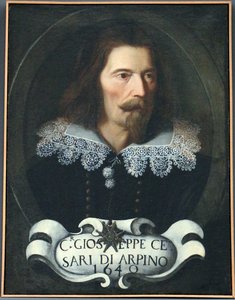
ジュゼッペ・チェザーリ
1568 - 1640
アーティスト情報
- Artistic Movement Or Style: マニエリスム
- Artists Or Movements Influenced By This Artist: ['フランドル・マニエリスム']
- Artists Who Influenced This Artist: ['カラヴァッジョ']
- Date Of Birth: 1568年
- Date Of Death: 1640年
- Full Name: ジュゼッペ・チェザーリ
- Nationality: イタリア
- Notable Artworks: ['サン・ピエトロ大聖堂のモザイク画']
- Place Of Birth: イタリア、アルピーノ
関連記事
Mannerism's Masters: 10 Artworks That Redefined Renaissance Style | OriginalUniqueArt
Explore 10 defining Mannerism masterpieces – from Pontormo to El Greco. Discover the stories behind these Renaissance paintings, their unique style & symbolism. Find museum-quality art reproductions at OriginalUniqueArt.com and elevate your home decor.

Elegance & Distortion: A Cultural Reflection on the Captivating World of Northern Mannerism
Embark on a cultural journey through Northern Mannerism. Discover how artists moved from Renaissance harmony to an era of elegant distortion, psychological depth, and exquisite tension in the 16th-century European art landscape.
Beyond Perfection: The Dramatic Elegance and Intellectual Tension of Renaissance Mannerism
Explore the captivating world of Renaissance Mannerism. Discover how artists moved beyond High Renaissance harmony into a realm of elegant distortion, psychological tension, and dramatic beauty that bridged the gap to the Baroque era.

Mannerism: Bridging Renaissance Harmony & Baroque Drama – A Study of Style & Affectation
Explore the fascinating world of Mannerism! Discover its key characteristics, pioneering artists like Pontormo & Bronzino, and its pivotal role in bridging Renaissance harmony to Baroque drama. A comprehensive guide for art enthusiasts.

Northern Mannerism: The Dramatic Evolution of European Art through Elegant Distortion and Tension
Explore the dramatic evolution of Northern Mannerism. Discover how 16th-century artists moved from Renaissance harmony to elegant distortion, tension, and complex symbolism in European art history.

